This article contains advertising. Our booking links are routed through a partner that adds commission tracking automatically, so if you book through one we earn a commission from the provider, at no extra cost to you. It never affects what we recommend. Affiliate disclosure
A week in Cairo can cost you 200 USD or 2,000 USD, and the gap between those two numbers has almost nothing to do with how much you enjoy the trip. This is one of the great value destinations on earth: you can stand in front of the last surviving Wonder of the Ancient World, eat a plate of koshari that costs less than a coffee back home, and sleep in a clean room a short walk from the Nile, all on a daily budget that wouldn’t cover lunch in London. Sort out your Cairo travel budget before you go and you spend your time looking at pyramids instead of worrying about money.
Below is the honest breakdown: what a day actually costs by travel style, where the Egyptian pound sits in mid-2026, the big change to how you pay at monuments this year, how to handle cash and cards, what to tip, and the scams that quietly inflate everyone’s spend. Real prices in pounds and dollars, the small warnings a local friend would give you, and a few numbers I’d urge you not to trust from older guides because they’ve moved. Pair this with our overarching Cairo trip planner to line up the budget against an actual itinerary.
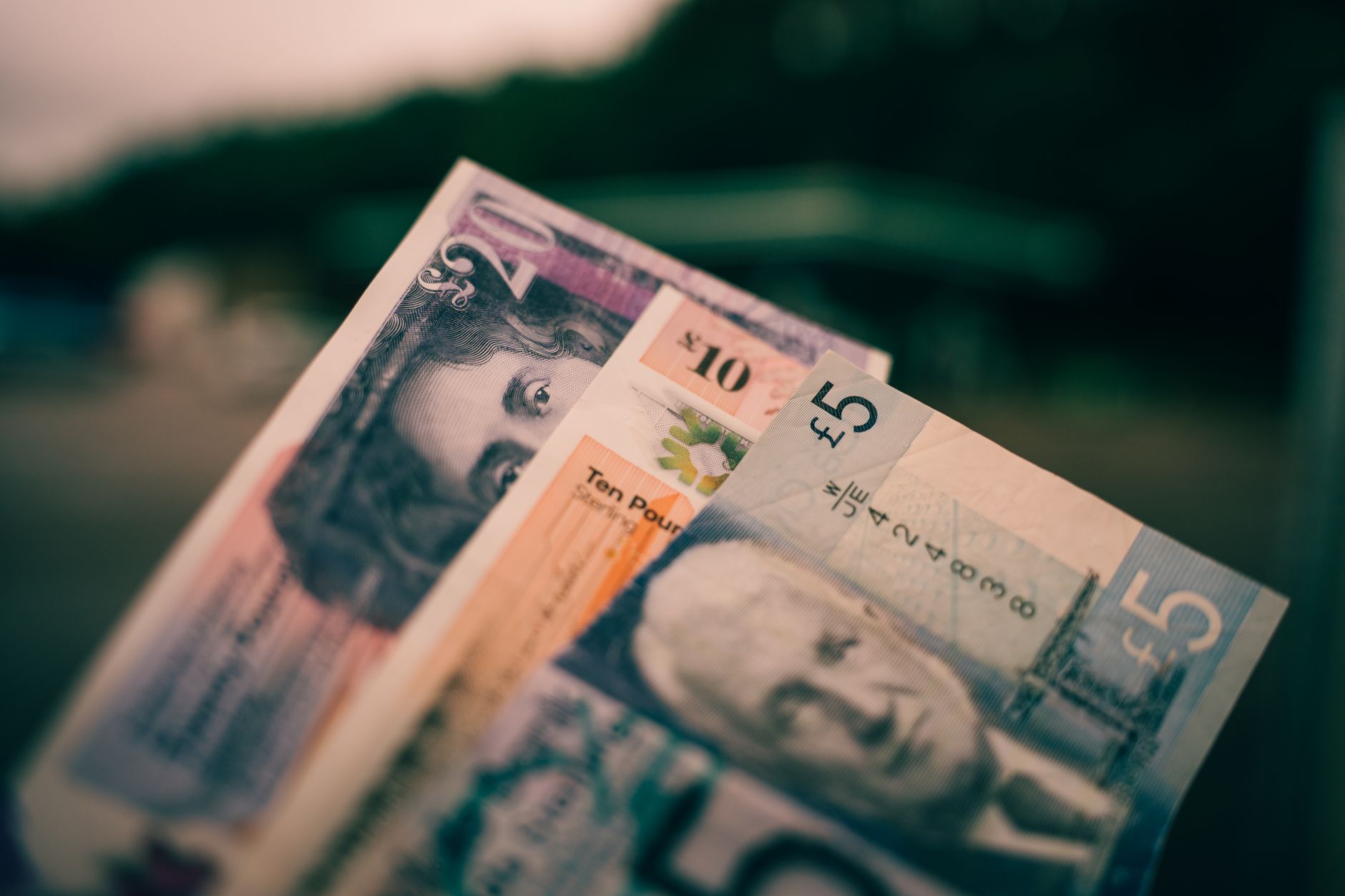
What a Cairo Travel Budget Really Costs Per Day
Daily spend in Cairo splits cleanly into three lanes. The figures below are for one person, and they allow for monument tickets, several of which have risen recently. Couples and families spread the biggest cost, the room, across more bodies, so per-person numbers drop fast once you’re not travelling solo.
| Travel style | Per day (USD) | Per day (EGP) | What that buys |
|---|---|---|---|
| Shoestring / backpacker | 30–50 | ~1,500–2,500 | Hostel dorm, street food, metro + the odd Uber, one or two paid sites a day |
| Mid-range | 70–130 | ~3,500–6,400 | 3–4 star hotel, sit-down restaurants, ride-hailing everywhere, all the headline attractions |
| Luxury | 200–450+ | ~10,000–22,000+ | 5-star hotel, fine dining, private car and Egyptologist guide, zero logistics stress |
A quick reality check on the budget lane. A couple of years ago you could genuinely do Cairo on 20 USD a day. You still can if you skip almost every paid monument, but a foreign adult now pays EGP 700 for the Giza plateau and EGP 1,830 for the Grand Egyptian Museum, booked online for a set entry time, and once you start ticking off the big sights the floor lifts to around 35–50 USD on the days you actually go sightseeing. On the days you wander Islamic Cairo for free, it drops right back down. Budget travel here is about choosing which days are “big ticket” days.
Shoestring (30–50 USD a day)
Dorm beds in Downtown run roughly 12–20 USD a night now, a bit more than the rock-bottom rates of a couple of years back but still tiny. You eat foul and taamiya sandwiches, koshari, and grilled meat from local grills for a few dollars a day. You live on the metro at EGP 10–20 a ride and save Uber for late nights. You pick your paid sites carefully, maybe the Pyramids one day and the museum the next, and fill the rest with Islamic and Coptic Cairo, which barely cost anything. It’s a no-frills version of the city, but you miss almost none of what matters.
Mid-range (70–130 USD a day)
This is the sweet spot for most visitors, and where Cairo feels almost suspiciously cheap. A comfortable 3 or 4-star hotel in Zamalek, Dokki or Garden City runs 40–100 USD, you eat wherever you fancy, you take Uber or Careem door to door without thinking about it, and every major attraction is on the table including the occasional guided tour. Our guide to where to stay in Cairo breaks down which neighbourhoods give you the best value at this level, because the same money buys a very different stay depending on where you book.
Luxury (200–450+ USD a day)
Top end in Cairo still costs a fraction of the equivalent in Paris, London or Dubai. The Marriott Mena House sits literally at the foot of the Pyramids, the Four Seasons Cairo at Nile Plaza and the Sofitel El Gezirah run world-class service on the river, and a private Egyptologist for the day is a genuine upgrade rather than a splurge you’ll regret. Rooms at this level run anywhere from 150 USD to 400 USD-plus, fine dining lands around 20–50 USD a head, and a private car and driver for a full day is often 15–30 USD. You’re paying for ease and expertise, and both are worth it here.
For the full arithmetic — flights, visa, hotels, food, entry tickets and transport totalled into trip-length figures — see our complete Cairo trip cost breakdown.
Fifty dollars a day is the figure most people ask about. Our day-by-day plan for a fifty-dollar budget splits that figure across a hostel or budget room, street food, metro and taxi fares, and one paid monument, and shows where it stops stretching.
The Egyptian Pound and the Exchange Rate in 2026
The Egyptian pound (EGP, written locally as LE or ج.م) has spent the last couple of years on a rollercoaster. After the big devaluation the rate settled, and on 25 October 2026 the mid-market rate was about 55.3 EGP to the US dollar. It still drifts, so check a live rate the week you travel rather than trusting a number you read months ago.
Notes come in 5, 10, 20, 50, 100 and 200 pound denominations. The pile of cash you get from one ATM withdrawal looks dramatic, then evaporates because everything is priced in the thousands. One rule that saves you money everywhere: always pay in pounds, never in dollars or euros. Vendors who happily accept foreign cash apply a quietly terrible rate, and you eat the difference on every transaction. Get pounds, think in pounds, spend pounds.
Cash vs Card at the Monuments
Here’s the single most important change for budgeting your trip, and the thing that trips up visitors who planned around old advice. Egypt has moved its major archaeological sites to cashless ticketing. The Giza Pyramids complex, the Egyptian Museum at Tahrir and the Citadel of Saladin take card only at their ticket counters, and the Museum of Islamic Art does not accept cash either. The Grand Egyptian Museum goes further: since 1 December 2025 it has sold tickets online only, for a set entry time. Show up at a big site with a wallet full of pounds and no card and you simply won’t get in.
So the rule has flipped. Where Cairo used to be a cash-first city for tourists, you now need a working contactless or chip card, ideally one with no foreign transaction fees, specifically for monuments. A handful of small sites still run on cash (a few minor Aswan temples elsewhere in the country, for example), but for Cairo’s headline attractions, plan on tapping a card. Bring two cards from different networks in case one gets declined, which happens more than it should on foreign cards in Egypt.
You can also buy many tickets in advance online through the official portal, which sidesteps any gate-machine drama entirely. Our Giza planning guide walks through current ticket prices and the on-site payment situation in detail, and it’s worth a read before you go so the card-only system isn’t a surprise at 9am in the Giza heat.
Away from the monuments, cash is still very much king. Street food, taxis, local restaurants, markets, juice stands, baksheesh, small shops, all cash. Cards work fine at hotels, upscale restaurants, malls and larger stores, and Apple Pay or Google Pay tap goes through at a decent chunk of modern outlets, but it’s unreliable the moment you leave the smarter commercial areas. The right setup for 2026: a card for monuments and big purchases, and a pocket of small pound notes for everything else.
If you are carrying a valid student card, those same card-only ticket windows will cut most of these fees roughly in half, which adds up to over 2,000 EGP across the standard circuit. We set out which Cairo sites accept student ID and which quietly refuse it.
ATMs vs Exchange Counters
ATMs are the cheapest way to get pounds, full stop. They’re everywhere in Cairo, at bank branches, malls and hotels, and machines from the big banks (CIB, Banque Misr, National Bank of Egypt, QNB) reliably take international Visa and Mastercard. Most bank-run ATMs charge no fee or a tiny one to foreign cards. The independent machines you find in hotel lobbies and tourist spots are the ones that sting, sometimes up to 200 EGP per withdrawal, so favour an actual bank ATM where you can.
Withdrawal limits usually cap somewhere between 5,000 and 10,000 EGP per transaction. Because the per-withdrawal fee is fixed, take out a larger chunk less often rather than small amounts repeatedly, and you spread the fee thinner.
The one ATM trap that costs everyone money: when the machine offers to charge you in your home currency instead of pounds, always decline and choose Egyptian pounds. That “convenience” is Dynamic Currency Conversion, and it can carry extra fees or a markup on the rate, so read the rate and fees on screen before you accept anything. Same thing on card terminals in shops. Always, always pick local currency.
Airport exchange counters give the worst rates in the country, so change only the bare minimum there if you must, enough for a taxi and a SIM, then hit a proper ATM in town. Skip the back-street “no commission” money changers too; the rate makes up for the missing commission and then some.
Withdrawal caps, which bank machines charge what, and how to break a 500-pound note are all worth settling before you land. Our deeper dive on changing money in Cairo weighs ATM networks against exchange counters and explains why that home-currency prompt quietly costs you 5–12% every time.
Tipping and Baksheesh, Decoded
Baksheesh, the culture of small tips, runs through daily life in Egypt, and budgeting for it properly stops it from feeling like a constant ambush. It’s not a scam; it’s how a lot of service work gets paid here. Keep a stack of small notes (5s, 10s, 20s) in an easy pocket and dole them out without drama. Our guide to Cairo culture and etiquette goes deeper on the social side of this, but here’s the money version.
- Restaurants: 10–15%, but check first whether a service charge is already on the bill. If it is, a little extra for good service is plenty.
- Hotel porters: 20–50 EGP per bag.
- Housekeeping: 20–50 EGP per day, left in the room.
- Tour guides: 100–500 EGP per day depending on length and how good they were. A great Egyptologist earns the top of that range.
- Drivers: taxi drivers don’t expect a tip, but rounding up is normal. A private driver for the day, 50–150 EGP.
- Site attendants: the guard who unlocks a side room or offers to take your photo will expect 10–20 EGP. Decide if you want the service before you accept it, because the tip is the whole point.
Tip in pounds, never in dollar coins or small foreign notes the recipient can’t easily change. And don’t feel obliged to tip someone who simply pointed at a sign or inserted themselves into your visit uninvited; a polite “la, shukran” (no, thank you) is fine.
Amounts shift by situation, and guessing wrong is how people end up handing 200 EGP to a man who opened a door. We break the norms down role by role in our full breakdown of baksheesh amounts, from bathroom attendants and porters to guides and Nile cruise crews.
SIM Cards and Internet
Getting a local SIM is one of the smartest few hundred pounds you’ll spend, because data here is absurdly cheap and you’ll lean on Google Maps and Uber constantly. The three networks are Vodafone, Orange and WE, with Vodafone generally giving the most reliable coverage and Orange usually the cheapest bundles.
As a rough guide for 2026, a Vodafone tourist line with around 30 GB plus some local and international minutes runs about 500 EGP, with a smaller 10 GB option closer to 255 EGP. Orange’s holiday SIMs are good value, roughly 200 EGP for around 20 GB or about 450 EGP for a chunky 47 GB. You can buy at the airport on arrival or at any branded shop in town; bring your passport, since registration is required, and activation is usually immediate. Buying in town often gets you a slightly better deal than the airport kiosks, but the airport convenience is worth a few extra pounds after a long flight. For perspective, a whole month of generous data in Egypt costs less than a single day of roaming on most Western plans, so turn off roaming and get the local SIM.
Free WiFi is standard in hotels, hostels and many cafes, though speed varies wildly. Smart cafes in Zamalek, Maadi and New Cairo are fast; older backstreet places can crawl. The local SIM is your safety net for navigation when the WiFi gives out, which it will.
Which network you pick depends on where you are actually going, since coverage out at Giza and Saqqara is not the same as coverage in Zamalek. Our guide to getting connected on arrival covers eSIM versus physical SIM, the passport requirement at the counter, and which airport desks are worth queueing at.
Sample Costs: Meals, Taxis, Attractions, Hotels
Numbers make this concrete. Here’s what individual things actually cost in Cairo in 2026.
Food
Street food barely registers on a budget. A foul or taamiya sandwich is 10–20 EGP, a plate of koshari 20–50 EGP, shawarma 30–60 EGP, a fresh juice 15–30 EGP, and a proper grilled-meat meal from a local grill 60–120 EGP. Sit-down meals at popular spots like Abou Tarek or a GAD branch run 60–150 EGP a head. Step up to a good Italian, Asian or contemporary Egyptian restaurant and you’re at 200–500 EGP; full fine dining, including hotel restaurants, lands around 500–1,500 EGP with drinks, still a fraction of the equivalent abroad. Our koshari-to-fine-dining food guide covers exactly where to eat at each of these price points so the cheap meals are also the best ones.
Transport
The metro is the bargain of the century at 10–20 EGP per ride depending on distance (10 EGP for up to 9 stations, 20 EGP for 24–39), and it skips the traffic that makes Cairo Cairo. Uber and Careem across the centre typically run 40–100 EGP; a white taxi, similar if you agree the fare first or insist on the meter. A full day of mixed metro and ride-hailing rarely tops 200–300 EGP. The full rundown of metro lines, ride apps and taxi tactics lives in our getting around Cairo transportation guide, including how to avoid the airport-taxi markup.
Attractions
This is where your money goes, and where 2026 prices bite. As a foreign adult, budget 700 EGP for the Giza Pyramids complex, 1,500 EGP extra to go inside the Great Pyramid, 1,830 EGP for the Grand Egyptian Museum, 550 EGP for the Citadel of Saladin and 600 EGP for the Saqqara area. Khan El Khalili and the streets of Islamic Cairo cost nothing to wander. Many sites sell student tickets at roughly half the adult price to holders of a valid student ID, within each site’s age limit (24 at Giza), which adds up fast over a week. Remember: card only at the big ones. For a week hitting all the headliners, budget something like 5,280–6,480 EGP in entry fees. There’s a fuller list across our Cairo museums and cultural attractions guide.
Hotels
Dorm beds 12–20 USD, private budget rooms 20–35 USD, comfortable mid-range 40–100 USD, and five-star anywhere from 150 USD into the high hundreds for the iconic Nile and Pyramid-view properties. Booking online ahead almost always beats walk-in rates, and for stays over three or four nights an apartment can undercut a hotel while giving you a kitchen.
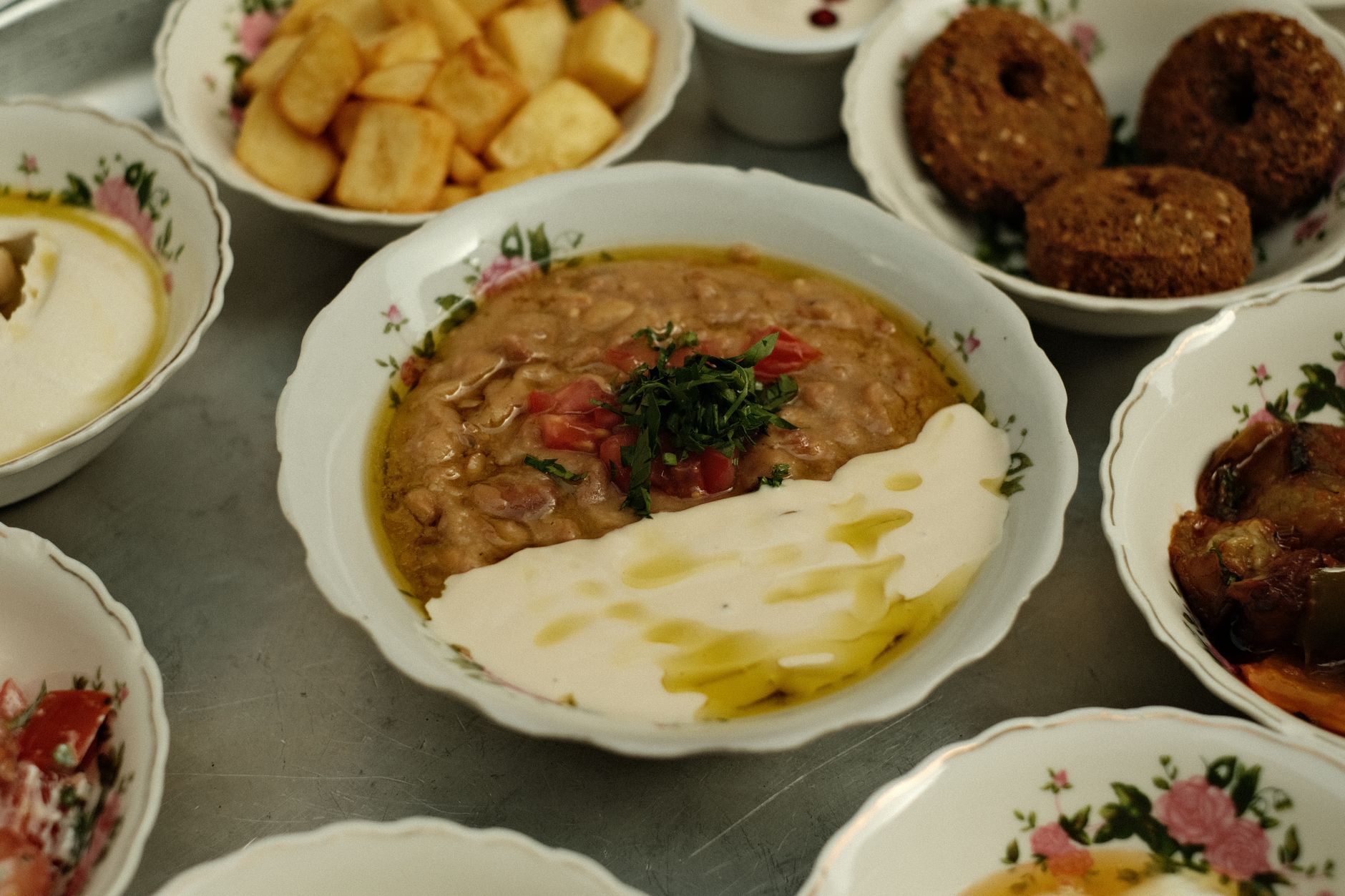
Food is where the arithmetic gets almost silly: a bowl of koshari at one of Cairo’s best-known koshari houses lands near 100 EGP, roughly two dollars. Our dish-by-dish look at eating cheaply here lists current street prices, the named institutions worth the detour, and how to order without being handed the tourist menu.
How to Do Cairo Cheaply
The single biggest lever is eating where Cairenes eat. The food at local joints and street stalls is cheaper, tastier and more authentic than the tourist-facing places right next to the sights, where you pay extra for the location alone. Follow the crowds; a packed local restaurant is the signal you want.
Lean on the metro for any longer trip; at a few pounds a ride it’s the cheapest and often fastest way across town, and you save the ride apps for late nights and places the metro doesn’t reach. Stack your free days: Islamic Cairo, Coptic Cairo, Al-Azhar Park (around 50 EGP), the Nile corniche at sunset, and a felucca you split with other travellers (200–300 EGP for the whole boat, so cheap per head in a group). Our roundup of things to do in Cairo flags plenty that costs little or nothing.
A few more that quietly add up: buy water by the multipack from a supermarket instead of single bottles at tourist kiosks, pick a hotel that includes breakfast (saves 50–100 EGP a head daily), and bargain firmly but pleasantly in the markets, where opening prices sit 50–200% above the fair number. Walking away is the most effective negotiating tool there is.
Time Your Trip to Save
When you go swings the bill more than most people expect. The cool, comfortable months from October to April are peak season, when hotels charge more, spiking hard around Christmas, New Year and Easter; flights climb too. The shoulder weeks of March and late September to early October give you decent weather at noticeably softer prices. And the summer, May to August, when Cairo bakes (daytime highs average about 35°C from June to August), brings off-season rates. The trick to a summer visit is simply shifting your hours: monuments and markets at dawn or dusk, air-conditioned museums and malls in the brutal midday, and the city’s late-night cafe culture in the evening, which Cairenes themselves run on all summer. If your budget matters more than your comfort, summer stretches your money further here.
The cheapest days are the ones where the entry fees were never going to apply. We keep a running list of Cairo sights that charge nothing at all, from the medieval streets of Islamic Cairo to the Corniche at sunset, and a genuinely lean week is usually built around four or five of them.
Common Money Scams and How to Sidestep Them
None of these are dangerous, but they all leak money, and being ready for them keeps your Cairo travel budget honest.
- The airport exchange rate. Worst rate in the country. Change a token amount, use a bank ATM in town for the rest.
- Dynamic Currency Conversion. Covered above, but it’s everywhere, ATMs and card machines alike. Always choose Egyptian pounds.
- The “free” gift or photo. Someone drapes a headscarf on you or hands you something near a monument, then demands payment. Don’t accept anything you didn’t ask for.
- The unsolicited “guide.” A friendly stranger attaches himself to you, “helps,” then wants a large tip, or steers you to a perfume or papyrus shop that pays him commission. Politely decline help you didn’t seek.
- Closed-attraction trick. “The site is closed today, come to my shop / my cousin’s place instead.” It almost never is. Verify at the actual gate.
- The unmetered taxi. Agree a price before you get in, or use Uber/Careem so the fare is fixed in the app. Never leave the fare open to a destination negotiation.
- Camel and horse touts at Giza. Agree the exact price, currency and duration before you mount, ideally in writing, or you’ll be “renegotiating” stranded in the desert. More on this in our Pyramids visitor guide.
- Bazaar first-stall syndrome. Never buy at the first shop. Prices in Khan El Khalili open at two to three times the fair value; compare a few stalls and haggle.
One expense worth budgeting before any of this matters is a policy that actually pays out when a bag disappears or a claim needs a police report. Our rundown of what Egypt policies cover sets the medical and evacuation limits against what an air ambulance out of Cairo genuinely costs.
How Much Cash Should You Bring?
With monuments now card-only and ATMs cheap and plentiful, you don’t need to arrive carrying a brick of dollars. The smart approach: bring a modest cushion of USD or EUR in cash (a few hundred dollars) as a backup in case of card trouble, and rely on bank ATMs in Cairo for your pounds as you go. Don’t change it all at once at the airport.
For day-to-day, a backpacker might draw 1,500–2,500 EGP at a time and refill every couple of days; a mid-range traveller, more. Keep cash split between your wallet, a hotel safe and a hidden pocket, never all in one place. Carry two cards on different networks (Visa and Mastercard) so a single decline doesn’t strand you at a monument gate, and make sure at least one has no foreign transaction fee. And before you fly, tell your bank you’re heading to Egypt so the first withdrawal doesn’t get frozen as suspected fraud.
One more cost to slot into the plan before you even land: the e-visa. A single-entry tourist e-visa is 30 USD and multiple-entry is 65 USD, paid by card on the official government portal. The paper visa on arrival also costs 30 USD but is cash only, so the online route is the tidy, predictable option.
To pull it together, the money checklist I’d run before flying to Cairo: two cards on different networks, at least one with no foreign-transaction fee; your bank notified of the trip; the e-visa paid online in advance; a few hundred dollars in clean cash as a backup; and offline Google Maps downloaded for Cairo before you lose signal. Land, change a small amount at the airport for a taxi and SIM, grab the local SIM, then top up pounds from a bank ATM in town. Do that and you’ve removed every common money headache before it starts, and you can get on with the part you came for.
Part of that clean-dollar reserve has a job the moment you land, because the visa on arrival is priced in USD and the bank kiosk before immigration prefers exact notes. The current entry rules and e-visa timings explain the single versus multi-entry costs and when applying online beats queueing.
Frequently Asked Questions
How much money do I need for a week in Cairo?
A shoestring traveller can do a week on roughly 250–400 USD all in, a mid-range trip lands around 600–1,000 USD, and luxury runs 1,500 USD and well up. Those cover accommodation, food, local transport and the major sites, but exclude international flights and travel insurance.
Is Cairo expensive?
No, it’s one of the best-value major destinations anywhere. Food, transport and attractions cost a fraction of what they do in Europe or North America, and even five-star hotels run far cheaper than their equivalents abroad. The favourable exchange rate stretches a foreign budget a long way.
Can I use US dollars in Cairo?
You can sometimes, but you shouldn’t. Vendors who take dollars apply a poor rate, so you lose money. Change to pounds and pay in pounds. The one thing dollars are genuinely useful for is the e-visa fee and as an emergency cash backup.
Do I need cash or card in Cairo in 2026?
Both, in specific roles. You need a card for the major monuments, which began going cashless in 2023, and it is the easy way to pay at hotels and upscale spots. You need cash, in pounds, for street food, taxis, markets, tipping and small shops. Carry both and you’re covered.
How much should I tip in Egypt?
Baksheesh is part of the culture. Reckon on 10–15% in restaurants (check for an existing service charge), 20–50 EGP for porters and housekeeping, 100–500 EGP a day for a good guide, and small notes of 10–20 EGP for site attendants who help you. Always tip in pounds.
What’s the Egyptian pound worth right now?
About 55.3 EGP to one US dollar at the mid-market rate on 25 October 2026. It still moves, so check a live rate just before you travel rather than relying on an older figure.
Are ATMs safe and easy to use in Cairo?
Yes. Bank ATMs are everywhere and take international Visa and Mastercard. Use machines attached to real banks rather than standalone hotel or tourist ATMs, which charge more, and always choose to be billed in Egyptian pounds, never your home currency.
How much is a SIM card and data in Egypt?
A tourist SIM with a generous data bundle runs roughly 200–500 EGP depending on network and allowance. Orange tends to be cheapest, Vodafone the most reliable. Buy at the airport or any branded shop with your passport, and skip international roaming entirely.
Go Deeper: Plan the Rest of Your Trip
Once the budget’s sorted, these guides handle the parts the money touches:
- Complete Guide to Visiting Cairo — the master plan that ties everything together.
- Where to Stay in Cairo — best neighbourhoods and hotels at every price point.
- Cairo Food Guide — where to eat cheaply and where to splurge.
- Getting Around Cairo — metro, Uber, taxis and fares decoded.
- Pyramids of Giza Visitor Guide — current tickets and the card-only system.
- What to do across the city — including the free and cheap experiences.
- Cairo Culture and Etiquette — tipping, bargaining and social norms.
- Cairo Museums Guide — entry fees and what’s worth your time.
Cairo doesn’t ask you to choose between a tight budget and a rich trip. Get your cards and pounds sorted the right way for 2026, eat where the locals eat, and you’ll watch the sun set gold on the Pyramids, hear the call to prayer roll across the old city, and pay almost nothing for the best parts of all of it.
Costs rise sharply once a trip leaves Cairo: internal flights, Upper Egypt entry fees and guides are the items that move the total most. We break down what a full week actually costs in our seven-day Egypt itinerary.