This article contains advertising. Our booking links are routed through a partner that adds commission tracking automatically, so if you book through one we earn a commission from the provider, at no extra cost to you. It never affects what we recommend. Affiliate disclosure
Three or four full days is enough to see the headline acts of Cairo without feeling like you sprinted through 5,000 years of history. This Cairo travel guide is the one I wish I’d had on my first trip: when to come, how the visa actually works at the airport in 2026, which neighbourhood to base yourself in, what the Pyramids and the new museum really cost, and where to eat koshari without overpaying. It’s long, but it’s the master plan. Bookmark it and dip back in as you build your trip.
A quick orientation before we get into it. Cairo is enormous and the traffic is genuinely a factor in everything you plan, so half the battle is picking a smart base and not trying to crisscross the city twice a day. Get that right and the rest falls into place. Here’s how to do it.
Why Cairo earns the trip
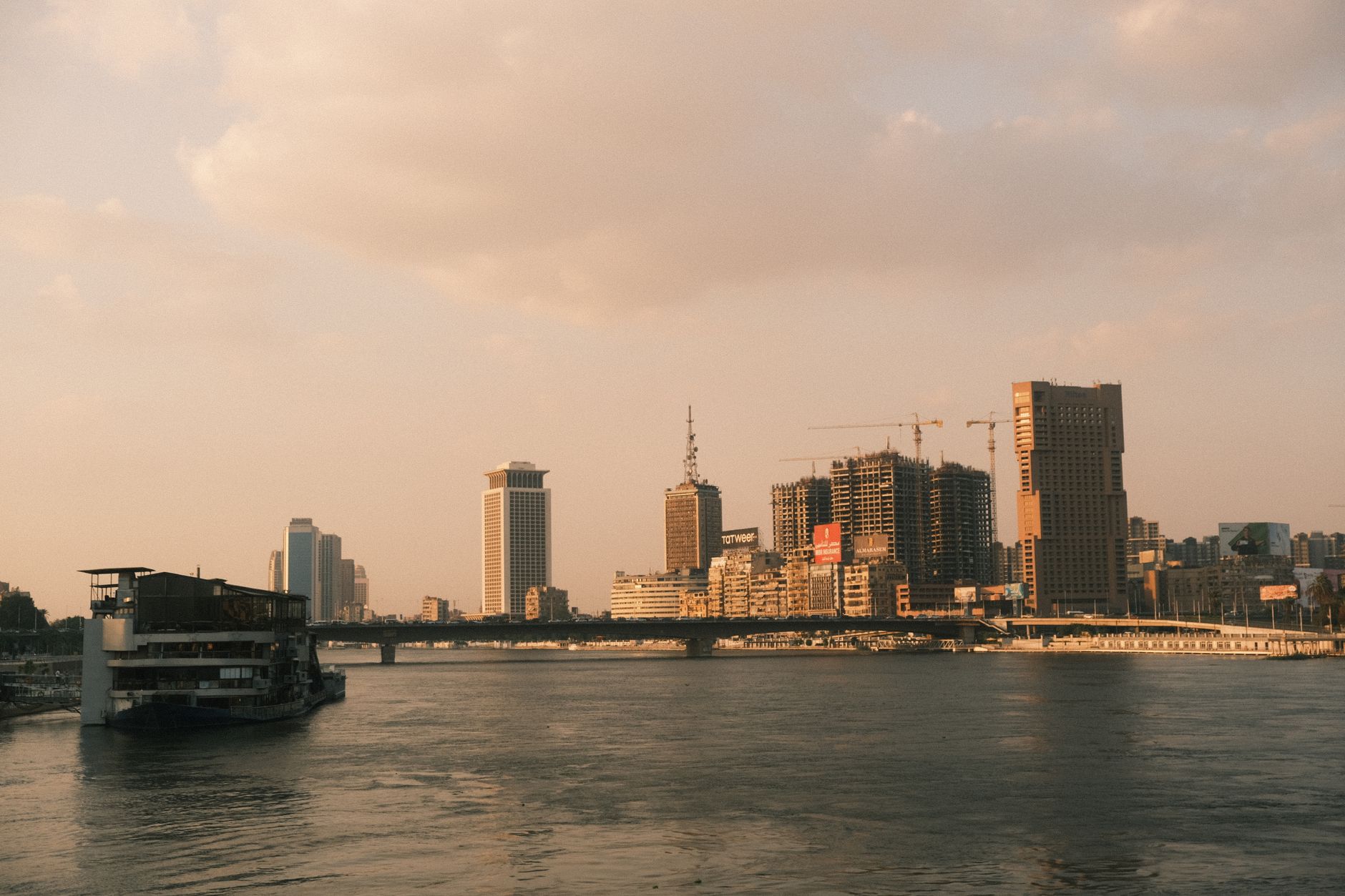
The numbers are absurd in the best way. Metropolitan Cairo holds somewhere north of 22 million people, which makes it the largest city in the Arab world and one of the densest, loudest, most alive places you’ll ever walk through. But you don’t come for the population stats. You come because the last surviving Wonder of the Ancient World sits on the city’s southwestern edge, close enough that you can watch the Great Pyramid catch the morning light over a hotel breakfast.
You come because the Grand Egyptian Museum finally opened in late 2025 after decades of delays, and it’s now the largest archaeological museum on the planet, holding the complete Tutankhamun collection of more than 5,000 objects under one roof for the first time. You come for medieval Islamic Cairo, a UNESCO World Heritage district where the call to prayer ricochets off thousand-year-old stone, and for Coptic Cairo, where some of the oldest churches in the world sit a short walk apart. And you come for the small stuff: sweet mint tea at a sidewalk café, a vendor flipping ta’ameya in a cart of hot oil, kids playing football in an alley while the light goes gold over the river.
It’s a demanding city. It will wear you out and occasionally test your patience. It’s also one of the most rewarding places on Earth if you arrive with a plan and a bit of patience. If this is your first trip to Egypt, our companion piece on essential tips and planning for first-time Cairo visitors covers the mindset and rookie mistakes in more depth than I can here.
When to go: the honest seasonal rundown
Cairo has a desert climate: blazing summers, mild winters, almost no rain ever. The month you choose changes your trip more than you’d think, mostly because of heat. Here’s the short version, with the trade-offs spelled out.
| Season | Daytime temps | What you’re trading |
|---|---|---|
| Winter (Dec–Feb) | 18–22°C / 64–72°F | Best weather, peak crowds and prices |
| Spring (Mar–May) | 24–32°C / 75–90°F | Pleasant, but Khamsin dust winds possible |
| Summer (Jun–Aug) | 34–40°C / 93–104°F | Brutal heat, but cheapest and emptiest |
| Autumn (Sep–Nov) | 22–30°C / 72–86°F | The sweet spot for most people |
Winter is peak season for a reason. Days hover around 18–22°C, perfect for tramping around the Giza plateau, and nights drop to 8–10°C, so bring a layer. The cost is crowds and higher room rates, especially over Christmas and New Year, when Zamalek and Giza hotels book out weeks ahead.
Spring is comfortable until the Khamsin arrives. These are hot, dust-laden winds off the Sahara that can blow in any time between March and May, dropping a brown haze over the city for a day or two. They’re not dangerous and they pass quickly, but they’ll flatten your pyramid photos. Summer is for the heat-tolerant and the budget-minded: 40°C afternoons are real, so you sightsee at dawn, hide indoors at midday, and come back out in the evening. Hotel rates fall hard and the sites empty out.
If you want my pick, it’s autumn, and specifically November. The Khamsin is done, the crowds have thinned from their summer-holiday peak, prices haven’t yet hit winter highs, and the days are warm without being punishing. For a deeper, month-by-month breakdown including humidity and the exact shoulder weeks worth targeting, see our full guide to the best time to visit Cairo, and if you want the granular climate detail, our Cairo weather by month breakdown lays out averages for every part of the year.
Visas and entry: what actually happens in 2026
Most travellers need a visa, and the good news is it’s simple. You have two routes, and as of 2026 they cost the same, so the only real difference is whether you’d rather sort it from your sofa or at the airport.
The e-Visa is the tidy option: apply online through the official Egyptian portal a week or so before you fly, and a single-entry visa runs about $30 USD (multiple-entry is around $65). The visa on arrival is just as easy for citizens of the US, UK, EU, Canada, Australia, New Zealand and many more — you buy a $30 visa sticker from the bank counters just before passport control, or, at Cairo airport since August 2026, a digital QR version for $36 by card, online in the week before you fly or at self-service kiosks at the airport. Note the price bump: visa on arrival rose from $25 to $30 on 1 March 2026, so older guides quoting $25 are out of date. Both options give you up to 30 days. Pay for the paper sticker in cash — US dollars are safest — or use the digital QR visa if you would rather pay by card.
Your passport needs at least six months’ validity beyond your entry date and one blank page for the sticker. Photocopy the data page and keep it separate from the original. On customs: you can bring in up to 200 cigarettes or 25 cigars and a litre of alcohol, but drones are banned without prior government permission, and exporting genuine antiquities is a serious offence — don’t let a Khan el-Khalili “ancient” trinket get you in trouble at the airport.
How many days do you actually need?
For the greatest hits — Pyramids, the museum, Islamic and Coptic Cairo, the bazaar, a Nile sunset — three full days does it. Add a fourth and a fifth and you can fold in Saqqara and Dahshur, slow down in Zamalek, and stop feeling like you’re racing a clock. I’d argue four nights is the comfortable minimum if Cairo is your only stop; three is fine if it’s one leg of a longer Egypt trip and you’re moving on to Luxor or the coast. We pressure-test every trip length, including the case for a longer stay, in our piece on how many days in Cairo is the right itinerary length.
Getting in from the airport
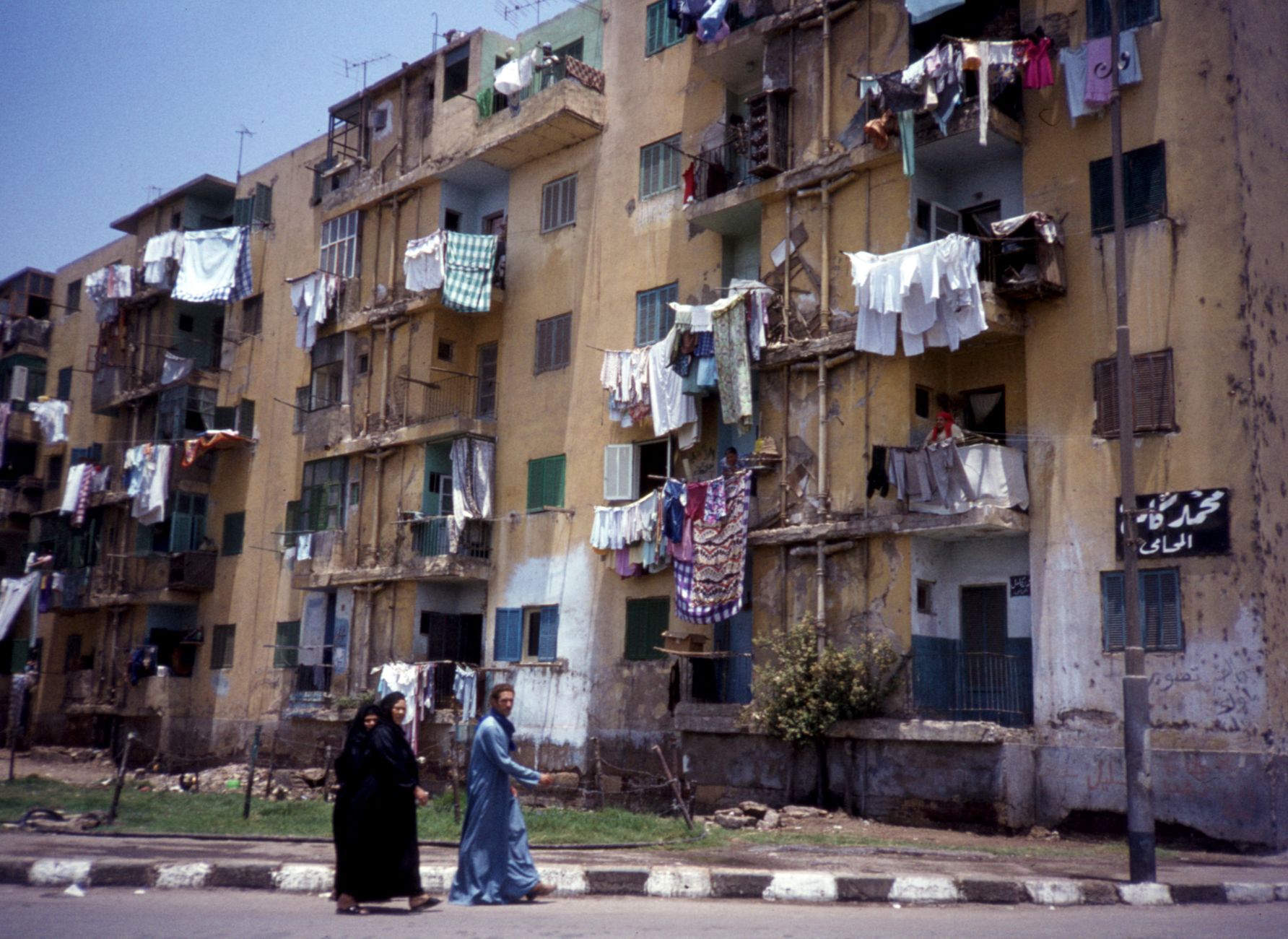
Cairo International Airport (CAI) is the main gateway and one of the busiest in Africa. It has three terminals — Terminal 2 handles most international arrivals, Terminal 3 covers EgyptAir and its Star Alliance partners. The airport sits about 22 km (14 miles) northeast of downtown, and depending on traffic that’s anywhere from 30 minutes to well over an hour. Traffic is not an exaggeration here; build in buffer time on your departure day too.
For getting to your hotel, ride-hailing is the path of least resistance. Uber and Careem both operate at the airport (Careem is the homegrown one, equally good), with upfront pricing and GPS so there’s nothing to haggle over. Expect roughly 150–300 EGP to downtown or Zamalek, which is a few dollars. One catch worth knowing: not every driver takes cards, so have some Egyptian pounds on you for the ride. Pickup is typically arranged at the departures level, and at busy times you may wait 10–15 minutes for a car.
If you’d rather take an official airport taxi, that’s fine too — just insist the meter is on, or agree a fixed price before you get in. A fair rate to downtown is around 250–400 EGP, though drivers will often open at 300–500 by claiming the meter’s broken. The Cairo Metro’s Line 3 now reaches the airport, and there’s a monorail being built out toward the New Administrative Capital, but for a jet-lagged first arrival, an app car door-to-door is the move.
One more thing about money on arrival: the ATMs in the airport give poor exchange rates, so pull out only what you need for the taxi and a tip, and get a better rate in the city. More on that below.
Where to base yourself
Neighbourhood choice matters more in Cairo than almost anywhere, purely because of distance and traffic. Pick the wrong base and you’ll lose two hours a day in a car. Here are the four areas worth considering, and our full where to stay in Cairo guide goes hotel-by-hotel if you want specific picks.
Zamalek — the easy first choice
On Gezira Island in the middle of the Nile, Zamalek is leafy, walkable and full of good restaurants, art galleries, boutique hotels and rooftop bars. English is widely spoken, the expat presence is strong, and it sits centrally with quick access to both downtown and the Giza side. For most first-timers, this is where I’d stay. At night it’s one of the city’s better social scenes without feeling chaotic.
Downtown (Wust el-Balad) — gritty and central
Downtown is the loud, Belle Époque heart of the city: faded grand buildings, sidewalk shisha cafés, constant motion. It has the widest range of budget rooms and hostels, the original Egyptian Museum on Tahrir Square, and transport links everywhere. It’s the most authentic base and the best value, with the caveat that it’s busier and solo female travellers sometimes report more street attention here than in Zamalek.
Giza — wake up to the Pyramids
If standing in front of the Great Pyramid is the whole point of your trip, sleeping in Giza puts you minutes from the gate, and a handful of hotels have terraces with genuine pyramid views. The trade-off is fewer restaurants and nightlife, and a longer slog to everything else in the city.
Garden City and Maadi — calm and upscale
Garden City sits on the Nile’s east bank near the centre and hosts some of Cairo’s grandest hotels, including the Four Seasons at Nile Plaza, while staying quieter than downtown. Maadi, further south, is a green expat suburb with excellent international dining — lovely to live in, but a haul from the main sights.
Getting around the city
Cairo traffic is its own weather system. But you have good options, and you rarely need to drive yourself (you absolutely should not drive yourself).
The Cairo Metro is the fastest, cheapest way to cross town. Three lines cover the major hubs, a single ride is roughly 8–12 EGP depending on distance, and the trains are clean, air-conditioned and run from about 5 AM to midnight. There are women-only carriages in the middle of each train during rush hour. The metro is brilliant for long north–south hops that would otherwise crawl in traffic.
Ride-hailing apps — Uber, Careem and DiDi — are the default for tourists, and for good reason: upfront fares, GPS, no negotiation. A 20-minute cross-town ride usually runs 60–120 EGP ($1–2). Pin your pickup carefully, because Cairo’s dense streets confuse drivers as much as passengers. Traditional black-and-white taxis are everywhere but rarely metered, so you’ll be negotiating; the newer white taxis are metered and more reliable, but honestly the apps beat both on price and stress. For the full rundown including the metro map, white-taxi etiquette and when each option wins, see our in-depth Cairo transport walkthrough.
As for walking: Cairo as a whole isn’t walkable — distances are big, pavements are uneven, and crossing a six-lane road feels like a video game at first. The trick locals use is to walk steadily and predictably so the traffic flows around you; hesitating or bolting is what causes trouble. Within specific districts, though — Zamalek, Islamic Cairo, the lanes around Khan el-Khalili — walking is exactly how you should explore.
The attractions you came for
Pyramids of Giza and the Sphinx
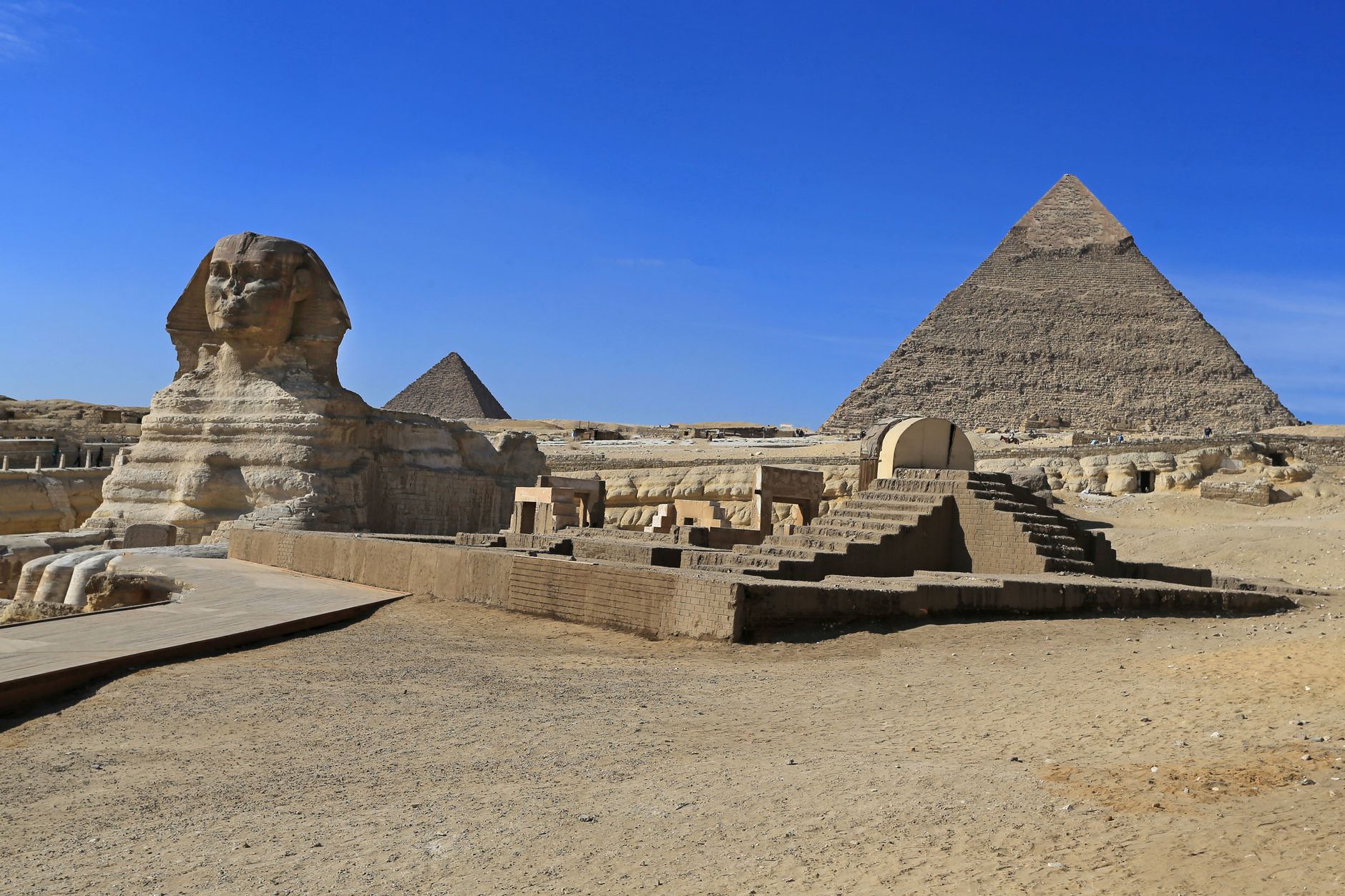
This is the one. The Giza plateau, on the city’s southwestern edge, holds the Great Pyramid of Khufu (oldest and largest of the original Seven Wonders), the pyramids of Khafre and Menkaure, and the Sphinx. Gates open around 8 AM and arriving at opening is the single best decision you’ll make — you beat both the tour-bus crowds and the worst of the heat. General admission to the plateau runs about 540–700 EGP for foreigners, with separate tickets to go inside a pyramid: roughly 400 EGP for the Great Pyramid (only around 300 of those sold per day, so go early), and about 100 EGP each for Khafre or Menkaure. A big 2026 change to know: nearly all Egyptian sites are now card-only at the gate, so bring a working Visa or Mastercard rather than relying on cash.
Budget three to four hours, and seriously consider a licensed guide — the history is what turns a pile of ancient stone into something that gives you chills. If you’re weighing camel rides (agree the price in writing first, and ignore anyone who tells you it’s “free”), the evening sound-and-light show (check it has reopened), or going inside, our dedicated Pyramids of Giza visitor guide covers tickets, timing and every scam to dodge.
The Grand Egyptian Museum and the Egyptian Museum
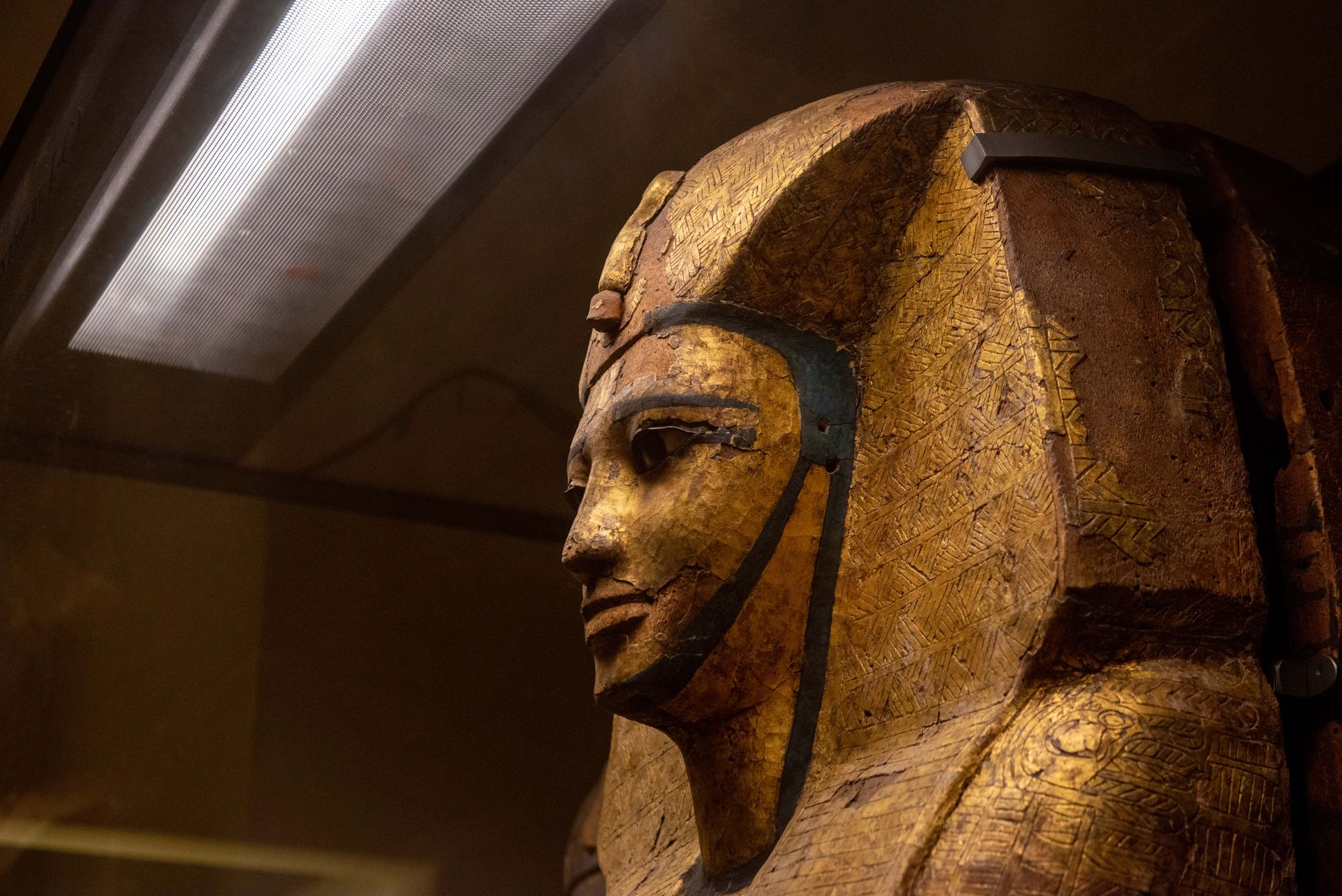
Two museums, two very different experiences. The Grand Egyptian Museum (GEM), two kilometres from the Pyramids, opened in late 2025 and is now the world’s largest archaeological museum — over 100,000 artifacts across 5,000 years, with the entire Tutankhamun collection (the golden mask included) displayed together for the first time. Tickets are foreigners-only-online through the official portal at visit-gem.com; on-site sales have stopped. Adult admission is around 1,450 EGP, with a price rise to roughly $35 scheduled for 1 November 2026, so factor that in if you’re travelling late in the year. The complex generally runs from morning until late evening, and you’ll want four to six hours to do it properly.
Meanwhile the original Egyptian Museum on Tahrir Square still holds tens of thousands of pieces and has a creaky, old-world charm the gleaming GEM doesn’t. It’s downtown and easy to combine with a city day. To plan which museums are worth your hours — and to fold in the Coptic Museum and the Museum of Islamic Art — our Cairo museums and cultural attractions guide maps it all out.
Islamic Cairo and Al-Muizz Street
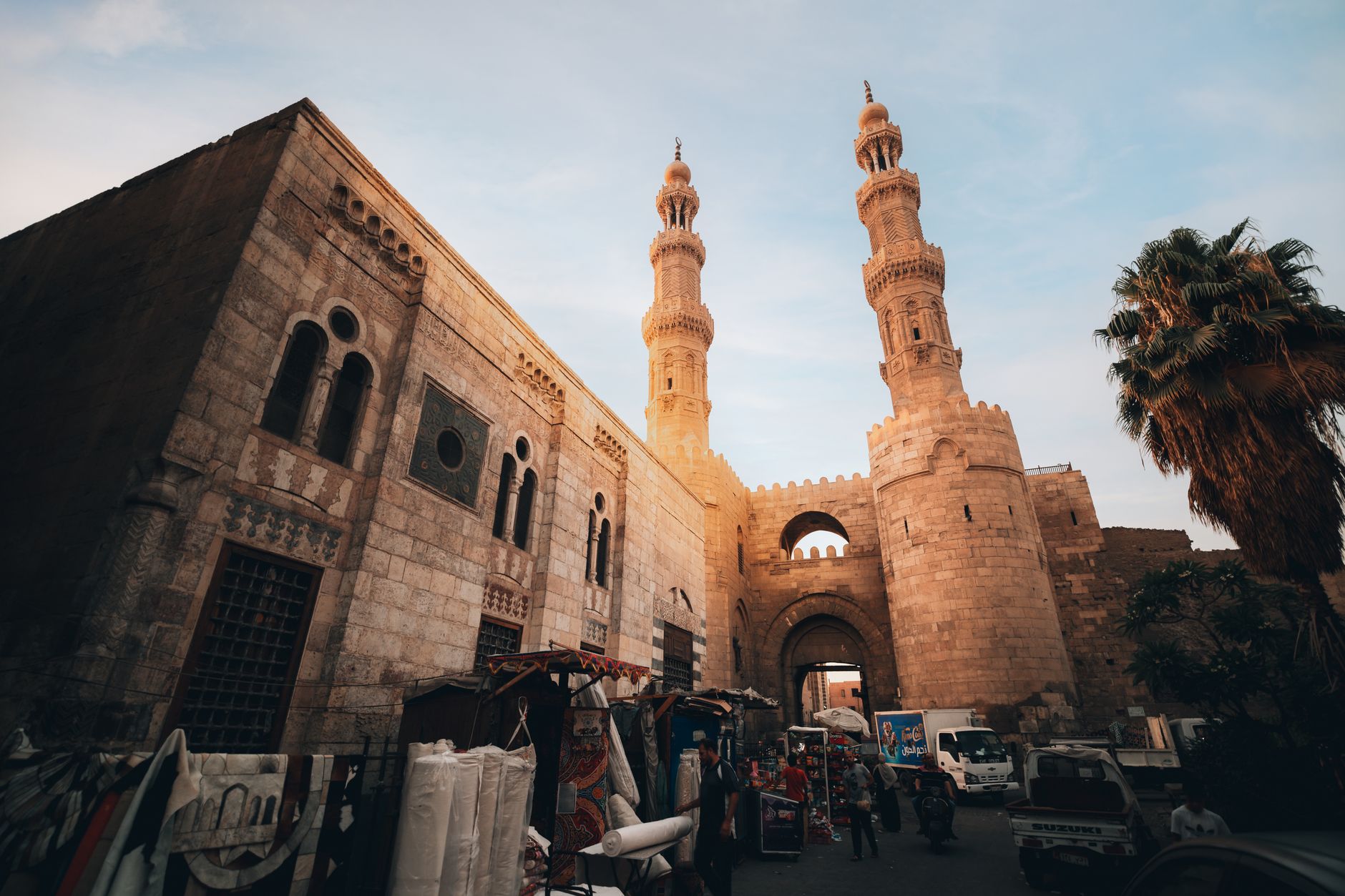
This is my favourite part of the city. Islamic Cairo is a UNESCO World Heritage district, and Al-Muizz Street — laid out in 969 AD — is its spine, lined with mosques, madrasas and ornate medieval façades. Hit the Al-Azhar Mosque (founded 970 AD, attached to one of the world’s oldest universities), the Sultan Hassan Mosque (peak Mamluk architecture), and the Citadel of Saladin, which gives you the best high view over the whole sprawl. Walking Al-Muizz from Bab Zuweila up to Bab al-Futuh takes two to three unhurried hours and is one of the great urban walks anywhere.
Khan el-Khalili bazaar
Right next to Al-Muizz, Khan el-Khalili has been a trading hub for more than 600 years. It sells everything: hand-blown glass lanterns, brass, spices, gold and silver, papyrus, textiles. Bargaining is the game — open at roughly 40–50% of the first asking price and work up from there. It’s at its best in the early evening when the lanterns flick on and the lanes fill. Take a tea-and-shisha break at El Fishawy, the café that’s been pouring continuously since 1773. For a strategy on what’s actually worth buying versus tourist tat, and which crafts are genuine, our guide to shopping in Cairo’s markets is the one to read first.
Coptic Cairo
In the old city’s south, Coptic Cairo is the historic centre of Egyptian Christianity, and it’s compact — two or three hours covers it. The Hanging Church (Al-Muallaqa) is built over a Roman gatehouse and dates to the third century; the Coptic Museum holds the world’s largest collection of Coptic art; and the Ben Ezra Synagogue sits a short walk away. It’s a quiet, deeply atmospheric contrast to the bazaar’s chaos.
The Nile
The river is the city’s spine and its release valve. The classic move is a felucca — a small wooden sailboat — at sunset; one to two hours costs around 200–400 EGP for the whole boat, and watching the skyline go pink from the water is worth every pound. For something more structured, dinner cruises lay on buffets, live music and belly dancing. The Corniche along the east bank is a fine evening stroll too. We round up the lot, from quiet feluccas to the big floating restaurants, in our piece on Cairo’s Nile River experiences.
What to eat
Egyptian food is hearty, cheap and genuinely delicious, and Cairo is the best place in the country to eat it. A few you can’t skip:
- Koshari — the national dish: rice, lentils, macaroni, chickpeas and crispy onions under a tangy tomato-vinegar sauce. Filling, dirt cheap, everywhere. Abu Tarek downtown is the famous name.
- Ful medames — slow-cooked fava beans with cumin, lemon, oil and garlic, the quintessential Egyptian breakfast, mopped up with warm baladi bread.
- Ta’ameya — Egyptian falafel, made from fava beans not chickpeas, green inside and herbier than its Levantine cousins.
- Molokhia — a thick green soup of jute leaves with garlic and coriander, served over rice with chicken or rabbit. The texture surprises people; Egyptians adore it.
- Desserts — Om Ali (warm bread pudding), kunafa (syrup-soaked shredded pastry with cream or cheese), and basbousa (semolina cake).
For sit-down Egyptian grill, Felfela and Abou El Sid are reliable. But honestly, some of the best meals are from a cart. Just pick the stalls with a queue of locals — high turnover means fresh food. Our full breakdown of the city’s food scene goes deep on dishes, restaurants and the street-food spots worth seeking out.
Money, budget and tipping
The currency is the Egyptian Pound (EGP). In early 2026 the rate sits around 50–53 EGP to the dollar, though it moves. Change money at banks or licensed exchange offices (“sarafa”), not at hotels, which give worse rates. ATMs are common in malls and tourist areas, and Visa/Mastercard work at most mid-range and upscale places — and increasingly you’ll need a card, since many attractions went card-only in 2026. Still, carry cash for street food, taxis, the souq and tips. One rule that saves money: at any ATM or card terminal, always choose to be charged in Egyptian Pounds, never your home currency, to dodge the rip-off dynamic-conversion fee.
Rough daily budgets: a budget traveller on hostels, street food and the metro spends about $30–60 USD a day; a mid-range trip with a three- or four-star hotel, restaurant meals and Uber everywhere runs $100–200; luxury — five-star Nile-view hotels, private guides, fine dining — starts around $300 and still feels like a bargain next to Europe.
Tipping (baksheesh) is woven into daily life and expected almost everywhere. Restaurants: 10–15% (check if service is already added). Tour guides: roughly 300–400 EGP for a full day; drivers 150–250 EGP. For small services — a bag carry, a mosque attendant who shows you around — 10–20 EGP is right. Keep a stash of small notes; it makes everything smoother. For a full cost breakdown by trip style, our guide to tipping, fares and daily spend has the detailed math.
Is Cairo safe?
Broadly, yes. Violent crime against tourists is rare and Egyptians are overwhelmingly warm to visitors. The real risks are the unglamorous ones. Overcharging and small scams are the most common annoyance — inflated taxi quotes (use the apps), sky-high opening prices in the souq (bargain), and self-appointed “guides” who latch on at the Pyramids and then demand cash. A firm, friendly “la, shukran” (no, thank you) handles most of it. Pickpocketing happens in crowds — Khan el-Khalili, the metro at rush hour — so keep valuables in a front pocket. Traffic is genuinely the biggest physical danger; Egypt has a high road-fatality rate, which is one more reason not to drive yourself.
It’s worth reading the detail rather than winging it, especially the current picture, which we keep updated in our 2026 Cairo safety and security guide. Solo travellers and women in particular will get more from our targeted advice in the Cairo solo traveller safety guide, which covers neighbourhoods, harassment and the practical stuff candidly. And don’t skip insurance — a good policy covering medical care and trip disruption is cheap peace of mind; our Cairo travel insurance guide walks through what coverage actually matters here.
Etiquette, health and the practical bits
A few things that make the trip smoother:
- Don’t drink the tap water. Bottled is cheap and everywhere; use it even for brushing your teeth.
- Dress modestly — loose, lightweight clothing covering shoulders and knees both respects local norms and protects you from the sun. Women cover their hair in mosques (scarves are usually available at the door), and everyone removes shoes before entering.
- Sun is no joke from March to October. High-SPF sunscreen, a wide-brimmed hat, sunglasses, and water on you at all times.
- Get a local SIM. Vodafone, Orange and Etisalat all sell tourist packages from around 200–300 EGP a month with plenty of data — bring your passport, it’s required to register. You’ll want the data for maps and ride-hailing.
- Ramadan shifts each year on the lunar calendar; if you visit during it, avoid eating, drinking or smoking in public during daylight out of respect for those fasting.
- Photography rules: never photograph military sites, police, government buildings or certain bridges — it can mean detention. When in doubt, ask.
A few Arabic phrases go a long way: “salaam alaikum” (a universal greeting), “shukran” (thank you), “bikam?” (how much?), “mumkin al-hisab?” (can I have the bill?). For the full cultural picture — gestures, gender norms, mosque etiquette and the unwritten rules — our guide to fitting in around Cairo is worth ten minutes before you go. Travellers with mobility needs should also look at our Cairo accessibility guide for travelling with disabilities, since the city’s uneven streets and older sites need some forward planning.
A sample itinerary
Here’s a three-day skeleton that hits the essentials without burning you out, plus two add-on days.
Day 1 — Pyramids and the museum. Be at the Giza plateau for opening, give it three to four hours, lunch near the gate, then the Grand Egyptian Museum in the afternoon. Cap it with a sunset felucca on the Nile.
Day 2 — Islamic Cairo. Walk Al-Muizz Street, see the Sultan Hassan and Al-Azhar mosques, climb to the Citadel for the view, then get lost in Khan el-Khalili as the lanterns come on. Dinner and shisha at a local spot.
Day 3 — Coptic Cairo and downtown. Morning in Coptic Cairo (Hanging Church, Coptic Museum, Ben Ezra Synagogue), afternoon around Tahrir, the bookshops on Talaat Harb Street, and an old café like Riche or Groppi. A farewell Nile dinner cruise if you’ve the energy.
Day 4 — Saqqara and Dahshur. Day trip to the Step Pyramid of Djoser (the oldest stone monument on Earth) and the Bent and Red Pyramids at Dahshur, which you can often explore nearly alone. Swing by Memphis for the fallen colossus of Ramesses II.
Day 5 — Zamalek and Al-Azhar Park. A slow day: the Cairo Opera House, neighbourhood galleries and boutiques, a long brunch, then Al-Azhar Park in the late afternoon for green space and a postcard view over Islamic Cairo. If you’d rather swap a day for something different, our roundup of the best things to do in Cairo has dozens more ideas, and our day trips from Cairo guide covers Alexandria, Fayoum and beyond.
Before you fly: a quick checklist
Pack light, breathable, modest clothing, comfortable shoes with grip (the streets and sites are uneven and dusty), a light scarf that doubles for mosque visits and sun, high-SPF sunscreen, a hat, sunglasses, a refillable water bottle, a money belt, a Type C two-pin European plug adapter, and a power bank. If you’re heading into the desert beyond the city, add a buff for dust. For the complete, room-by-room version so you forget nothing, run through our Cairo travel checklist of what to prepare before you go.
Frequently asked questions
How many days do you need in Cairo?
Three full days covers the headline sights — Pyramids, the museum, Islamic and Coptic Cairo, the bazaar and a Nile sunset. Four or five lets you add Saqqara, slow down, and breathe. Fewer than three and you’ll be rushing.
Do I need a visa for Egypt, and how much is it?
Most nationalities do. As of 2026, both the online e-Visa and visa on arrival cost about $30 USD for single entry (the airport price rose from $25 on 1 March 2026). The e-Visa is applied for online before you fly; the visa on arrival is bought at the airport before passport control, as a paper sticker from the bank counters or, at Cairo since August 2026, as a $36 digital QR code paid by card. Both allow up to 30 days.
How much does it cost to visit the Pyramids of Giza in 2026?
General admission to the Giza plateau is roughly 540–700 EGP for foreign adults. Going inside a pyramid costs extra: about 400 EGP for the Great Pyramid (limited daily tickets) and around 100 EGP each for Khafre or Menkaure. Most sites are now card-only, so bring a Visa or Mastercard.
Is the Grand Egyptian Museum open, and how do I get tickets?
Yes — the GEM opened in late 2025 and is fully open. Foreign visitors must buy tickets online in advance at the official portal (visit-gem.com); there are no on-site sales. Adult admission is around 1,450 EGP, with a planned increase to about $35 from 1 November 2026.
What’s the best way to get from Cairo airport to the city?
Uber or Careem, for upfront pricing and no haggling — expect roughly 150–300 EGP to downtown or Zamalek. Carry some cash, as not all drivers take cards. Official metered taxis work too if you confirm the meter or agree a price first.
Is Cairo safe for tourists?
Generally yes, with normal big-city caution. The main issues are overcharging, minor scams and pickpocketing in crowds, not violent crime. Traffic is the real physical risk, so don’t drive yourself. For the current detailed picture, see our 2026 safety guide.
When is the best time to visit Cairo?
Autumn (September–November) and winter (December–February) are the most comfortable. November is a standout: warm days, low dust, manageable crowds, pre-peak prices. Summer is brutally hot but cheapest; spring can bring Khamsin dust winds.
Can I drink the tap water in Cairo?
No. Stick to bottled water, including for brushing teeth. It’s inexpensive and sold everywhere.
Plan your trip in depth
This guide is the overview; these are the deep dives. Bookmark the ones that match your trip:
- First Time Visiting Cairo: Essential Tips & Planning
- Best Time to Visit Cairo: Weather & Season Guide
- How Many Days in Cairo: Perfect Itinerary Length
- Pyramids of Giza Complete Visitor Guide
- Cairo Museums and Cultural Attractions Guide
- Where to Stay in Cairo: Best Hotels and Neighborhoods
- Cairo Egyptian Food Guide
- Getting Around Cairo: Transportation Guide
- Cairo Budget and Money Guide
- Is Cairo Safe for Tourists? 2026 Security Guide
- Cairo Travel FAQ: Answers to Your Top Questions
Cairo rewards the prepared. Sort your timing, lock in a smart base, keep small notes for baksheesh, and let the rest of the city surprise you — because it will. The Pyramids at opening, koshari from a cart, a felucca as the call to prayer drifts across the river: that’s the trip you came for.
If you already know roughly how long you have, skip straight to the plan. Our Cairo itinerary hub sets out what one, two, three, four, five, seven, ten and fourteen days can realistically hold, with the honest verdict on what to leave out at each length.