This article contains advertising. Our booking links are routed through a partner that adds commission tracking automatically, so if you book through one we earn a commission from the provider, at no extra cost to you. It never affects what we recommend. Affiliate disclosure
Cairo money exchange and currency tips: Egypt’s currency is the Egyptian Pound (£E or EGP), with the exchange rate at around 55 EGP = $1 USD in late October 2026 (rates fluctuate). The single most important rule: compare before you hand over cash. Check the posted rate at an airport or hotel desk against what an ATM withdrawal would cost you after your card’s fees. Bring some USD cash as backup, expect to use cash for most transactions (souks, taxis, street food), and don’t rely on credit cards outside of hotels, malls, and major restaurants. This guide covers everything: where to exchange, ATM strategy, tipping cash, and avoiding the common currency scams that target tourists.
Rates, ATMs, cash strategy and where plastic actually works: this Cairo money exchange and currency guide is current for 2026, and it reads alongside our wider look at Cairo travel costs, the answers to the questions visitors ask most, and a primer for first-time arrivals.
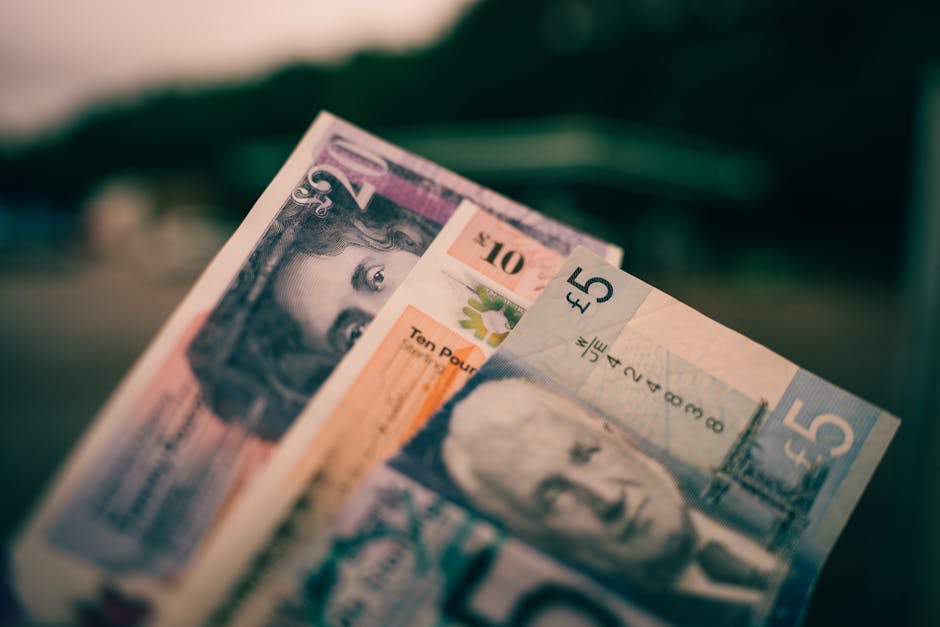
Egyptian Currency Basics
- Currency: Egyptian Pound (EGP or £E)
- Subdivisions: 100 piastres = 1 pound (piastres rarely used today)
- Banknotes: £E 1, 5, 10, 20, 50, 100, 200, plus 25 and 50 piastre notes (the small notes are not being newly printed)
- Coins: 25 piastres, 50 piastres, £E 1
- Late-October 2026 rate (approx): ~55 EGP = $1 USD (fluctuates)
- Inflation: Egyptian Pound has steadily devalued; check current rates
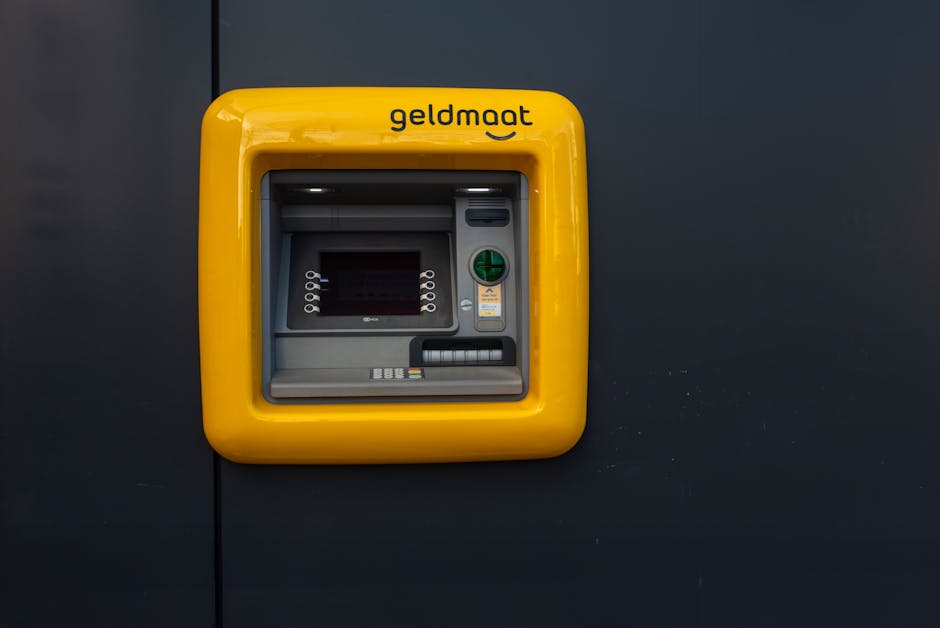
Best Way to Get Egyptian Pounds
Best: ATMs
ATM withdrawals offer the best rate (closest to interbank rate) and minimal fees.
- Best ATMs: National Bank of Egypt, Banque Misr, HSBC, CIB
- Daily limit: Set by your bank and the ATM’s operator, so check your card issuer’s limit and charges before you travel
- Fees: Your bank ~$3-5 + Egyptian bank ~£E 30-50
- Where: Airports, banks, malls, hotels
Good: Bank Exchange
Banks offer competitive rates with paperwork.
Acceptable: Currency Exchange Shops
Independent currency exchanges in tourist areas. Rates vary; compare.
Avoid: Airport Exchange Booths
Compare the posted cash rate with what your card would give you at an ATM after fees before you change money here.
Avoid: Hotel Exchange Desks
Worst rates anywhere; use only as emergency.
Cash Strategy for Cairo
- Daily cash needs: £E 500-1,500 (~$15-50) depending on style
- Withdraw weekly: Avoid carrying too much cash
- Carry small denominations: Hard to get change for £E 200 from street vendors
- Always have backup: Keep some USD cash separate
- Hotel safe: Store passport, extra cash there
- Money belt: Useful for crowded markets
That £E 500 to £E 1,500 a day only means something once you know what the rest of the trip costs, which is laid out in our breakdown of what a week in Cairo actually costs.
Where Cash Is Essential
- Souks (Khan el-Khalili, Al-Muizz Street)
- Street food vendors
- Traditional taxis
- Tip jars (baksheesh)
- Small restaurants
- Mosque/church donations
- Public transport
- Small shops
Khan el-Khalili and Al-Muizz Street run on notes because nothing there has a fixed price, and our guide to how haggling works in the souks covers the rhythm of that exchange.
Where Credit Cards Are Accepted
- Upscale hotels
- Major mall stores (Citystars, Cairo Festival City)
- International restaurant chains
- Most upscale Cairo restaurants
- Pharmacies
- Major supermarkets
- Careem (card or cash in the app)
USD vs EGP at Tourist Sites
Some merchants accept USD or quote prices in dollars:
- Pyramids ticket office: Both EGP and USD accepted
- Egyptian Museum: Both accepted
- Tourist shops: Some quote USD (markup)
- Best practice: Always pay in EGP for better rates
The same dollar markup appears in tourist gold shops, where the price should track the daily gram rate rather than the label, as our guide to buying gold by weight in Cairo explains.
Common Currency Scams
1. Bad Exchange Rates
Vendor quotes a dollar rate well below the real one. Verdict: Know current rate; insist EGP only. The Cairo money exchange approach proves invaluable for planning any Cairo itinerary.
2. Counterfeit Notes
Rare but possible. Verdict: Check banknotes feel/look right; ATMs safest.
3. The Wrong Change
Receive less change than expected. Verdict: Count carefully before leaving counter.
4. The “I Can’t Make Change” Excuse
Vendor insists on rounded up payment. Verdict: Bring small denominations.
5. ATM Skimming
Rare but possible at unsecured ATMs. Verdict: Use bank-attached ATMs.
Tipping Culture (Baksheesh)
Cairo runs on tips. See our full what baksheesh means in practice for details. Quick rules:
- Restaurants: 10-15%
- Hotel staff: £E 10-50 per service
- Taxis: Round up + £E 10-20
- Bathroom attendants: £E 5-10
- Tour guides: $5-20/day
- Drivers: $5-15/day
- Camel/horse rides: Always negotiate, then tip 10-20%
Rounding up plus £E 10 to £E 20 assumes the fare itself was fair to begin with, a separate skill covered in our notes on fares and etiquette in Cairo taxis.
Cairo Money Exchange FAQ
What’s the Egyptian currency?
Egyptian Pound (EGP or £E). 100 piastres = 1 pound.
Where do I get the best exchange rate?
ATMs — closest to interbank rate, minimal fees.
Are credit cards accepted?
At hotels, malls, major restaurants yes. Cash for souks, street food, taxis.
Should I bring USD?
Yes — keep $100-200 as backup; exchange small amounts.
How much cash should I carry daily?
£E 500-1,500 ($15-50) for typical day.
Are ATMs available?
Yes — at airports, banks, malls, hotels.
What’s the ATM withdrawal limit?
It depends on your bank and the ATM’s operator, so check your card issuer’s limit and charges before you travel.
Can I use my US debit card?
Yes — at major ATMs (notify bank of travel first).
Is it safe to carry cash?
Generally yes — use money belt; don’t display.
Should I tip in USD or EGP?
EGP preferred; USD accepted but inconvenient for recipient.
What if I run out of cash on weekend?
ATMs are available 24/7. Some bank branches also open on Fridays and Saturdays, so check the specific branch before you go.
Are credit cards safe to use?
Generally yes at established merchants. Avoid using at small shops.
Should I exchange at home before flying?
No — Cairo ATMs offer better rates.
What’s the smallest banknote?
The 25 piastre note, then the 50 piastre note; the Central Bank still lists both, though the small notes are not being newly printed. Coins of the same values exist too.
Can I leave with leftover EGP?
Yes — small amounts; exchange remaining at airport before departure for worst rate or keep as souvenir. The Cairo money exchange approach proves invaluable for planning any Cairo itinerary.
Pulling It Together
Cairo money exchange and currency tips boil down to: use ATMs (best rates), carry cash for daily needs (souks, food, transport), bring USD backup (~$100-200), pay everything in Egyptian pounds, expect to tip (baksheesh culture), and use credit cards only at hotels and major establishments. Avoid airport currency exchanges and hotel exchange desks (worst rates). With these basics, you’ll navigate Egypt’s cash-based economy smoothly and at fair value.
Once the money side is settled, timing becomes the next variable: see how Cairo’s temperatures shift month to month, then decide which season suits your trip best. Travellers with mobility needs should add our notes on getting around with limited mobility.