This article contains advertising. Our booking links are routed through a partner that adds commission tracking automatically, so if you book through one we earn a commission from the provider, at no extra cost to you. It never affects what we recommend. Affiliate disclosure
Mokattam Garbage City Cairo — officially called Manshiyat Naser — is the home of the Zabbaleen, an extraordinary community of about 50,000–70,000 mostly Coptic Christian recyclers who process roughly one-third of Cairo’s 22 million-resident waste output. Behind the unforgettable streetscapes of garbage bags piled along narrow alleys lies one of the most efficient recycling operations on earth — the Zabbaleen recycle 80–90% of the waste they collect, compared to about 40% in most Western countries. The community is also home to the Cave Church of St. Simon the Tanner, the largest Christian cathedral in the Middle East, carved directly into the limestone cliffs of the Mokattam Hills with seating for 20,000 worshippers.
Our full 2026 account of Mokattam Garbage City Cairo covers the settlement’s history, the Zabbaleen recycling economy, the Cave Church carved into the cliff face, and how to visit without treating people’s homes as a spectacle. It sits with our collection of Cairo’s stranger and quieter corners, leans on our guide to the city’s museums and cultural sites, and rounds out the standard list of Cairo attractions.
What Is Mokattam Garbage City?
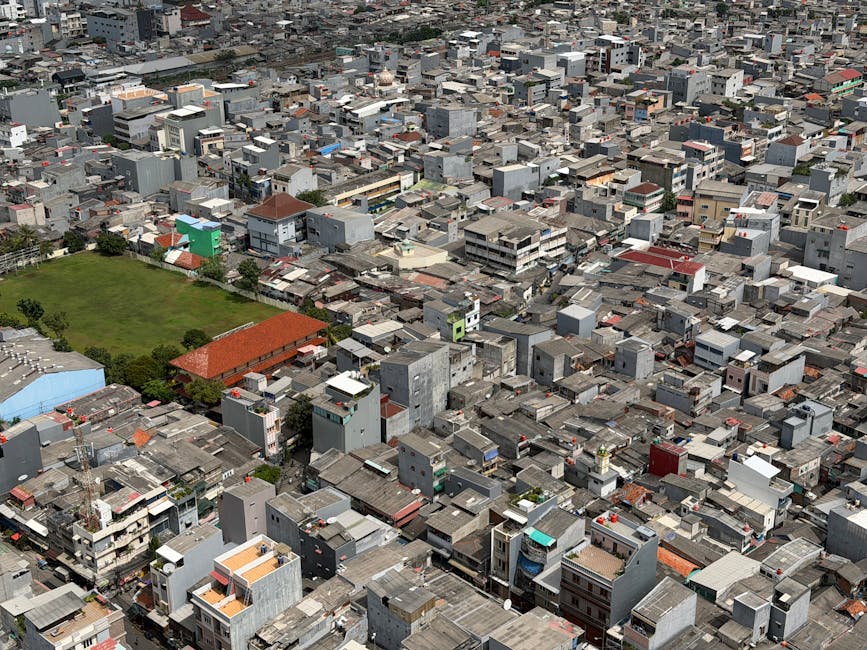
Manshiyat Naser is a neighborhood at the foot of the Mokattam Hills on the southeastern edge of Cairo, home to the Zabbaleen (“garbage people”) community. The neighborhood functions as the city’s primary informal waste recycling center. Key facts: The Mokattam Garbage City experience continues to be one of the most rewarding parts of any Cairo itinerary.
- Population: ~50,000–70,000 Zabbaleen residents (mostly Coptic Christian)
- Processes: ~14,000 tons of Cairo waste daily
- Recycling rate: 80–90% (vs ~40% in most developed countries)
- Home to: Cave Church of St. Simon (the largest church in the Middle East)
- Location: Southeast Cairo, at the foot of the Mokattam Hills

The History of the Zabbaleen Community
The Zabbaleen origin story is one of forced migration and remarkable resilience:
1910s — The First Wahiya Settlement
Garbage collection in Cairo began around 1910 when a Muslim community from the Dahkla area, known as the Wahiya, moved to Cairo and began collecting household waste for small fees. The Mokattam Garbage City experience continues to be one of the most rewarding parts of any Cairo itinerary.
1940s — Coptic Migration from Upper Egypt
Coptic Christian farmers from southern Egypt (Upper Egypt) began migrating north to Cairo, fleeing poor harvests, drought, and rural poverty. Many had no urban skills but could keep pigs — useful for processing organic waste. The Mokattam Garbage City experience continues to be one of the most rewarding parts of any Cairo itinerary.
1970 — Forced Move to Mokattam
After the Zabbaleen settled in Giza, the government gave them a four-day eviction notice. They relocated to an abandoned quarry at the foot of the Mokattam Hills.
1974–1975 — The Cave Church Founded
A massive cave was discovered in the limestone hills above the settlement. The community began carving the Cave Church, which became central to Coptic Zabbaleen identity. With this religious anchor, permanent housing replaced makeshift huts.
1970s–2000s — Recycling Specialization
The Zabbaleen developed an extraordinarily sophisticated, decentralized recycling economy — household-by-household collection, hand-sorting, processing, and resale of plastic, metal, paper, and organic waste.
2009 — The Swine Flu Cull and Crisis
During the H1N1 swine flu panic, the Egyptian government ordered the culling of all 300,000+ Zabbaleen pigs, devastating the organic waste processing chain. The community has slowly rebuilt around mechanical organics processing.
2010s–2020s — Tourism and Restoration
The Cave Church and Zabbaleen recycling operations have become major (if controversial) tourist attractions. Documentary films, NGO partnerships, and tour companies have brought international attention.
The Coptic families who came down from Upper Egypt in the 1940s carried a faith considerably older than the neighbourhood they built, and the museum tracing that Christian lineage sits a few kilometres away in Old Cairo.
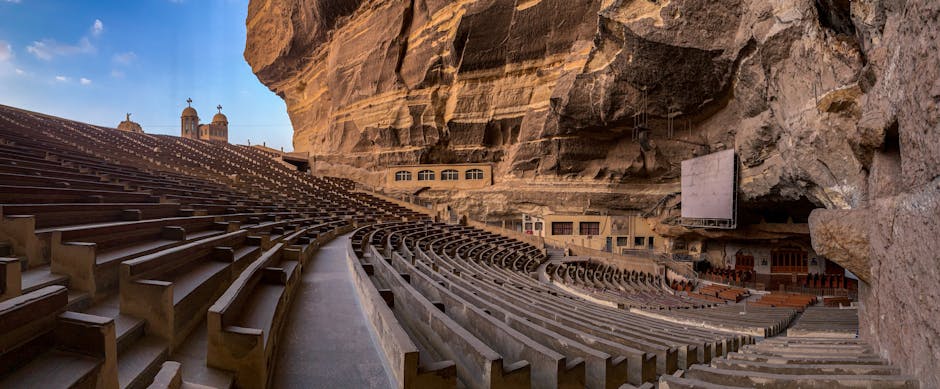
The Cave Church of St. Simon the Tanner
The Cave Church complex is the centerpiece of Mokattam Garbage City and the largest Christian church in the Middle East. Key features:
- Seating capacity: 20,000 — the largest in the Middle East
- Construction: Carved directly into limestone Mokattam Hills
- Complex: Seven cave churches at different elevations
- Main cathedral: Amphitheater design with stage and rock-cut seating
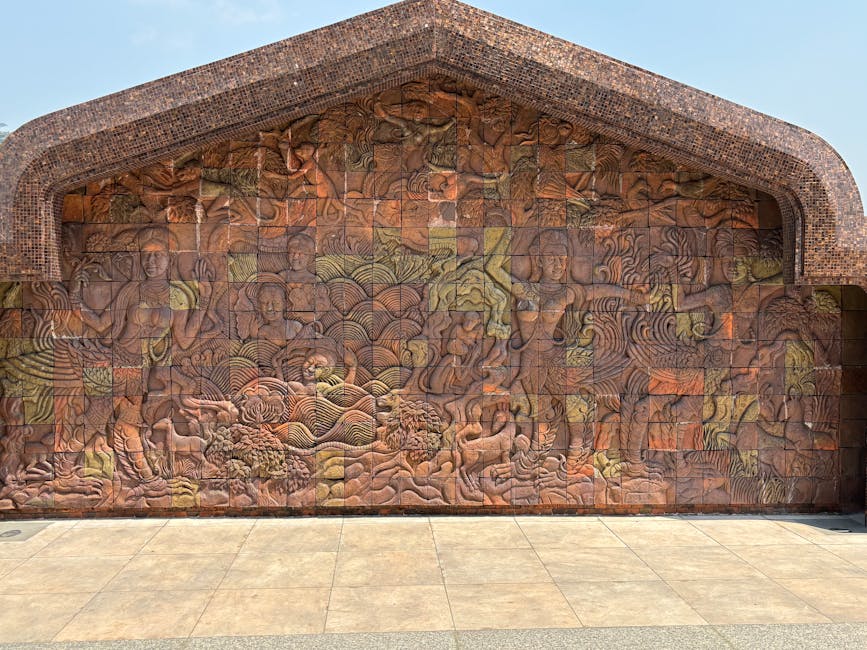
- Decoration: Massive Polish artist Mario relief carvings depicting Biblical scenes
- St. Simon legend: 10th-century Coptic saint said to have moved the Mokattam Mountain through prayer
- Established: 1975 (cave discovered 1974)
If a cathedral cut straight into limestone leaves you curious about where Egypt’s monastic tradition began, the desert houses covered in our day trip to the Wadi Natrun monasteries lie out along the Alexandria desert road.
A 20,000-seat cathedral cut into a cliff is one half of Cairo’s religious story; the other sits ten centuries deep in the medieval city at the mosque that became a university.
How the Zabbaleen Recycling System Works
- Door-to-door collection: Zabbaleen collect garbage from homes across greater Cairo for small fees
- Transport to Mokattam: Pick-up trucks haul to Manshiyat Naser
- Family sorting: Entire family units sort waste by type — plastic, paper, metal, glass, organic
- Type-specific processing: Plastics shredded, washed, melted; metals weighed, sold; paper bundled
- Resale: Recyclables sold to manufacturers/middlemen; organic waste fed to pigs (historically) or composted
- Net recycling rate: 80–90% of incoming waste
Visiting Mokattam Garbage City Responsibly
Visiting Mokattam Garbage City requires sensitivity, respect, and ideally a guide. Important guidelines:
- Always go with a guide: Local guides know which areas are appropriate for visitors, can introduce you to recycling families, and translate
- Dress modestly: This is a religious community with conservative norms
- Ask permission before photographing people: Especially women and children
- Don’t photograph trash piles unnecessarily: Focus on architecture, the Cave Church, and willing subjects
- Tip your guide generously: They often direct fees back to community projects
- Don’t be voyeuristic: Remember this is a living community, not a tourist attraction
- Buy from artisans: Some recycled-material handicrafts are sold; supporting local entrepreneurs helps
Tours to Mokattam Garbage City
Several Cairo tour operators offer half-day Mokattam tours:
- Cave Church visit: Always included
- Recycling workshop visit: Highly recommended — shows process up close
- Community walkthrough: Optional with sensitive guide
- Combined with City of the Dead: Some tours combine with the City of the Dead for “alternative Cairo” experience
- Typical price: $25–60 per person depending on group size
What to See in Mokattam Garbage City
- Cave Church of St. Simon — main 20,000-seat cathedral
- The seven cave churches at different elevations
- Mario Bigatti reliefs — massive Biblical scenes carved into limestone
- The amphitheater — stunning natural acoustics
- Mountain views overlooking all of Cairo
- Recycling workshops — see plastic, paper, metal sorting in action
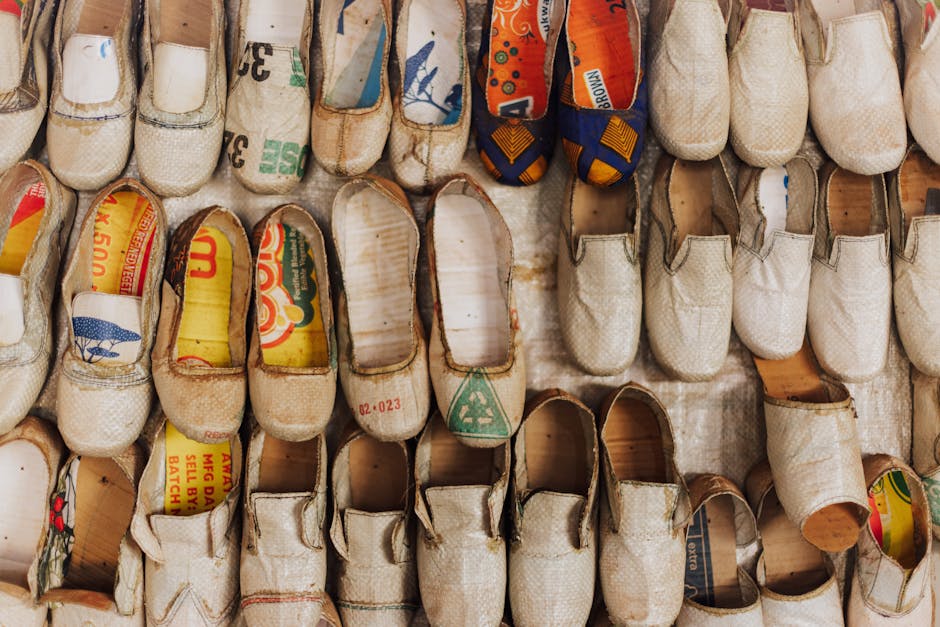
- Hand-made crafts from recycled materials
- Local cafes — Coptic Christian coffee houses
- Souvenir shops selling recycled-material crafts
Those mountain views look out over the same escarpment the medieval city fortified centuries earlier, and Saladin’s fortress on the ridge holds the other half of that panorama a short drive away.
How to Get to Mokattam Garbage City
- Location: Manshiyat Naser, southeast Cairo at the base of Mokattam Hills
- By taxi/Uber/Careem: 25–40 min from central Cairo
- Travel cost: ~100–150 EGP one-way
- By tour: Pickup usually included
- Public transport: Possible but not recommended for tourists
Photography in Mokattam Garbage City
- The Cave Church is dramatic and well-suited for photography
- The Mario reliefs are spectacular subjects
- The recycling workshops are visually striking
- Always ask permission before photographing people
- Avoid focusing on trash piles as “exoticism”
- Wide-angle lenses work well in the cave
- Tripods allowed in the church
Best Time to Visit Mokattam Garbage City
- Morning: Recycling activity peaks; best for community visits
- Friday morning: Mass at the Cave Church (a unique experience for non-Muslim visitors)
- Sunday morning: Coptic Sunday service at Cave Church
- Avoid: Friday/Saturday afternoons (most active community time, less appropriate for tourists)
Mokattam Garbage City FAQ
What is Mokattam Garbage City?
The Manshiyat Naser neighborhood at the base of the Mokattam Hills, where the Zabbaleen community recycles Cairo’s waste.
Who are the Zabbaleen?
An informal community of ~50,000–70,000 mostly Coptic Christians who specialize in recycling Cairo’s household waste.
What’s the Cave Church?
St. Simon the Tanner’s Cave Church — the largest Christian cathedral in the Middle East, with seating for 20,000.
Is it safe to visit?
Yes — but go with a guide for cultural sensitivity and orientation.
What’s the recycling rate?
The Zabbaleen recycle 80–90% of incoming waste — among the highest rates anywhere.
Can I visit on my own?
Possible but not recommended. Guides provide essential cultural context and respectful access.
How much does a tour cost?
$25–60 per person for a half-day tour with the Cave Church and recycling workshop visits.
What should I wear?
Modest, conservative clothing — long pants/sleeves, closed-toe shoes.
Can I photograph people?
Always ask first, especially women and children.
Why is the area still informal?
The Zabbaleen never received formal land tenure from the government, even after 50+ years of residence.
Is the area smelly?
Yes — particularly during sorting hours. This is part of the experience but worth knowing.
Can I buy souvenirs?
Yes — some recycled-material handicrafts (bags, jewelry, paper goods) are sold locally and supporting these helps the community.
What’s the religious makeup?
Predominantly Coptic Christian, with some Muslim Wahiya families. The community is unusually Christian for Egypt.
Can I combine with other Cairo sights?
Yes — many tours combine Mokattam with the Citadel, City of the Dead, or Islamic Cairo.
Pulling It Together
The Mokattam Garbage City Cairo experience is one of the city’s most remarkable — a living testament to community resilience, faith-driven settlement, and possibly the most efficient recycling operation on earth. The Cave Church of St. Simon alone justifies the visit; the Zabbaleen recycling story makes it unforgettable. Go with a respectful guide, dress modestly, ask permission before photographing people, and approach the visit as cultural appreciation rather than disaster tourism. Allow 2–3 hours; combine with the Citadel for an “alternative Cairo” day.
What links Mokattam to the rest of the city is height and reuse, so the natural follow-ons are the view from the concrete lotus tower, a Hindu-inspired mansion left to decay, and an evening programme of concerts and ballet.