This article contains advertising. Our booking links are routed through a partner that adds commission tracking automatically, so if you book through one we earn a commission from the provider, at no extra cost to you. It never affects what we recommend. Affiliate disclosure
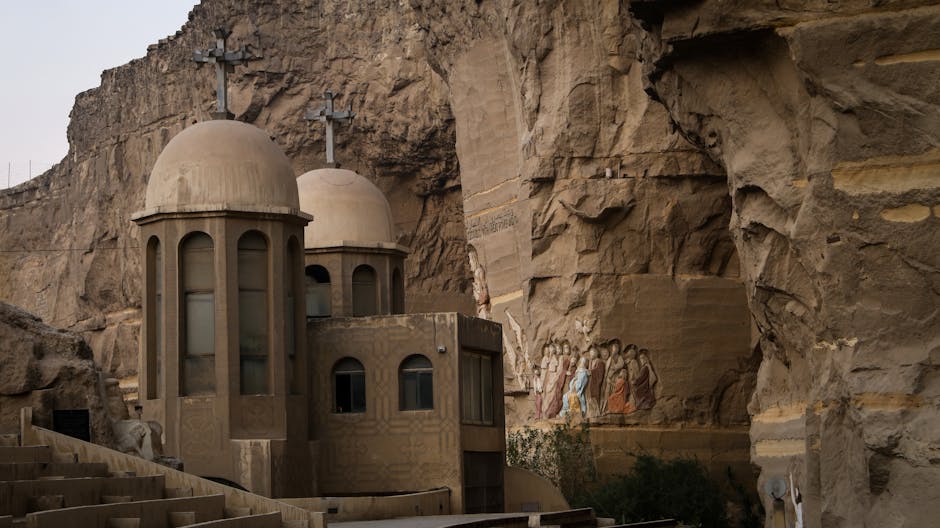
Wadi Natrun monasteries day trip from Cairo takes you to a sacred desert valley 100 km northwest of Cairo containing four active Coptic Christian monasteries — Deir Anba Bishoy, Deir el Suriani, Deir Baramus, and Deir Abu Maqar — that have been continuously inhabited by Coptic monks since the 4th century. Founded by St. Macarius the Great around 330 CE, Wadi Natrun was the birthplace of Christian monasticism alongside Egypt’s Eastern Desert hermitages. Today the monasteries welcome visitors (with respectful dress), display ancient icons and manuscripts, sell pilgrim souvenirs, and offer spiritual depth experiences impossible at standard Cairo tourist sites. The 1.5-hour drive makes Wadi Natrun an easy day trip.
Four working monasteries in the desert west of the Delta road, their history, the etiquette expected of visitors, and the practicalities of getting there make up this complete 2026 Wadi Natrun monasteries day trip guide. Find it filed under our list of excursions worth the early start, read with Cairo’s collection of Coptic art and manuscripts and our less obvious things to do locally.
What Is Wadi Natrun?
Wadi Natrun (Valley of Natrun) is a Coptic Christian sacred valley northwest of Cairo containing: The Wadi Natrun monasteries experience continues to be a meaningful part of any Cairo itinerary.
- 4 active monasteries (out of 50+ historic ones)
- Continuous monastic occupation since 4th century
- Birthplace of Coptic monasticism
- Ancient libraries and icon collections
- Sodium carbonate (natron) deposits historically mined
- Distance from Cairo: 100 km northwest (1.5 hour drive)
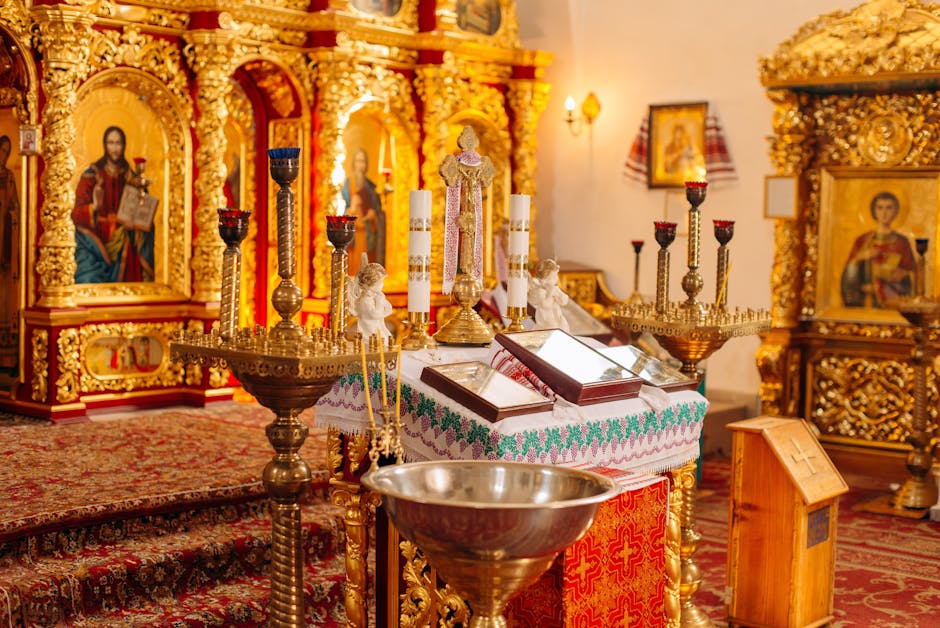
The natron deposits that gave the valley its name are the same sort of geological accident that shaped the country’s other great depression, and the lakes and waterfalls of Fayoum lie almost exactly the same distance from Cairo in the opposite direction.
The History of Wadi Natrun Monasticism
Christian monasticism began in Egypt:
3rd–4th Century: The Birth
St. Macarius the Great (~300–391 CE) and other Coptic hermits sought solitude in the Wadi Natrun desert, establishing the first organized monastic communities. The Wadi Natrun monasteries experience continues to be a meaningful part of any Cairo itinerary.
4th–7th Century: Golden Age
50+ monasteries thrived in Wadi Natrun. Manuscripts copied, theology developed, pilgrims arrived from across the Christian world. The Wadi Natrun monasteries experience continues to be a meaningful part of any Cairo itinerary.
7th–13th Century: Decline
Arab invasions and Berber raids reduced active monasteries. Many abandoned or destroyed.
13th Century–Present: Survival
Four monasteries continuously survived to today, maintaining traditions virtually unchanged.
20th Century: Revival
Pope Shenouda III’s reforms (1971-2012) revitalized Coptic monasticism. New monks joined; monasteries expanded. The Wadi Natrun monasteries experience continues to be a meaningful part of any Cairo itinerary.

The Four Wadi Natrun Monasteries
1. Deir Anba Bishoy (Monastery of St. Bishoy)
The largest and most famous of the four. Founded by St. Bishoy (320–417 CE).
- Established: 4th century CE
- Highlights: Tomb of Pope Shenouda III, beautiful church, fortified keep
- Visiting: Open to all visitors during daylight
2. Deir el Suriani (Monastery of the Syrians)
Founded in 6th century by Syrian monks. Contains famous library.
- Highlights: Ancient cell of St. Bishoy, library, beautiful frescoes
- Architecture: 6th-century church mostly intact
3. Deir Baramus (Monastery of the Romans)
One of the oldest, traditionally founded by St. Macarius.
- Established: Late 4th century CE
- Highlights: Ancient church of Virgin Mary, monastic cells
4. Deir Abu Maqar (Monastery of St. Macarius)
Founded by St. Macarius the Great himself. The “mother” monastery.
- Established: ~360 CE
- Highlights: Tomb of St. Macarius, ancient library, papal burial site
- Most spiritually significant
Wadi Natrun Visiting Hours and Etiquette
Hours
- Generally: 9 AM – 4 PM most days
- Closed: During lent, holy fasts, special religious days
- Best to call ahead if visiting on religious holidays
Dress Code (Very Important)
- Men: Long pants, sleeves; no shorts
- Women: Long skirt or pants, sleeves, head covering inside churches
- Wraps available: Some monasteries provide
Behavior
- Speak quietly
- Don’t enter monks’ living quarters
- Photograph buildings but ask before photographing monks
- Follow guide instructions
- Switch off mobile phones in churches
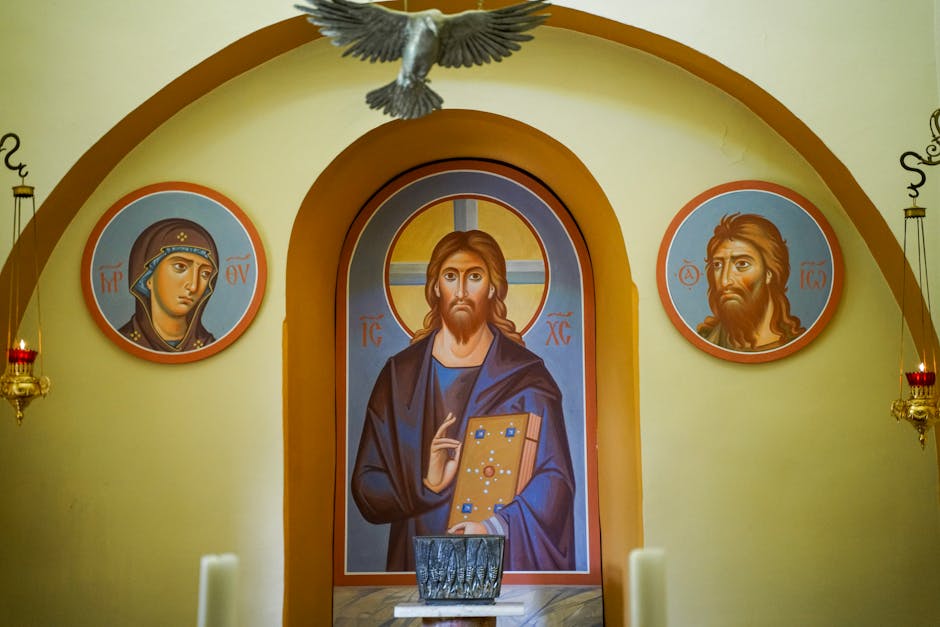
- Some areas closed to non-Coptic visitors
What to See at the Monasteries
- Ancient churches (5th-13th century)
- Original frescoes and icons
- Fortified keeps (built to repel attacks)
- Tombs of saints and popes
- Monastic cells
- Libraries (limited public access)
- Ancient manuscripts in some monasteries
- Beautiful gardens
- Pilgrim souvenir shops

The frescoes and fortified keeps here belong to a tradition that never became a museum piece, and its most startling modern expression sits inside Cairo itself: the cliff churches at Mokattam, carved into the rock above a working rubbish-sorting district.
How to Get to Wadi Natrun
- By private tour: Standard option, $40–100/person
- By taxi: Negotiate round trip — £E 600–900
- By rental car: Via Desert Road, well-marked
- By microbus: Cheaper local option, more difficult
- Travel time: 1.5 hours from Cairo
- Distance: 100 km northwest of Cairo
The Desert Road does not stop here, and the monasteries sit roughly at its midpoint, which makes carrying on to the Mediterranean coast a reasonable second half of the day if you leave the valley by two.
Sample Wadi Natrun Day Trip Itinerary
- 8:00 AM: Depart Cairo
- 9:30 AM: Arrive Wadi Natrun
- 9:30 AM: Deir Anba Bishoy (1.5 hours)
- 11:00 AM: Deir el Suriani (1.5 hours)
- 12:30 PM: Lunch (limited options in valley; better to bring picnic or eat in Cairo before departing)
- 2:00 PM: Deir Abu Maqar (1.5 hours)
- 3:30 PM: Deir Baramus (1 hour)
- 5:00 PM: Depart for Cairo
- 6:30 PM: Return to Cairo
Combining with Cairo Coptic Sites
Wadi Natrun pairs naturally with Cairo’s Coptic Christian heritage:
- Day before: Coptic Cairo (Hanging Church, Coptic Museum, Babylon Fortress)
- Day at Wadi Natrun: All four monasteries
- Day after: St. Catherine’s Monastery (Sinai, multi-day extension)
Best Time to Visit
- October–April: Cool temperatures ideal
- Avoid: Coptic religious holidays (Easter especially crowded)
- Avoid: Lent fasting period (some restrictions)
- Weekday mornings: Quietest, monks more available
Photography
- Permitted in courtyards and outside churches
- Check with guide before photographing inside churches
- Always ask before photographing monks
- Some interior areas prohibited
- No flash in churches
Wadi Natrun Monasteries FAQ
What is Wadi Natrun?
A sacred desert valley northwest of Cairo with 4 active Coptic Christian monasteries dating to the 4th century. The Wadi Natrun monasteries experience continues to be a meaningful part of any Cairo itinerary.
How far is it from Cairo?
100 km northwest, ~1.5 hour drive.
Are the monasteries open to non-Christians?
Yes — all four monasteries welcome respectful visitors of any faith.
What’s the dress code?
Modest — long pants/sleeves for both men and women; women cover hair inside churches.
How long should I spend?
Full day for all four monasteries (~6 hours total visit time).
What’s the most important monastery?
Deir Abu Maqar (St. Macarius) — founded by the father of Egyptian monasticism.
Are these the oldest Christian monasteries?
Among the oldest — founded around 4th century CE; St. Anthony’s Monastery (Eastern Desert) competes as oldest. The Wadi Natrun monasteries experience continues to be a meaningful part of any Cairo itinerary.
Can I attend a service?
Yes — Coptic Christian liturgies welcome visitors. Sundays especially. Conduct yourself respectfully. The Wadi Natrun monasteries experience continues to be a meaningful part of any Cairo itinerary.
What language is the service?
Coptic, Arabic, and some English.
Are there hotels nearby?
Some basic guesthouses; most visitors do day trips.
Is photography allowed?
Yes outside churches; ask before inside; never photograph monks without permission.
Can I stay overnight at monasteries?
Some monasteries offer pilgrim accommodation by prior arrangement.
Are there entry fees?
No — monasteries free to visit; donations appreciated.
What’s the food like?
Limited options in valley — bring snacks/water or eat before/after.
Should I hire a guide?
Highly recommended for historical and religious context.
Pulling It Together
The Wadi Natrun monasteries day trip is among Egypt’s most spiritually rich excursions — four continuously inhabited Coptic Christian monasteries dating to the 4th century, where the global tradition of Christian monasticism was born. Visit all four if time permits (full day), dress modestly, hire a guide for historical context, and approach the experience with cultural and religious respect. This is an Egypt that few foreign tourists discover — and complements both Cairo’s broader Coptic heritage and the country’s ancient pharaonic history beautifully. A pilgrimage in the deepest sense.
Desert and faith run together across this part of Egypt, which is why the oasis road deeper into the Western Desert makes a natural sequel, while Ptah’s ruined capital south of Giza and a short drive to the Gulf of Suez fill in the other directions out of town.