This article contains advertising. Our booking links are routed through a partner that adds commission tracking automatically, so if you book through one we earn a commission from the provider, at no extra cost to you. It never affects what we recommend. Affiliate disclosure
Most people give Cairo three days: Pyramids, the Grand Egyptian Museum, a lap of Khan el-Khalili, done. The genuinely unique experiences in Cairo start the moment you stop following that list — a 15,000-seat church carved into a cliff above a recycling neighbourhood, a Sufi whirling ceremony in a 500-year-old courtyard, a hillside park where the whole medieval skyline lines up at sunset. Here’s how to do the off-beat stuff well, and honestly which bits are worth your time.
I’ve sorted these by how much effort they take and how much they’ll actually move you, because not every “lesser-known spot” listicle item earns the detour. A few of these are sensitive places — living cemeteries, working neighbourhoods — and how you behave there matters more than the photo. I’ll flag those clearly. For the headline sights you came for, the big-name Cairo highlights pillar covers the canon; this is the layer underneath it.
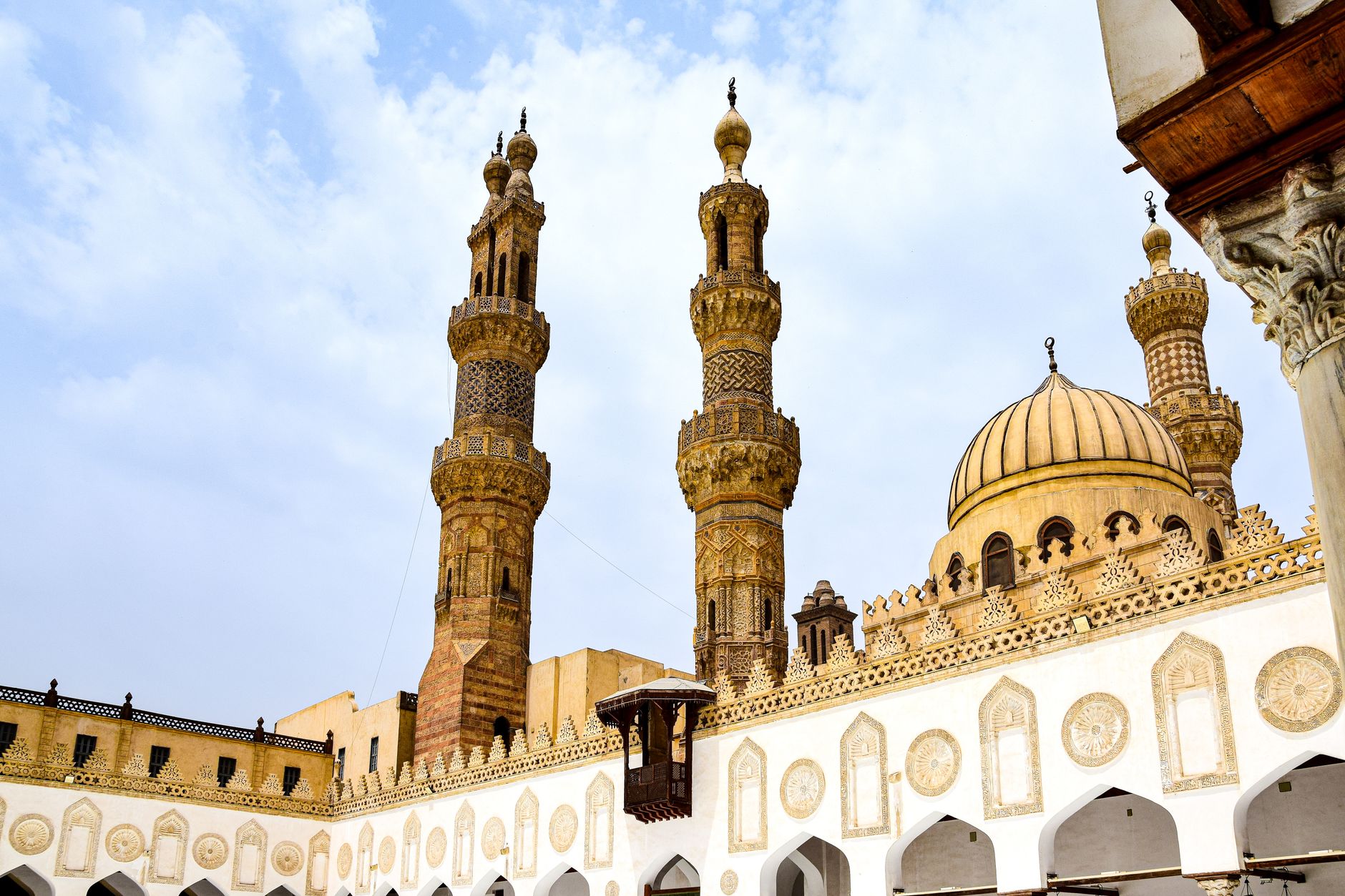
The ones genuinely worth rearranging your day for
If you only add three things to a standard Cairo trip, make them these. They’re the experiences repeat visitors talk about years later, and none of them is a tourist trap.
Al-Azhar Park at golden hour
This is the easiest win on the whole list and somehow still half-empty of foreign visitors. Al-Azhar Park is a 30-hectare hillside garden built on what was, for centuries, a rubble dump — the Aga Khan funded its transformation, and during the dig they uncovered a long-buried stretch of the medieval Ayyubid city wall. Come an hour before sunset, walk up to the higher terraces, and the entire Islamic Cairo skyline assembles in front of you: the Citadel, the minarets of Sultan Hassan, the dome of the Mosque of Muhammad Ali, all turning amber. It’s open daily into the late evening, roughly 9am to 11pm, and the entry fee is small — a modest ticket in the tens of EGP, more for foreigners than locals but still pocket change. There’s a proper restaurant (Studio Misr) and a casual lakeside café if you want to stay for dinner. Honestly, this might be the best-value evening in the city.
The Cave Church above Garbage City
The single most extraordinary structure most tourists never hear about. The Monastery of St. Simon the Tanner is a series of amphitheatre-churches carved straight into the Mokattam cliff, the largest seating somewhere around 15,000–20,000 people — genuinely one of the biggest churches in the Middle East. To reach it you pass through Manshiyat Naser, the neighbourhood everyone calls Garbage City, home to the Zabbaleen: Coptic Christian families who have collected, sorted and recycled most of Cairo’s waste for generations, and who recycle it at rates that put European cities to shame. The drive up is part of the experience — courtyards stacked with sorted plastic, the smell, the sheer industry of it. The church itself is free; donations are welcome at the small shop.
Here’s the honest part: this is a real working community, not an attraction, and it deserves respect. Go with a local guide who knows the families — it makes the difference between gawping and genuinely understanding what you’re looking at, and it keeps the visit dignified for the people who live there. Don’t photograph residents or their homes without asking. Dress modestly. Many half-day guided tours pair the Cave Church with the nearby necropolis; expect to pay roughly $40–90 per person depending on group size and whether lunch is included. Worth every pound.
Sufi Tannoura at Wikala al-Ghuri
Three nights a week, in the arched stone courtyard of a 16th-century merchants’ inn near Al-Azhar Mosque, the Al-Tannoura Egyptian Heritage Dance Troupe performs a spinning Sufi ceremony that’s part devotion, part hypnotism. The dervishes whirl for what feels like an impossible length of time, skirts flaring under coloured light, to live tabla and ney. It’s free, it’s spectacular, and it fills up — turn up a good 45 minutes early to get a seat under the arches rather than standing at the back. The performance traditionally runs around three evenings weekly, but the schedule shifts, so have your hotel confirm the current nights before you commit your evening. No alcohol, modest dress, and switch your flash off.
Cairo’s overlooked museums and houses
The Egyptian Museum gets the crowds and the Grand Egyptian Museum out at Giza gets the headlines (and it’s genuinely worth a full day — the museum-by-museum breakdown of the city walks you through both). But the city is full of small, strange, nearly empty collections that reward an hour or two.
| Place | Why go | Worth it? |
|---|---|---|
| Gayer-Anderson Museum | Two joined 17th-century mansions beside Ibn Tulun, stuffed with mashrabiya screens and secret harem peep-holes. A Bond film shot here. | Yes — top pick |
| Mahmoud Khalil Museum | A Nile-side palace hiding Monet, Van Gogh, Gauguin, Degas. One of the best Impressionist collections outside Europe, often empty. | Yes, if it’s open |
| Manyal Palace | An over-the-top Ottoman-Moorish royal palace on Roda Island with throne rooms and gardens. Quiet, atmospheric. | Yes — easy half-day |
| Coptic Museum | World-class early Christian art, beautifully renovated, skipped by people rushing through Coptic Cairo. | Yes if you like the period |
| Imhotep Museum, Saqqara | Small museum on the architect of the Step Pyramid — most day-trippers walk right past it. | Tack onto Saqqara |
A word of warning on the Mahmoud Khalil: this is the museum where two paintings have been stolen over the years, and it sometimes closes without much notice. Call ahead or have your hotel check. When it’s open and you have the Impressionist room to yourself, it’s one of the quietest thrills in the city.
Neighbourhoods to walk, not tick off
Cairo isn’t really a sights city; it’s a streets city. The best afternoons here are spent wandering, getting mildly lost, and stopping for tea. A few areas reward that more than others.
- Al-Darb al-Ahmar — the medieval quarter between Khan el-Khalili and the Citadel, threaded with craft workshops, restored Mamluk houses and some of the oldest mosques in the city. Pair it with Al-Azhar Park, which sits right above it.
- Coptic Cairo (Mar Girgis) — the walled old Christian quarter: the Hanging Church, tiny lanes, the Ben Ezra Synagogue, the Coptic Museum. Compact and atmospheric, easy to reach by Metro.
- Heliopolis — a planned early-1900s suburb of neo-Moorish arcades built by a Belgian baron. The Baron Empain Palace, a restored Hindu-temple lookalike, is the strange highlight.
- Maadi — leafy, low-rise, full of colonial villas and good cafés. A calm contrast to the centre and a nice place to slow down for a morning.
- Garden City — curving streets of grand Belle Époque villas near the Nile, best at dusk. Easy to fold into a Corniche walk.
The City of the Dead — go, but go right
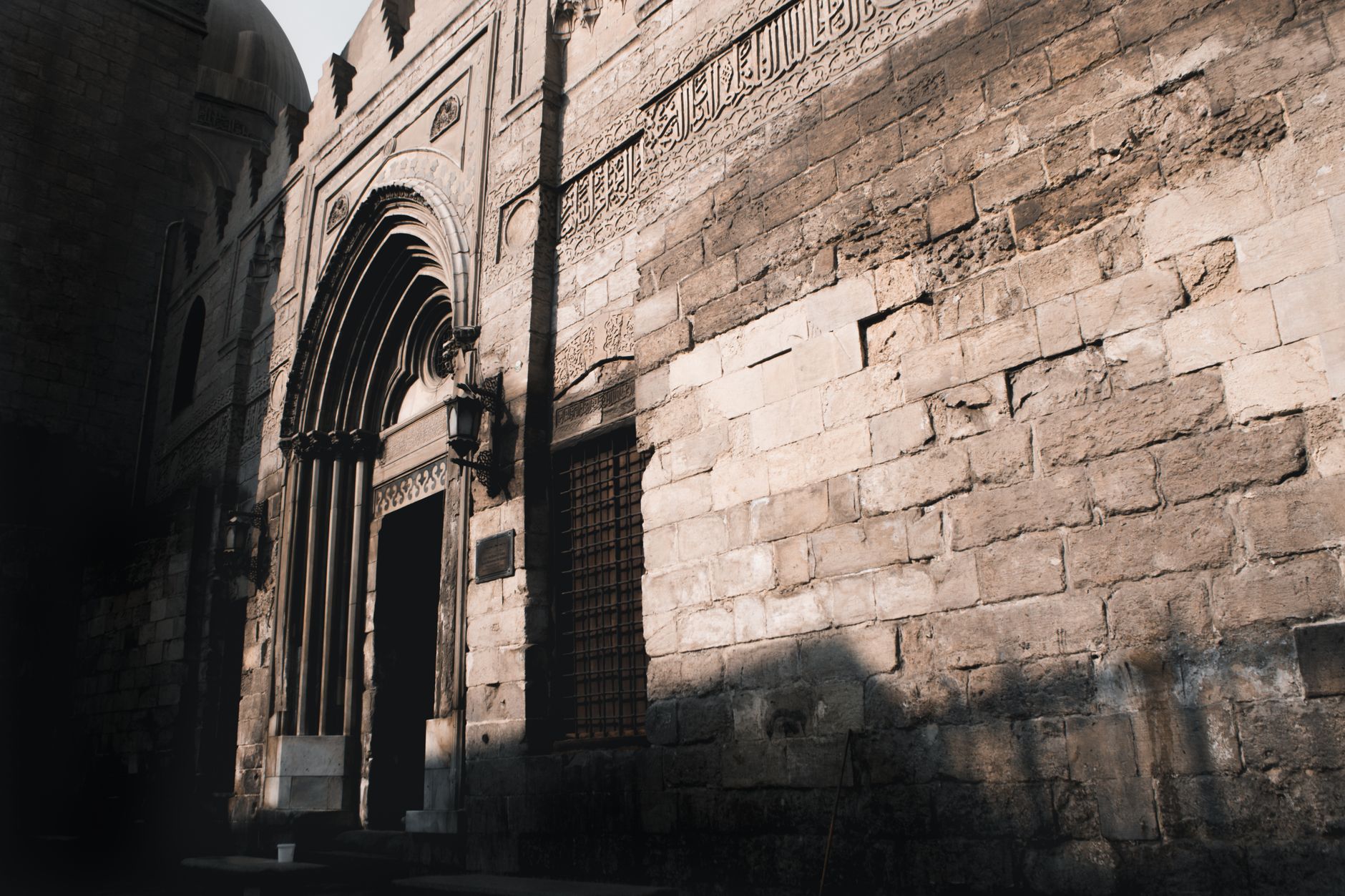
Cairo’s vast medieval necropolis, the Qarafa, is one of the most unusual urban landscapes on earth: square kilometres of domed tombs and mausoleums where, for generations, living families have made homes among the dead out of sheer housing pressure. The Mamluk funerary architecture here is genuinely world-class — the complexes of Qaitbay and Barquq are masterpieces — but this is, again, a place where real people live and grieve, not a theme park.
Recent years have brought demolitions through parts of the necropolis as the city pushes new roads through, so the landscape is changing; another reason to see it with someone who knows which areas to visit and which to leave alone. Take a knowledgeable guide, keep your camera pointed at the architecture rather than at residents, dress modestly, and don’t wander the inhabited sections alone or after dark. Done respectfully, it’s memorable in the proper sense of the word — and far more moving than any “spooky cemetery” framing suggests.
Markets and real Cairo life
Khan el-Khalili is the market everyone sees. These are the ones Cairenes actually use.
- Birqash Camel Market — out in the desert past the city, usually liveliest on Friday and Monday mornings. Traders haggling over camels driven up from Sudan; dusty, intense, completely real. Go early and with a guide.
- Souk al-Gomaa (Friday Market) — a sprawling flea market south of the centre selling everything from antique brass and old cameras to frankly baffling junk. Bring humour and small change.
- El-Ataba — a chaotic, working-class shopping district where the whole city seems to be buying fabric, hardware and electronics at once. Loud and very alive.
- The Tentmakers’ Bazaar (Khayamiya) — a covered street near Bab Zuwayla where craftsmen still hand-stitch the appliqué textiles used for festival tents. One of the last living traditional crafts in the old city, and a lovely place to buy something genuinely handmade.
Hands-on: pottery, cooking, and a felucca that isn’t a rip-off
Throw a pot in Fustat
Down by Coptic Cairo, the Fustat pottery quarter is where Cairo’s clay tradition has lived since the city’s earliest Islamic days — Fustat was the original capital, and potters have worked this ground for over a thousand years. You can watch craftsmen throw on the wheel, talk to them, and at the friendlier workshops have a go yourself. Pieces are cheap and make far better souvenirs than the mass-produced stuff in the bazaar. The nearby government-run Souq al-Fustat handicrafts market is a fixed-price, hassle-free place to buy ceramics, glass and textiles if haggling isn’t your sport.
One correction worth flagging, since older guides still mention it: Darb 1718, the much-loved contemporary art centre that used to sit in Fustat, was demolished in January 2024 to make way for road works. The foundation is trying to relocate, but there is currently no venue to visit — don’t build an evening around it.
A cooking class in someone’s kitchen
One of the warmest things you can do here is learn to cook with a local family — koshari, mahshi, stuffed pigeon, basbousa, the lot. Small operators and home cooks host classes through platforms like Eatwith and Airbnb Experiences, usually three to four hours and somewhere around $40–80 per person including the feast you make. You leave full and with recipes you’ll actually use. If you’d rather eat than cook, the guide to the city’s kitchens and counters maps out where to find the best koshari, foul and old-school baladi cooking.
A felucca with a real captain
Yes, sailing the Nile is on every itinerary, but there’s a right way to do it. Skip the big tourist embarkation points and walk the Corniche down towards Garden City or up by Maadi, where independent captains tie up. Agree the price before you step on — somewhere around $10–20 an hour for a private boat is fair — and you’ll often get tea, a bit of music, and an hour of the river at dusk with no engine noise and no schedule. It’s one of the cheapest genuinely romantic things in the city, which is why it earns a place in the couples’ guide too.
Fishing is the version of the felucca almost no visitor books. Arrangements are informal — you negotiate with a boatman on the bank, expect $20–80, and bring your own patience — and the practicalities of angling the Nile are laid out properly in our angling guide.
After dark and live culture
Cairo’s evenings go well beyond a dinner cruise. A few places worth knowing about, all on the more local end of the Cairo nightlife scene:
- Cairo Opera House (Gezira) — the national symphony, ballet and opera at startlingly low ticket prices. There’s a dress code; jackets for men at the main hall.
- Makan — an intimate downtown venue for Egyptian folk and trance music: Sufi zar, Nubian, Saidi. Wednesday’s mango session is a long-running fixture.
- El-Sawy Culture Wheel — a busy arts centre tucked under a Zamalek bridge, with concerts, theatre and a young Cairene crowd most nights.
- Cairo Jazz Club — live jazz, fusion and indie in Agouza; a reliable night out for grown-ups.
Day trips most tourists never make
If you’ve got an extra day and want to escape the noise, a few options sit within easy reach and almost never appear on standard itineraries.
- Tunis Village, Fayoum — an artists’ colony of pottery studios and rural lodges about a two-hour drive southwest. Best as an overnight; deeply relaxing.
- Wadi El Hitan (Whale Valley), also in Fayoum — a UNESCO site where 40-million-year-old whale skeletons lie in the desert. Surreal and humbling.
- Wadi El Natrun monasteries — four ancient Coptic monasteries in the desert north of the city, the spiritual heart of Coptic Egypt.
- Wadi Degla Protectorate — a free limestone canyon on Cairo’s southeastern edge, good for a morning hike or bike ride.
A note on the much-hyped desert sunrise hot-air balloon: the famous balloon flights are over Luxor, not Cairo, so don’t book one expecting to drift over the Giza Pyramids — that isn’t a thing here. Cairo’s equivalent magic hour is best caught from Al-Azhar Park or a felucca, both covered above.
How to find your own hidden Cairo
The best off-beat experiences change month to month, so beyond this list, a few habits help:
- Hire a curious, knowledgeable local guide for at least one day — independent Egyptologists and platforms like ToursByLocals and Withlocals build custom routes, and full days tend to run roughly $80–150 per person.
- Base yourself somewhere with texture — Garden City, Maadi, Zamalek’s quieter streets — rather than a sealed resort-style hotel.
- Read a little Cairo first. Naguib Mahfouz’s Cairo Trilogy and Alaa Al Aswany’s The Yacoubian Building will point you at neighbourhoods no guidebook bothers with.
- If you’re counting pennies, plenty of this is free or nearly so — the zero-budget Cairo sightseeing guide stacks up the no-cost options.
Frequently asked questions
What’s the single most unique experience in Cairo?
The Cave Church of St. Simon, reached through Garbage City, is the standout — a vast church carved into a cliff above a recycling community most visitors never see. Go with a local guide and treat the neighbourhood with respect.
Is it safe to visit Garbage City and the City of the Dead?
Yes, with sensible precautions and ideally a local guide. Both are real, lived-in communities rather than tourist sites, so go in daylight, dress modestly, and don’t photograph people or homes without asking. The areas themselves are not dangerous; the issue is doing it respectfully.
How much do off-beat Cairo experiences cost?
Many are free or close to it — the Cave Church, Tannoura at Wikala al-Ghuri, walking the old quarters, Al-Azhar Park for a tiny entry fee. Guided half-days run roughly $40–90 per person and full custom days about $80–150, while cooking classes sit around $40–80. Always agree prices upfront.
Can I visit these places independently, without a tour?
The museums, Al-Azhar Park, Coptic Cairo, Fustat pottery and the markets are all fine to do on your own. For Garbage City and the City of the Dead specifically, a guide is strongly recommended — for navigation, language, and a respectful introduction to the people who live there.
What’s the best off-beat day trip from Cairo?
Tunis Village in Fayoum for pottery and rural calm, or Wadi El Natrun for its desert monasteries. Whale Valley nearby pairs beautifully with Tunis if you want to make it an overnight.
Pulling it together
You don’t need to do all of this — add even two or three and a standard Cairo trip turns into something you’ll actually remember: a Sufi ceremony under stone arches, the skyline from Al-Azhar Park, a wonky pot you threw yourself in Fustat. The city is enormous and endlessly layered, and it gives the most to people who slow down and look past the obvious. When you’re ready to plan the rest, start with the main Cairo attractions pillar and branch out from there.
Plan the rest of your trip
Use these guides to round out your Cairo plans: