
This article contains advertising. Our booking links are routed through a partner that adds commission tracking automatically, so if you book through one we earn a commission from the provider, at no extra cost to you. It never affects what we recommend. Affiliate disclosure
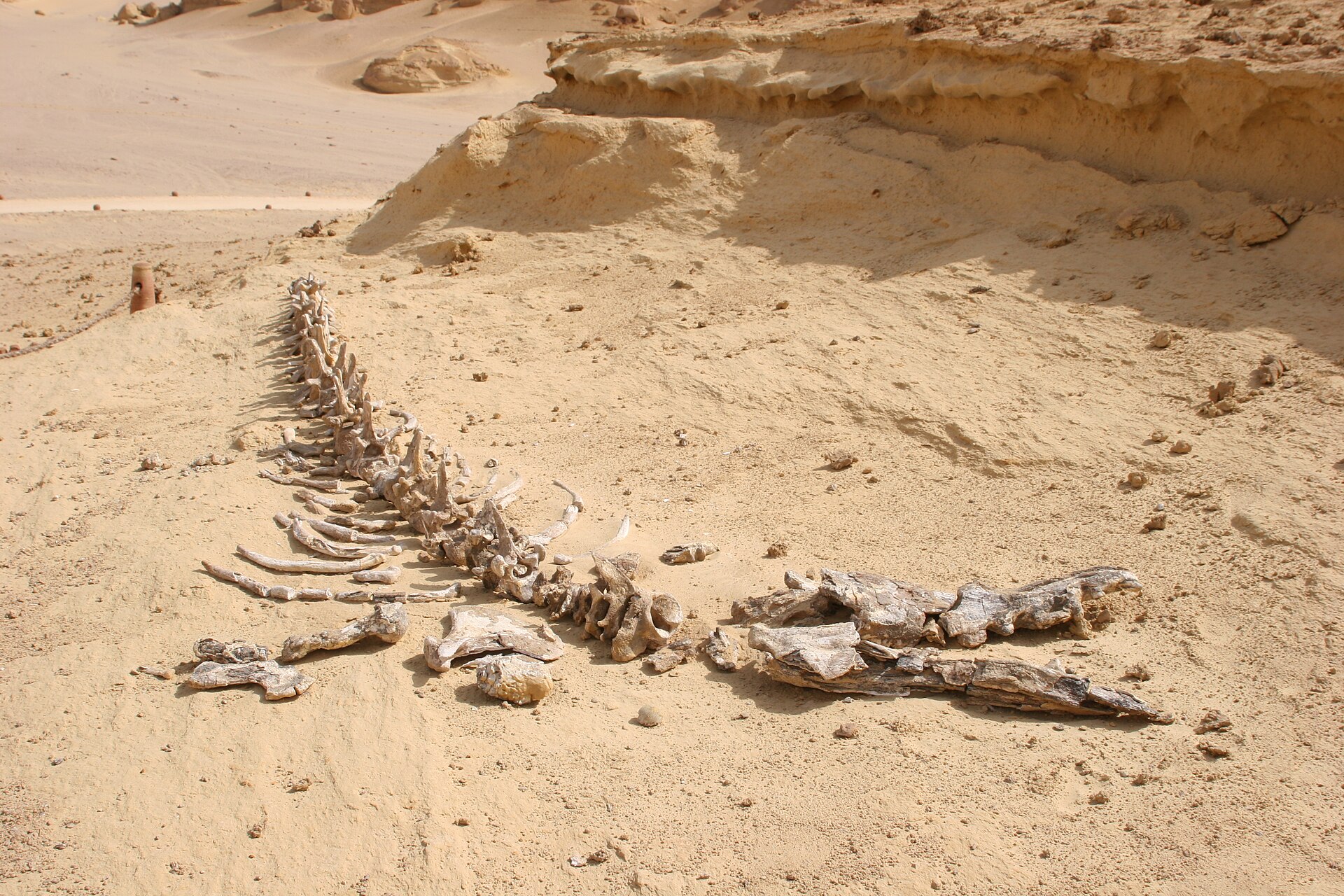
Four days covers Cairo. The fifth day is where you get to choose what kind of traveller you are. You can drive north to the Mediterranean and spend a day in a city that thinks of itself as Greek rather than Egyptian; you can drive south-west into a depression where whale skeletons lie in the sand as evidence that the Sahara was once a sea; or you can do neither, stay put, and spend a day in Cairo doing nothing in particular. All three are good answers, and a well-built 5 days in cairo itinerary is the first one that has room for the third.
Below: the five-day shape, the two big excursion options compared honestly, what a genuinely slow Cairo day should contain, and the costs. Prices were checked in September 2026 and should be read as the right order of magnitude rather than a quotation, because Egyptian entry fees track the pound and the pound has repriced repeatedly. Other trip lengths are compared on the Cairo itineraries hub.
The five days at a glance
- Day one — Giza and the Grand Egyptian Museum. Pyramids at opening, museum in the afternoon, felucca at sunset.
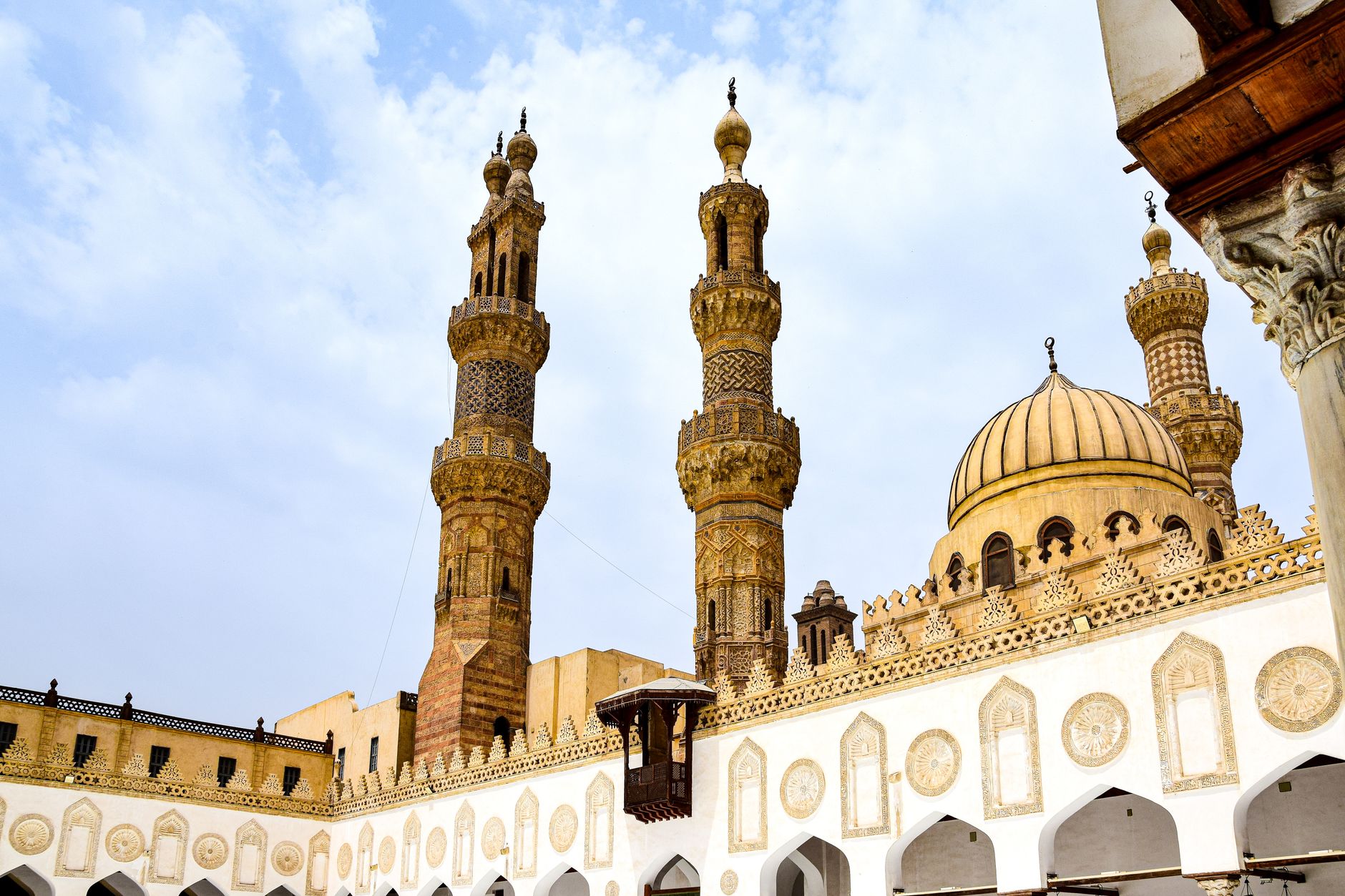
- Day two — Islamic Cairo. Al-Muizz north to south, Khan el-Khalili, Ibn Tulun, the Citadel at golden hour.
- Day three — Coptic Cairo and the royal mummies. Mar Girgis, then the National Museum of Egyptian Civilization at Fustat.
- Day four — Saqqara, Dahshur and Memphis. A full day with a driver along the desert edge.
- Day five — Alexandria, Fayoum, or a slow day in Cairo. Your choice, and there is no wrong one.
Days one to four are set out hour by hour in the four-day Cairo and Giza itinerary, and adding a fifth day does not change them. It changes the pressure on them: with five days you can afford to lose a morning to a dust storm, an upset stomach or simply not wanting to get up, and nothing collapses.
Days one to four, in brief
The first four days do not change when you add a fifth, so this is the short version. The hour-by-hour detail is in the four-day itinerary.
Day one — Giza and the Grand Egyptian Museum
At the Giza gate for 08:00, in every season: no shade on the plateau, coaches from half past nine, and the low morning light is much kinder to the stone. Walk the base of the Great Pyramid, take the panorama viewpoint, then the Sphinx and the valley temple beside it. Go inside the Great Pyramid if you want to — with five days you have the hour — knowing that the Grand Gallery is the experience and the King’s Chamber is a bare granite room with an empty sarcophagus.
Lunch away from the gate, then the Grand Egyptian Museum on a pre-booked afternoon slot. On-site sales are suspended and entry is entirely timed, so this is the one appointment in the whole trip. Tutankhamun’s galleries first, then the Grand Staircase, then Khufu’s solar boat. Evening on the river.
Day two — Islamic Cairo
Bab al-Futuh at 08:30, then Al-Muizz south to Bab Zuweila — a kilometre holding the greatest concentration of medieval Islamic architecture anywhere in the world, and a street that belongs to itself before eleven. Climb the Bab Zuweila minarets. Khan el-Khalili is thirty seconds off Al-Muizz, not on it. Then Ibn Tulun, built AD 876–879, free, with a spiral minaret and the Gayer-Anderson Museum sharing a wall, and the Citadel of Saladin in the last two hours of daylight.
Day three — Coptic Cairo and the royal mummies
Metro Line 1 to Mar Girgis, the one morning the train genuinely beats a car. The Hanging Church holds around 110 icons and more than 1,500 years of continuous worship; morning light is best inside. Then Fustat, ten minutes away, where the National Museum of Egyptian Civilization holds twenty-two royal mummies including Ramses II and Hatshepsut, included in the standard ticket.
Day four — Saqqara, Dahshur and Memphis
A full day with a driver, eight or nine hours door to door. Saqqara’s Step Pyramid predates everything at Giza by a century; Dahshur’s Bent Pyramid shows an eleven-degree engineering correction made partway up; and the Red Pyramid next door can usually be walked into with no queue at all. Memphis is forty-five minutes and a fallen colossus of Ramses II.
What five days cost
| Item | Price (checked Sept 2026) | Notes |
|---|---|---|
| Days one to four, entries and transport | ~USD 195–255 | Per person, no guide, no hotel |
| Alexandria by train, return | EGP 300–800 (~USD 6–17) | Depends on class; book at the station or online |
| Alexandria by car and driver | USD 70–120 for the car | Six hours’ driving in total |
| Bibliotheca Alexandrina | EGP 250–350 (~USD 5–7) | Includes several internal museums |
| Kom el-Shoqafa catacombs | EGP 300–400 (~USD 6–8) | Roman-era, three levels underground |
| Fayoum, car and driver for the day | USD 50–90 for the car | Two hours each way |
| Wadi al-Hitan entry | EGP 250–400 (~USD 5–8) | 4×4 recommended for the final stretch |
| Al-Azhar Park | EGP 40–70 (~USD 1) | Still the best value in Cairo |
| Museum of Islamic Art | EGP 300–400 (~USD 6–8) | Reliably quiet |
| Five days, one person, no guide or hotel | ~USD 230–330 | Depends heavily on the day-five choice |
Option one: Alexandria
Three hours each way by road, rather less by train, which makes it a long day but a genuinely different one. Alexandria is Mediterranean, not desert. The light is different, the food is different — seafood rather than grills — and the city carries a Greco-Roman and cosmopolitan history that has almost nothing to do with the pharaonic Egypt you have spent four days looking at.
What to see
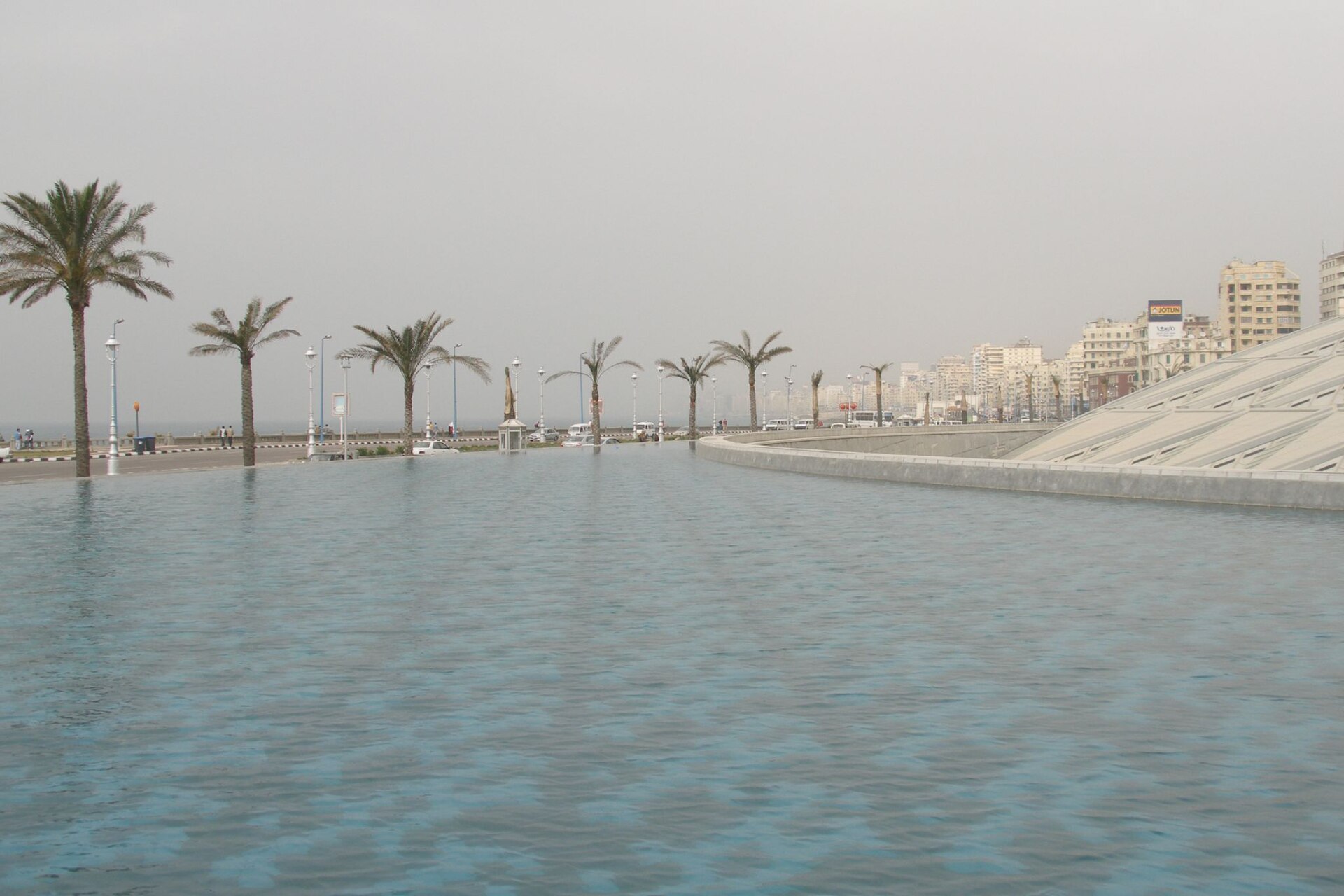
- Bibliotheca Alexandrina. The modern library built as a gesture towards the ancient one, a tilted granite disc angled towards the sea, its outer wall carved with characters from scripts around the world. It houses several small museums, and the reading room is genuinely worth walking into.
- The Citadel of Qaitbay. A fifteenth-century fort standing on the site of the Pharos lighthouse, one of the seven wonders of the ancient world, and built partly from its fallen stone. The fort itself is modest; the position, on a spit with the harbour on one side and open sea on the other, is not.
- Catacombs of Kom el-Shoqafa. Three levels of Roman-era rock-cut tombs reached by a spiral staircase around a central shaft, with carving that mixes Egyptian, Greek and Roman conventions in the same rooms. The strangest and best thing in the city.
- The Corniche. Miles of seafront with a run of decaying Belle Époque façades behind it. Walk it, eat fish, and understand why so many people find Alexandria melancholy and love it for that.
Train or car?
Train, if the timings work. It is faster than the road, considerably more comfortable, far cheaper, and it drops you at Misr Station within reach of the centre. The disadvantage is that Kom el-Shoqafa and Qaitbay are spread across the city, so you will want taxis at the Alexandria end.
A car and driver costs several times more but collects you from the hotel, waits between sites and gets you home without a timetable. If there are three or four of you it is the better value.
The honest verdict
Alexandria as a day trip is six hours of travelling for five or six hours in the city, and a proportion of people come back feeling they saw a traffic-clogged modern port rather than the Alexandria of Cavafy and Durrell. That is a fair reaction, and it is why we would say this: if Alexandria appeals, give it a night. An overnight turns a rushed day into a proper visit — evening on the corniche, fish for dinner, the catacombs in the morning without watching the clock. If you cannot spare the night, Fayoum is the better fifth day. See our Alexandria day trip guide for the detail.
Option two: Fayoum and the Valley of the Whales
Closer than Alexandria — around two hours each way — and considerably stranger. Fayoum is a depression fed by a canal off the Nile, with a lake at the bottom of it, and it has been inhabited continuously for a very long time. What draws most visitors now is the desert on its far side.
Wadi al-Hitan
The Valley of the Whales is a UNESCO World Heritage site where the fossilised skeletons of early whales — animals with legs, caught partway through the transition from land to sea about forty million years ago — lie exposed in the sand where they were found. There is a small, well-made museum and a walking trail past skeletons left in situ.
It is a long way out on rough track and a 4×4 is strongly advisable for the last stretch. It is also, for anyone with the slightest interest in deep time, one of the most extraordinary places in Egypt, and after four days of dynasties and pharaohs the shift of scale is bracing. Four thousand years is nothing here.
The rest of Fayoum
- Lake Qarun. A large salt lake with birdlife, fishing boats and simple lakeside restaurants.
- Wadi al-Rayan. Man-made lakes with a modest waterfall between them, popular with Egyptian families at weekends and a good place to swim.
- Tunis Village. A pottery village on the lake escarpment with workshops, guesthouses and a genuinely good local ceramics tradition. If you would rather have a slow day than a driving one, this is where to spend it.
- Sandboarding on the dunes, which is more fun than it has any right to be.
The honest verdict
Fayoum is the better fifth day for most people. It is closer, it is more different from the previous four days than Alexandria is, and it costs less. The caveats are that it needs a driver who knows the tracks, that the Wadi al-Hitan road punishes an ordinary saloon, and that it is not a comfortable trip in high summer. Our Fayoum Oasis guide covers the practicalities.
Option three: a slow day in Cairo
The option nobody plans and plenty of people end up wishing they had. Five days is the first trip length where you can spend a whole day in Cairo without going to a monument, and the people who do this almost always report it as the day they liked best.
What a slow day might contain:
- The Egyptian Museum at Tahrir, at leisure. Most itineraries have to drop it since the GEM opened, which is the commonest wrong cut in Cairo planning. It kept around 120,000 objects and the neoclassical building is half the pleasure. Give it a slow three hours with no other plans that morning.
- The Museum of Islamic Art. One of the finest collections of Islamic art anywhere, reliably almost empty, air-conditioned, and about twenty minutes from downtown.
- Zamalek on foot. The island district is genuinely walkable, which almost nowhere else in Cairo is. Bookshops, galleries, cafés and embassies under old trees.
- Downtown’s architecture. The Belle Époque streets around Talaat Harb and Qasr El Nil are extraordinary and almost nobody looks up at them.
- Al-Azhar Park in the late afternoon. A hilltop park built over five centuries of accumulated rubble, with the Citadel and the medieval skyline in front of you and a terrace to watch them from. Entry costs about a dollar.
- A long lunch. Not a fast one. Somewhere with a view, or somewhere with no view and very good koshari.
The case for this day is simple: four days of Egyptian sightseeing is genuinely tiring, and the thing most people miss on a short trip is any sense of Cairo as a place where twenty million people live rather than a set of sites. A day without a schedule gives you that, and it costs almost nothing.

Two things a fifth day is not for
Luxor. People do attempt Luxor as a day trip from Cairo — a dawn flight down, temples in the heat, an evening flight back. It is technically possible and it is a poor idea: you will spend the best hours of the day in transit and see the Valley of the Kings at the worst possible time. Luxor needs two nights minimum, which makes it a seven-day trip. If Upper Egypt is the priority, plan for that rather than trying to smuggle it into five days. Our Cairo to Luxor guide sets out why.
The Western Desert. Bahariya, the White Desert and Siwa are among the best things in Egypt and none of them is a day trip. The White Desert is a night under the chalk formations, not an afternoon; Siwa is eight to ten hours each way. Save them for a two-week trip.
How the fifth day changes the first four
A fifth day is mostly insurance, and insurance is worth more than it looks.
- Weather. Spring khamsin winds can throw enough dust over the plateau to flatten the view entirely. On a three-day trip that is your Giza day gone. On five, you move it.
- Stomachs. A proportion of visitors lose half a day to their digestion. Five days absorbs that; three does not.
- The GEM. With five days you can visit twice, on a cheap second slot or simply a longer first one, which is what the collection actually deserves.
- Depth over breadth. Five days lets you go back to somewhere you liked rather than pressing on to somewhere you have not seen. That is a luxury and it is the whole point.
Practical notes
Book the car the day before, not the week before
Both excursion options need a driver, and both are better booked once you have seen the weather and know how tired you are. Hotels and ride-hailing drivers will both arrange a day rate; agree the itinerary and the waiting time in writing.
Specify no shopping stops
Fayoum and Alexandria day tours both routinely include a papyrus, perfume or carpet stop. These are commission stops and they cost you an hour of a long day. Say no in advance and in writing. Our papyrus buying guide explains what is actually being sold.
Seasonal notes
- December to February. Highs of 18–24 °C (65–75 °F). Alexandria can be genuinely wet and windy in winter — it gets Egypt’s rain — so check before committing. Fayoum is excellent.
- March to May. The best conditions for both. Watch for khamsin dust in spring.
- June to August. Alexandria comes into its own, because it is on the sea and Cairo is not; it is also when every Egyptian who can afford it goes there, so expect crowds. Fayoum’s desert legs are hard work in this heat.
- September to November. Ideal for everything on this page.
Frequently asked questions
Is five days too long in Cairo?
No, provided you use the fifth day for something genuinely different — a coastal day, a desert day, or a deliberately unstructured one. Five days of straight monument-visiting would be too much; five days with a change of pace in it is a well-shaped trip.
Alexandria or Fayoum for the fifth day?
Fayoum, for most people. It is closer, cheaper, more different from the preceding four days, and Wadi al-Hitan is genuinely world-class. Choose Alexandria if Greco-Roman history is what draws you, if you want to be beside the sea, or if you can turn it into an overnight rather than a day trip.
Can you do Luxor as a day trip on a five-day itinerary?
You can buy the tour and we would not. A dawn flight, temples in the middle of the day and an evening flight back gives you the worst hours at the best sites. Luxor needs two nights, and that is a seven-day trip rather than a five-day one.
Where should you stay for five days?
Central Cairo or Zamalek. Four of the five days start from the middle of the city, and the excursion days are a driver collecting you from wherever you are. The Giza-side advantage disappears entirely at this trip length. See where to stay in Cairo.
How much does five days in Cairo cost?
Roughly USD 230–330 per person for entries, transport and food, excluding hotel and guide, with the day-five choice accounting for most of the variation. Budget travellers can do it for well under half that; a private guide and car adds USD 80–110 a day.
Is Wadi al-Hitan worth the drive?
If you have any interest in natural history, yes — it is a UNESCO site, the skeletons are left where they were found, and there is nothing else like it within reach of Cairo. If your interest is purely archaeological, Lake Qarun and Tunis Village make a gentler Fayoum day and you can skip the long desert track.
What is the best single addition if you only have half a day spare?
The Museum of Islamic Art. It is central, it is air-conditioned, it takes two hours, it is almost always quiet, and it is one of the best collections of its kind in the world. Almost nobody on a five-day trip goes, and they should.
If Upper Egypt is the priority rather than a bonus, do not try to smuggle Luxor into five days — plan for seven instead. Our seven-day Egypt itinerary gives Cairo three days and the south four, with no wasted travel time.
Related Cairo Guides
- All Cairo itineraries, one to fourteen days
- Days one to four, in detail
- Getting to Alexandria: train, bus or car
- The Egyptian Museum at Tahrir
- Cairo’s café culture
- Off the beaten path in Cairo
- The White Desert, and why it needs a night
- Every day trip from Cairo, compared
Photo Credits
Fossilised whale skeleton at Wadi al-Hitan: photo by Clr202 (Christoph Rohner) at de.wikipedia, via Wikimedia Commons (CC BY-SA 3.0).
The Bibliotheca Alexandrina on the Alexandria corniche: photo by Barcex, via Wikimedia Commons (CC BY-SA 3.0).