This article contains advertising. Our booking links are routed through a partner that adds commission tracking automatically, so if you book through one we earn a commission from the provider, at no extra cost to you. It never affects what we recommend. Affiliate disclosure
Papyrus art Cairo is a deeply ancient craft — papyrus paper has been made along the Nile for 4,500+ years, originally as the writing material that gave Greek the word “biblos” (book) and English “paper.” Today, authentic hand-made papyrus paintings are still produced in Egypt, but the souvenir market is dominated by cheap counterfeits made from banana leaf or sugar cane. The difference is dramatic: real papyrus lasts centuries, displays a beautiful natural crosshatch fiber pattern when held to light, and feels weighty and substantial. Banana-leaf “papyrus” is brittle, shows only parallel lines, and deteriorates within years.
Telling real papyrus from pressed banana leaf is the whole point of this papyrus art buying guide Cairo visitors need for 2026, which also maps the Ramses Wissa Wassef Centre, the Papyrus Museum and the established institutes, sets out fair prices, and explains how the sheets are made. Set it beside our overview of where Cairo’s buying happens, market by market, our pick of gifts worth carrying home, and our tour of the collections holding the originals.
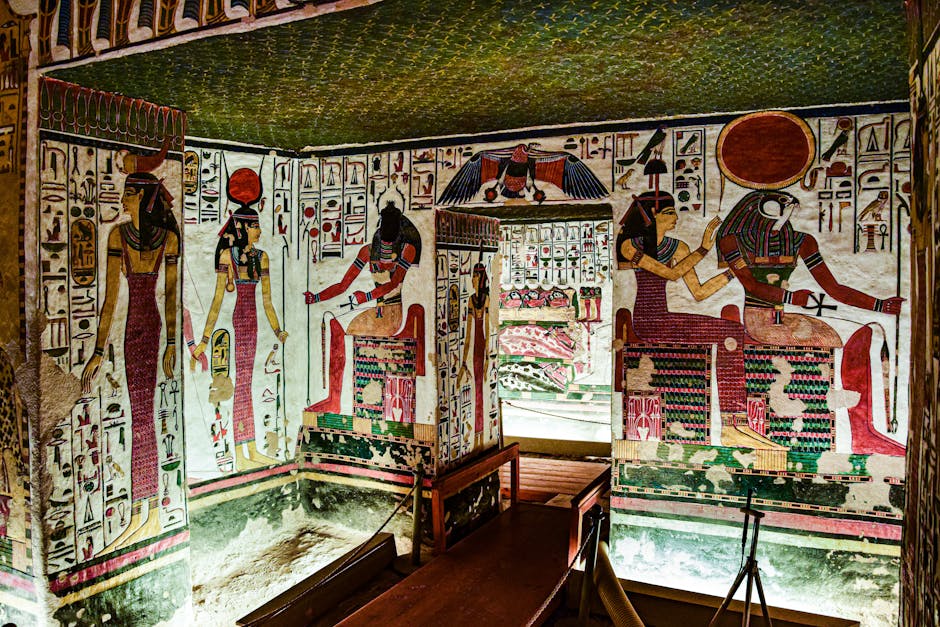
What Is Papyrus?
Papyrus is paper made from the Cyperus papyrus plant, a tall reed that grows along the Nile. The making process: The papyrus art experience continues to be one of the most rewarding parts of any Cairo itinerary.
- Harvest: Papyrus reeds cut from Nile shoreline
- Strip preparation: Outer bark removed, inner pith cut into long strips
- Soaking: Strips soaked in water for 6–7 days to soften and release starch
- Pressing: Strips laid in crosshatch pattern (vertical layer + horizontal layer)
- Pressing again: Pressed under weight for 6–7 days
- Drying: Dried in sun
- Finishing: Surface polished smooth, ready for painting
This 4,500-year-old craft produces durable, beautiful paper that lasts millennia under proper conditions. The papyrus art experience continues to be one of the most rewarding parts of any Cairo itinerary.
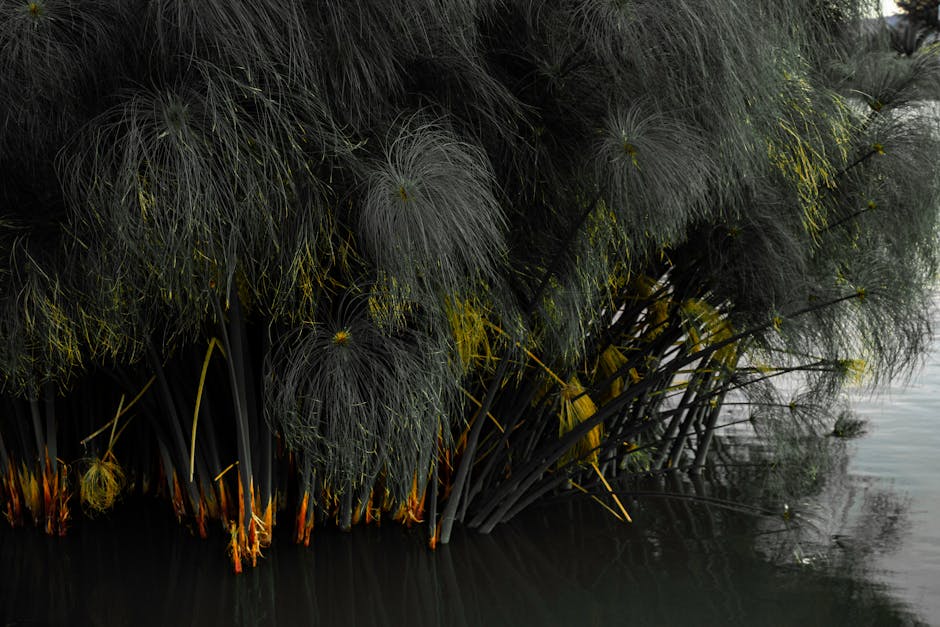
How to Tell Authentic Papyrus from Banana Leaf Fake
Test 1: The Light Test
Hold the papyrus up to a strong light:
- Authentic papyrus: Clear CROSSHATCH pattern visible (vertical AND horizontal fibers)
- Fake (banana leaf): Only PARALLEL lines visible
Test 2: The Weight Test
- Authentic: Surprisingly weighty, substantial in hand
- Fake: Much lighter, almost crisp
Test 3: The Flexibility Test
- Authentic: Slightly flexible — bends without breaking
- Fake: Brittle, cracks or tears easily
Test 4: The Tear Test
- Authentic: Difficult to tear; resists damage
- Fake: Tears easily, almost like regular paper
Test 5: The Water Test (Carefully)
- Authentic: A small drop of water does not damage or fade
- Fake: Color may run; fibers peel
Test 6: The Surface Test
- Authentic: Slightly rough, fibrous; not perfectly uniform
- Fake: Perfectly smooth or with visible parallel grain
Test 7: The Color Variation Test
- Authentic: Natural color variations and minor speckles
- Fake: Uniform, often artificially aged or yellowed
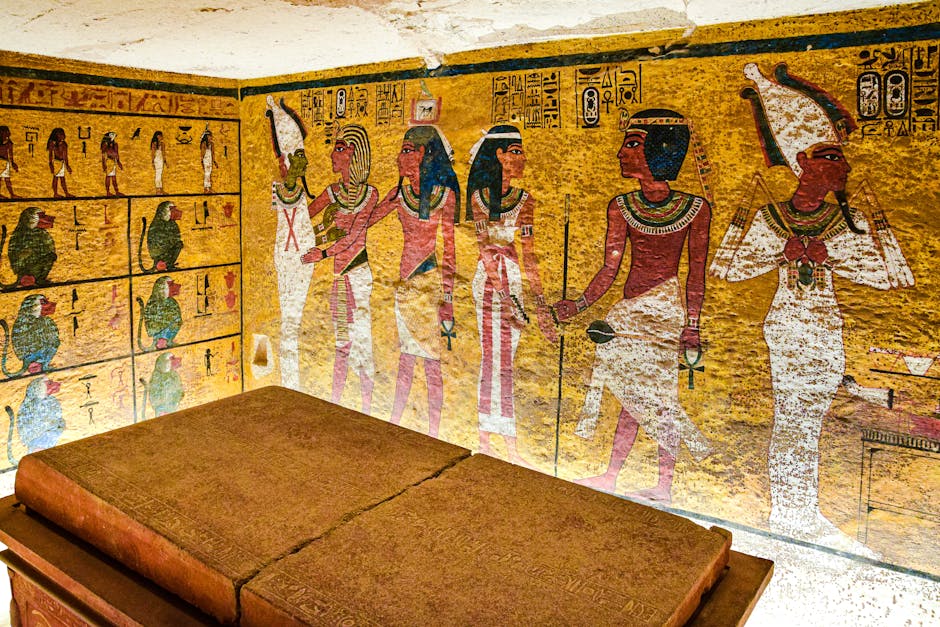
Where to Buy Authentic Papyrus in Cairo
1. Ramses Wissa Wassef Art Centre (Harraniya)
Established 1974 just outside Cairo. Internationally recognized for authentic papyrus production and contemporary papyrus art. Workshop tours available.
- Location: Harraniya village, near Giza
- Atmosphere: Rural, artistic, authentic
- Price range: $50–800+
2. Papyrus Museum (Dr. Ragab’s)
Cairo’s oldest papyrus museum, demonstrating papyrus-making and selling authentic pieces.
- Location: Floating gallery in central Cairo
- Demonstration: Free papyrus-making demonstrations
- Price range: $20–500+
3. Old Cairo Papyrus Museum Ayman Kamel
Family-run authentic papyrus museum and shop with longstanding reputation.
- Location: Old Cairo (Coptic district)
- Specialty: Authentic pharaonic-era reproductions
- Price range: $30–600
4. The Egyptian Museum Gift Shop
The Egyptian Museum’s official shop sells museum-vetted papyrus reproductions.
- Quality: Verified authentic
- Price: Premium
Where NOT to Buy Papyrus
- Khan el-Khalili general stalls: Most “papyrus” is banana leaf
- Street vendors near the Pyramids: 99% fake
- Hotel gift shops: Often fake, always overpriced
- Tourist trap “papyrus institutes” near Pyramids: Many are scams
- Airport souvenir shops: Mixed quality, very expensive
None of that makes Khan el-Khalili a write-off, since the bazaar is still the best place in the city for copper, cartouches and spice, as our guide to what the bazaar does do well sets out.
Authentic Papyrus Art — What to Look For
Common Subjects:
- Pharaonic motifs: Tutankhamun’s mask, scarabs, hieroglyphs, cartouches
- Egyptian gods: Isis, Anubis, Horus, Ra
- Tree of life: Decorative composition
- Egyptian dancers and musicians
- Wedding scenes: Cultural celebrations
- Custom hieroglyphic name renderings
Painting Techniques:
- Hand-painted: Watercolor or tempera applied with brushes
- Screen-printed: Mass-produced (lower value)
- Gold-leaf detail: Premium pieces
- Frame consideration: Many sellers offer wood/glass framing
Those motifs land differently once you have seen the originals in person, so it is worth planning a papyrus purchase around a morning in the museum collections on Tahrir Square.
Papyrus Art Pricing Guide
| Size | Quality | Price Range |
|---|---|---|
| Small (A5) | Authentic, simple | $15–40 |
| Medium (A4) | Authentic, detailed | $40–100 |
| Large (A3) | Authentic, fine | $80–250 |
| Extra Large | Authentic, exceptional | $200–800+ |
| Small (A5) | Banana leaf (fake) | $2–10 |
How Real Papyrus Is Made — A Closer Look
Cyperus Papyrus Plant
The papyrus plant is a tall reed (up to 4 meters / 13 feet) that grows in marshes and along riverbanks. Ancient Egyptians cultivated it extensively along the Nile Delta and Faiyum. The papyrus art experience continues to be one of the most rewarding parts of any Cairo itinerary.
The Crosshatch Lamination Method
The papyrus-making genius is the crosshatch lamination:
- Vertical strips arranged side-by-side, slight overlap
- Horizontal strips arranged perpendicular over the verticals
- Pressed under weight while wet
- Plant’s natural starches bind the layers
- Dried under sun
- Result: Durable paper with characteristic crosshatch fiber pattern
Why It Lasts So Long
Properly made papyrus can last 2,000+ years. The Dead Sea Scrolls, the Book of the Dead, and ancient Egyptian administrative records have survived because of papyrus’s structural integrity. The papyrus art experience continues to be one of the most rewarding parts of any Cairo itinerary.
Custom Cartouches on Papyrus
A popular Egyptian souvenir is a custom hieroglyphic cartouche on real papyrus:
- Process: Vendor translates your name into hieroglyphics, hand-paints onto papyrus
- Time: 30–60 minutes for completion
- Price: $25–80 depending on size and complexity
- Mounting: Frame or scroll options
- Gift potential: Excellent personal gift
How to Care for Your Papyrus Art
- Frame under glass: Protects from dust and humidity
- Avoid direct sunlight: Fades colors over time
- Maintain low humidity: Avoid bathrooms or damp areas
- Keep at room temperature: Extremes damage fibers
- Don’t fold: Always store flat or rolled
- Avoid plastic storage: Acidic plastics accelerate aging
- Use archival materials: Acid-free mat boards for framing
Transporting Papyrus Home
- Rolled in a tube: Safest transport method
- Cardboard rolls: Provided by reputable shops
- Carry-on luggage: Best to keep with you, not checked
- Customs: Generally no restrictions on papyrus exports (modern reproductions)
- Genuine ancient papyrus: Illegal to export — only buy reproductions
Papyrus Art Buying Tips
- Always perform the light test before buying
- Ask the seller to demonstrate papyrus-making
- Get a certificate of authenticity from established shops
- Compare similar pieces at 2–3 shops before deciding
- Hand-painted pieces > screen-printed pieces
- Negotiate prices (even at “fixed-price” shops)
- Watch for “fake aging” — artificial yellowing is a red flag
- Ask the artist’s name when possible
- Photograph the piece before buying for documentation
- Use a rolled tube for transport home
Even galleries with a printed price list expect a counter-offer, and the conversation goes better with opening lines that actually work than with a blunt number.
Papyrus Art Buying Guide Cairo — FAQ
How can I tell real papyrus from fake?
Hold to light — real papyrus shows crosshatch fibers; fake (banana leaf) shows only parallel lines. The papyrus art experience continues to be one of the most rewarding parts of any Cairo itinerary.
How long does real papyrus last?
2,000+ years properly stored. The Dead Sea Scrolls and Egyptian Book of the Dead are papyrus.
How long does fake (banana leaf) papyrus last?
Months to a few years before becoming brittle and unusable.
Where’s the most authentic place to buy papyrus?
Ramses Wissa Wassef Centre (Harraniya), Papyrus Museum (Dr. Ragab’s), Old Cairo Papyrus Museum Ayman Kamel. The papyrus art experience continues to be one of the most rewarding parts of any Cairo itinerary.
What’s a fair price for hand-painted papyrus?
$15–250 depending on size and detail. Small authentic pieces start around $15.
Why is most papyrus in tourist shops fake?
Real papyrus is expensive to produce. Banana leaf is cheap and looks similar at first glance.
Can I get a custom cartouche on papyrus?
Yes — many shops paint your name in hieroglyphics on real papyrus in 30–60 minutes.
Should I get my papyrus framed in Cairo?
Optional — rolling is safer for transport. Frame at home with archival materials.
Can I take papyrus through customs?
Yes for modern reproductions. Genuine ancient papyrus cannot legally be exported.
How do I clean papyrus?
Soft brush only. Never use water or chemicals.
What’s the most iconic papyrus motif?
Tutankhamun’s gold death mask is most popular; the Eye of Horus is also iconic.
Should I buy from the seller who shows me how it’s made?
Demonstrations are sometimes scams (showing real papyrus but selling fake). Verify with light test before buying.
How big should I get?
A4 size (medium) is most popular — good balance of detail visibility and packability.
Can I trust the Egyptian Museum gift shop?
Generally yes — museum-vetted authentic pieces, though premium-priced.
Is papyrus a good gift?
Excellent — meaningful, unique, and lasting if authentic.
Pulling It Together
The papyrus art buying guide Cairo ultimately comes down to one simple test: hold the paper to a strong light. If you see a clear crosshatch pattern, it’s real. If you see only parallel lines, it’s banana leaf. Real papyrus is worth the investment — beautiful, meaningful, and built to last centuries. Visit Ramses Wissa Wassef Centre, the Papyrus Museum, or Old Cairo Papyrus Museum Ayman Kamel for authentic pieces. Skip the Pyramids-area “papyrus institutes” — they’re almost universally tourist traps. A real papyrus painting may be the single most enduring souvenir you bring home from Egypt.
The same instinct that spots a fake sheet works on other counters too, whether you are weighing loose cumin and hibiscus by the scoop, sifting through second-hand furniture and old brassware, or retreating to air-conditioned floors with fixed price tags.
Authoritative Sources
There is now a straightforward way to avoid this problem entirely if you are heading to Giza anyway. The Grand Egyptian Museum’s own shop sells licensed reproductions at fixed, transparent prices, which makes it one of the few places on that side of the city where what you buy is what the label says. Our guide to the museum shop and its other facilities covers what is worth buying there and what is not.