This article contains advertising. Our booking links are routed through a partner that adds commission tracking automatically, so if you book through one we earn a commission from the provider, at no extra cost to you. It never affects what we recommend. Affiliate disclosure
Egyptian customs and etiquette for tourists: Egypt is a deeply traditional, predominantly Muslim country where cultural respect matters. Understanding basic etiquette transforms your trip from awkward to authentic: use your right hand for greetings and eating, dress modestly especially at religious sites, ask permission before photographing people, accept hospitality graciously (tea/coffee offers), tip generously (baksheesh culture), keep public displays of affection minimal, learn basic Arabic greetings, and be patient with slower-paced service expectations. Get these basics right and Cairenes will welcome you warmly — most Egyptians are extraordinarily hospitable to respectful visitors.
Get a handful of small courtesies right and Cairo opens up, which is what this guide to Egyptian customs and etiquette for tourists is for: religious sites, social customs, table manners and cultural respect, current for 2026. The wider context lives in our pillar on Cairene culture and daily norms, with detail on how the city shifts during Ramadan and what nobody tells you before a first visit.
Greeting Etiquette
- Handshake: Standard between same-gender; men typically wait for women to extend hand first
- Verbal greeting: “As-salamu alaykum” (peace be upon you) — universal Muslim greeting
- Response: “Wa alaykum as-salam” (and upon you peace)
- Casual: “Marhaba” (hello) works in any context
- Eye contact: Brief, polite — extended eye contact can feel intense
- Smile: Universally appreciated

Religious Site Etiquette
Mosques
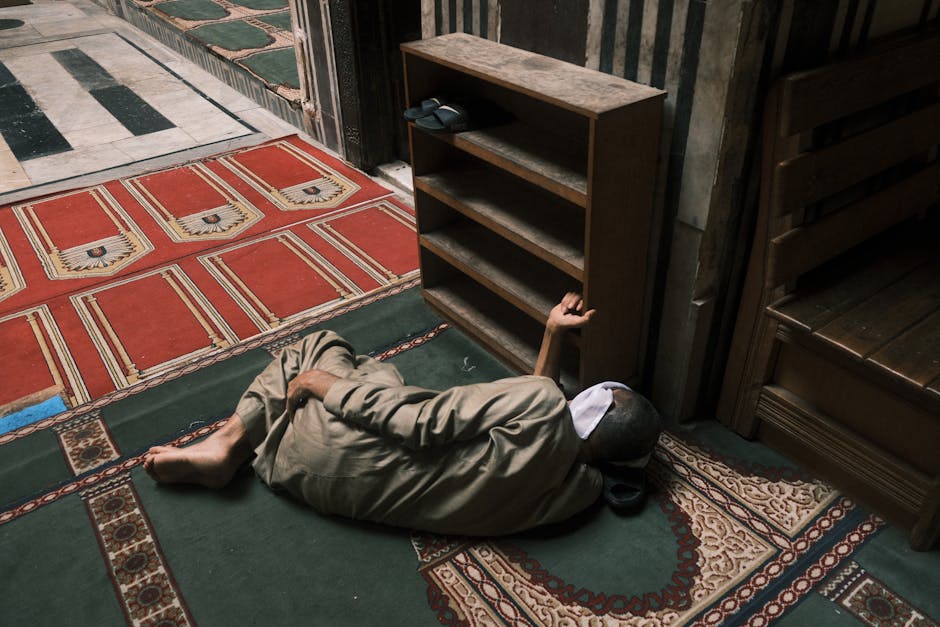
- Remove shoes before entering
- Modest dress: long pants/sleeves; women cover hair
- No prayer time photography
- Quiet voice
- Don’t walk in front of praying people
- Donations welcome but not required
- Women may have separate sections
Coptic Churches
- Modest dress (long sleeves, no shorts)
- Women may need to cover hair
- Quiet, respectful behavior
- Photography varies by church
Shoes off, hair covered and voices low will carry you politely through any mosque, including the thousand-year-old seat of Sunni learning.
Dining Etiquette
At Restaurants
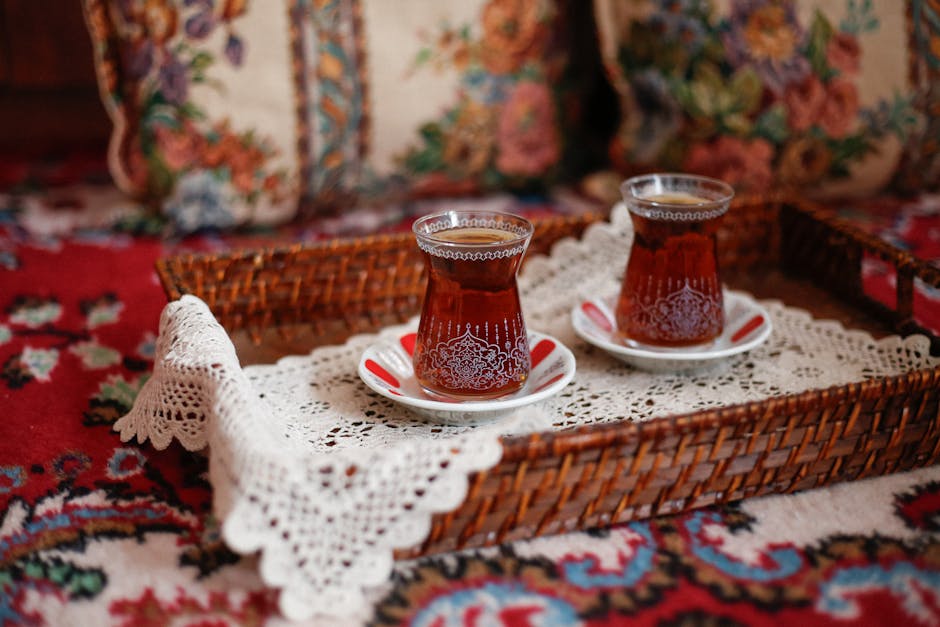
- Eat with right hand (left is considered unclean)
- Tip 10-15% (separate from service charge)
- Receive bread with both hands
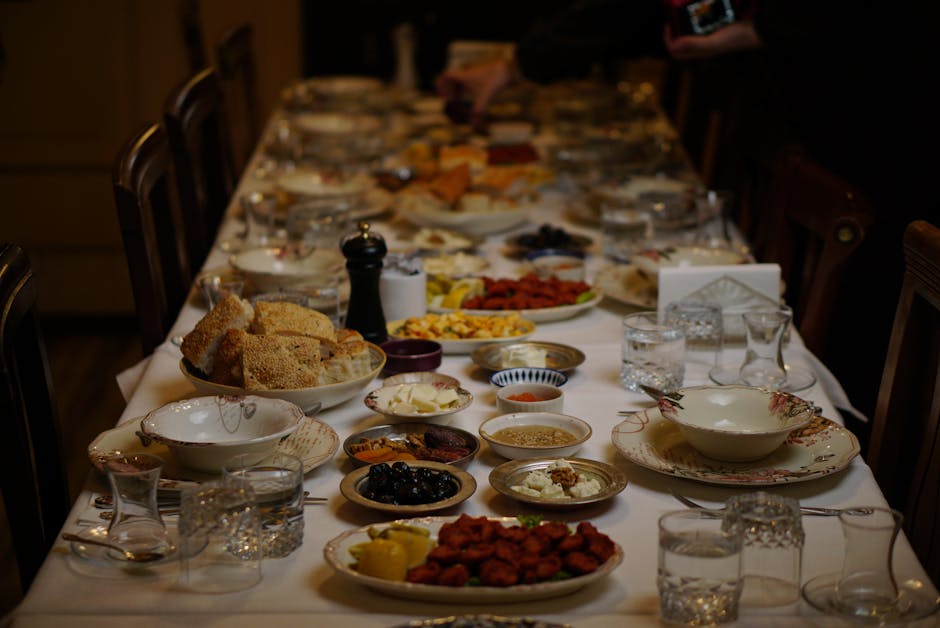
- Try a bit of everything offered
- Don’t refuse hospitality (small bites suffice)
- Wait for host to start eating
- Complimenting food appreciated
If Invited to a Home
- Bring small gift (sweets, flowers)
- Remove shoes when entering
- Eat what’s served
- Refuse seconds politely several times before accepting
- Don’t ask to tour bedrooms/private areas
- Thank hosts profusely on departure
Hand and Body Etiquette
- Right hand: Use for greetings, eating, giving/receiving
- Left hand: Considered unclean — avoid for greetings and food
- Feet: Don’t show soles of feet to others
- Pointing: Use whole hand, not finger
- Public displays of affection: Keep minimal
- Same-sex hand-holding: Common among friends — not romantic
Photography Etiquette
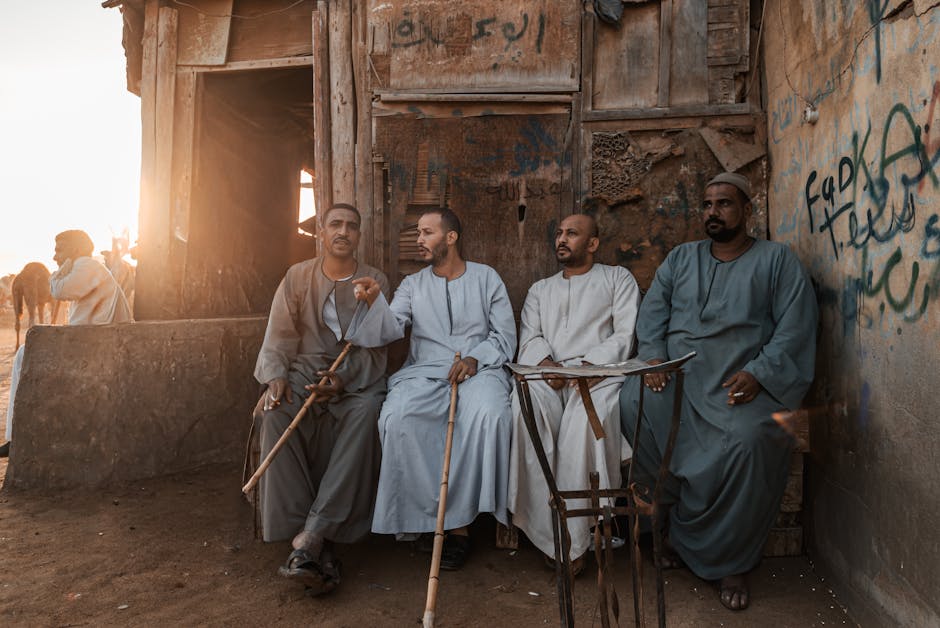
- Always ask permission before photographing people
- Avoid photographing women without explicit permission
- Don’t photograph military, police, government buildings
- Be discreet at religious sites
- Tip those who pose (£E 5-20)
- Children can usually be photographed but ask parents
- Avoid photographing impoverished scenes as “exoticism”
Conversation Topics
Welcome Topics
- Family
- Egypt’s history and pyramids
- Food and Egyptian cuisine
- Football (Al Ahly vs Zamalek)
- Your travel impressions
- Egyptian hospitality
Avoid or Be Careful
- Politics and government criticism
- Religion debate
- Israeli relations
- Personal income
- Critical comments about Egypt
Religious debate belongs on the careful list, but genuine curiosity does not, and an hour among Egypt’s early Christian art and manuscripts gives you something informed to ask about.
Tipping (Baksheesh)
Tipping is cultural expectation:
- Restaurant: 10-15%
- Taxi: 10% rounded up
- Hotel staff: £E 10-50
- Tour guide: $20-40/day
- Bathroom attendant: £E 5-10
- Any small service: Carry small bills
Those figures are the short version. The long one, service by service, is in our breakdown of what baksheesh really costs.
Dress Code Basics
- Women: Cover shoulders, knees; cover hair in mosques
- Men: Long pants in religious sites; shorts OK in tourist areas
- Both: Avoid revealing clothing in public
- Modesty: Increases respect from locals
Time and Patience
- Egyptian time: Slower than Western pace
- “Bukra inshallah”: “Tomorrow, God willing” — common
- Punctuality: 30-60 min late common
- Service: Patient, friendly approach works best
- Plans: Flexible — expect changes
Language Etiquette
- Learn basic Arabic phrases (shows respect)
- Most tourist-area Egyptians speak English
- “Inshallah” (God willing) — appropriate in many contexts
- “Shukran” (thank you) — universally appreciated
- “Afwan” (you’re welcome / sorry)
- Speak slowly if Egyptian English is limited
Drinking and Smoking
- Alcohol: Permitted in tourist areas and hotels; avoid in conservative neighborhoods
- Smoking: Common everywhere; shisha cafes popular
- Drugs: Strictly illegal; harsh penalties
- Ramadan: Don’t eat/drink/smoke publicly during daylight
Gift Giving
- Welcomed when visiting homes
- Sweets, flowers, small souvenirs from your country
- Avoid alcohol (Muslim hosts)
- Avoid pork products
- Gifts should be wrapped
- Receive with both hands
Bargaining Etiquette
Expected in souks but with rules:
- Smile and stay friendly
- Never insult merchandise
- Walk away politely if no deal
- Bargain only if you intend to buy
- Final price = handshake = deal
Staying friendly and never insulting the merchandise will get you most of the way, and the rest of the technique sits in our guide to haggling in Khan el-Khalili.
Common Mistakes
- Public affection (kissing, hugging in public)
- Refusing offered tea/hospitality
- Showing soles of feet
- Touching people unnecessarily
- Drinking water during Ramadan in public
- Loud behavior
- Pointing camera at women without asking
- Discussing politics critically
- Forgetting baksheesh
- Comparing prices to other countries
Egyptian Customs and Etiquette FAQ
Why use the right hand?
Left hand traditionally considered unclean. Use right for all greetings and food.
Should I learn Arabic?
A few phrases (“shukran”, “marhaba”) show respect; English widely spoken in tourist areas.
Is it OK to drink alcohol?
Yes in tourist areas, hotels, licensed restaurants. Not in conservative neighborhoods.
Can I take photos of locals?
Always ask first; offer small tip for posed photos.
Should I cover my hair?
Women must in mosques; recommended in conservative areas.
Are public bathrooms cleaned?
Tip attendant £E 5-10 for cleaner facilities.
Is haggling rude?
No — expected in souks. Modern stores have fixed prices.
How do Egyptians greet?
Handshake (same gender), “As-salamu alaykum” greeting common.
Is hugging acceptable?
Between same gender yes; between opposite genders rare in public.
Can I wear shorts?
Tourist areas yes; religious sites no; modest preferred.
Should I tip?
Yes — baksheesh is cultural expectation everywhere.
What if I make a cultural mistake?
Egyptians are forgiving; sincere apology with hand to heart accepted.
Are Egyptians strict Muslims?
~90% Muslim; varies in observance. ~10% Coptic Christian.
Can I drink water during Ramadan?
Not in public during daylight hours — show respect.
Are political discussions OK?
Best to avoid; complex local context.
Pulling It Together
Egyptian customs and etiquette for tourists boils down to: use your right hand, dress modestly especially at religious sites, ask permission for photos, tip generously (baksheesh), avoid politics and PDA, eat what’s offered, and learn a few Arabic words. Get these basics right and Cairenes will welcome you with extraordinary hospitality — Egyptians are among the world’s warmest people to respectful visitors. The smallest cultural gestures (right-hand greetings, “shukran” thank-yous, dressing modestly at mosques) signal you’re approaching their culture with respect.
Etiquette is easier when the logistics are already sorted. Look at the trip length that suits your pace, what each month feels like on the ground, and how solo visitors find the city.