This article contains advertising. Our booking links are routed through a partner that adds commission tracking automatically, so if you book through one we earn a commission from the provider, at no extra cost to you. It never affects what we recommend. Affiliate disclosure
Bargaining in Cairo markets is a tradition older than the pyramids — a social ritual, a cultural game, and an essential skill for anyone shopping in Egyptian souks. From Khan el-Khalili to Souq al-Tawfiq, vendors expect — and usually enjoy — the back-and-forth negotiation. Master a few simple techniques and you’ll pay 30–60% less than tourists who pay the first asking price, while building genuine rapport with shopkeepers who appreciate the engagement. Refuse to bargain and you’re missing both better prices and authentic cultural exchange.
Haggling in Egypt is a conversation before it is a negotiation, and these bargaining tips for Cairo markets cover the full picture for 2026: the psychology, the opening scripts, the scams that still circulate, and the cultural etiquette behind all of it. Set them against our wider look at buying things in Cairo, our street-by-street guide to the main souk, and the routes you can walk without a guide.
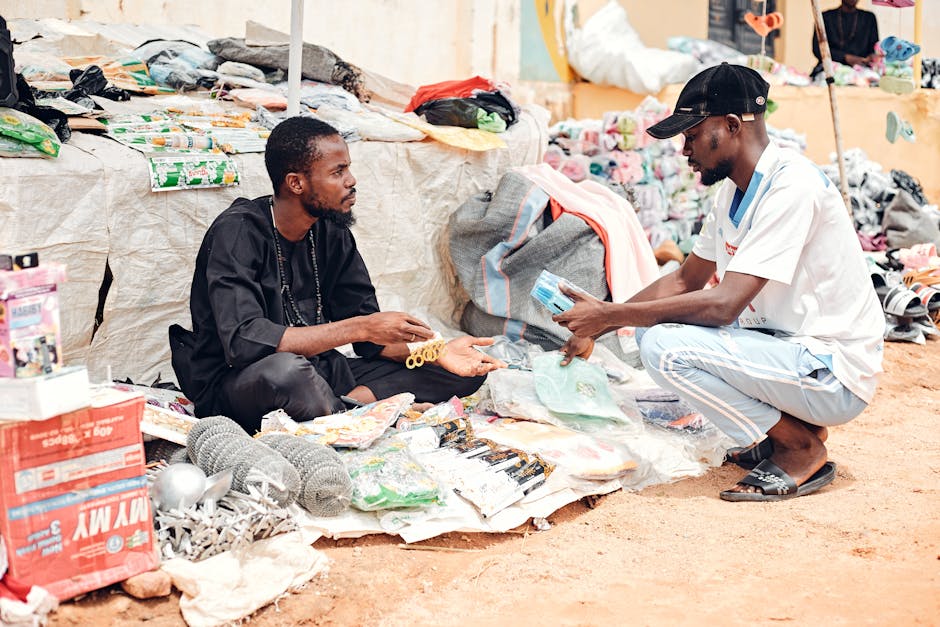
Why Bargaining Matters in Cairo
Bargaining isn’t just about saving money. It’s:
- Expected: Vendors mark prices 200–400% above what they’ll accept
- Social: Many shopkeepers genuinely enjoy the negotiation
- Cultural: Refusing to bargain can be considered rude or naive
- Practical: The bargaining process reveals item value, quality, and seller honesty
- Financial: Skilled bargainers save 30–60% versus first-price tourists
Saving 30–60% against first-price tourists only means something once you know where the rest of the money goes, which is what our breakdown of what a Cairo trip really costs is for.
The Mindset for Cairo Market Bargaining
Before stepping into a Cairo souk, internalize these mental rules:
- It’s a game, not a battle: Smile, joke, enjoy the process
- Walk in with a target price: Know what you’d genuinely pay before starting
- The first price is theatrical: Vendors expect it to drop significantly
- Be willing to walk away: This is your strongest negotiation tool
- Respect, not insult: Never insult the merchandise or vendor
- Patience pays: Time is on your side
- Cash is power: Bring small denominations of Egyptian pounds
The 7-Step Cairo Bargaining Method
Step 1: Show Genuine Interest
Pick up the item, examine it carefully, compliment its craft. Don’t oversell your interest — but don’t pretend you don’t care either. The bargaining tips for Cairo markets experience continues to be one of the most rewarding parts of any Cairo itinerary.
Step 2: Ask “How Much?”
In Arabic: “Bikam?” The vendor will give you an inflated tourist price.
Step 3: React With Surprise
Look genuinely surprised at the price. Pause. Shake your head slightly. Even laugh kindly. This signals the price needs to drop. The bargaining tips for Cairo markets experience continues to be one of the most rewarding parts of any Cairo itinerary.
Step 4: Counter at 25–35%
Offer 25–35% of the asking price as your opening counter. This is normal in Egypt and won’t offend. The bargaining tips for Cairo markets experience continues to be one of the most rewarding parts of any Cairo itinerary.
Step 5: Negotiate Up Gradually
Increase your offer 5–10% at a time as the vendor decreases. Final fair price usually lands at 40–60% of original ask. The bargaining tips for Cairo markets experience continues to be one of the most rewarding parts of any Cairo itinerary.
Step 6: Use the Walk-Away
If price isn’t moving, smile, thank them, and walk away. About 70% of the time the vendor will call you back with a better offer. The bargaining tips for Cairo markets experience continues to be one of the most rewarding parts of any Cairo itinerary.
Step 7: Close the Deal
When prices meet your target, agree quickly and pay in exact cash if possible. Add a smile and “shukran” (thank you). The bargaining tips for Cairo markets experience continues to be one of the most rewarding parts of any Cairo itinerary.
The seven steps work on brass, textiles and papyrus, but gold follows its own logic, because you negotiate the workmanship fee rather than the metal, as explained in how Egyptian gold is actually priced.
Bargaining Scripts (English with Arabic Cues)
| Situation | What to Say |
|---|---|
| Opening question | “How much for this?” / “Bikam dah?” |
| Polite refusal to first price | “That’s too much for me” / “Da ghali awi” |
| Counter-offer | “I can pay [X EGP]” — name a low number confidently |
| Walk-away | “Thank you, I’ll think about it” / “Shukran, ana hafakkar” |
| Close | “OK, deal” / “Tamam” |
| Thank you | “Shukran” (thank you) |
| You’re welcome | “Afwan” |
Common Cairo Market Scams and How to Avoid Them
1. The “Made by My Brother” Story
Vendors claim items are uniquely handmade by family. Sometimes true, often not. Verdict: don’t pay extra for these claims unless you can verify. The bargaining tips for Cairo markets experience continues to be one of the most rewarding parts of any Cairo itinerary.
2. The Dollar Price Markup
Vendor quotes in dollars (e.g., “$50”). You ask in pounds — they give a worse exchange rate. Verdict: Always negotiate in Egyptian pounds. The bargaining tips for Cairo markets experience continues to be one of the most rewarding parts of any Cairo itinerary.
3. The “Special Price for You”
Vendors claim a special tourist discount. The “special price” is almost always 2–3x the actual local price. Verdict: Treat this as the starting point, not the discount. The bargaining tips for Cairo markets experience continues to be one of the most rewarding parts of any Cairo itinerary.
4. The “Free Tea” Trap
Vendors offer you tea. You feel obligated to buy. Verdict: Free tea is normal hospitality — drink it without obligation. The bargaining tips for Cairo markets experience continues to be one of the most rewarding parts of any Cairo itinerary.
5. The Wrong Change
You hand over a large note; vendor returns less change than expected. Verdict: Bring small denominations, count change carefully. The bargaining tips for Cairo markets experience continues to be one of the most rewarding parts of any Cairo itinerary.
6. Fake Antiques
“Genuine” pharaonic antiquities. Real antiquities cannot legally be exported from Egypt. Verdict: Almost always reproductions — pay accordingly. The bargaining tips for Cairo markets experience continues to be one of the most rewarding parts of any Cairo itinerary.
7. The Switcheroo
You see one quality, the wrapped product is different. Verdict: Inspect the specific item you’re buying before paying. The bargaining tips for Cairo markets experience continues to be one of the most rewarding parts of any Cairo itinerary.
8. The “Just $1 More”
After agreeing on a price, vendor asks for “just $1 more” for packaging, etc. Verdict: Stick to the agreed price firmly.
Bargaining Cultural Etiquette
DO:
- Smile and maintain friendly tone
- Compliment the merchandise
- Be patient — vendors enjoy the process
- Walk away if needed — vendors often call you back
- Use Arabic phrases — vendors appreciate the effort
- Tip extra for genuinely good service or craft
- Buy multiples for bigger discounts
DON’T:
- Insult the merchandise or price
- Be condescending or arrogant
- Compare to other vendors (rude)
- Start bargaining if you won’t buy
- Make eye contact with items you don’t want
- Get angry or aggressive
- Bargain on small items (under 50 EGP — not worth the energy)

Haggling sits inside a wider set of social rules — the ritual round of tea, the left-hand taboo, how much eye contact reads as friendly rather than rude. Reading up on everyday Egyptian manners before you shop makes the whole exchange smoother, and usually cheaper.
Price Anchoring: Realistic Cairo Souk Prices
| Item | Initial Ask | Fair Final Price |
|---|---|---|
| Small papyrus painting | $30–50 | $5–10 |
| Silver scarab pendant | $80–120 | $25–40 |
| Gold cartouche (small) | $200–300 | $80–150 |
| Brass coffee tray | $60–100 | $20–35 |
| Egyptian lantern (medium) | $80–150 | $25–50 |
| Hand-loomed scarf | $30–50 | $8–15 |
| 250g spice (cumin/coriander) | $15–25 | $3–6 |
| Hookah (small) | $120–200 | $40–70 |
| Leather wallet | $50–80 | $15–25 |
| Alabaster bowl (small) | $40–60 | $10–18 |
Knowing that a hand-loomed scarf should land near $8–15 is only half the job. The other half is which of these are worth buying in the first place.
Where to Bargain in Cairo
- Khan el-Khalili Bazaar: The main market — bargaining is universal
- Al-Muizz Street: Smaller shops, still negotiable
- Souq al-Tawfiq: Downtown spice and food market
- El-Sagha gold district: Within Khan el-Khalili
- Wikalat al-Ghouri: Restored caravanserai with artisan shops
- El-Mokattam handicraft market: Direct from artisans
- Roadside stalls: Almost always negotiable
Where NOT to Bargain
- Modern shopping malls: Citystars, Mall of Egypt, Cairo Festival City — fixed prices
- Department stores
- Pharmacies
- Restaurants: Menu prices are firm
- Hotels: Standard rates, though weekly stays may negotiate
- Authentic antique galleries: Some have fixed prices
Bargaining With Taxi Drivers
Cairo taxis often require bargaining if not using Uber/Careem. Tips:
- Agree on price BEFORE entering taxi
- Confirm price in Egyptian pounds, not dollars
- If meter exists, ask driver to use it
- If no meter, ~3–4 EGP/km is fair
- Tip 10% for good service
Bargaining Tips for Cairo Markets — FAQ
Should I always bargain?
In souks/bazaars, yes. In modern malls and restaurants, no.
How much should I offer first?
25–35% of the asking price. Final price usually settles at 40–60% of original.
Is bargaining rude?
The opposite — it’s expected and culturally appreciated.
What if the vendor seems offended?
Likely theatrical. Most vendors enjoy the negotiation game.
Can I bargain in modern stores?
No. Modern shopping malls, supermarkets, and department stores have fixed prices.
What language should I bargain in?
English is widely understood in tourist areas. A few Arabic phrases (“shukran”, “bikam”) build rapport.
Are tea offers binding?
No. Drinking tea is hospitality, not commitment.
What if I’m bad at bargaining?
Hire a local guide for major purchases or stick to fixed-price shops.
How do I know I got a fair price?
Compare with 3–5 vendors before buying. Local Egyptian price is your benchmark.
Should I use credit cards?
Cash gives you negotiation power. Most souk vendors don’t accept cards anyway.
Can I bargain on services (taxis, guides)?
Yes — agree on price before service begins.
Is it OK to walk away?
Yes — walking away is a key technique. About 70% of vendors call you back.
How do I close the deal?
When price meets target, say “OK” or “tamam”, pay in cash, thank them, and leave.
What’s the best Arabic phrase?
“Shukran” (thank you) and “Bikam?” (how much?) cover most situations.
Should I tip after bargaining?
Not on the purchase price. Tip for added services like packaging.
Pulling It Together
Mastering bargaining tips for Cairo markets transforms shopping in Cairo from confusing to genuinely fun. The key is mindset: it’s a game, not a battle. Smile, take your time, walk away when needed, and remember that vendors expect — and often enjoy — the negotiation as much as you might. With these techniques, you’ll pay 40–60% less than first-time tourists while building genuine rapport with shopkeepers. Welcome to one of the oldest trading traditions on earth.
Practise the technique where it counts, which usually means the stalls selling work made by hand in Cairo workshops, the dealers trading in old furniture and collectable pieces, and the shops where real papyrus is sold beside the fakes.