This article contains advertising. Our booking links are routed through a partner that adds commission tracking automatically, so if you book through one we earn a commission from the provider, at no extra cost to you. It never affects what we recommend. Affiliate disclosure
If you want to understand how Cairo really eats, come during Ramadan. For one lunar month the whole city holds its breath from dawn to dusk, then breaks the fast together the second the cannon fires. Ramadan food in Cairo is less a menu than a daily event: the hush of an empty street at 5pm, the scramble of waiters laying out dates and soup, and then a roar of relief as twelve million people pick up a spoon at the same moment.
I’ve broken fast at a sidewalk table in Islamic Cairo and at a white-linen hotel terrace under the Pyramids in the same week, and both were memorable in completely different ways. This guide covers what’s actually on the table at iftar and suhoor, the sweets and drinks that only show up this month, where to eat as a visitor, and the etiquette that keeps you on the right side of a fasting city. In 2026, Ramadan ran from 19 February to roughly 18–19 March, with Eid al-Fitr around 20 March — useful to know, because the dates slide about 11 days earlier each year.
The Iftar Moment: Breaking the Fast at Sunset
Nothing else in Cairo’s calendar matches the ten minutes before sunset during Ramadan. Traffic thins to almost nothing. Shopkeepers shutter early. You’ll see drivers parked on the hard shoulder of the Corniche with a date in hand, waiting. Then the maghrib call to prayer rings out — historically marked by a cannon fired from the Citadel, a tradition that still happens — and the city exhales.
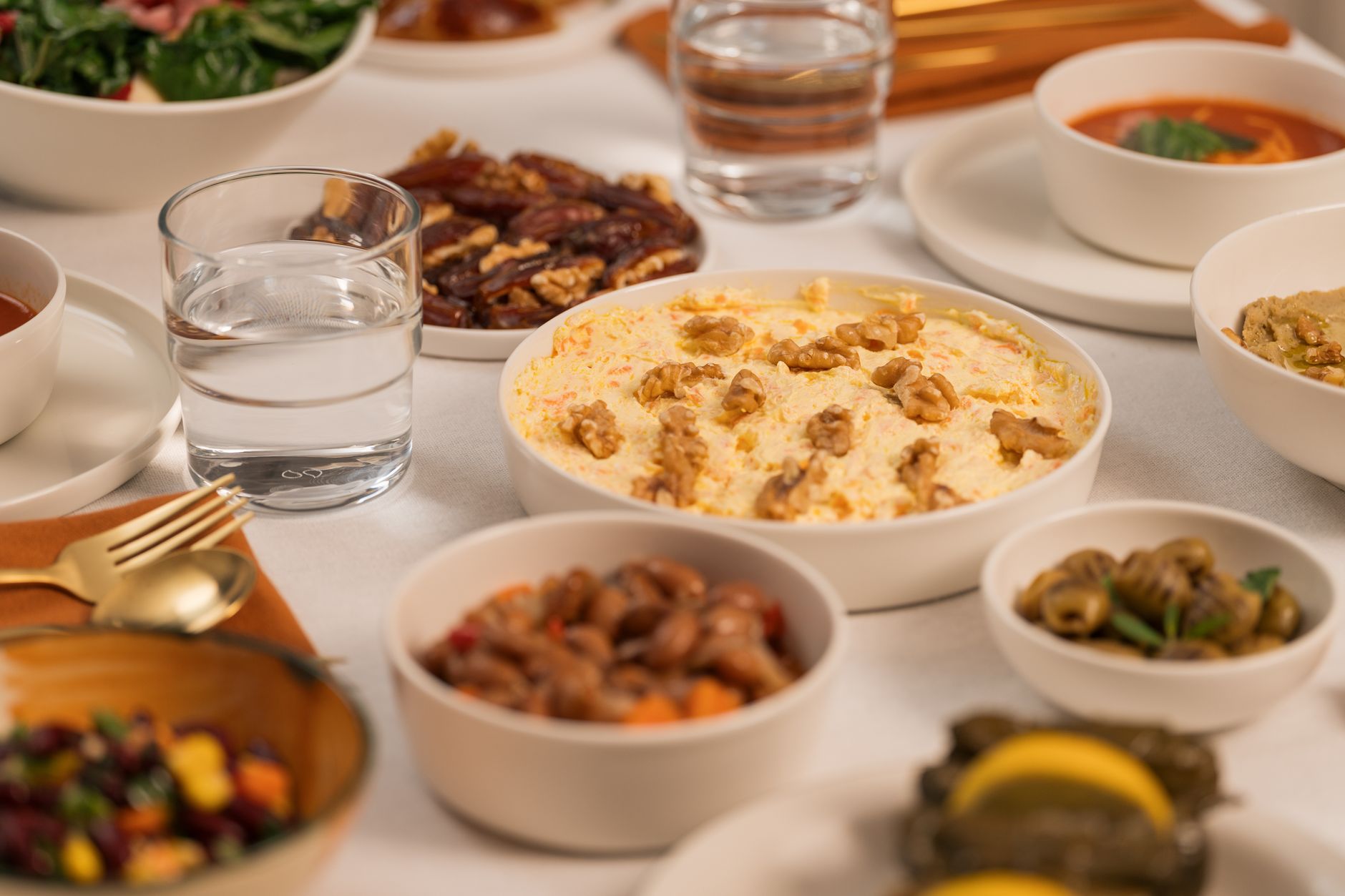
The meal itself follows a rhythm that almost never changes, whether you’re in a working-class flat in Sayeda Zeinab or a five-star ballroom:
- Dates and water first. Three dates, in the tradition of the Prophet, to ease the body back into eating. Often with a glass of milk or apricot juice alongside.
- Soup. Almost always lentil (shorbet ads) — yellow, cumin-scented, finished with lemon and crispy onions. Sometimes a tomato-and-vermicelli soup instead.
- The main spread. This is where Cairo shows off. The signature Ramadan dish is fattah — layers of rice and crisped bread under a garlicky vinegar-and-tomato broth, topped with chunks of lamb or beef. Alongside it you’ll find mahshi (vegetables and vine leaves stuffed with herbed rice), roast duck, hamam mahshi (stuffed pigeon, a genuine delicacy), molokhia, and grilled meats.
- Then dessert, which during Ramadan deserves its own section.
A word of warning if you’re invited to a home iftar: pace yourself. The instinct after watching everyone fast all day is to dive straight into the mains, but the table will keep coming for an hour. For the dishes you’ll meet here in their everyday form, our guide to traditional Egyptian dishes to try in Cairo breaks down what each one is and where it’s done best.
Suhoor: The Quiet Meal Before Dawn
If iftar is the feast, suhoor is the secret. Eaten in the small hours — usually 2 to 4am — it’s the meal that has to carry you through the next day’s fast, so it’s deliberately heavier on slow-burn staples and lighter on showmanship.
Expect foul medames (slow-stewed fava beans, the backbone of the Egyptian morning), eggs, soft white cheeses, yoghurt, and belila — boiled wheat in sweetened milk that releases its energy slowly. There’s bread, pickles, and a deliberate amount of water, because dehydration is the real enemy of a Cairo fast, not hunger.
What makes suhoor worth staying up for as a visitor isn’t only the food — it’s the atmosphere. The old coffeehouses of Khan el-Khalili run flat out until first light. El Fishawy, the 250-year-old café tucked in the alleys off the bazaar, is packed at 3am with people drinking mint tea, smoking shisha, and arguing happily over backgammon. Going from a silent daytime street to that wall of noise and light is one of the strangest, best things about the month.
The Sweets and Drinks That Only Appear in Ramadan
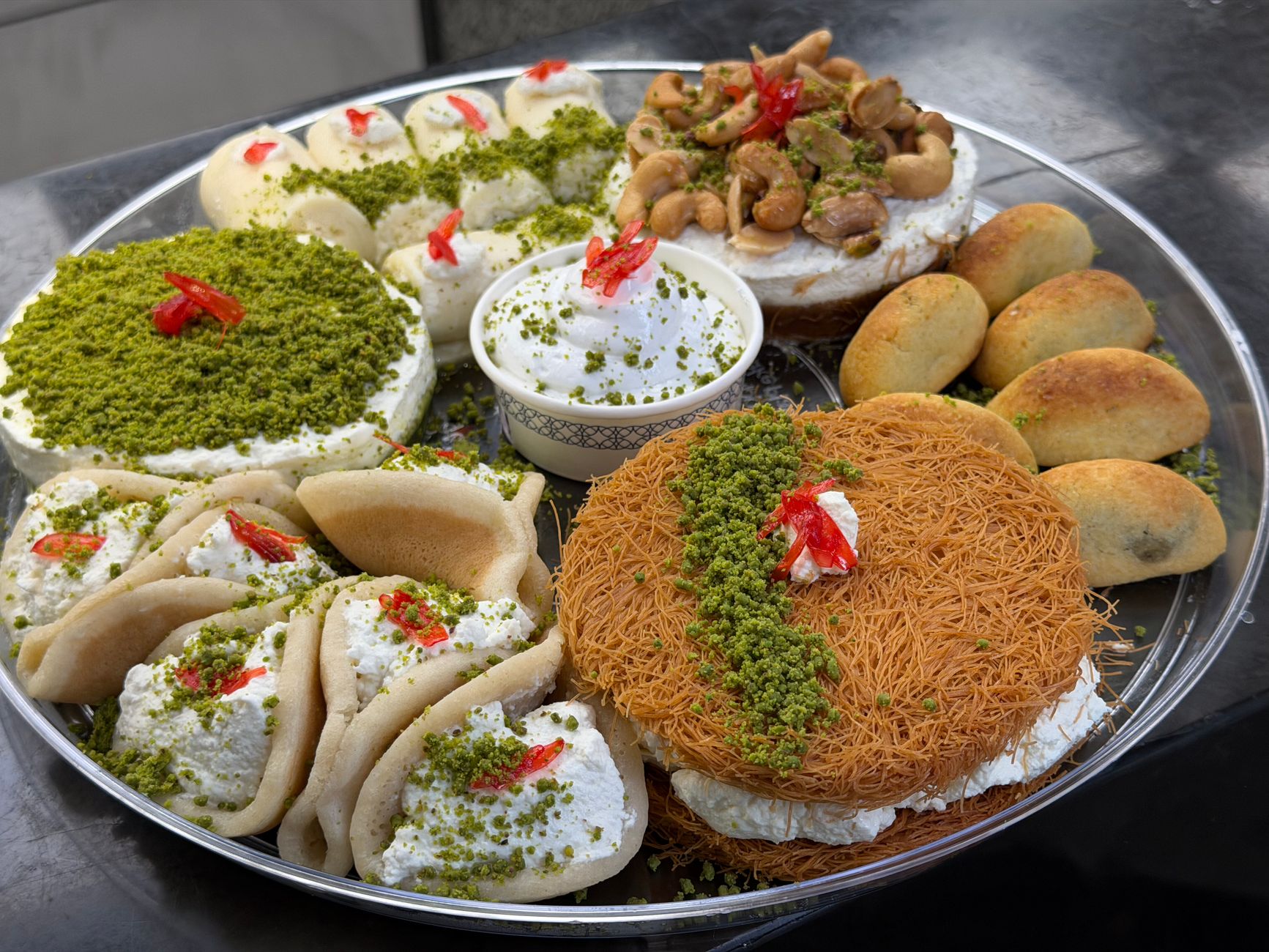
This is the part I’d plan a trip around. Egypt’s dessert culture goes into overdrive during Ramadan, and two sweets in particular are so tied to the month that you’ll struggle to find them properly fresh at any other time.
Qatayef (atayef) are the true Ramadan signature — small folded pancakes stuffed with sweet cheese, clotted cream (eshta), or nuts, then either fried crisp and soaked in syrup or served soft and white. Pop-up stalls selling nothing but qatayef batter, ladled onto hot griddles, appear on street corners across the city the moment the month begins, and vanish the moment it ends.
Konafa (kunafa) is the other heavyweight: fine shredded pastry layered with butter and a filling of cheese, cream, or nuts, baked golden and drenched in orange-blossom or rose syrup. Every year Cairo’s patisseries compete to out-do each other with absurd luxury versions — Nutella konafa, mango konafa, konafa the size of a car tyre. The classic is better than all of them.
Round it out with basbousa (syrup-soaked semolina cake), umm Ali (Egypt’s warm bread-and-milk pudding with nuts and raisins), and mahalabia (rose-scented milk pudding). For these, the names to know are El Abd downtown — the most famous sweet shop in the city, with queues out the door during Ramadan — and Mandarine Koueider in Zamalek for the old-school version.
Then there are the drinks, which are as seasonal as the sweets:
| Drink | What it is |
|---|---|
| Qamar el-din | Thick, sweet apricot nectar made from pressed dried-apricot leather. The iconic Ramadan drink — you’ll see it everywhere. |
| Tamr hindi | Tamarind juice, sweet-sour and dark. The other unmistakable taste of the month. |
| Karkadeh | Hibiscus tea, served hot or chilled, deep ruby red. |
| Sobia | Sweet, milky coconut-rice drink. |
| Erk sous | Liquorice infusion, poured by street vendors from ornate brass tanks strapped to their backs. |
| Khoshaf | A compote of dried fruits and nuts soaked overnight — eaten as much as drunk. |
If sugar isn’t your thing, you’ll still find Cairo’s famous fresh-juice bars going strong; the dessert obsession sits comfortably alongside the savoury end of the city’s food scene, which our wider Cairo Egyptian food guide covers in full.
Ramadan Tents and Lavish Hotel Iftars
Two very different ways to eat out during the month, and I’d genuinely do both.
Ramadan tents (khaymas) are a Cairo institution: big marquees, often pitched in hotel gardens or on the grounds of clubs, decked out with low seating, lanterns, brass tables and live oud or tabla into the small hours. They run iftar and suhoor menus, frequently with a singer and shisha, and they’re as much about staying out late as about the food. They’re festive, loud, smoky and fun. Prices range widely depending on the venue and whether there’s entertainment.
Hotel iftar buffets are the polished end of the spectrum. The big names lay on enormous spreads of every dish above, often with a live fattah or grill station. Standouts I’d point people to:
- Marriott Mena House — iftar on the terrace with the Pyramids floodlit behind you. Hard to beat for sheer setting.
- Four Seasons Nile Plaza and The Nile Ritz-Carlton — refined, Nile-side, extensive Egyptian buffets.
- Cairo Marriott in Zamalek — iftar in the gardens of a 19th-century khedival palace.
Expect roughly 1,500–4,000 EGP per person (about $30–$85) at the top hotels in 2026, with mid-range venues well below that — and note that nearly everything now takes card, even where a few years ago it was cash only. Book one to two weeks ahead; the best slots sell out fast in Ramadan. For the standout dining rooms beyond the holy month too, see our guide to the best restaurants in Cairo.
And don’t overlook the most moving version of all: the mawaid al-rahman, or “tables of the Merciful” — free communal iftars laid out on the street by mosques, charities and well-off locals, feeding anyone who sits down. You’ll see them stretching down whole lanes in older districts. As a visitor you can absolutely join one; bring a small contribution if you can, and accept the welcome graciously.
What’s Open, What’s Closed — and the Etiquette
Here’s the honest picture for a non-fasting visitor, because Ramadan changes the daily rhythm more than any guidebook lets on.
Daytime is slow. Many local restaurants and casual eateries simply don’t open until late afternoon. Shops keep shorter or shifted hours. Government offices and banks run reduced timetables. Staff everywhere are fasting, so service can be a touch slower in the afternoon — meet it with patience, not impatience.
You will not go hungry, though. Hotels serve food and drink all day as normal, and restaurants in tourist zones — around the Pyramids, in Zamalek, in the better parts of downtown — stay open through daylight, usually seating you discreetly indoors or in a screened area. Major attractions stay open (often on slightly shortened hours), so you can still see the city; you simply plan your eating around it.
The etiquette is mostly common sense and kindness:
- Don’t eat, drink, or smoke in the street during daylight. Even as a non-Muslim, doing it in front of fasting people reads as rude. Keep water and snacks for indoors, your hotel, or a taxi.
- Wait for the cannon. If you’re at an iftar, don’t start before sunset — follow the table.
- Say “Ramadan Kareem.” It’s the standard greeting and always lands well.
- Dress modestly, especially in residential and older neighbourhoods.
- Accept invitations. Egyptians routinely invite strangers to break fast, and it’s one of the warmest experiences you can have here. Bring dates, sweets or flowers if you go to a home.
- Alcohol is dialled back. Some upscale hotels still serve it discreetly to non-Muslims; many other venues pause it for the month. Never drink in public.
For the wider rules of the road on tipping, photography, dress and dealing with crowds, our primer on Cairo’s social codes is worth a read before you go.
Timing a trip to land inside the holy month changes far more than lunch: museum hours shift, cafes stay busy past 2am, and the Khan feels like a different city after dark. We cover how the month reshapes a Cairo itinerary, including which sights shorten their days.
Why Ramadan Is a One-of-a-Kind Food Experience
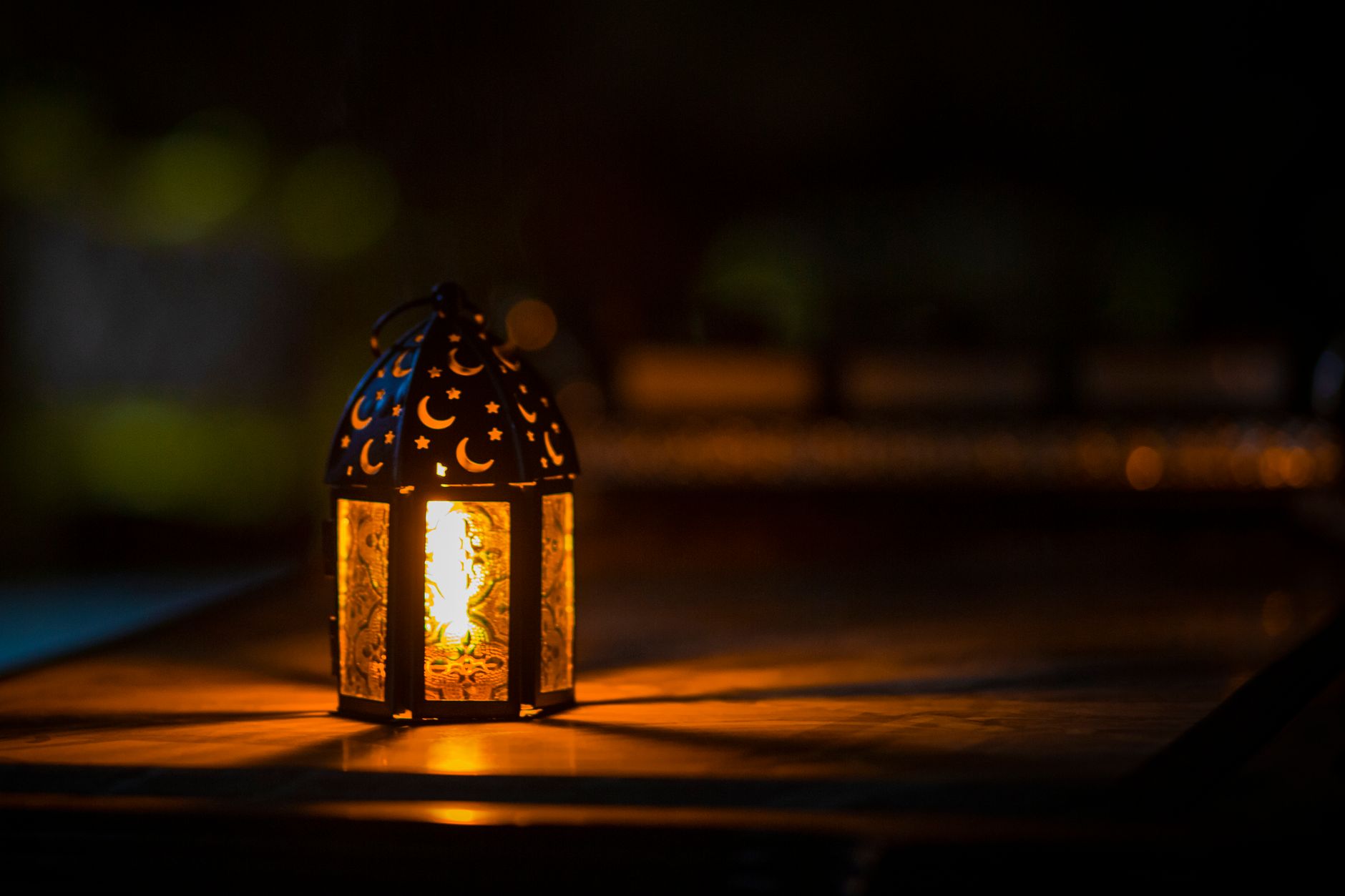
People assume Ramadan is a bad time to visit Cairo for food. It’s the opposite. Yes, you trade some daytime convenience — but in return you get a city eating with an intensity and generosity you’ll see nowhere else on the calendar. Khan el-Khalili after iftar, lit by hundreds of fanous lanterns with dessert vendors working the crowd and oud music drifting out of the cafés, is Cairo at its most atmospheric, full stop.
An ideal Ramadan evening looks something like this: wander the bazaar before sunset while the stalls set up; break fast at a hotel or a street table the moment the cannon goes; walk the illuminated length of Al-Muizz Street while everyone’s still glowing from the meal; then settle into El Fishawy for tea, shisha and a plate of qatayef until well past midnight. If you’d rather build a fuller plan around the markets, the lantern streets and the night atmosphere, our things to do in Cairo guide sets out the rest.
The oud drifting out of those Khan el-Khalili cafés is not a Ramadan installation, since El Fishawy and its neighbours keep the same brass tables and mint tea going all year as part of the everyday coffee house side of Cairo.
Frequently Asked Questions
When is Ramadan in Cairo, and when is the best time to come for the food?
Ramadan 2026 fell on 19 February to about 18–19 March, with Eid al-Fitr around 20 March. The dates move roughly 11 days earlier each year, so Ramadan 2027 will begin in early-to-mid February (confirmed only by moon sighting closer to the time). The food is fullest in the first three weeks — the final days wind down as people prepare for Eid.
What is the most iconic Ramadan dish and dessert?
Fattah — layered rice, crisp bread and meat in garlic broth — is the signature savoury dish. For sweets, it’s a toss-up between konafa and qatayef; the qatayef in particular is almost exclusive to the month.
Can tourists eat during the day in Cairo during Ramadan?
Yes. Hotels serve all day, and tourist-area restaurants stay open, typically seating you indoors. Just avoid eating, drinking or smoking on the street in daylight out of respect for those fasting.
How much does a hotel iftar cost in 2026?
Roughly 1,500–4,000 EGP per person (about $30–$85) at the leading five-star hotels, and considerably less at mid-range venues. Card payment is now standard. Book one to two weeks ahead.
Can I join a free community iftar as a visitor?
Absolutely. The street “tables of the Merciful” welcome everyone, regardless of faith. Sit down, accept the hospitality, and offer a small contribution if you’re able.
Is it really worth visiting Cairo during Ramadan?
If you care about food and atmosphere, yes. You sacrifice a little daytime ease, but the nightly feasting, the lantern-lit streets and the open-armed generosity give you a side of Cairo most visitors never see.
Related Reading
- Cairo Egyptian Food Guide — the full overview of what and where to eat.
- Traditional Egyptian Dishes to Try in Cairo — the staples behind the iftar table.
- Best Street Food in Cairo — for the qatayef stalls and juice bars.
- Best Restaurants in Cairo — where to book your iftar buffet.
- Cairo Culture & Etiquette Guide — how to read the city respectfully.