This article contains advertising. Our booking links are routed through a partner that adds commission tracking automatically, so if you book through one we earn a commission from the provider, at no extra cost to you. It never affects what we recommend. Affiliate disclosure
Planning your first time visiting Cairo comes down to six things, in this order: sort your visa before you fly, bring a bank card that works abroad, install Uber or Careem, book your Grand Egyptian Museum and Pyramids tickets online, pack modest and light, and budget two or three sights a day — not five. Get those right and the city stops fighting you. This guide walks through each one the way a friend who’s done it would.
I’ll be honest about what’s changed recently, because Cairo in mid-2026 is not the Cairo of the old guidebooks. The Grand Egyptian Museum is fully open. The big monuments stopped taking cash. The visa fee went up in March. Half the “tips” floating around online are quietly out of date, and a first-timer who follows them ends up at a ticket window with a fistful of useless pounds. So let’s start with the stuff that actually trips people up.
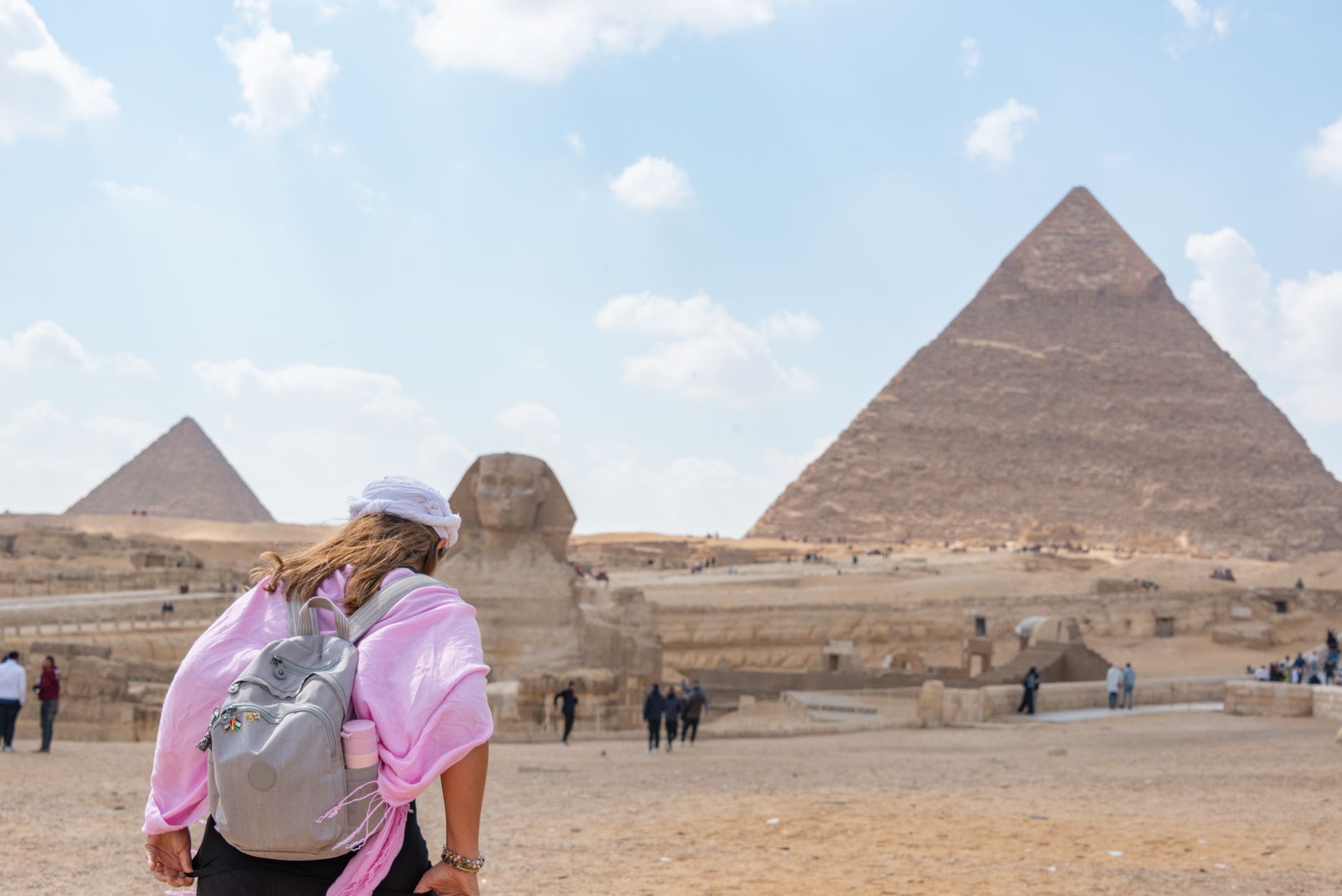
First, the things that have changed for 2026
Three updates matter more than anything else in this article, so I’m putting them up top.
The major monuments are card-only now. The Pyramids of Giza, the Grand Egyptian Museum, the Citadel, and the Egyptian Museum in Tahrir all stopped accepting cash for entry tickets. You pay by Visa, Mastercard, or a local Meeza card at the gate — full stop. So the single most important thing you can do before this trip is make sure you’re carrying a debit or credit card that works internationally, and tell your bank you’re travelling so they don’t freeze it on the first swipe. Bring a second card as backup. People still turn up at the Giza ticket office expecting to hand over banknotes, and it does not go well.
The Grand Egyptian Museum is open — for real this time. After years of “opening soon,” GEM was inaugurated on the Giza plateau in November 2025, and by early 2026 the full collection — including, for the first time anywhere, the complete contents of Tutankhamun’s tomb, more than 5,000 objects — was on display. It’s the largest archaeological museum on the planet and it sits a short drive from the Pyramids themselves. If you only read one paragraph about what to see, it’s this: GEM plus the Pyramids is your first day, and you should buy GEM tickets online in advance because the on-site ticket office has closed.
The visa got slightly pricier. As of March 2026 the single-entry tourist visa costs around $30 USD, up from $25. Not a dealbreaker, just don’t quote the old number to yourself when you’re budgeting.
For the wider lay of the land — the city’s layout, its history, the whole orientation — our complete guide to visiting Cairo, Egypt is the parent of this article and a good companion read once you’ve got the basics here.
Visas and arrival: getting into Egypt without the stress
Most Western passport holders — US, UK, Canadian, Australian, EU — need a tourist visa, and you’ve got two sensible routes.
The e-Visa is what I’d recommend. Apply on the official Egyptian government portal at visa2egypt.gov.eg, ideally a week or more before you fly. A single-entry tourist visa runs about $30 USD; a multiple-entry one is around $65. Approval usually lands in a few days. Print the approval and bring the paper copy — immigration officers like to see it in hand rather than on a phone screen.
The visa on arrival works too, and it’s the same $30 in cash (US dollars are fine). At Cairo International Airport, before you reach passport control, you’ll see bank kiosks — CIB, NBE, and others — selling visa stickers. Buy the sticker, peel it into your passport, then join the immigration queue. It adds maybe 15 to 30 minutes depending on the flight crush, which is the only real downside versus doing it online.
Two passport rules people forget: it must be valid for at least six months beyond your arrival date, and you need at least one blank page. The visa itself is good for 30 days.
From the airport to your hotel
Skip the taxi touts circling the arrivals hall — they’ll quote you four times the real fare with total confidence. Your two clean options:
- Uber or Careem. Both work reliably at CAI. A ride to Zamalek or downtown lands somewhere around 150–280 EGP (roughly $3–6 USD), with a tracked route and a price agreed before you get in. One quirk: app pickups are usually on the departures level, so you may have to take an elevator up with your bags. Worth it. Install both apps before you leave home — on a given night one will be cheaper or quicker than the other.
- Prearranged hotel pickup. Most mid-range and upper hotels will send a driver to meet you at the gate with a name sign for around $15–25 USD. After a long-haul flight, paying a small premium to have someone find you is money well spent, especially for a first arrival after dark.
One more thing for the airport: don’t change all your money at the arrivals exchange counters — their rates are poor. Grab just enough cash for tips and a SIM, and use a proper bank ATM (or your card) later.
Rules differ by passport, and the gap between the e-visa and the on-arrival sticker is about more than a few dollars — it is also queue length at 2am. We settle which Egyptian visa route suits your passport, the multi-entry option, and how far ahead to apply.
Money: cards now, but cash still matters
The currency is the Egyptian pound (EGP). It’s been volatile, so check the live rate close to your departure rather than trusting a figure from six months ago — in 2026 you’ll see something in the broad range of 45–50 EGP to the dollar, but confirm it yourself.
Here’s the thing first-timers get wrong about Cairo money in 2026: it’s now both a card city and a cash city, depending on where you are. The big antiquities sites are card-only, as I said. But taxis, tips, juice stands, koshari shops, and every stall in Khan el-Khalili still run on cash. So you carry both.
- For cards: bring two that work internationally. Tell your bank your dates. Visa and Mastercard are widely accepted at hotels, larger restaurants, chain stores, and now all the major monuments.
- For cash: draw EGP from an ATM attached to a real bank — CIB, NBE, or QNB. Always choose to be charged in pounds, never in your home currency; the “would you like to pay in USD?” prompt is dynamic currency conversion and it quietly robs you on the exchange rate.
- Backup USD: keep a small stash of clean, unmarked US dollar bills. Some tour operators and hotels still quote in dollars, and crisp notes are occasionally useful where cards and ATMs aren’t.
Keep a wad of small notes — 5, 10, and 20 EGP — separate and handy. You’ll hand them out constantly as baksheesh (tips), and fumbling for change in a crowded market is exactly when you don’t want to flash a fat wallet.
Getting around: Uber is your friend, the metro is your secret weapon
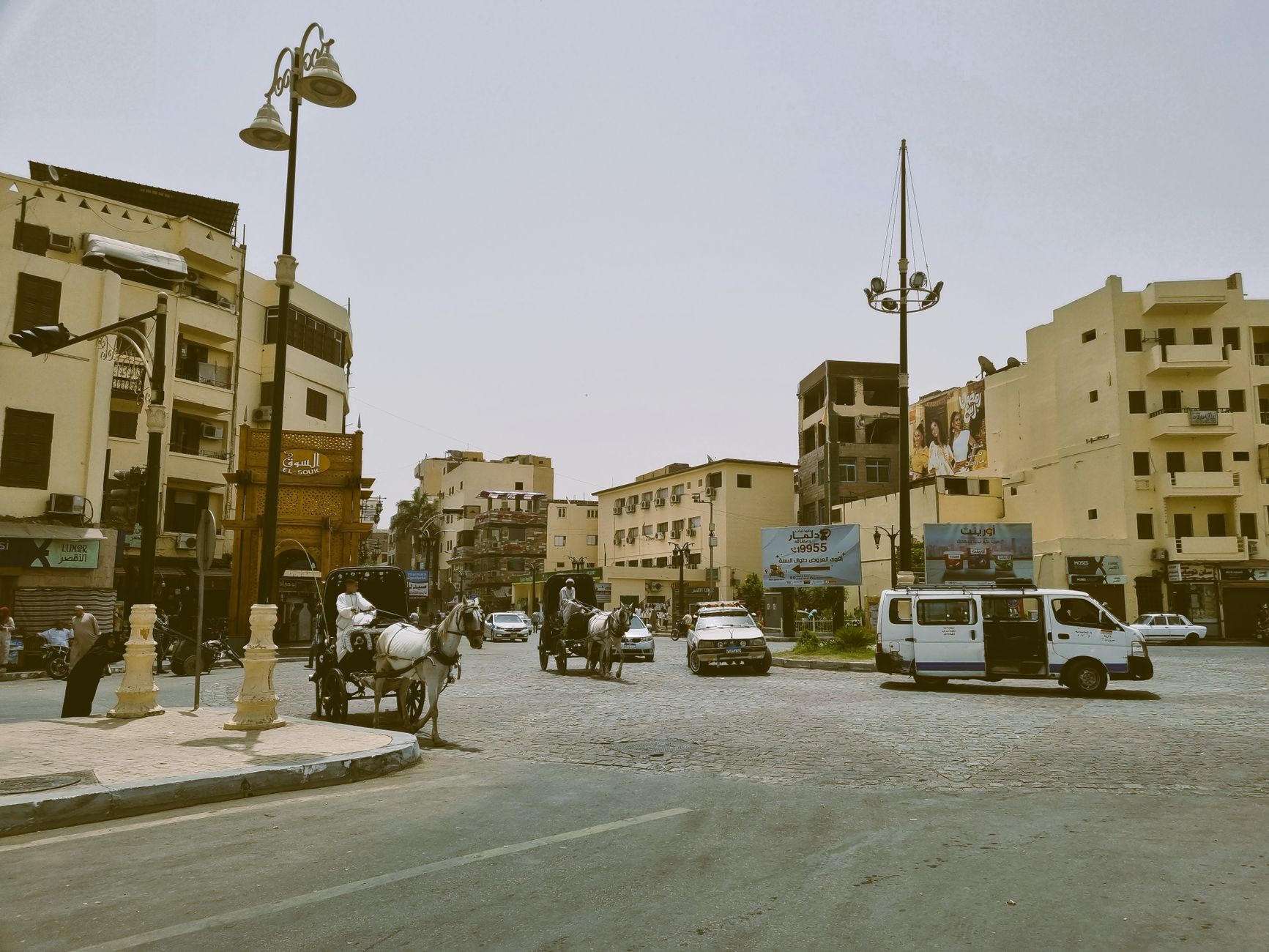
Cairo traffic deserves its reputation. Lane markings are decorative, horns are a language, and pedestrians cross on faith and eye contact. As a first-timer you do not need to master this — you need to know which tools sidestep it.
| How to get around | Rough cost | Best for |
|---|---|---|
| Uber / Careem | $2–6 (most cross-town rides) | Almost everything — no haggling, no language barrier |
| Cairo Metro | A few EGP per ride | Beating traffic on north–south routes; women-only cars available |
| Private driver (full day) | $40–80 | Combining Pyramids + Saqqara + Dahshur in one go |
| Walking | Free | Inside a district — Zamalek, Khan el-Khalili, Coptic Cairo |
Uber and Careem are the default. Cheap, tracked, cashless if you link a card, and they erase the haggling that exhausts new arrivals. Use them for nearly every cross-town hop.
The Cairo Metro is the move locals make when the roads gridlock, and tourists underrate it. It’s fast, air-conditioned, and costs only a few pounds. Coverage is limited but useful: Line 1 links Maadi and downtown; the newer lines reach toward Heliopolis and the airport side of the city. Women travelling alone can ride the women-only cars — look for the pink signage on the platform.
For a full breakdown of metro lines, white-taxi etiquette, and the smartest way out to the Pyramids, our guide to getting around Cairo goes deeper than I can here.
Where to base yourself for a first trip
Pick the right neighbourhood and the whole trip feels calmer. For a first visit, three areas do the job, and which one suits you depends on what you want to wake up next to.
Zamalek is the easy answer. It’s a leafy island in the middle of the Nile, walkable, quiet by Cairo standards, stuffed with good restaurants and embassies. Most first-time international visitors love it, and I’d point a nervous first-timer here without hesitation.
Downtown (Wust al-Balad) drops you into the real, lived-in city — Belle Époque facades, vintage cafés, the old Egyptian Museum on Tahrir a short walk away. It’s grittier and louder than Zamalek but cheaper, and the architecture is something else.
Giza, near the Pyramids, is for one specific dream: opening your curtains to the Great Pyramid. Plenty of hotels there have rooftop terraces with a direct pyramid view. The catch is you’re 45–60 minutes by car from the downtown and Islamic sights, so it’s a trade.
For the full rundown of districts, hotel tiers, and named recommendations, see which Cairo neighbourhood to book.
The must-sees, and how to prioritise them
If your days are limited, this is the short list I’d defend to anyone.
- The Pyramids of Giza and the Sphinx. The whole reason you came. Arrive at opening, around 8 AM, to beat both the heat and the tour-bus tide. Give it a half-day. Remember: card-only at the gate.
- The Grand Egyptian Museum. Now fully open beside the plateau, with Tutankhamun’s complete collection together for the first time. Adult tickets run about EGP 1,450 (roughly $30), with reduced rates near EGP 730 (about $15) for students and children. Book online in advance — the on-site office is closed — and budget at least four hours. Pair it with the Pyramids on day one.
- Khan el-Khalili. A 600-year-old market of lanterns, copper, spices and carpets. Best in the late afternoon and early evening when it glows. Bring cash and a sense of humour about bargaining.
- The Citadel of Saladin and the Mosque of Muhammad Ali. Sweeping views over the whole sprawl, and Ottoman architecture that stops you mid-step. Also card-only for entry.
- Coptic Cairo. The Christian quarter — the Hanging Church, the Coptic Museum, Ben Ezra Synagogue, all walkable together and blessedly quiet.
- A felucca at sunset on the Nile. Cheap, slow, and the perfect antidote after a day of chaos. Agree the price before you step aboard.
What to expect: the culture-shock briefing
Nobody warns you properly about the first hour, so here it is. Cairo is loud, dense, and relentless in a way Western European cities are not. Twenty-two million people, constant horns, vendors who read “tourist” off you at fifty paces. None of it is dangerous. All of it is intense. The travellers who struggle are the ones who expected a museum and got a megacity.
The trick is pacing. Build downtime into every day — an afternoon back at the hotel during the worst heat, a quiet dinner in Zamalek, that felucca hour. Plan two or three sights daily, never five, because traffic alone will eat the difference. Do that and the city’s energy lifts you instead of grinding you down.
A few practical cultural cues earn real warmth here. Lead with a smile and a “shukran” (thank you). Use your right hand for handshakes and passing things. Dress modestly in public — covered shoulders and knees — and women should carry a scarf for mosque visits, where covering your hair is required. Ask before photographing people, and never photograph military, police, or government buildings; that one’s actually illegal. During Ramadan, don’t eat, drink, or smoke in the street during daylight.
Health and water, briefly
Drink sealed bottled or filtered water only, and use it for brushing your teeth too, at least for the first few days while your stomach finds its feet. Skip ice and raw salads from informal places early on. Pack loperamide and oral rehydration salts before you fly — “Pharaoh’s Revenge” catches a fair share of first-timers, and you’ll want the remedy in your bag, not on a midnight pharmacy hunt. Once you’ve settled in, dive into the koshari shops and foul carts with confidence; some of Cairo’s best meals cost a couple of dollars.
Dress trips up most first-timers twice over: too little cover for mosque visits, too much fabric for an afternoon on the plateau. Our packing rundown covers what actually earns space in your bag, from the spare scarf and dust defences to shoes that survive broken pavements.
Scams and hassle: what to actually watch for
Violent crime against tourists is genuinely rare. What you’ll meet instead is a steady drizzle of low-grade hustles, and they’re easy to handle once you know the shape of them.
- The “free” gift or help. Someone hands you a “gift,” offers to “show you the way,” or wraps a headscarf on you “as a friend.” It is never free. A firm, friendly “la, shukran” (no, thank you) and a continued walk is your whole defence.
- Camel and horse touts at Giza. If you do want a ride, agree the exact price and what it includes before you get on — ideally written down — or you’ll be negotiated at, mid-desert, to get back down.
- “Closed today, come to my shop instead.” Stranger tells you a site is shut and steers you to a cousin’s papyrus or perfume shop. The site is open. Keep going.
- Airport taxi quotes. Covered above — use the apps.
- Market pricing. First quote at Khan el-Khalili is theatre. Counter at roughly 30–40% and meet somewhere sensible. It’s expected, even enjoyed.
For women travelling solo, the main nuisance is catcalling — common, almost never an actual threat. Ignore it, keep your pace, use the women-only metro car when riding alone. Cairo is very doable solo; it just asks for a bit more situational awareness than, say, Lisbon. For a current, detailed read on conditions, harassment, and the areas to know, see our 2026 Cairo safety and security guide.
A sample first-timer plan: four days, sorted
Here’s a skeleton that works for most people landing for the first time. Adjust to taste.
- Day 1 — The big one. Pyramids of Giza and the Sphinx at opening, then the Grand Egyptian Museum a short drive away (tickets pre-booked, card ready). It’s a full, glorious day. Quiet dinner near your hotel.
- Day 2 — Islamic and Coptic Cairo. The Citadel and the Mosque of Muhammad Ali in the morning for the views, Khan el-Khalili in the late afternoon as it lights up. Optionally fold in Coptic Cairo if you’re moving quickly.
- Day 3 — Slow down. The old Egyptian Museum on Tahrir, a wander through downtown’s Belle Époque streets, a felucca at sunset. A gentler day to recover from the first two.
- Day 4 — Older pyramids or a breather. A half-day out to Saqqara and Dahshur (a private driver makes the logistics painless), or simply a leisurely Zamalek morning if the city’s worn you out. Both are right answers.
That’s three full days minimum to hit the highlights unrushed; four is more comfortable; five lets you add Saqqara without cramming. If you’re tacking Cairo onto a Nile cruise down to Luxor and Aswan, three days at the front is the standard play.
Before you go: the quick prep list
Pack lighter than instinct tells you — Cairo is hot, dusty, and walking-heavy. The non-negotiables: modest breathable clothing (linen beats synthetics), a scarf for mosques and sun, closed-toe walking shoes that can take a beating at the Pyramids, real sunscreen and a hat even in winter, a filtered water bottle, and that stomach kit. Egypt runs on 220V with European-style Type C and F plugs, so bring a universal adapter. And copies of your passport, kept separately from the original.
For the full, tick-it-off version of everything above — documents, meds, gadgets, the lot — work through our pre-flight Cairo to-do list before you pack.
Sort connectivity before you land rather than at a kiosk in arrivals at midnight. The options for getting online in Cairo compare local SIMs from the three networks against travel eSIMs, and explain the passport-registration step nobody warns you about until you reach the counter.
Frequently asked questions
Is Cairo a good first introduction to the Middle East?
Yes, and a great one. The history is unmatched, English gets you a long way in tourist areas, and the infrastructure for international visitors is solid. Just expect more sensory intensity than Western Europe and give yourself a day to acclimate before judging the place.
Do I really need a card now, or is cash still fine?
You need a card. As of 2026 the Pyramids, the Grand Egyptian Museum, the Citadel, and the Egyptian Museum in Tahrir are card-only for entry tickets — Visa, Mastercard, or Meeza. You still need cash for taxis, tips, and markets, so carry both, plus a backup card in case one gets declined.
How much money do I need per day?
Mid-range travellers should budget roughly $80–150 USD a day — a comfortable 4-star hotel, meals, ride-shares, and entry fees. Budget travellers can manage on $40–60; luxury runs $250 and up. Cairo is still excellent value by international standards.
Should I book tours or go independent?
A hybrid is best for first-timers. Take a guided full-day tour for Giza, Saqqara, and Dahshur, where the logistics are genuinely fiddly solo, and explore Zamalek, downtown, and Khan el-Khalili on your own with Uber. Book guides through a reputable operator or your hotel — never a stranger on the street.
Do I need to speak Arabic?
No. English is widely spoken in tourist areas, hotels, and the ride-share apps. A few words — hello, thank you, no thank you — go a surprisingly long way and often unlock warmer treatment, but you’ll be fine without them.
Will I get culture shock?
Probably a little, and that’s normal. Cairo is loud and crowded and full-on. Build in downtime, keep your daily plans light, and you’ll come home buzzing rather than frazzled. The first day is the hard one; after that the city opens up.
Your first Cairo trip, in one line
Sort the visa and a working card before you fly, book the Pyramids and GEM online, lean on Uber, dress and act with a little cultural awareness, and cap yourself at two or three sights a day. Do that and Cairo goes from intimidating to the trip you’ll talk about for years, in about twenty-four hours.
Related reading: orient yourself with the complete Cairo travel guide, prep with the list of things to sort beforehand, check the 2026 security guide before departure, sort transport with the getting around Cairo guide, pick your base via our district-by-district accommodation guide, and mop up loose ends in the rapid-fire Cairo questions and answers.
Plan the rest of your trip
Use these guides to round out your Cairo plans:
- Complete Guide to Visiting Cairo Egypt
- Is Cairo Safe for Tourists? Current Security Guide 2026
- Where to Stay in Cairo: Best Hotels and Neighborhoods
- Getting Around Cairo: Transportation Guide
The planning mistake that costs first-timers the most is not choosing the wrong hotel or the wrong month; it is trying to fit four parts of the city into two days. Our day-by-day Cairo itinerary plans are built around one sight cluster per half-day, which is the single rule that keeps a short trip from dissolving into traffic.
Your first hour in Egypt will almost certainly be spent at Cairo International Airport, and it goes far more smoothly if you know the order of events: visa booths, passport control, baggage, customs, then an arrivals hall full of people offering taxis. We walk through it step by step in our Cairo International Airport traveller guide.