This article contains advertising. Our booking links are routed through a partner that adds commission tracking automatically, so if you book through one we earn a commission from the provider, at no extra cost to you. It never affects what we recommend. Affiliate disclosure
The best koshary in Cairo is a question Cairenes will cheerfully argue about until the karkadeh runs out, but the honest short answer is this: Abou Tarek on Champollion Street is the one everyone agrees on, and you should eat there first. After that the debate gets fun. Koshary is a bowl of rice, brown lentils, two kinds of pasta, chickpeas, crispy onions and a tangy tomato sauce, and the great ones cost under a dollar.
I have eaten an embarrassing number of these bowls. What follows is what I actually order, where I send friends, where the modern chains are worth the extra money and where they aren’t, and how to work the counter at Abou Tarek without standing there looking lost while a queue of office workers files past you. Koshary is the dish I’d tell a first-timer to eat on day one, before the pyramids, before anything.
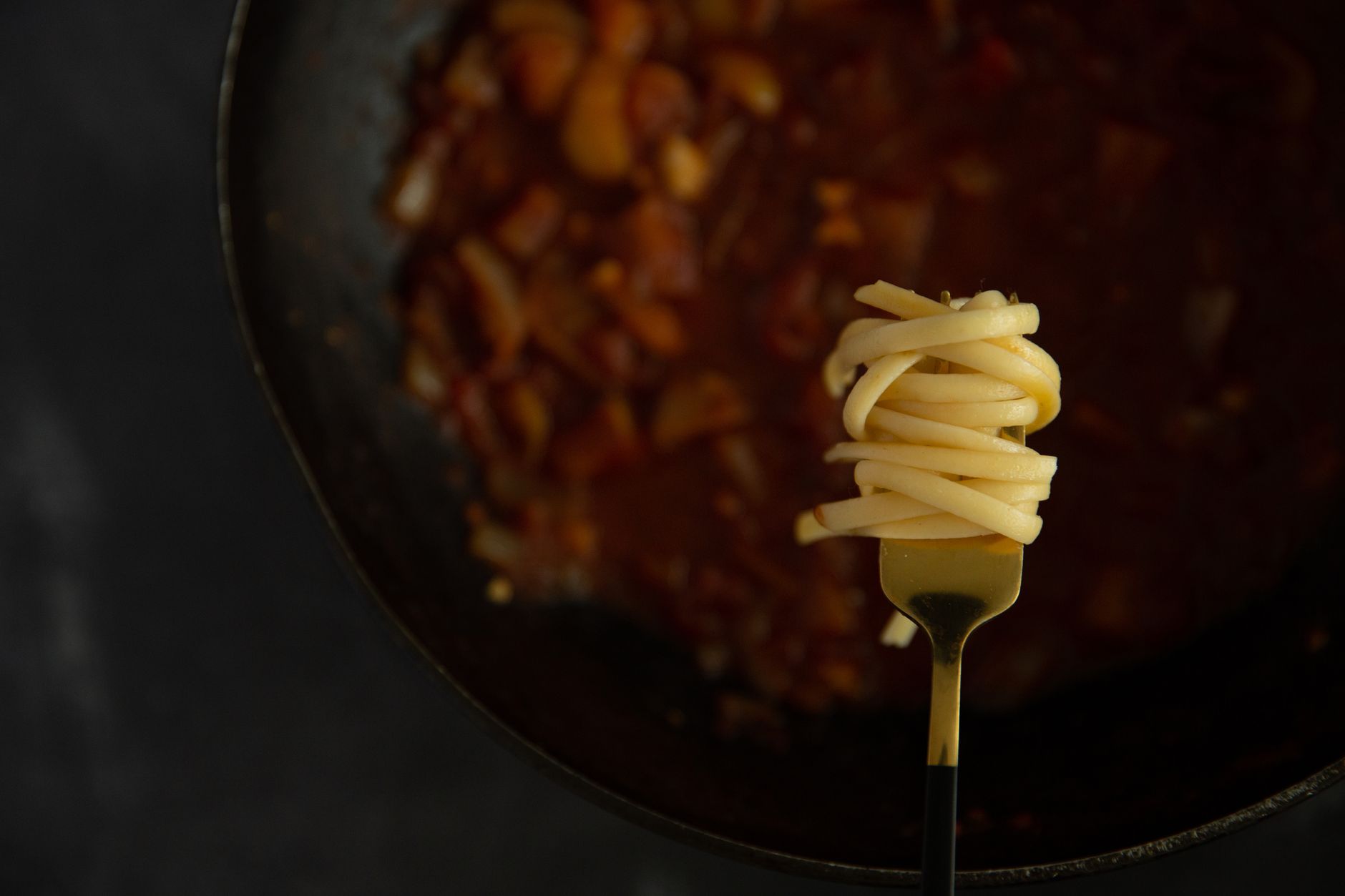
What koshary actually is
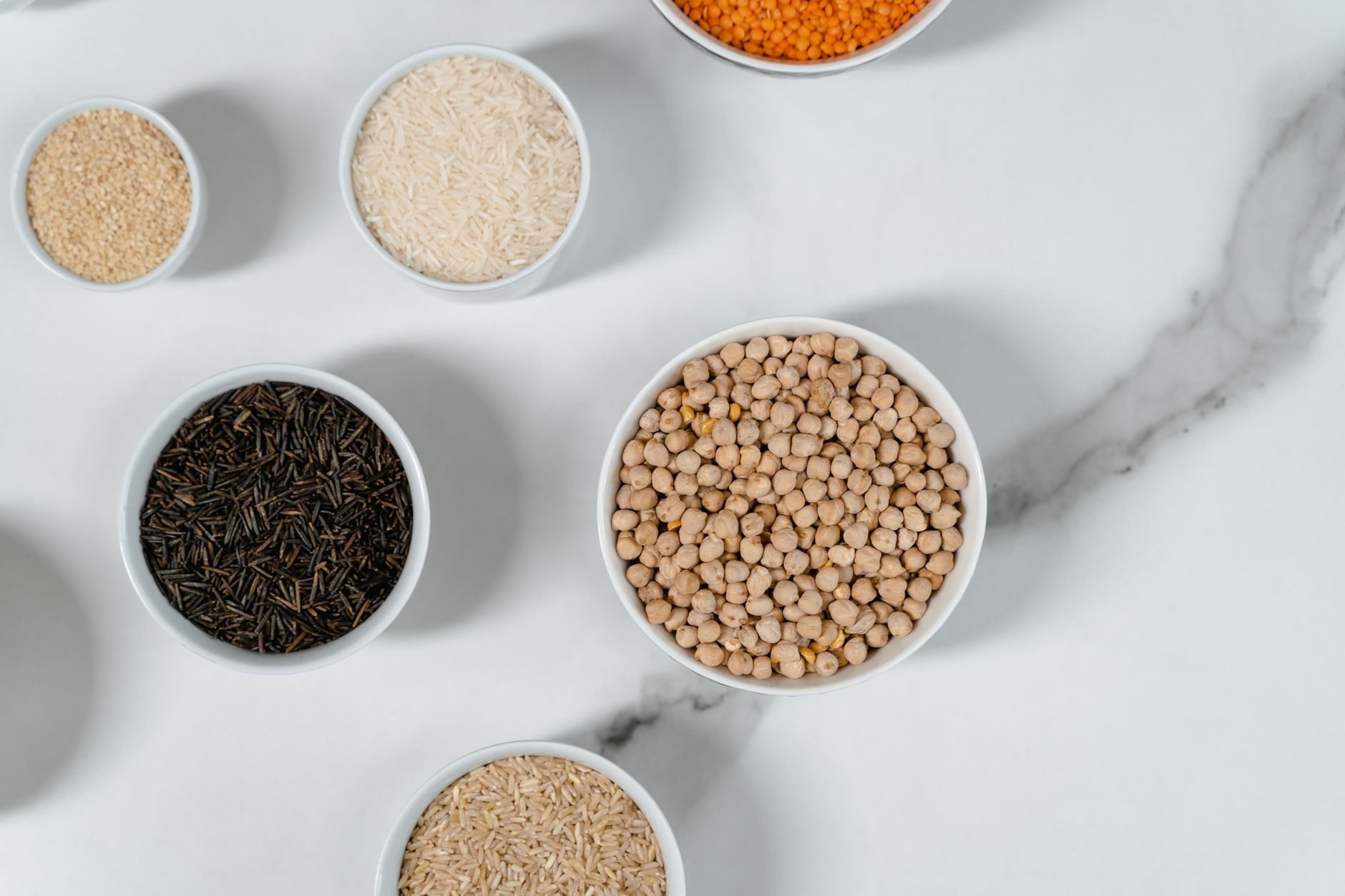
Koshary (you’ll also see it written koshari or kushari) is a layered bowl with no meat in sight. The base is rice and small brown lentils cooked together. On top of that go macaroni and thin vermicelli, a scatter of chickpeas, and a generous fistful of onions fried dark and shattery-crisp. Then it’s drowned in a slightly spicy tomato sauce, and you finish it yourself with two things that come on the side: da’a, a sharp garlic-and-vinegar liquid, and shatta, a chili sauce for anyone who wants heat.
It sounds like a lot of starch, and it is. That’s the point. This is food invented to fill up a working person for the price of pocket change, and it does the job better than almost anything. It’s accidentally vegan, eaten at every hour, and loved across every income bracket in the city. A taxi driver and a banker will both have an opinion on the best shop, and they’ll both be passionate about it.
The dish came together in Cairo in the 1800s, when the city was a crossroads and ingredients arrived from everywhere. The rice-and-lentil idea has roots in Indian kichdi; the pasta is the Italian contribution; the onions and tomato sauce are pure Egypt. Somewhere in the back streets it all got stacked into one bowl, and a national obsession was born. If you want the wider story of how dishes like this define the city’s table, our guide to traditional Egyptian dishes walks through the rest of the canon.
The anatomy of a great bowl
Once you’ve had a few, you start noticing why some bowls sing and others just sit there. Here’s what separates the good from the forgettable:
- The onions. This is the whole game. They should be dark mahogany and properly crisp, not pale, soft or greasy. Limp onions ruin a bowl no matter how good everything else is.
- The lentils. Brown, whole, and still holding their shape. Mushy lentils mean a careless kitchen.
- The vermicelli. It should be toasted golden before it’s boiled, which gives the rice a faint nutty warmth. You can taste when a shop skips this.
- The sauce. Tangy, a little spicy, tomato-forward. It needs acid to cut through all that starch.
- The da’a. Aggressively garlicky and sharp with vinegar. A timid da’a is a wasted opportunity.
- The temperature. Warm, never lukewarm. Koshary loses its charm the moment it goes cold, so eat it where you buy it.
The best bowls hit several textures in one spoonful: soft rice and lentils, chewy pasta, tender chickpeas, and that crackle of onion on top. When it’s right, you understand why people get tribal about their favourite shop.
The legendary spots, ranked with honest takes
Cairo has hundreds of koshary shops. These are the ones worth crossing town for, in the rough order I’d send someone.
1. Koshary Abou Tarek (Downtown) — the one to beat
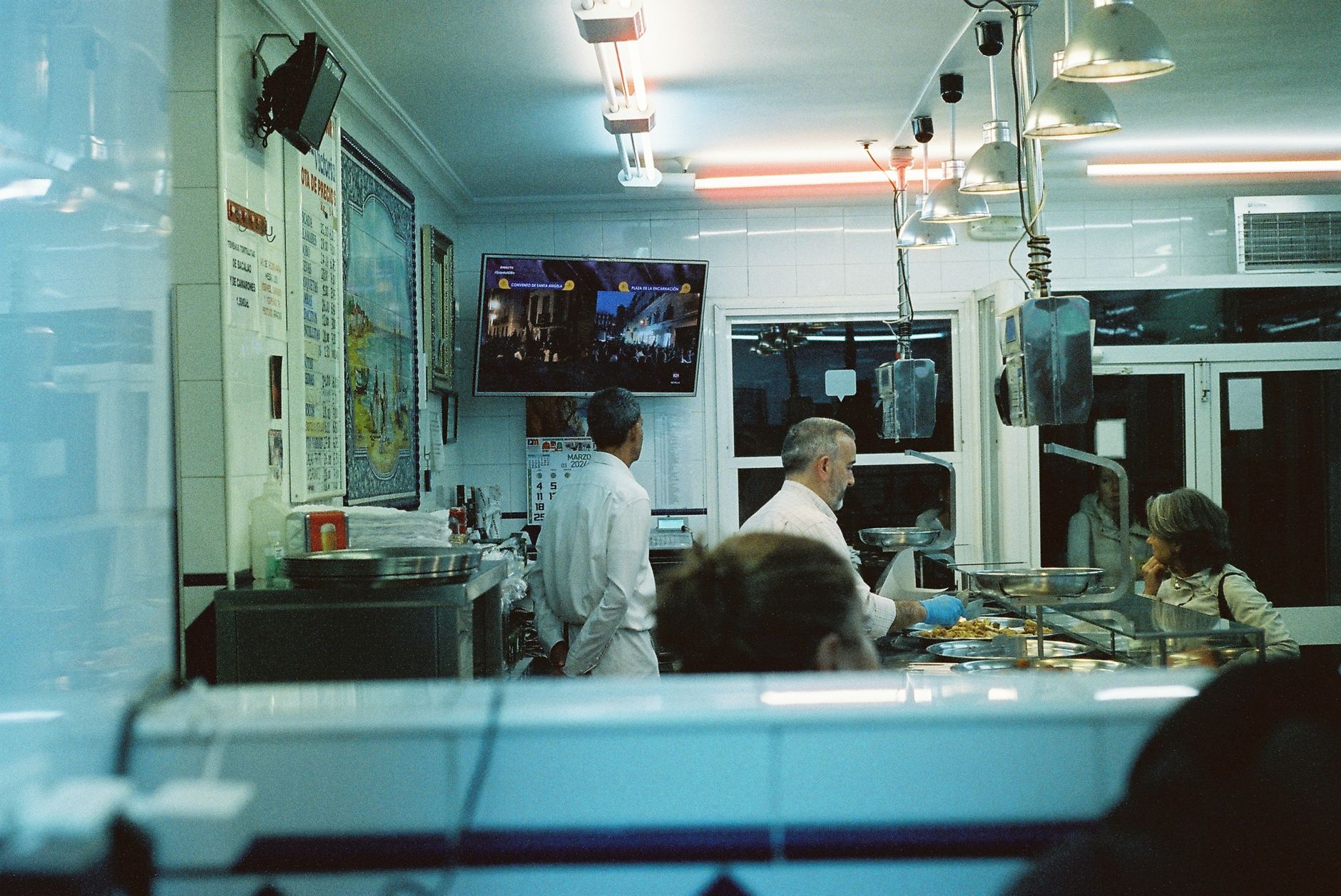
If you eat one bowl in Cairo, eat it here. Abou Tarek has been doing this since 1950, it occupies three floors of a building given over entirely to koshary, and in 2015 it set a Guinness World Record for the largest koshary dish ever made. The onions are textbook, the sauce is balanced, the whole-bean lentils are excellent. It’s touristy now, but unlike most famous spots it has genuinely kept its quality up. Find it at 16 Champollion Street, a short walk from the old Egyptian Museum, with branches in Maadi, Heliopolis and New Cairo if you’re nowhere near downtown. A bowl runs roughly 30 to 80 EGP (about $0.60 to $1.60) depending on size and whether you add extra chickpeas.
2. Koshary Sayed Hanafy — the local’s pick
Ask a Cairene who actually grew up downtown and a fair number will quietly tell you they prefer Sayed Hanafy. It started life in 1952 as a humble cart and grew into an institution, and it’s noticeably less touristy than Abou Tarek while matching it on quality. Their signature touch is a wedge of lemon served with the bowl, which sounds minor and absolutely is not. Prices sit a touch lower, around 25 to 70 EGP. If you want to feel like you’ve found something, come here.
3. Koshary El Tahrir — reliable and central
A solid downtown chain near Tahrir Square with several branches around the city. Not the most romantic choice, but consistent, quick, and an easy fallback when you’re sightseeing and hungry. No complaints, no surprises.
4. Koshary Hind — the old-timer
A long-established downtown shop that’s been quietly turning out proper traditional bowls for decades. Less famous than the names above, which is part of its appeal. Worth a stop if you’re building a serious koshary itinerary.
5. Zööba — the modern reinvention
Zööba took Egyptian street food and gave it a design-magazine makeover, and their koshary is genuinely good: quality ingredients, a whole-grain version, allergens clearly labelled, served in a handsome bowl in an air-conditioned room. You’ll find branches in Zamalek, Maadi, Korba in Heliopolis, New Cairo and City Stars. It costs several times what the street shops charge, somewhere around 90 to 150 EGP. Is it better than Abou Tarek? No. Is it worth it when you want a clean, comfortable sit-down with reliable hygiene and a menu in English? Absolutely. For more polished sit-down options across the city, our Cairo dining guide for 2026 covers the wider restaurant scene.
The upscale outliers
Cairo institutions like Felfela (going since 1959) and the elegant Aboul Sid in Zamalek both serve a refined, table-service koshary alongside a full Egyptian menu. These are lovely restaurants and the koshary is perfectly good, but you’re paying restaurant prices for a dish that’s at its truest on a paper-lined counter. Go for the atmosphere and the rest of the menu, not specifically for the bowl.
Chains versus the hole-in-the-wall
Here’s my honest take after years of this. The greatest koshary in Cairo does not come from the fanciest room. The downtown counters where the staff have been layering bowls for twenty years will beat a polished chain on flavour almost every time, because koshary is about technique and turnover, not presentation.
That said, the modern chains earn their place. If you’ve got a nervous stomach, want air conditioning in July, or you’re travelling with kids who need a calm table and a clear menu, Zööba is a smart call. There’s no shame in it. But don’t let a shiny bowl convince you you’ve had the definitive version. Eat at least one bowl standing at a downtown counter, surrounded by Cairenes inhaling theirs in four minutes flat. That’s the real thing.
| Type | Price per bowl | Where |
|---|---|---|
| Neighbourhood cart | ~20–40 EGP ($0.40–$0.80) | Local street vendors |
| Traditional shop | ~25–80 EGP ($0.50–$1.60) | Abou Tarek, Sayed Hanafy, Hind, El Tahrir |
| Modern boutique | ~90–150 EGP ($1.80–$3) | Zööba |
| Upscale restaurant | ~120–250 EGP ($2.40–$5) | Aboul Sid, Felfela |
| Family takeaway | ~150–300 EGP ($3–$6) | Most shops, feeds 3–4 |
Prices are mid-2026, with the pound hovering near 50 to the US dollar. At a traditional counter, two people can eat very well for under 200 EGP, which is one of the great food bargains anywhere on earth.
Koshary is the gateway to eating cheaply in Cairo, not the whole menu. Ful carts, taameya windows and the sit-down baladi places locals actually use will feed you for a couple of dollars a head, and we rank where your money goes furthest at mealtimes with 2026 prices attached.
How to order and customise
At a busy shop like Abou Tarek the system trips people up, so here’s the flow. You pay first. Go to the cashier, say your size, get a ticket, then take it to the serving counter where they build your bowl. Sit down with it, and the sauces are yours to manage.
For size, you’ve got three: sogheer (small), mutwasit (medium) and kebeer (large). First-timers should get a small or medium. I mean it. This food is far more filling than it looks, and I’ve watched plenty of visitors order large out of bravado and surrender halfway.
Now the customising, which is where koshary becomes personal. Your bowl arrives with the tomato sauce already on it, plus da’a and shatta on the side. Start moderate. Spoon on some da’a, a little shatta if you like heat, then stir the whole thing together properly. Do not eat it in neat layers like a polite trifle. Mix it into a glorious mess, taste, and add more of whatever it needs. Cairenes drench their bowls without hesitation, so don’t be shy. And use a spoon, never a fork. There are too many textures for a fork to handle.
One note for strict vegans: koshary is plant-based as standard, but a few shops fry the onions in samna (ghee) for richness. If it matters to you, ask “bidoun samna?” (without ghee?). A quick read of our primer on local manners and customs also helps with the small social stuff, like tipping at counters (round up, or leave a few pounds) and how to behave at a busy local spot.
The koshary crawl
If you fall hard for the stuff, do a crawl. It’s a genuinely fun way to spend a day downtown and a brilliant lens on the city. My loop: start with a small bowl at Abou Tarek for the benchmark, walk it off, then a second small one at Sayed Hanafy to taste the difference. Later, a stop at Zööba in Korba for the modern take, and if you want a sit-down dinner, finish refined at Aboul Sid in Zamalek. Four bowls, four expressions of the same dish, and you’ll have a strong personal favourite by the end. It pairs naturally with a wandering day of things to do in Cairo, since the best shops sit right among the downtown sights.
To drink, the classic partner is karkadeh, the deep-red hibiscus tea, served hot or iced. Fresh sugar-cane juice (asab) from a street press is the other great match, sweet and cutting through the starch. Mineral water always works. Beer only turns up at licensed restaurants, not counter shops.
That refined finish at Aboul Sid is also the doorway into a completely different Cairo, and our rundown of the city’s white-tablecloth rooms worth booking picks up more or less where the crawl leaves off.
Koshary FAQ
Where is the best koshary in Cairo?
Abou Tarek on Champollion Street downtown is the consensus champion and the right first stop. Locals who want something less touristy often swear by Sayed Hanafy. Try both and pick your own winner.
How much does a bowl cost?
At a traditional shop, roughly 25 to 80 EGP (about $0.50 to $1.60) depending on size, as of mid-2026. Street carts can be cheaper; modern chains like Zööba run two or three times that.
Is koshary vegan?
Yes, in its traditional form, with no meat, fish or dairy. A few shops fry the onions in ghee, so ask “bidoun samna?” if you need it strictly vegan.
Is it spicy?
Not by default. The bowl is mild, and the heat comes from the shatta chili sauce you add yourself on the side. Start light and build up.
What size should I order?
Small or medium for a first bowl. It’s heavier than it looks. Order large only once you know what you’re dealing with.
Can I get it delivered?
Yes. Most major shops, Abou Tarek included, are on the big Egyptian delivery apps. Order the onions on the side if you can, since they soften in transit, and add them when it arrives.
Is koshary a breakfast food?
No, it’s lunch and dinner. Cairo breakfast is foul, ta’amiya (the local falafel) and fresh bread. You’ll find those covered in our Cairo street food guide.
The bottom line
Eat your first koshary on your first day, and eat it at Abou Tarek so you’ve got the benchmark in your memory. Then go exploring. Sayed Hanafy with its lemon wedge, a random neighbourhood cart, Zööba’s tidy modern version, the upscale bowls at Aboul Sid. They’re all the same dish wearing different clothes, and finding your own favourite is one of the cheapest, most satisfying things you can do in this city. A great bowl of koshary is, no exaggeration, one of the best two-dollar meals on the planet.
For the full picture of eating in the city, head back to our complete Cairo food guide, the pillar this article belongs to.
Related reading: Cairo Egyptian Food Guide · Traditional Egyptian Dishes to Try in Cairo · Best Street Food in Cairo · Best Restaurants in Cairo 2026 · Cairo Culture & Etiquette · Things to Do in Cairo