This article contains advertising. Our booking links are routed through a partner that adds commission tracking automatically, so if you book through one we earn a commission from the provider, at no extra cost to you. It never affects what we recommend. Affiliate disclosure
The best street food in Cairo is cheap, ancient, and almost embarrassingly good: a paper bowl of koshary for around 50 EGP (about $1), a ful-and-taameya sandwich for the price of a postcard, and a hawawshi pulled hot from a wood oven that ruins every pita you’ll eat afterwards. Eat it standing up, where the locals do, and you’ll spend less than $10 a day.
I’ve eaten my way through a lot of this city, and the honest truth is that Cairo’s street food is better than its restaurants more often than anyone admits. The dishes below are the ones worth crossing town for. For each, I’ll tell you what it actually is, where to get the version that isn’t a tourist compromise, what you should pay in 2026, and how to eat it without losing two days of your trip to your hotel bathroom. (All dollar prices use the June 2026 rate of roughly 50 EGP to the dollar; the pound has been gaining a little ground lately, so treat them as ballpark.)
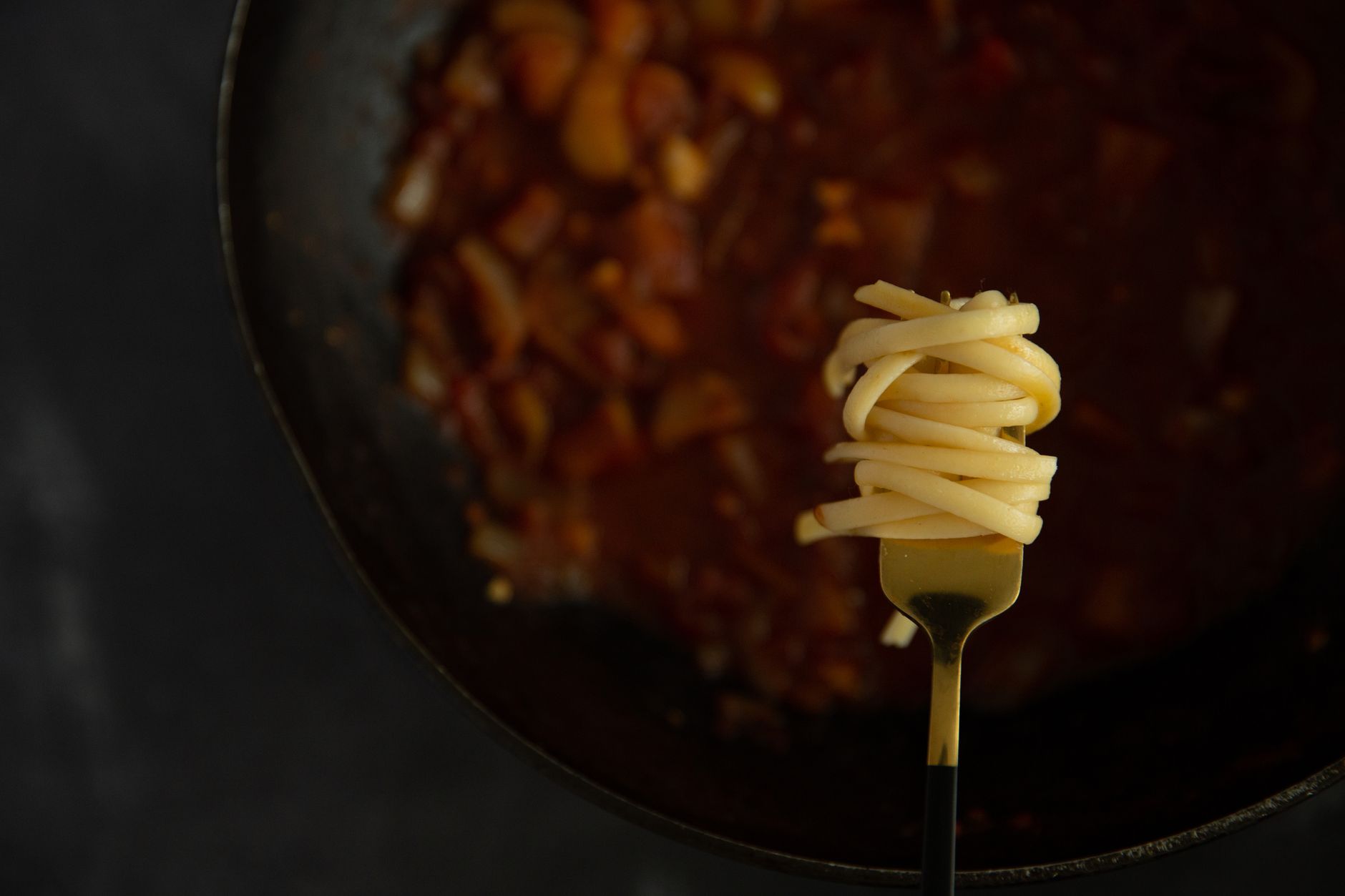
Koshary: start here, every time
If you eat one thing on the street in Cairo, make it koshary. It’s the national dish and it makes no sense on paper — rice, brown lentils, macaroni, and vermicelli, piled in a bowl, crowned with chickpeas and a fistful of crispy fried onions, then doused with a garlicky vinegar (daqqa) and a spicy tomato sauce (shatta). It’s carbs on carbs on carbs, vegan by accident, and after a morning of walking it hits like nothing else. A medium bowl runs about 50–60 EGP ($1–1.20); a small can be 20–30 EGP.
The famous answer is Koshary Abou Tarek, the four-storey temple on Champollion Street downtown that started as one man’s cart in the 1950s. Is it the single best bowl in the city? Cairenes will argue about that until the karkadeh runs out. But it’s genuinely very good, the turnover is enormous, and it’s an easy walk from the Egyptian Museum. Go on the early side — despite the legend, it isn’t a 24-hour place; it keeps roughly 7am to 10pm. Don’t bother queuing at peak lunch if you’re hungry now; the line moves but it’s real.
For everyday bowls, Koshary El Tahrir and Koshary Sayed Hanafy are reliable neighborhood spots, and Zööba is the polished modern chain (cleaner tables, slightly higher prices, locations in Zamalek and beyond) if you want koshary without the standing-room scrum. Whatever you choose, ask for the shatta on the side the first time — Egyptian chili sauce is no joke.
Ful medames and taameya: the Cairo breakfast
Walk past any neighborhood ful cart between 7 and 10 in the morning and you’ll see the whole machinery of an Egyptian breakfast. Ful medames is fava beans, slow-simmered overnight in a tall copper pot called a qidra, then mashed at the counter with olive oil, lemon, cumin, and garlic and scooped into warm baladi bread. It’s the most-eaten dish in the country and costs almost nothing — a plate is 5–15 EGP, a stuffed sandwich barely more.
Its partner is taameya, the Egyptian falafel, and it’s a different animal from the Levantine kind. Cairo makes it with crushed fava beans instead of chickpeas, which turns it green inside and lighter, almost herby, with a coriander-and-fennel hit and a crackly sesame-flecked crust. Fried fresh, eaten within minutes, it’s one of the great cheap pleasures here. A taameya sandwich is around 10–25 EGP (call it 15 EGP for a good one), usually packed with tahini, tomato, and pickles.
Downtown, El Sharkawy and the old ful houses around Bab al-Louq do the workmanlike morning version. For a sit-down, slightly polished take that’s been around forever, Felfela — open since 1959, just off Talaat Harb — is a deserved institution; it’s touristy now but the ful and taameya are still honest. My real rule, though: follow the queue. A ful or taameya cart with a line of taxi drivers and office workers in front of it at 8am is telling you everything you need to know.
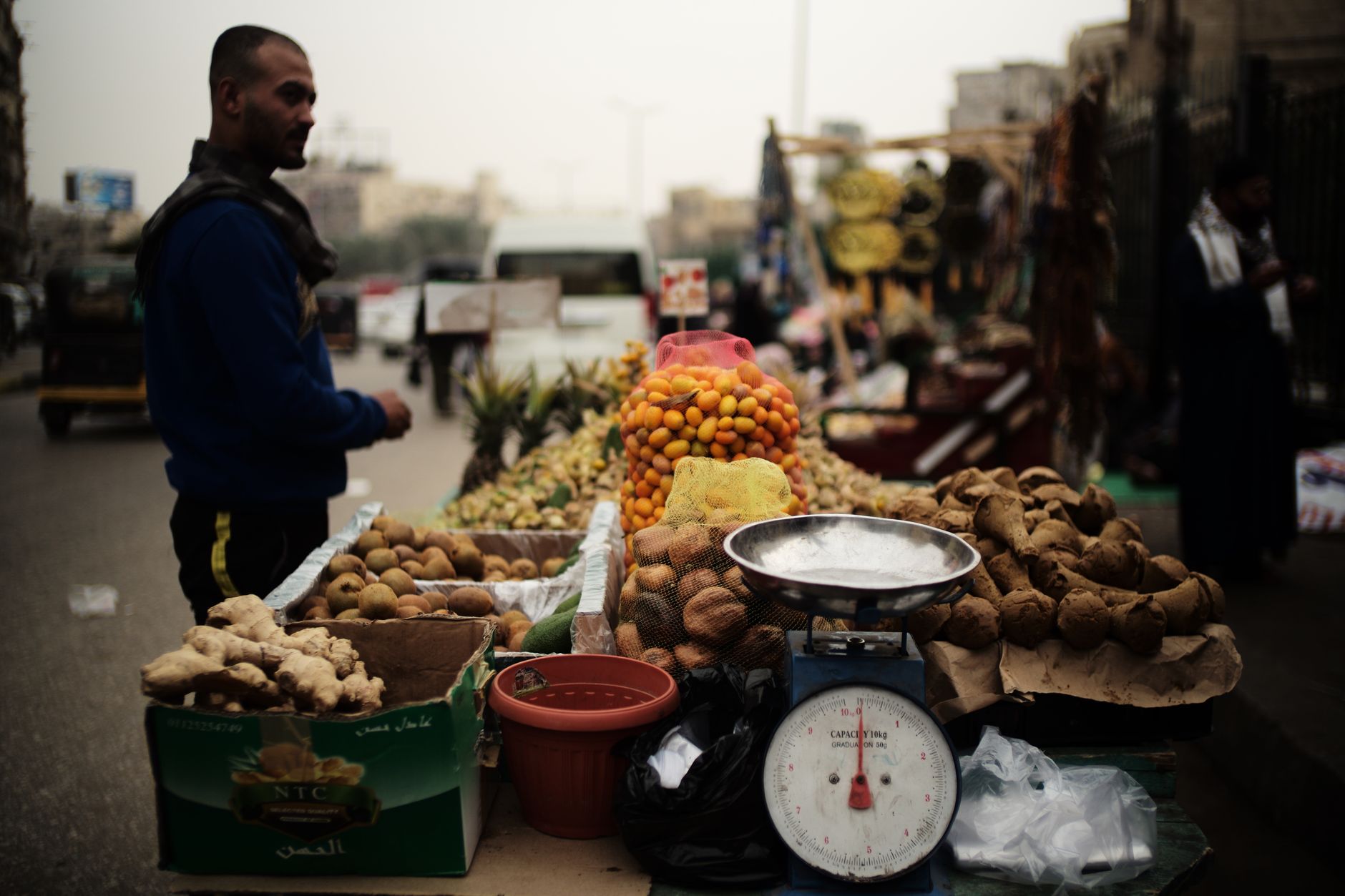
That 7-to-10am window in front of a ful cart is only the opening act, and there is a fuller account of how Cairo actually eats in the morning if you want the white cheese, jam and sahlab that round the table out.
Hawawshi and shawarma: the meat off the grill
Now the carnivore section, and the dish I’d put second only to koshary: hawawshi. Picture spiced minced beef or lamb — onion, green chili, sometimes a knock of pepper and pine nuts — packed inside a baladi flatbread and blasted in a wood-fired oven until the bread shatters and the inside stays juicy. It’s messy, it’s enormous, it’s about 20–80 EGP depending on size and where you are (the bakery-oven versions trend higher). The famous name is Tabei El Domyati, with branches around the city; their hawawshi is the benchmark most Cairenes measure others against.
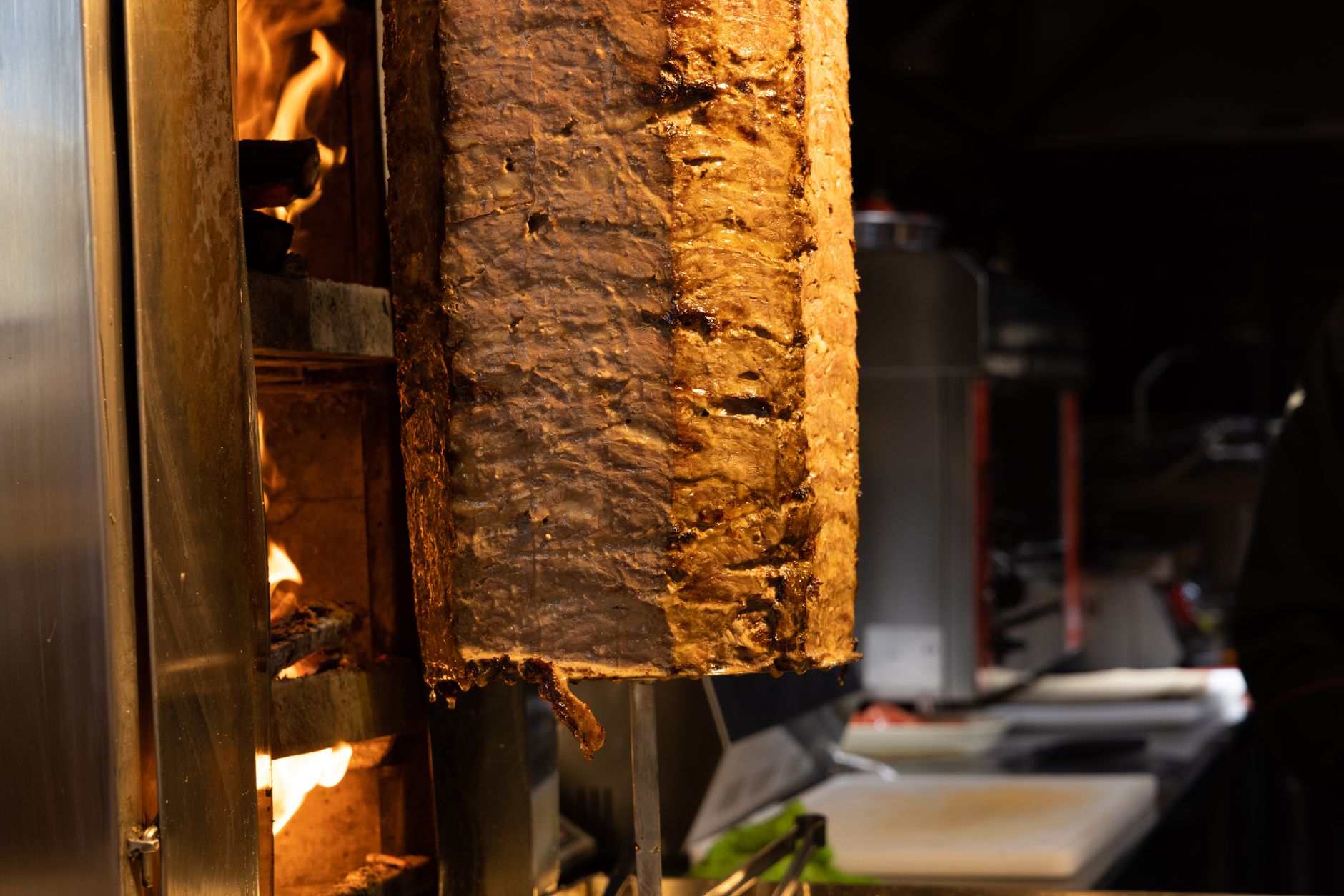
Shawarma needs no introduction except this: in Cairo it’s usually thinner-sliced and more generously sauced than what you may know, chicken or beef shaved off the spit into pita with tomato, pickles, and tahini or garlic toum. A sandwich runs roughly 30–60 EGP locally; you’ll pay more at the flashier chains and in tourist zones, where everything is marked up 15–45%. Look for a spit that’s visibly turning and being shaved to order — a stationary, sweating cone of meat is a hard pass.
One more for the brave. Kebda Eskandarani, Alexandria-style liver, is beef liver flash-fried with chili, garlic, and cumin and stuffed into bread — bold, a little offal-y, adored by locals and divisive among visitors. If you like liver, seek it out; if you’re unsure, it’s about 30–50 EGP to find out.
Feteer, sweet potatoes, and the things to graze on
Cairo’s sweet and snack side is half the fun. Feteer meshaltet is the showstopper — a flaky, many-layered pastry brushed with ghee and folded over and over, served sweet (honey, nuts, cream, or just powdered sugar) or savory (cheese, sausage, vegetables). It’s part pancake, part croissant, part pizza, and it starts around 15 EGP for a plain one and climbs from there with fillings. The feteer shops tucked into the lanes around Khan el-Khalili are a good place to try it.
When the weather cools, the sweet potato carts (batata) come out — old men with smoking drum ovens on wheels, selling charred, candy-sweet roasted sweet potatoes by weight for pocket change, usually 10–25 EGP. They’re a Cairo winter ritual and the smell finds you before the cart does. Year-round, the juice stalls press sugar cane juice (asab) to order — grassy, ice-cold, intensely sweet, about 15–40 EGP for a big cup — alongside fresh mango, guava, and pomegranate in season. And karkadeh, the deep-red hibiscus tea, is everywhere hot or iced for a few pounds.
Two more worth a stop if you see them done well: mahshi (vegetables and grape leaves stuffed with herbed rice, usually at small sit-down shops, 60–120 EGP for a plate) and a proper Egyptian breakfast spread — ful, taameya, baladi bread, white cheese, tomato, and an egg — which a simple place will put in front of you for 50–100 EGP. If you want the full picture of the sit-down classics, our guide to traditional Egyptian dishes to try in Cairo goes deeper on the dishes that move indoors.
Where to graze: the two areas that matter
You can eat well all over Cairo, but two areas reward a deliberate street-food walk.
Downtown (Wust el-Balad) has the densest concentration of the greats within walking distance. In a few blocks you’ve got Abou Tarek for koshary, the ful and taameya houses around Bab al-Louq, Felfela for an old-school sit-down, Tabei El Domyati for hawawshi, and the faded grand cafés — Café Riche, El Horreya, Cap d’Or — for a mid-walk break with tea or a cold Stella. It’s gritty, loud, and exactly where you want to be at street level.
Khan el-Khalili and Islamic Cairo is the atmospheric one. The food is a little more tourist-priced, but the setting is unbeatable: hawawshi and feteer from backstreet ovens, sugar cane and spice stalls in the alleys, and a glass of mint tea at El Fishawy, the cramped, mirror-lined café that’s been pouring since the 1700s. It’s touristy and it’s worth it — just agree on prices before you sit if anything looks unmarked. If you’d rather have someone handle the ordering and the safety calls for you, our rundown of Cairo food tours and experiences covers the guided options, which run roughly $40–80 for a three-to-four-hour walk.
For a half-day of grazing, string it together: ful and taameya for breakfast in Bab al-Louq, koshary at Abou Tarek for lunch, a hawawshi mid-afternoon, feteer for dessert, and tea at a downtown café to watch the city go by. That’s a full, properly Egyptian day of eating for well under $15.
Away from the tourist strips English gets thin fast, and pointing only carries you so far. Ten or fifteen memorised words — numbers, no spicy, how much — change how a vendor treats you, so we list the Arabic worth learning before you order with rough pronunciation.
Cairo street food prices in 2026
Rough current prices for the essentials. Local-neighborhood rates; tourist zones and fancy chains run noticeably higher.
| Dish / drink | EGP | USD (approx) |
|---|---|---|
| Koshary (medium bowl) | 50–60 | $1–1.20 |
| Ful plate or sandwich | 5–20 | $0.10–0.40 |
| Taameya sandwich | 10–25 | $0.20–0.50 |
| Hawawshi | 20–80 | $0.40–1.60 |
| Shawarma sandwich | 30–60 | $0.60–1.20 |
| Feteer meshaltet | from 15 | from $0.30 |
| Sugar cane juice (large) | 15–40 | $0.30–0.80 |
| Karkadeh / hibiscus tea | 5–20 | $0.10–0.40 |
| Full street-food day | ~400–700 | ~$8–15 |
Carry small bills — 5, 10, and 20 EGP notes. Most street vendors won’t have change for a 200, and a few will conveniently forget they owe you any. Prices are usually fixed at koshary and ful shops; don’t haggle there. In the Khan, a little marked-up “tourist” pricing is normal, but it shouldn’t be wild — if a tea suddenly costs ten times what it should, walk.
Carts are the floor of cheap eating in Cairo, not the ceiling. Sit-down baladi restaurants, bakeries and juice bars still keep a full day of food comfortably under ten dollars, and our rundown of budget meals beyond the street carts puts a number next to each one.
How to eat street food in Cairo without getting sick
Plenty of visitors eat Cairo street food for a week and feel great. A few get “Pharaoh’s revenge,” and most of those cases come down to a handful of avoidable mistakes. Here’s how I play it:
- Give your stomach a day or two. Ease in for the first 24–48 hours rather than diving into a liver sandwich off the plane.
- Hot and fresh beats sitting. Koshary straight from the pot, taameya fried in front of you, hawawshi out of the oven — these are your safest bets. Avoid anything lukewarm that’s been sitting in a tray.
- Follow the crowd. A long local queue means high turnover, and high turnover means fresh food. An empty stall at lunchtime is a question mark.
- Bottled water only, and skip the ice early on. Don’t drink the tap, and pass on ice from informal carts for the first few days. Raw salads and unpeeled fruit from street vendors are the other common culprits.
- Pack a small kit. Loperamide and oral rehydration salts (ORS) from any pharmacy cost almost nothing and turn a ruined day into a minor one.
For the broader on-the-ground stuff — eating with your right hand, when to tip, how vendors expect you to behave — our guide to everyday Egyptian courtesies is the companion read. A quick version: scoop with bread in your right hand, greet with “as-salaam alaikum,” standing at the counter is completely normal, and formal tipping at a koshary stand isn’t expected — rounding up is plenty.
When something does go wrong, the fix is usually rehydration salts from any pharmacy and a day off solid food rather than a hospital visit. Our rundown of pharmacies, clinics and stomach trouble covers the point at which it stops being routine.
Best street food in Cairo: FAQ
What is Egypt’s national dish?
Koshary — rice, lentils, macaroni, chickpeas, crispy fried onions, garlic-vinegar, and spicy tomato sauce. It’s vegan, filling, and costs about a dollar a bowl.
Where’s the best koshary in Cairo?
Koshary Abou Tarek on Champollion Street downtown is the famous answer and genuinely very good. For everyday bowls, neighborhood spots like El Tahrir or Sayed Hanafy are excellent, and Zööba is the cleaner, modern chain option.
Is Cairo street food safe to eat?
For most people, yes — at busy stalls with high turnover. Ease in over the first day or two, stick to hot freshly cooked items, drink only bottled water, skip ice and raw salads early on, and carry loperamide and ORS just in case.
How much does a day of street food cost?
Around 400–700 EGP, roughly $8–15, if you stick to local neighborhood spots. Individual dishes run from a few pounds (ful, tea) up to about 80 EGP for a big hawawshi.
Is Cairo street food good for vegetarians and vegans?
Very. Koshary, ful, taameya, mahshi, and the fresh juices are all plant-based. It’s one of the easier major cities in the region to eat well without meat — our wider Cairo food guide has more on that.
Can I find street food late at night?
Yes. Many ful carts run from before dawn, and plenty of koshary and shawarma spots stay open late or around the clock, especially downtown and in busy residential areas.
Plan the rest of your eating
Street food is the heart of it, but it’s one chapter. Start with the full Cairo Egyptian food guide for the complete picture, then branch into the traditional dishes worth trying, the proper sit-down meals in our best restaurants in Cairo dining guide for 2026, and guided food tours and experiences if you’d like a local to lead the way. And since the best street-food walks double as sightseeing, fold them into your wider plans with our guide to things to do in Cairo. Come hungry, carry small bills, and eat where the line is longest.