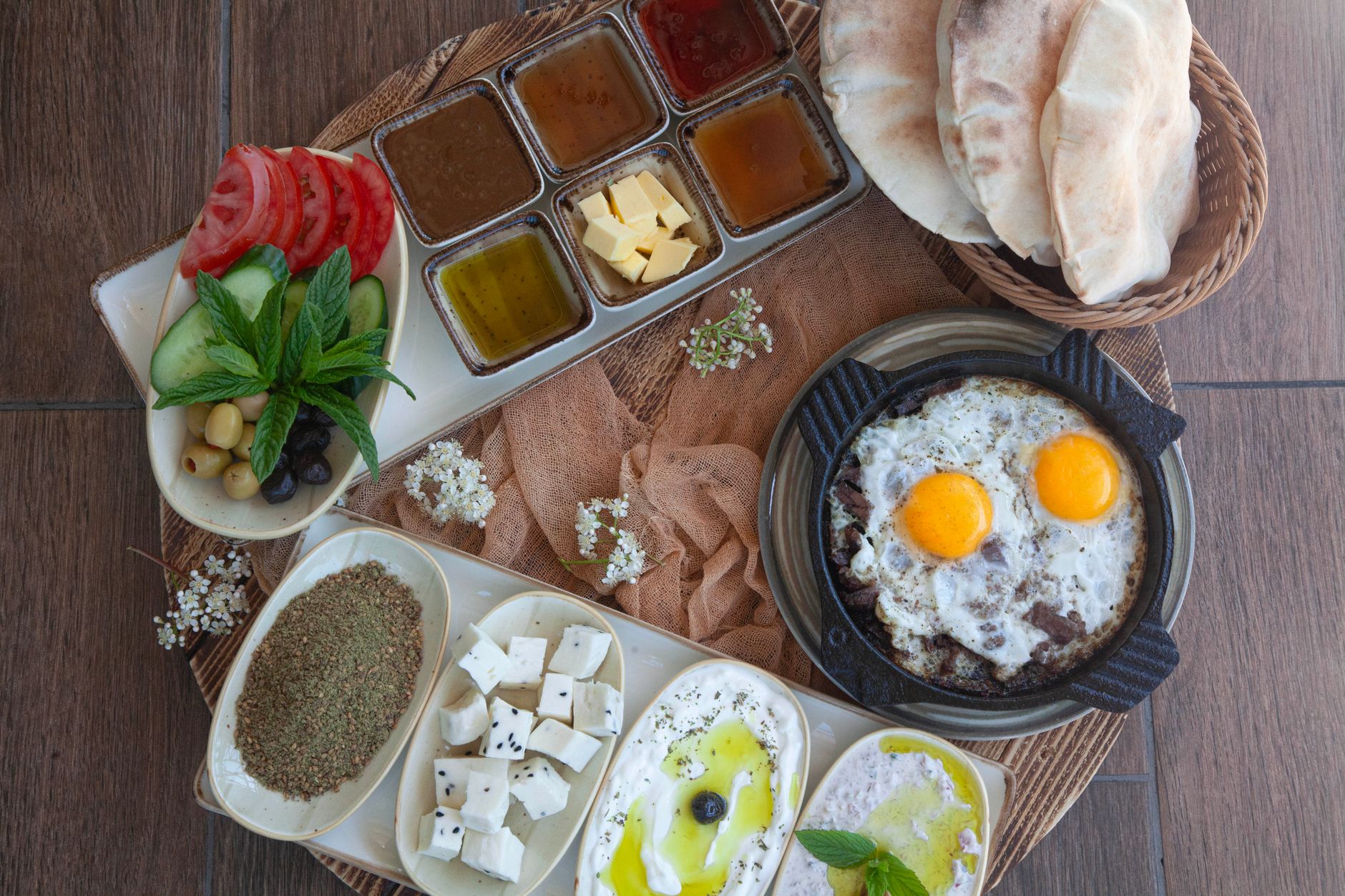
A proper Egyptian breakfast is a plate of slow-cooked fava beans (foul medames), a few hot fava-bean fritters (ta’amiya), a stack of fresh baladi bread, a wedge of salty white cheese, sliced tomato, olives, and pickles — washed down with sweet tea or a thimble of Turkish coffee. It costs almost nothing, it’s mostly plant-based, and it’ll keep you going until mid-afternoon. That’s the whole idea.
I’ve eaten this exact spread standing at a downtown cart at 7am with taxi drivers, and again three days later off a starched white tablecloth at a Nile hotel. Same beans. Different theatre. This Egyptian breakfast guide walks through every component, where to get the good versions in Cairo, what a normal Egyptian morning actually looks like, and how to order at a foul cart without freezing up. Foul and ta’amiya are the heart of it, so we start there.
Foul and ta’amiya: the heart of the Egyptian breakfast
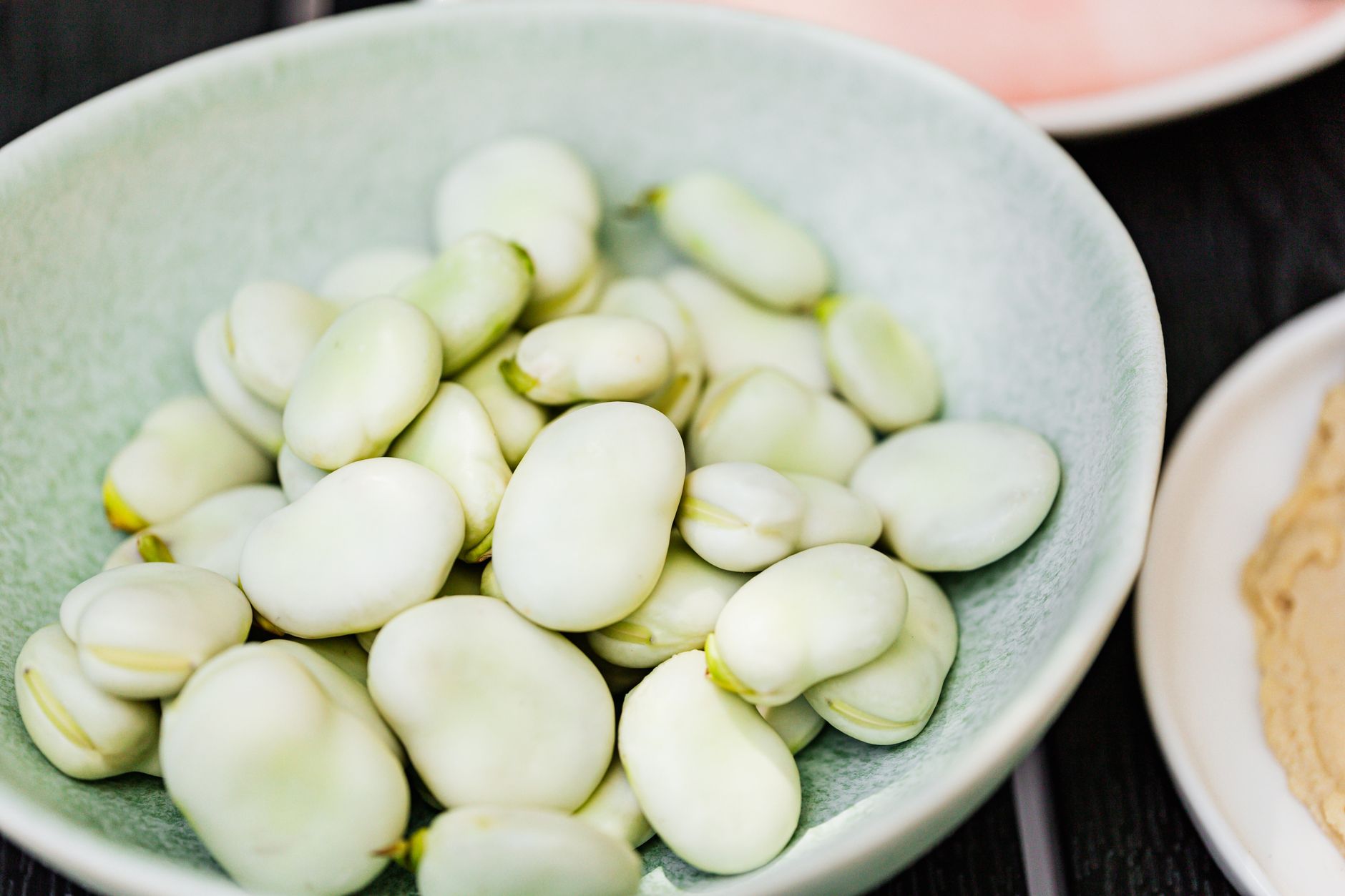
If you eat one thing for breakfast in Cairo, eat foul. Dried fava beans go into a tall, narrow copper pot called a idra the night before and simmer over a low flame until morning. The vendor scoops them out, mashes them to whatever texture you like, then dresses the bowl with olive oil, a hard squeeze of lemon, cumin, salt, and garlic. From there it’s personal: chopped tomato, a fistful of parsley, chili, tahini, a knob of butter. Egyptians have been eating beans cooked roughly this way for thousands of years — foul turns up in old texts and tomb scenes, which is the kind of pedigree most national dishes can only dream of.
You don’t eat foul with a spoon if you can help it. You tear off a piece of baladi bread, pinch it into a scoop, and go in. Beans, bread, a bit of pickle, repeat.
Ta’amiya is the crispy half of the partnership — and yes, it’s what the rest of the world calls falafel, except Egyptians make it with skinned split fava beans instead of chickpeas. The beans get blitzed with cilantro, parsley, onion, leek, garlic, cumin, and coriander, which is why a fresh one is bright green inside. The patties are pressed flat, rolled in sesame seeds, and dropped into hot oil until the outside shatters and the middle stays soft. Eat them within about ten minutes of frying. A ta’amiya that’s been sitting in a tray since dawn is a sad, dense thing, and not worth your stomach space.
The move almost everyone makes is the breakfast sandwich: a piece of ta’amiya, a slice of tomato, and a little pickle folded into baladi bread. Vendors will build it for you in about fifteen seconds. It’s the unofficial national snack and it costs less than a bottle of water.
What it costs in 2026
Prices have climbed with the Egyptian pound, but by any traveller’s maths this is still the cheapest good meal you’ll find anywhere. As of mid-2026, in a normal neighbourhood spot:
| Item | Rough price (EGP) | ≈ USD |
|---|---|---|
| Bowl of foul | 15–25 | $0.30–$0.50 |
| Ta’amiya sandwich | 15–25 | $0.30–$0.50 |
| Baladi bread (per loaf) | a few EGP | cents |
| Full local breakfast (foul + ta’amiya + egg + cheese + bread) | around 40–60 | $1–$1.50 |
Two honest caveats. First, prices move fast in Egypt, so treat these as a guide, not gospel — confirm before you order rather than assuming. Second, anything in a heavy tourist zone (right on Tahrir, inside Khan el-Khalili’s main lanes) runs noticeably dearer, sometimes 30–45% above what a Cairene pays two streets over. Walk a block off the tourist drag and the same plate gets cheaper and usually better.
The rest of the spread
Foul and ta’amiya anchor the table, but a real Egyptian breakfast is a constellation of small plates you graze across for an hour. Here’s the supporting cast.
Aish baladi — the bread that means “life”
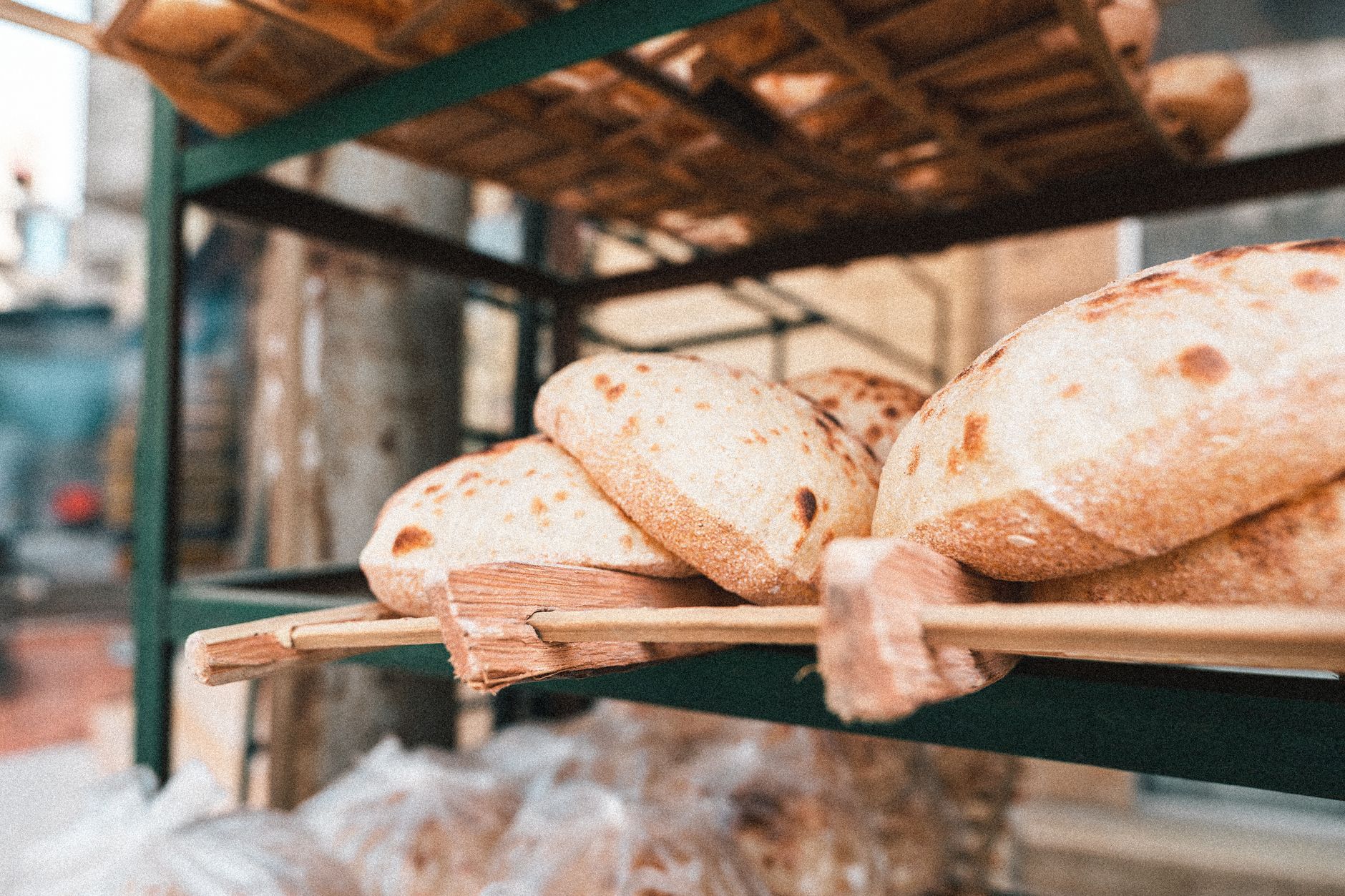
Egypt’s everyday bread is a round, whole-wheat flatbread baked in ferociously hot ovens. The dough puffs into a balloon, then deflates into a hollow pocket that’s tailor-made for stuffing. The word aish literally means “life” in Egyptian Arabic, which tells you everything about how central it is here. It’s government-subsidised, so a loaf costs a few pounds, and every neighbourhood has a bakery turning out hot rounds all morning. If you pass one and see a crowd, queue up — bread straight off the oven floor is one of the simple great pleasures of a Cairo morning.
White cheese, mish, and the cheese question
Gibna beda is the salty white cheese that lands on every breakfast table — close cousin to Greek feta, sometimes served plain, sometimes marinated with tomato, cucumber, and oil. Then there’s mish: aged, fermented, pungent, and an acquired taste even for some Egyptians. It’s eaten in small smears with bread and vegetables. Try a little. If it’s not for you, nobody’s offended.
Eggs
Eggs aren’t the centrepiece they are in a Western breakfast, but they’re always around. You’ll see them fried, scrambled into a soft omleta, or cooked down with tomato and pepper, shakshuka-style. Heartier versions add sujuk (spicy sausage) or basturma (cured, spiced beef) — order those if you want something richer to balance the beans.
Vegetables, pickles, olives
The vegetable plate — sliced tomato and cucumber, maybe radish and green onion, plenty of fresh herbs — is what keeps the meal from feeling heavy. Alongside it comes torshi: pickled turnips dyed shocking pink with beetroot, pickled peppers, pickled lemons. And olives, green or black, with a generous pour of olive oil over everything. None of this is optional in spirit, even if it’s technically a side.
Something sweet, and feteer
Many tables finish with honey, fig jam, halawa (sesame halva), or tahini loosened with honey, all scooped up with more bread. And then there’s feteer meshaltet — Egypt’s flaky, buttery, many-layered pastry, sometimes called “Egyptian pancake.” It’s made by stretching dough paper-thin, folding it over and over with ghee, and baking it into a crisp, blistered disc. Eat it savoury with cheese, or sweet with honey and powdered sugar. It’s richer and more occasional than the daily foul-and-bread routine — more of a weekend or feast-day treat — but if you see a feteer bakery (a fatatri), it’s worth a detour.
What to drink
- Turkish coffee (qahwa) — small, strong, usually sweet. Order it mazboot for medium sugar.
- Hibiscus tea (karkadeh) — deep red, hot in winter and iced in summer, usually sweetened. Ask for bidoun sukar if you want it without.
- Mint tea (shai bil na’na) — sweet, fragrant, the easy default.
- Sahlab — a warm, thick milk drink dusted with cinnamon and nuts; a cold-weather thing.
- Fresh juice — mango, guava, orange, strawberry by season, plus fresh-pressed sugar cane (asab) from street stalls.
Where to eat Egyptian breakfast in Cairo
The beauty of this meal is that it scales from a 40-pound plate eaten standing up to a lavish hotel buffet — and both are legitimate. Here’s how I’d think about it.
Foul carts and local shops
El Sharkawy (Downtown) is the name everyone throws out for foul and ta’amiya — counter service, standing room, fast turnover, which is exactly what you want. El Tabei El Domyati has multiple branches and does a reliable, cheap bean breakfast (a hearty plate runs around 30 EGP). El Refai and Abou Bashandy (south of downtown) are old local favourites worth seeking out. Beyond the named spots, every residential pocket — Maadi, Zamalek, Garden City — has its own morning cart that regulars swear by. Those neighbourhood carts are where the real version lives, and you’ll usually pay the least there too.
For atmosphere over efficiency, the foul carts and ahwas around Khan el-Khalili let you eat a simple breakfast in the middle of Islamic Cairo, though you’re paying a bit for the postcard.
Sit-down Egyptian restaurants
Felfela (Downtown) has been going since 1959, a few steps from Tahrir at 15 Hoda Shaarawy in Bab al-Louq, and it’s the comfortable middle ground — table service, an English-friendly menu, and a proper foul that locals still rate. Zööba (multiple branches) gives the street classics a clean, modern, fast-casual treatment, which suits travellers who want a menu and a seat. In Khan el-Khalili, the historic El Fishawy café and the Naguib Mahfouz Café both serve traditional breakfast plates in genuinely atmospheric rooms.
Hotel breakfast buffets
If you want the spread laid out with no language barrier and a live foul station, Cairo’s big hotels deliver. The Four Seasons at Nile Plaza is widely considered the most comprehensive Egyptian breakfast in town. The Nile Ritz-Carlton does a polished Egyptian-and-international buffet right on Tahrir, and the Marriott Mena House in Giza puts the Great Pyramid in your eyeline while you eat. Many first-timers, sensibly, do their first Egyptian breakfast at the hotel and then go hunting for a cart once they’ve got the lay of the land. If you’re still sorting out your base, our Cairo dining guide for 2026 covers where the kitchens are worth the splurge.
Once you have the hang of ordering standing up at a counter like El Sharkawy, the same instinct carries you through the rest of the day, starting with the lunchtime queue for a proper bowl of koshary.
What a normal Egyptian morning looks like
Breakfast in Egypt is not a grab-and-go affair, at least not when there’s time for it. On a weekend especially, families and friends linger over the table for an hour — sharing from communal bowls, refilling tea, reading the paper, easing into the day rather than attacking it. The food is built for that pace.
Roughly how the clock runs:
- Foul carts: open early, often 5–6am, and wind down around late morning. Get there before the beans run low.
- Local restaurants: breakfast service runs from around 7am to noon.
- Hotel buffets: typically 6:30 to 10:30am — check your property, since times shift.
- Egyptian families: tend to eat around 7–9am on weekdays, later and longer on weekends.
During Ramadan the whole rhythm inverts. There’s no daytime breakfast while people fast from dawn to sunset; instead the morning meal becomes suhoor, eaten before first light (think 3–4am) and often built on the same foul, ta’amiya, bread, and dates. If you’re visiting then, eat discreetly during fasting hours and you’ll be fine — plenty of hotels and tourist-facing restaurants stay open. For the broader unwritten rules, our guide to Cairo’s social codes is worth a read before you go.
That unhurried hour over refilled tea is a Cairo habit rather than a breakfast one, and it runs on through the afternoon in the old ahwas where nobody rushes you.
How to order at a foul cart
It’s easier than it looks. The vendor has done this ten thousand times and will happily steer a nervous tourist. A rough script:
- Open with “Sabah al-khair” (good morning). It goes a long way.
- Order “foul wa ta’amiya” — beans and falafel.
- Bread (aish baladi) is usually a given; nod yes.
- Add-ons: “wa torshi” (with pickles), “wa salata” (with salad).
- To drink: “shai bil na’na” (mint tea) or “qahwa” (Turkish coffee).
- Pay at the end. Round up or leave 5–10 EGP as a tip.
A few small things that improve the plate: ask for extra cumin or chili if you like heat, be generous with the lemon and olive oil over your foul, and build at least one ta’amiya-tomato-pickle sandwich before you call it done. That sandwich is the point of the whole exercise.
Is Egyptian breakfast vegan-friendly?
Remarkably so. The core of the meal — foul, ta’amiya, baladi bread, the vegetable plate, olives, pickles, fresh juice, mint and hibiscus tea — is naturally plant-based. Ta’amiya is typically egg-free, though it’s worth a quick check at unfamiliar carts. The things to skip if you’re strict are the white cheese, eggs, and sahlab (made with milk). It’s one of the easiest cuisines in the region to eat well on a plant-based diet — between foul, ta’amiya, and bread, a vegan traveller can build a genuinely satisfying breakfast at almost any cart in the city.
Egyptian Breakfast Guide FAQ
What is a traditional Egyptian breakfast?
Foul medames (slow-cooked fava beans) and ta’amiya (fava-bean falafel) with fresh baladi bread, white cheese, sliced tomato, pickles, olives, and tea or Turkish coffee. Eggs, honey, and feteer turn up too.
Where’s the best foul in Cairo?
El Sharkawy in downtown is the classic answer for foul and ta’amiya, but every neighbourhood has a cart locals defend to the death — and those are often the best value. For a sit-down version, Felfela near Tahrir is the safe, comfortable pick.
How much does a foul-cart breakfast cost in 2026?
Roughly 40–60 EGP (about $1–$1.50) for a full plate with beans, falafel, bread, cheese, and an egg in a local spot. A single bowl of foul or a ta’amiya sandwich is around 15–25 EGP. Tourist zones cost more, and prices shift, so confirm as you order.
What’s the difference between ta’amiya and falafel?
Ta’amiya is the Egyptian version, made with skinned fava beans and loaded with fresh herbs, which gives it a green interior. Most falafel elsewhere uses chickpeas. Egyptians fry theirs with a sesame-seed coating.
What time do Egyptians eat breakfast?
Generally 7–9am on weekdays, later and more leisurely on weekends. Foul carts open as early as 5–6am; hotel buffets usually run until about 10:30am.
Can I get an Egyptian breakfast at my hotel?
Yes. Most four- and five-star Cairo hotels lay out a full Egyptian-plus-international buffet, often with a live foul station. It’s a low-stress first taste before you venture out to a cart.
Related reading
This is one stop on a much bigger plate. For the full picture, start with our complete Cairo food guide, then dig into the best street food in Cairo and the wider roster of traditional Egyptian dishes worth trying. Hungry for more than just eating? Our guide to the best things to do in Cairo helps you build the morning-foul, afternoon-pyramids kind of day this city does so well.