This article contains advertising. Our booking links are routed through a partner that adds commission tracking automatically, so if you book through one we earn a commission from the provider, at no extra cost to you. It never affects what we recommend. Affiliate disclosure
If you only learn five words of Arabic in Cairo, make one of them koshari. The traditional Egyptian dishes worth crossing the city for are cheap, mostly meat-optional, and far stranger and better than the hummus-and-falafel cliché suggests — a bowl of layered carbs with two sauces, a green soup that splits opinion at the table, a roast pigeon stuffed with cracked wheat. Here’s what to eat, why it matters, and exactly where to order each one.
I’ve eaten my way through a lot of this city, and the thing nobody tells you is that Egyptian food is its own animal — not Lebanese, not Turkish, though it borrowed from both. It leans vegetarian almost by accident, it’s built around bread, and the desserts are a genuine event rather than an afterthought. A monument-heavy trip that skips the food is only half a trip. This pairs with our broader Cairo food guide if you want the full lay of the land first.
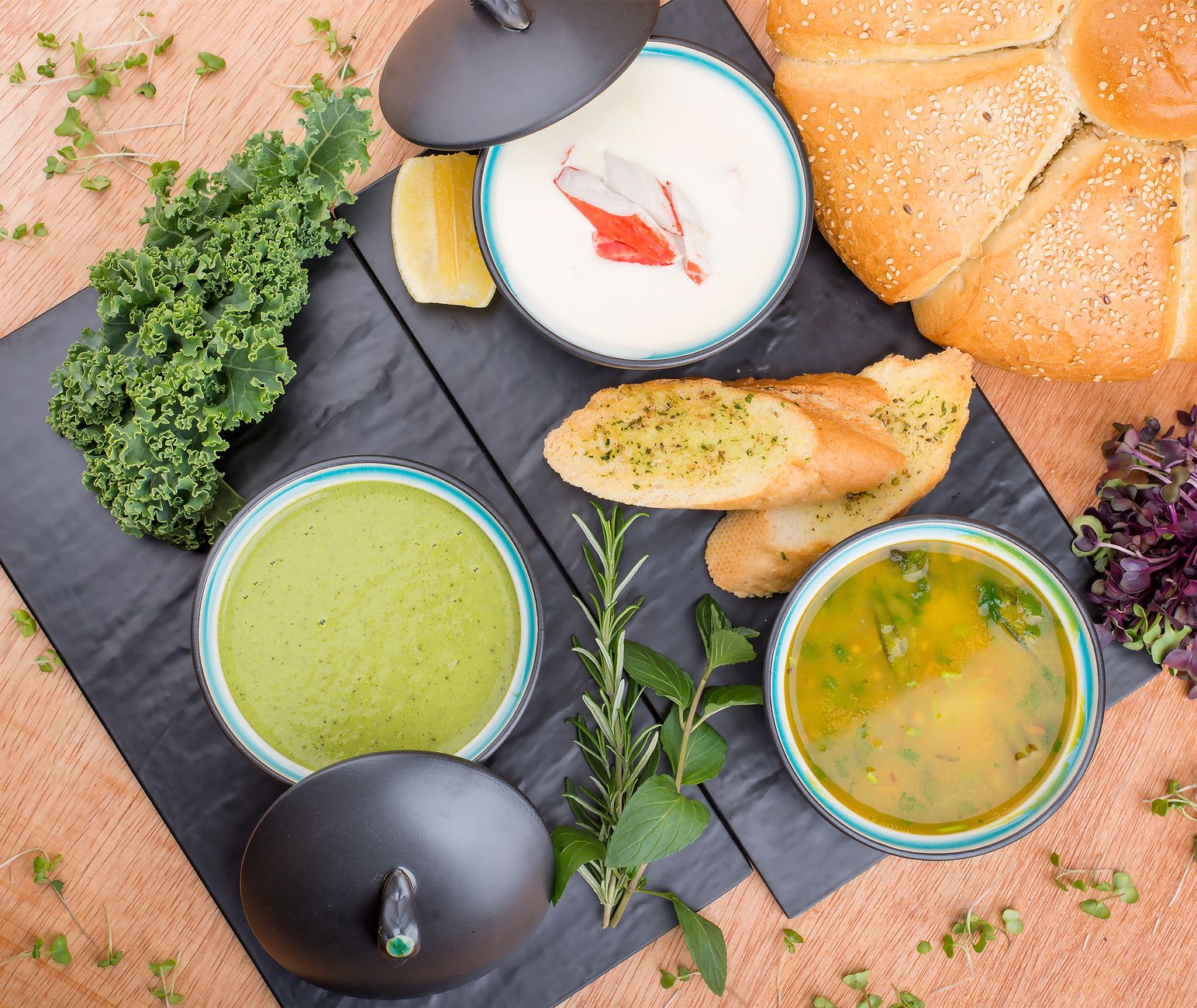
The savoury mains and street classics you actually came for
Start with the dishes Cairenes eat every day, because that’s where the cuisine really lives — not in hotel buffets, but in tiled hole-in-the-wall joints where one item is on the menu and they’ve spent fifty years perfecting it.
Koshari — the national dish, and the one to eat first
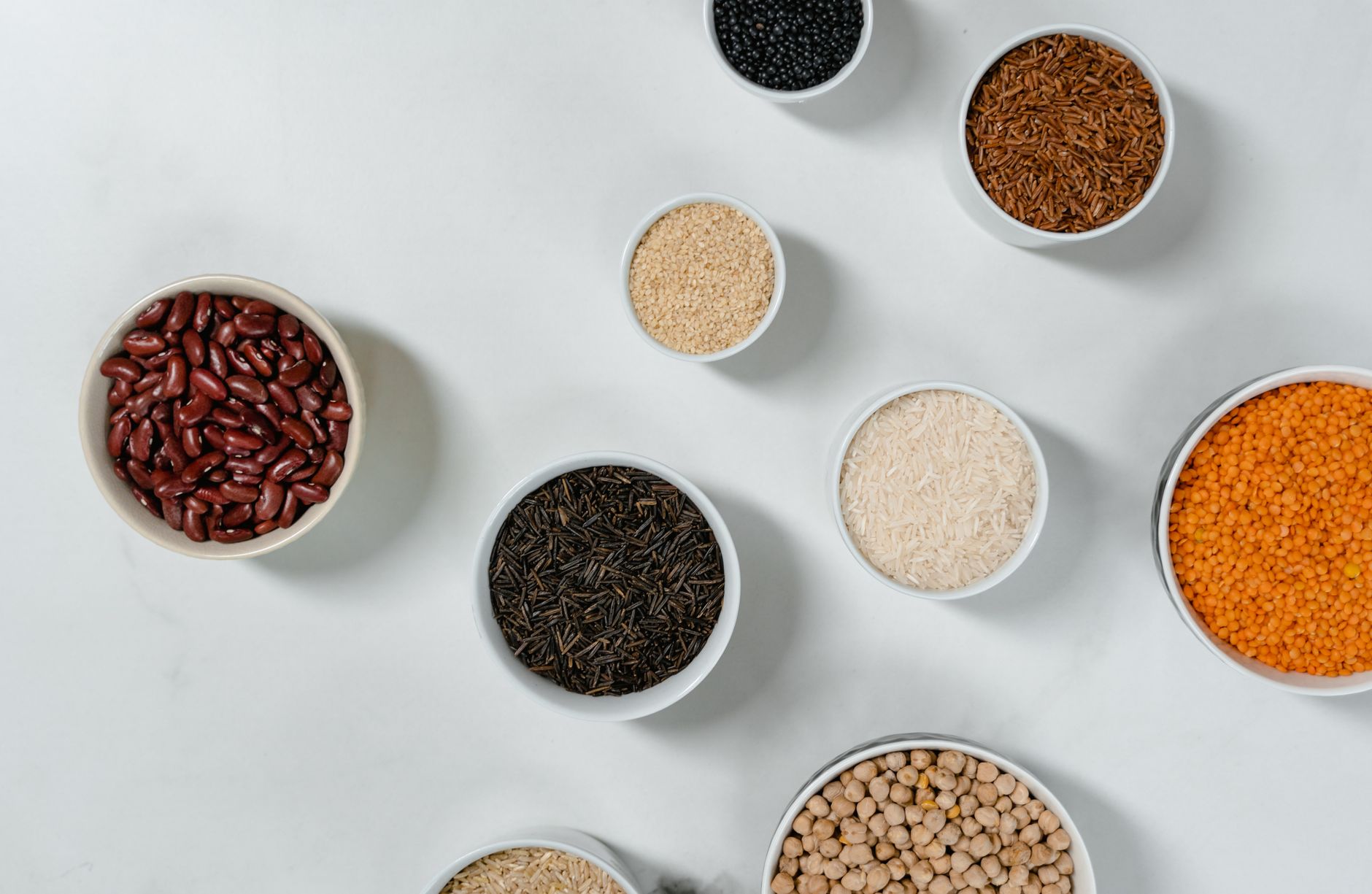
Rice, brown lentils, macaroni and vermicelli, chickpeas, a fistful of crisp fried onions, then garlic-vinegar sauce and a spicy tomato sauce poured over the top. It sounds like a carb pile-up and it sort of is, but the textures and the sharp da’a (the garlicky vinegar) make it sing. It’s vegan as standard, it’s filling, and it costs almost nothing. Abou Tarek downtown is the temple — a four-storey building dedicated to one dish. A regular bowl runs around 25–35 EGP and a large maybe 50–60 EGP (roughly $0.50–$1.20), and they turn tables fast even when it’s heaving. Don’t overthink it; just point at the size you want.
Ful medames — breakfast since the pharaohs
Slow-cooked fava beans, stewed overnight until creamy, dressed with olive oil, cumin and lemon and scooped up with warm baladi bread. This is what the country eats in the morning, from cabinet ministers to the guy running the cart on your corner. The version at El Sharouk downtown is reliably good, but honestly a busy street cart at 8am is the real thing. Expect to pay almost nothing — a sandwich version is small change. Add a fried egg if it’s offered.
Taameya — the falafel that puts the chickpea version to shame
Egyptians make falafel with crushed fava beans instead of chickpeas, packed with cilantro, parsley and leek, so it comes out greener inside, fluffier, more herbal. Fried fresh, the shell shatters and the middle is almost like a savoury cake. Felfela and El Sharouk both do it well. It’s the natural partner to ful at breakfast, and it’s about the cheapest hot food in the city.
Molokhia — the green soup that divides people
Finely minced jute leaves cooked into a stew that’s somewhere between soup and sauce, brightened with garlic and coriander fried in ta’leya and ladled over rice. The texture is the sticking point — it’s a little slippery, and first-timers either love it on sight or recoil. Stick with it. The name supposedly goes back to “the vegetable of kings,” reserved for pharaonic royalty. You can get it vegetarian or, more traditionally, with chicken or rabbit. Aboul Sid in Zamalek does a lovely version, and Felfela’s is solid too.
Mahshi — stuffed everything
Vine leaves, cabbage rolls, hollowed zucchini and peppers, all packed with herby rice and simmered in a lemony broth. It’s home cooking, fiddly and slow, which is why you order it out rather than attempt it. There are vegetarian and meat versions; the veg one is genuinely satisfying. Aboul Sid and Felfela again — this is comfort food and they treat it that way.
Kofta, kebab and the grill
When you want meat, you want the mashawi: kofta (spiced minced lamb or beef pressed onto skewers and grilled) and kebab (chunks of marinated meat over charcoal), usually arriving together as a mixed grill with blistered tomato, onion and rice. Any reputable Egyptian grill does this well. Order more bread than you think you need — refills are free, always.
Hawawshi and shawarma — the handheld stuff
Hawawshi is spiced minced meat baked inside flatbread until the edges crisp — messy, peppery, brilliant. Tabei El Domyati is a good bet. Shawarma needs no introduction, though the Egyptian version skews toward tahini and pickles in the wrap. Both are cheap and both are better at a busy stall with high turnover than anywhere quiet. For the full rundown of eating on your feet, our best street food in Cairo guide goes deeper on the carts and counters.
Those single-item, tiled hole-in-the-wall places are where the koshari argument actually gets settled, so it is worth knowing which counters Cairenes rate over Abou Tarek before you join the tourist queue.
The festive dishes — fattah and stuffed pigeon
Some dishes only really appear for celebrations, and they’re worth seeking out precisely because they tell you what Egyptians cook when it matters.
Fattah — the Eid dish
Layers of rice, crisp toasted bread and a punchy garlic-vinegar-tomato sauce, crowned with chunks of slow-cooked lamb. It’s the centrepiece at Eid al-Adha and it’s rich in the way a holiday meal should be. Aboul Sid serves it year-round, which is the easiest place for a visitor to try it without timing a trip to a religious festival. Go hungry.
Hamam mahshi — stuffed pigeon, the prized splurge
This is the one that makes squeamish travellers hesitate, and the one I’d push you hardest to order. Young pigeon (squab) stuffed with freekeh — green cracked wheat with a smoky, nutty flavour — or seasoned rice, sometimes with liver and nuts, then roasted whole. The bird is small and there’s some work to it, but the freekeh soaks up all the juices and it’s been a luxury dish in Egypt since antiquity. Farahat downtown is the famous address for it. It’s the priciest thing on this list at maybe 250–500 EGP a head depending where you go, and worth every pound.
The sweets — where Egypt quietly excels
Egyptian desserts are not a polite little something with coffee. They are the reason to leave room. Three you must not miss:
Om Ali — the national dessert
Torn pastry baked in hot sweetened milk with raisins, coconut and nuts until it sets into something between bread pudding and croissant custard, served warm. The legend behind the name is wonderfully grim (a medieval queen, a rival, a celebratory pudding) but you don’t need the story to fall for it. Most decent Egyptian restaurants make it; have it at the end of a meal at Aboul Sid and you’ll understand the fuss.
Basbousa — the syrup-soaked semolina cake
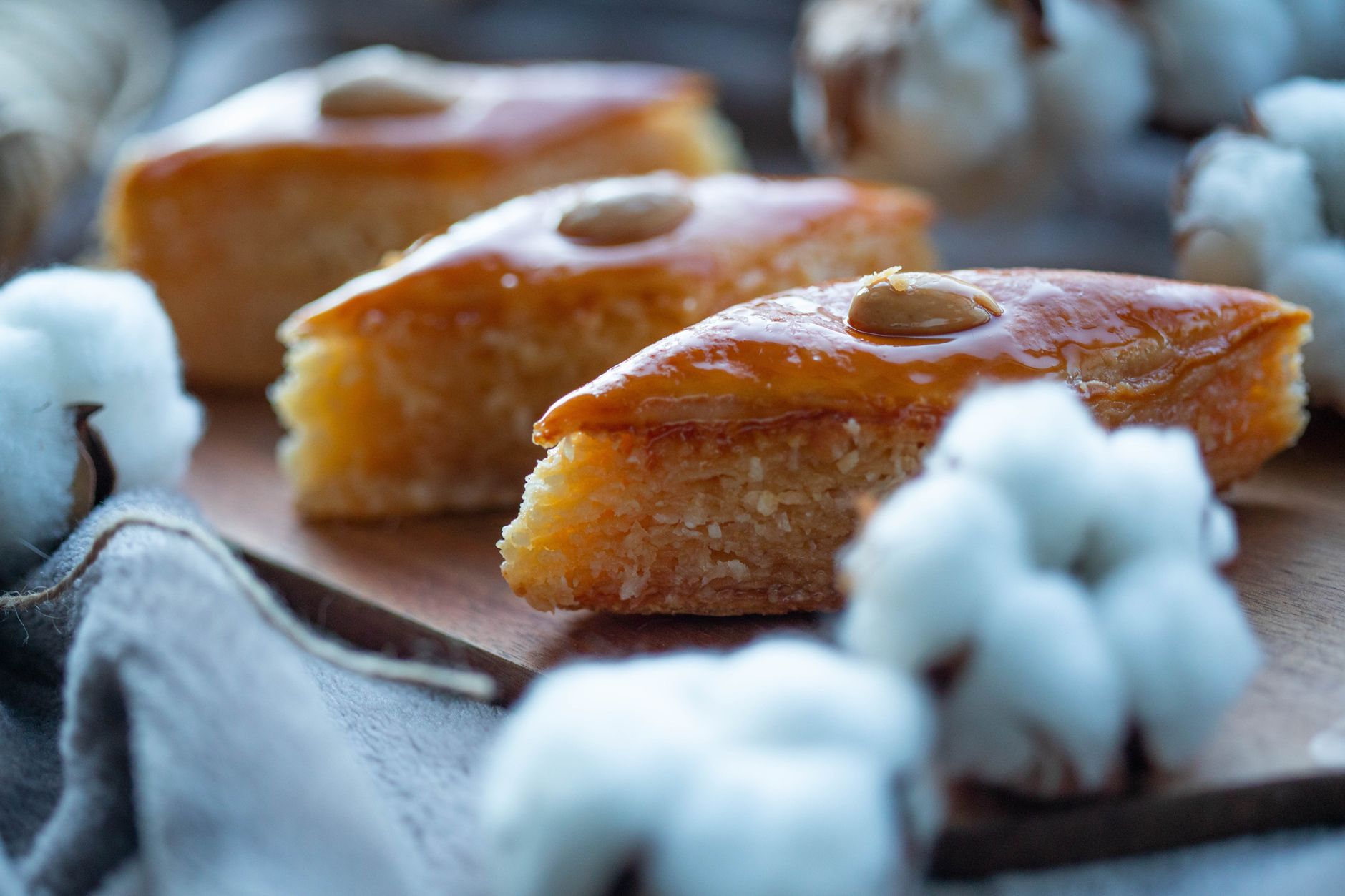
A dense semolina cake drenched in syrup, often crowned with coconut or an almond in each diamond-cut piece. It’s a bakery staple and a tea-time default. Pick it up by the slice from a sweet shop — it’s small change and travels well in your bag for later.
Konafa — shredded pastry, two ways
Fine shredded-wheat pastry layered with sweet cheese or cream, baked crisp and soaked in syrup. The cheese version, eaten warm so it pulls into strands, is the one to chase. El Abd downtown and Mandarine Koueider in Zamalek are the classic addresses for konafa and basbousa alike — both are institutions, both get mobbed during Ramadan.
Traditional Egyptian dishes at a glance
Here’s the cheat sheet — what each dish is, roughly what it costs, and where I’d send you for it. Prices are 2026 ballpark figures for a single serving and move with the exchange rate, so treat them as a guide rather than gospel.
| Dish | What it is | Approx. price | Where to try it |
|---|---|---|---|
| Koshari | Rice, lentils, pasta, chickpeas, fried onions, two sauces (vegan) | 25–60 EGP ($0.50–$1.20) | Abou Tarek (Downtown) |
| Ful medames | Slow-cooked fava beans with oil, cumin, lemon | 20–50 EGP ($0.40–$1) | El Sharouk (Downtown), street carts |
| Taameya | Fava-bean falafel, green and herby (vegan) | 20–50 EGP ($0.40–$1) | Felfela, El Sharouk |
| Molokhia | Jute-leaf stew over rice; veg, chicken or rabbit | 120–300 EGP ($2.50–$6) | Aboul Sid (Zamalek), Felfela |
| Mahshi | Stuffed vine leaves, cabbage, zucchini, peppers | 150–350 EGP ($3–$7) | Aboul Sid, Felfela |
| Kofta & kebab | Grilled minced and chunk meat, mixed grill | 250–600 EGP ($5–$12) | Reputable grill houses citywide |
| Hawawshi | Spiced minced meat baked in crisp flatbread | 60–150 EGP ($1.20–$3) | Tabei El Domyati |
| Fattah | Layered rice, crisp bread, garlic sauce, lamb (Eid dish) | 250–500 EGP ($5–$10) | Aboul Sid (year-round) |
| Hamam mahshi | Squab stuffed with freekeh or rice, roasted whole | 250–500 EGP ($5–$10) | Farahat (Downtown) |
| Om Ali | Warm pastry-and-milk pudding with nuts and raisins | 80–200 EGP ($1.60–$4) | Most Egyptian restaurants |
| Basbousa | Syrup-soaked semolina cake | 30–100 EGP ($0.60–$2) | El Abd, sweet shops citywide |
| Konafa | Shredded pastry with cheese or cream, syrup-soaked | 80–250 EGP ($1.60–$5) | El Abd (Downtown), Mandarine Koueider (Zamalek) |
One thing worth knowing for 2026: more and more Cairo restaurants and even some street counters now take cards or InstaPay, but the budget koshari-and-ful end of things is still very much cash-only. Keep small EGP notes on you. And if a tourist-area menu has no prices listed, ask before you order — that’s where the occasional inflated bill happens, not at the places locals queue for.
Where to base your eating, by budget
You don’t need a plan so much as a few anchors. At the budget end, the downtown trio does most of the heavy lifting: Abou Tarek for koshari, El Sharouk for ful and taameya, Tabei El Domyati for hawawshi. For mid-range sit-down, Felfela has been a Cairo institution since 1959 and is a gentle, reliable introduction to the whole spread, while Naguib Mahfouz Café tucked inside Khan el-Khalili lets you eat well without leaving the bazaar. For a proper occasion, Aboul Sid in Zamalek — set in a 19th-century mansion — is the one I send people to for refined versions of molokhia, mahshi, fattah and a closing om ali. Hotel-level options like Khufu’s at Mena House (with the Pyramids in view) and the Four Seasons’ modern-Egyptian dining exist if you want the splurge with a view.
For a more curated list of full-service spots across price points, our 2026 Cairo restaurants guide breaks it down, and if you’d rather have someone walk you through it all, a guided crawl from our Cairo food tours and experiences takes the guesswork out.
Eating like a local — the small etiquette that matters
A few habits smooth things over and earn you warmer service. Eat with your right hand and use bread to scoop dips rather than a fork where it’s casual. Bread refills are free and you never ask twice. Sharing is the default — order several dishes for the table rather than one each. At sit-down places a tip of around 10–15% is standard. And if your host or a stranger insists you eat more, take a little; “khalas, shukran” with a hand on your heart is the graceful way to signal you’re genuinely full. Saying “alhamdulillah” after a meal is common and always lands well.
On safety: Cairo food is generally fine at busy sit-down restaurants and high-turnover street stalls. Give your stomach a day or two to acclimatise, drink bottled water, and you’ll be fine. The culture around hospitality and the table is one of the real pleasures here — our practical guide to Egyptian table manners covers the wider customs if you want the full picture before you go.
Frequently asked questions
What is Egypt’s national dish?
Koshari — a bowl of rice, brown lentils, pasta and chickpeas topped with crispy fried onions, garlic-vinegar sauce and spicy tomato sauce. It’s vegan as standard, costs next to nothing, and Abou Tarek downtown is the most famous place to eat it.
What do Egyptians eat for breakfast?
Ful medames (slow-cooked fava beans) and taameya (fava-bean falafel) with warm baladi bread, white cheese, and tea or coffee. It’s eaten everywhere from street carts to hotel buffets, and it’s both cheap and genuinely filling.
What is molokhia and will I like it?
A stew of finely chopped jute leaves with garlic and coriander, served over rice with chicken, rabbit or vegetarian. The slightly slippery texture divides first-timers — give it a fair go, ideally a good version at Aboul Sid in Zamalek, before deciding.
Should I really try the stuffed pigeon?
Yes. Hamam mahshi — squab stuffed with smoky freekeh wheat or rice and roasted whole — is one of Egypt’s most prized dishes and has been a delicacy since ancient times. Farahat downtown is the classic address. The bird is small and a little fiddly, but the flavour is the payoff.
Is Egyptian food spicy?
Mostly no. Dishes are well seasoned rather than chili-hot. The main heat is in koshari’s optional tomato-and-chili sauce, which you control yourself — add as much or as little as you like.
Which dessert should I prioritise?
Om Ali, Egypt’s warm pastry-and-milk pudding, is the one to have after a meal. For something to grab on the go, basbousa (syrup-soaked semolina cake) and konafa (shredded pastry with cheese or cream) from El Abd or Mandarine Koueider are the standouts.
Can vegetarians eat well in Cairo?
Remarkably well — koshari, ful, taameya, vegetable mahshi, vegetable molokhia and the whole mezze spread are plant-based as standard. Just confirm no ghee or meat stock where it matters. Our food guide and the wider things to do in Cairo roundup point to more plant-friendly spots and food-focused outings.
The short version
Build a couple of dedicated eating days into your trip and Cairo opens up in a way no monument can match. Start with a 30-pound bowl of koshari at Abou Tarek, work through molokhia and mahshi at a proper sit-down, splurge once on stuffed pigeon, and finish with om ali. From a near-free breakfast to a long boozy-free feast in a Zamalek mansion, this is some of the most rewarding — and least expensive — eating you’ll do anywhere.
Keep planning: the Cairo food guide ties it all together, the street food guide handles eating on your feet, and the restaurants guide covers sit-down dining across every budget.