This article contains advertising. Our booking links are routed through a partner that adds commission tracking automatically, so if you book through one we earn a commission from the provider, at no extra cost to you. It never affects what we recommend. Affiliate disclosure
Walk off the aircraft at Cairo, follow the crowd along the arrivals corridor, and just before the long row of passport desks you will find the place where most first-timers lose their first half-hour in Egypt: the visa area. For years it was simply a line of bank counters selling paper stickers for cash. Since August 2026 it has had company — self-service kiosks selling a digital version, and a QR code that many travellers now arrive with already on their phones. The whole Egypt visa on arrival Cairo airport routine is still straightforward, but there are now three ways to do it, two different prices, and one wrong move — joining the passport queue without a visa — that sends you straight back to the start.
This page covers the physical process at Cairo International Airport, step by step: the order of things after you land, the digital QR visa and how to get it before you fly, the kiosks, the traditional sticker at the bank counters, passport control, what it all costs in 2026 and what can go wrong. Whether your nationality can get a visa on arrival at all, and how the e-Visa works, belongs to our full guide to Egypt visa requirements. Information was checked in September 2026; visa rules and fees change, so confirm them shortly before you travel.
Your options at a glance
| Option | When and where | Cost (Sept 2026) | Payment | Best for |
|---|---|---|---|---|
| Digital QR visa, bought before you fly | Online at the official visa-on-arrival portal or app, up to 7 days before arrival | USD 36 (USD 30 fee + USD 6 service charge) | Card only | Most eligible travellers — you skip the counters entirely |
| Digital QR visa at a kiosk | Self-service machines in the arrivals halls, before passport control | USD 36 | Card only | Anyone who did not buy online and has a card that works abroad |
| Paper visa sticker | Bank counters before passport control | USD 30 visa fee | Traditionally cash; US dollars are safest | Travellers without a working card, or who prefer the old way |
| e-Visa | Online, days or weeks before travel | Check the official e-Visa portal | Card | Planners; nationalities covered by the e-Visa scheme |
| Free transit visa | Airport desk, for passengers on Egyptian airlines with 8–96 hours | Free | — | EgyptAir, Air Cairo and Nile Air transit passengers |
Two headline changes in 2026 explain why older guides are wrong. The visa-on-arrival fee rose from USD 25 to USD 30 on 1 March 2026. And on 1 August 2026 Cairo airport began a pilot of the digital QR visa, which costs USD 36 including a USD 6 service charge and is paid by card. The paper sticker is still on sale during the pilot, but the plan is for the QR code to become the only way to get a visa on arrival once the trial ends.
The order of things after you land

The sequence at Cairo is the same whichever terminal you arrive at:
- Off the aircraft, either through an airbridge or by bus from a remote stand.
- The visa area, before passport control. This is where the bank counters and, since August 2026, the self-service kiosks are. If you already have a QR code or an e-Visa, walk past.
- Passport control. Queue at the desks for foreign passports and present your passport with your visa — the sticker in your passport, the QR code on your phone or on paper, or your e-Visa.
- Baggage reclaim.
- Customs, where bags are often put through an X-ray machine on the way out.
- The arrivals hall, with ATMs, exchange booths, SIM kiosks and transport desks.
The one rule that matters: sort your visa before you join the passport queue. Officers will not sell you one at the desk, and if you reach the front without it, you will be sent back to the visa area and have to queue again. On a busy night, that mistake can cost you an hour.
Option 1: the digital QR visa before you fly
For most eligible travellers this is now the best option, because it removes the visa queue altogether.
Step by step
- Check you are eligible for a visa on arrival. The digital visa has the same eligibility as the paper one; our visa requirements guide explains who qualifies.
- Go to the official portal or app. The portal is at apps.visaonarrival.gov.eg, and the official Visa on Arrival Egypt app is available for iPhone, Android and Huawei devices. Be wary of look-alike sites that charge extra to “process” your visa.
- Enter your details exactly as they appear in your passport, and pay USD 36 by Visa or Mastercard.
- Save the QR code to your phone so it works offline, and print a copy as a backup.
- At Cairo, walk past the counters and go straight to passport control, where you show the QR code with your passport.
The rules to know
- Timing: each QR code is valid for 7 days from issue. Buy it in the week before you land, not a month ahead.
- One code, one traveller: every member of your group, children included, needs their own.
- Single use: the code covers one entry.
- No refunds: payment is non-refundable once authorised, so check every letter of your passport number and name before you pay.
- No guarantee: as with any visa, the border officer has the final say on entry.
- Cairo only, for now: the pilot applies at Cairo International Airport, across all its arrival terminals. At other Egyptian airports, the paper sticker remains the way to get a visa on arrival for the moment.
Option 2: the self-service kiosks
If you did not buy the QR code online, you can buy it after landing at the self-service kiosks in the arrivals halls, before passport control. The price is the same USD 36, and payment is by card only. The kiosks are the quickest option for anyone who arrives without a code but has a card that works abroad, especially when the queue at the bank counters is long. Follow the on-screen steps, pay, and take your QR code to passport control.
Two cautions. Kiosks are machines: if your card is declined or the queue at the kiosks is itself long, you still have the counters as a fallback, so it is worth carrying enough cash for the paper sticker just in case. And like the online version, a kiosk purchase is for one traveller at a time, so a family of four needs four transactions.
Option 3: the paper sticker at the bank counters
The traditional method still works during the pilot, and for travellers without a card that works abroad it is the only visa-on-arrival option.
Step by step
- Find the bank counters in the visa area before passport control. They look like small bank or exchange booths, usually with exchange-rate boards.
- Hand over your passport and the fee. The visa-on-arrival fee is USD 30 as of March 2026. Payment has traditionally been in cash, and clean, undamaged US dollar notes are the safest currency; do not count on a card being accepted at the counter.
- Receive your visa sticker and your change. If you pay with a larger note, change may come in Egyptian pounds.
- Stick the visa into a blank page of your passport, or leave it for the officer to place. Either is normal.
- Join the passport queue.
Cash tips
- Bring small, clean notes. Exact money — or close to it — speeds things up, and damaged notes are sometimes refused.
- Keep the visa cash separate from the rest of your money, so you are not counting out a wallet at the counter.
- Get pounds afterwards. The ATMs and exchange booths are in the arrivals hall, after customs, not in the visa area. Our guide to money and currency in Cairo covers cards, cash and exchange rates for the rest of your trip.
At passport control
With your visa in hand — sticker, QR code or e-Visa — join the queue for foreign passports. Families and couples can usually approach the desk together. The officer checks your passport and visa, may ask where you are staying and how long you plan to remain in Egypt, and stamps you in. Have your hotel’s name and address ready, and your onward or return ticket on your phone; you may not be asked for either, but it saves time if you are.
Queues are longest when several wide-body flights land within a short window, which happens most nights between about midnight and five in the morning. There is little you can do about the passport queue itself. What you can control is the visa queue before it, which is exactly why the digital options are worth using.
What it costs in 2026
| Visa | Cost | Notes |
|---|---|---|
| Visa on arrival, paper sticker | USD 30 | Since 1 March 2026 (previously USD 25); bank counters before passport control |
| Visa on arrival, digital QR | USD 36 | USD 30 fee plus USD 6 service charge; card only; Cairo airport pilot since 1 August 2026 |
| e-Visa | Check the official portal | Applied for online before travel |
| Transit visa | Free | For passengers with both flights on EgyptAir, Air Cairo or Nile Air and a layover of 8–96 hours |
Is the extra USD 6 for the digital version worth it? For most travellers, yes. It buys you out of the counter queue, which on a night arrival can be the slowest part of the whole process, and lets you pay by card rather than carrying dollars. The paper sticker is the better choice only if you have no card that works abroad, or you are travelling with cash already and the counters are quiet.
e-Visa, QR code or sticker: the airport view
From the point of view of the queue at Cairo, the three routes behave very differently, even though they all end at the same passport desk.
| e-Visa | Digital QR visa on arrival | Paper sticker | |
|---|---|---|---|
| When you apply | Before travel; allow time for approval | Up to 7 days before arrival, or at a kiosk after landing | At the counter after landing |
| What you show | The approval, printed or on your phone | The QR code, printed or on your phone | The sticker in your passport |
| Visa queue at Cairo | None | None if bought in advance; kiosk queue if not | The counter queue |
| Where it works | All international entry points | Cairo International Airport only, during the pilot | Airports offering visa on arrival |
| Payment | Card, online | Card only | Traditionally cash |
The e-Visa’s advantage is that it works wherever you enter and is valid for 90 days from issue for a stay of up to 30 days, so you can apply well ahead; its disadvantage is that it needs planning, and approval is not instant. The QR code is the quick fix for a Cairo arrival booked at short notice. The sticker is the fallback that needs nothing but cash.
How long each step typically takes
These are our planning estimates, not official figures. The spread comes almost entirely from timing: afternoons are usually quiet, and the hours between about midnight and five in the morning, when several long-haul flights land together, are not.
| Step | Quiet time | Night peak |
|---|---|---|
| Visa, with a QR code or e-Visa bought in advance | None | None |
| Visa at a kiosk | 5–10 minutes | 15–30 minutes |
| Visa at a bank counter | 5–10 minutes | 20–45 minutes |
| Passport control | 10–15 minutes | 30–60 minutes |
| Baggage and customs | 15–30 minutes | 20–40 minutes |
Add those up and you can see why a QR code bought in advance matters most at night: it removes the one queue you can control, on the night when every queue is at its longest.
One visa for the whole trip
The visa you get at Cairo covers your stay in Egypt, up to 30 days, wherever you go within the country. Domestic flights on to Luxor, Aswan, Hurghada or Sharm el-Sheikh do not involve immigration, so you will not need another visa for them. What a single-entry visa does not cover is leaving Egypt and coming back — for a side trip to Jordan, for example — so if that is in your plans, read up on the multiple-entry options in our Egypt visa guide before you choose.
Myths worth ignoring
- “You can pay in Egyptian pounds at the counter.” You will not have any yet: the ATMs and exchange booths are in the arrivals hall, after passport control and customs.
- “The officer will sell you a visa at the desk.” They will not. Buy it first.
- “The visa on arrival is still USD 25.” Not since 1 March 2026. The fee is USD 30, and the digital version costs USD 36 with its service charge.
- “You need a special agent to get through.” You do not. Paid meet-and-assist services exist and can be pleasant after a long flight, but the process is designed to be done yourself.
- “Any website selling Egyptian visas is official.” Many are not. Use the official portal or app, and ignore sites that add their own processing fees.
Which option should you choose?
- Arriving at night, or on a busy long-haul flight: buy the QR code online in the week before you travel. It saves the most time exactly when time matters most.
- Travelling as a family: buy a QR code for each person online, and check each passport number twice before paying. Doing four transactions at a kiosk with tired children is the version to avoid.
- No card that works abroad: bring clean US dollars and use the bank counters.
- On a layover with both flights on an Egyptian airline: check whether the free transit visa covers you before paying for anything; our Cairo layover guide sets out the conditions.
- Arriving at an airport other than Cairo: the digital pilot does not apply yet, so plan on the paper sticker or an e-Visa.
- Your nationality is not eligible for a visa on arrival: none of these options is for you. Arrange your visa before you travel.
What to have ready before you land
- Your passport, with at least six months’ validity remaining (the standard advice) and a blank page if you are using a sticker.
- Your visa route decided: a saved and printed QR code, an e-Visa approval, or clean US dollars for the sticker.
- A card that works abroad, if you plan to use a kiosk — and a backup card or some cash in case it is declined.
- Your hotel’s name and address, saved where you can show it without a signal.
- Your onward or return ticket, on your phone.
- Your transfer sorted, so you are not negotiating with touts once you are through; our guide to getting from the airport into Cairo compares the options.
What can go wrong, and how to fix it
| Problem | What to do |
|---|---|
| You joined the passport queue without a visa | Go back to the visa area, buy the sticker or a QR code, and queue again. There is no shortcut. |
| Your card is declined at the kiosk or online | Try another card, or use the bank counters with cash. |
| Your QR code has expired | Codes last 7 days from issue. Buy a new one at a kiosk, or use the counters. |
| You made a typing error in your passport details | Payments are non-refundable. Buy a correct code rather than risk a problem at the desk. |
| A note is refused at the counter | Offer a cleaner note or a different currency; this is why clean notes matter. |
| Your phone is dead or has no signal | Show your printed copy. This is why you print one. |
| Someone offers to “help” with your visa for a fee | Politely decline unless you booked an official meet-and-assist service in advance. Never hand your passport to anyone who is not at an official counter or desk. |
Frequently asked questions
How much is the visa on arrival at Cairo airport in 2026?
The visa-on-arrival fee has been USD 30 since 1 March 2026, up from USD 25. At Cairo, the digital QR version introduced in August 2026 costs USD 36, which is the USD 30 fee plus a USD 6 service charge, and is paid by card. The paper sticker at the bank counters costs the USD 30 fee.
Can I pay for the Egypt visa on arrival by card?
Yes, if you use the digital QR visa, which is card only (Visa or Mastercard), whether you buy it online, in the official app or at the kiosks in the arrivals halls. The paper sticker at the bank counters has traditionally been paid in cash, with US dollars the safest currency, so do not rely on a card there.
Is the paper visa sticker still available at Cairo airport?
Yes, during the pilot of the digital system. The bank counters before passport control continue to sell paper stickers alongside the QR code, but no end date for the trial has been announced, and the plan is for the QR code to become the only way to get a visa on arrival afterwards. Check the current position before you travel.
What is Egypt’s QR code visa on arrival?
A digital version of the visa on arrival, piloted at Cairo International Airport since 1 August 2026. You buy it online at apps.visaonarrival.gov.eg, in the official app or at kiosks in the arrivals halls, pay USD 36 by card, and show the QR code at passport control. Each code is for one traveller, single-use and valid for 7 days from issue.
Where do I get the visa on arrival at Cairo airport?
In the visa area between the aircraft and passport control, in every arrival terminal. The bank counters that sell paper stickers and the self-service kiosks that sell QR codes are both there. Buy your visa before joining the passport queue — officers at the desks do not sell them.
How long does the visa on arrival take at Cairo airport?
With a QR code or an e-Visa bought in advance, the visa step takes no time at all; you go straight to passport control. At the counters or kiosks it can take a few minutes on a quiet afternoon, or half an hour or more when several long-haul flights land together at night.
Do children need their own visa on arrival?
Yes. Every traveller needs their own visa, and each digital QR code covers one person only, so a family of four needs four codes or four stickers. Check each passport number carefully before paying for digital codes, as payments are non-refundable.
Can I get a visa on arrival at other Egyptian airports?
Yes, if your nationality is eligible, but the digital QR pilot currently applies only at Cairo International Airport. At airports such as Luxor, Hurghada and Sharm el-Sheikh, expect the paper sticker process, or arrange an e-Visa in advance.
Once you are through passport control, the rest of arriving is baggage, customs and the arrivals hall, where cash, a SIM card and a fair ride into the city are the next three jobs. We take you through all of it in our guide to what happens after you land at Cairo airport.
Related Cairo Guides
- Cairo International Airport: the complete guide
- Which Cairo airport terminal you arrive at
- What to prepare before you fly
- First time in Cairo: planning tips
Photo Credits
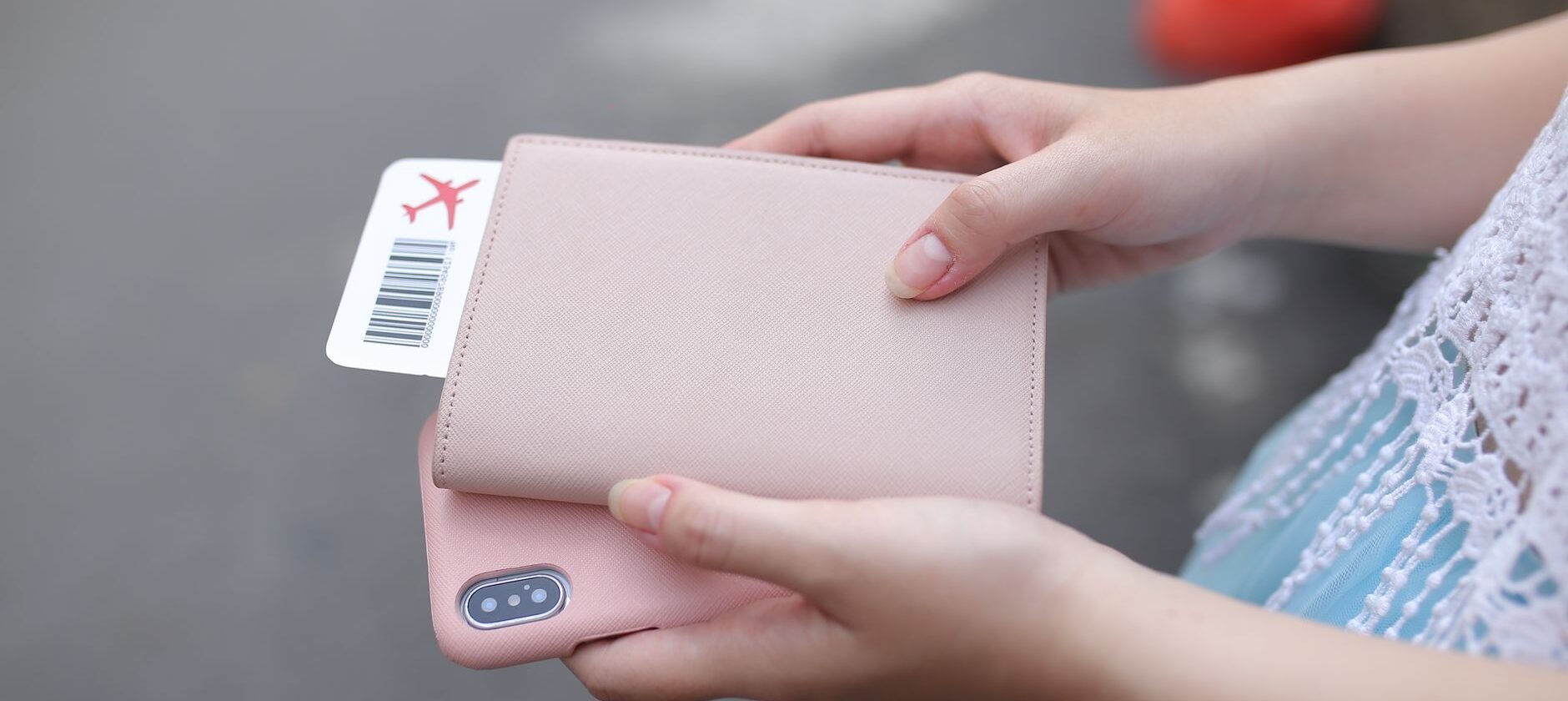
Passport, boarding pass and phone (featured image): photo by Thiếu Quân Võ Vũ / Pexels, source.
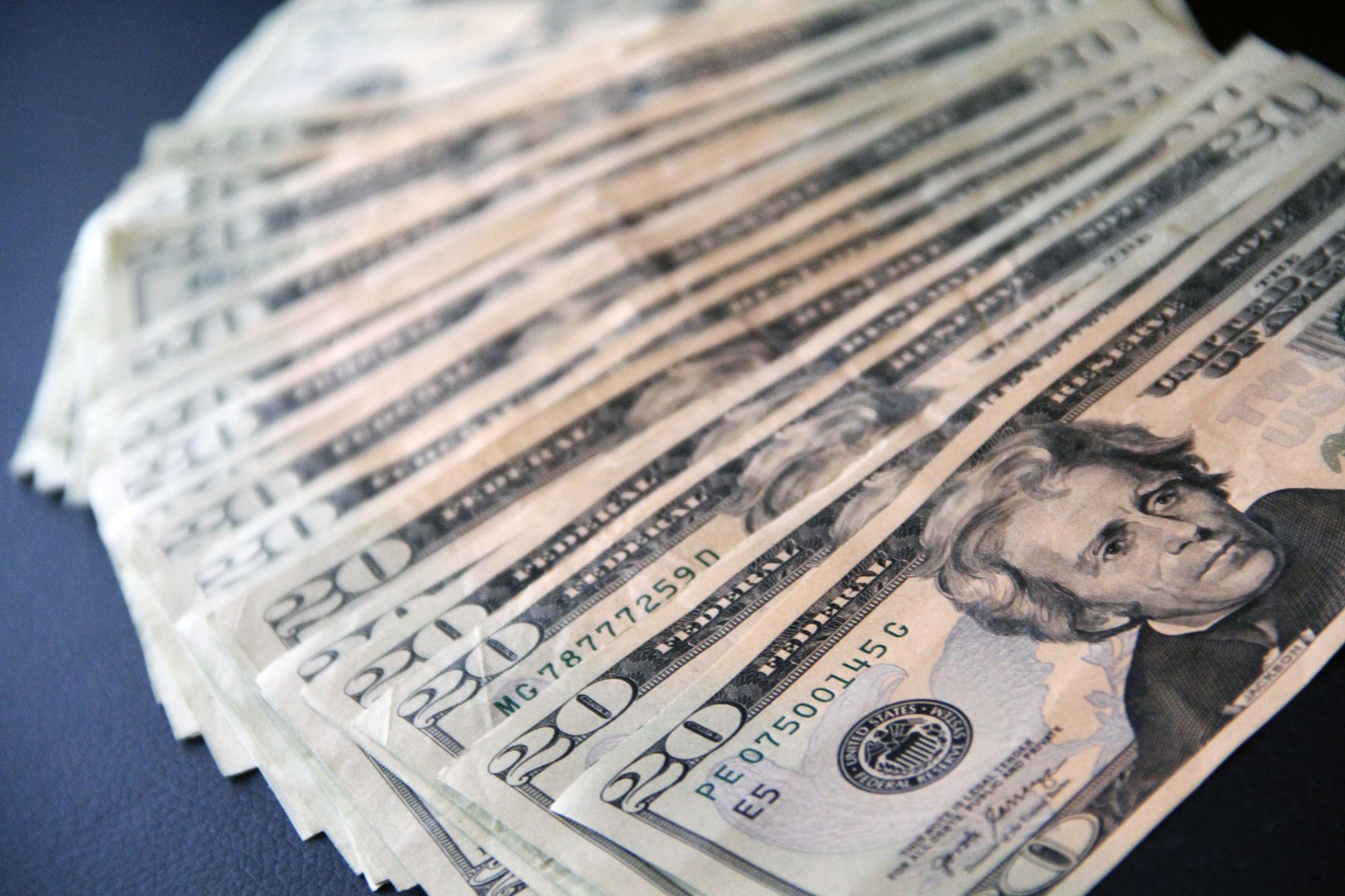
US dollar notes: photo by John Guccione www.advergroup.com / Pexels, source.
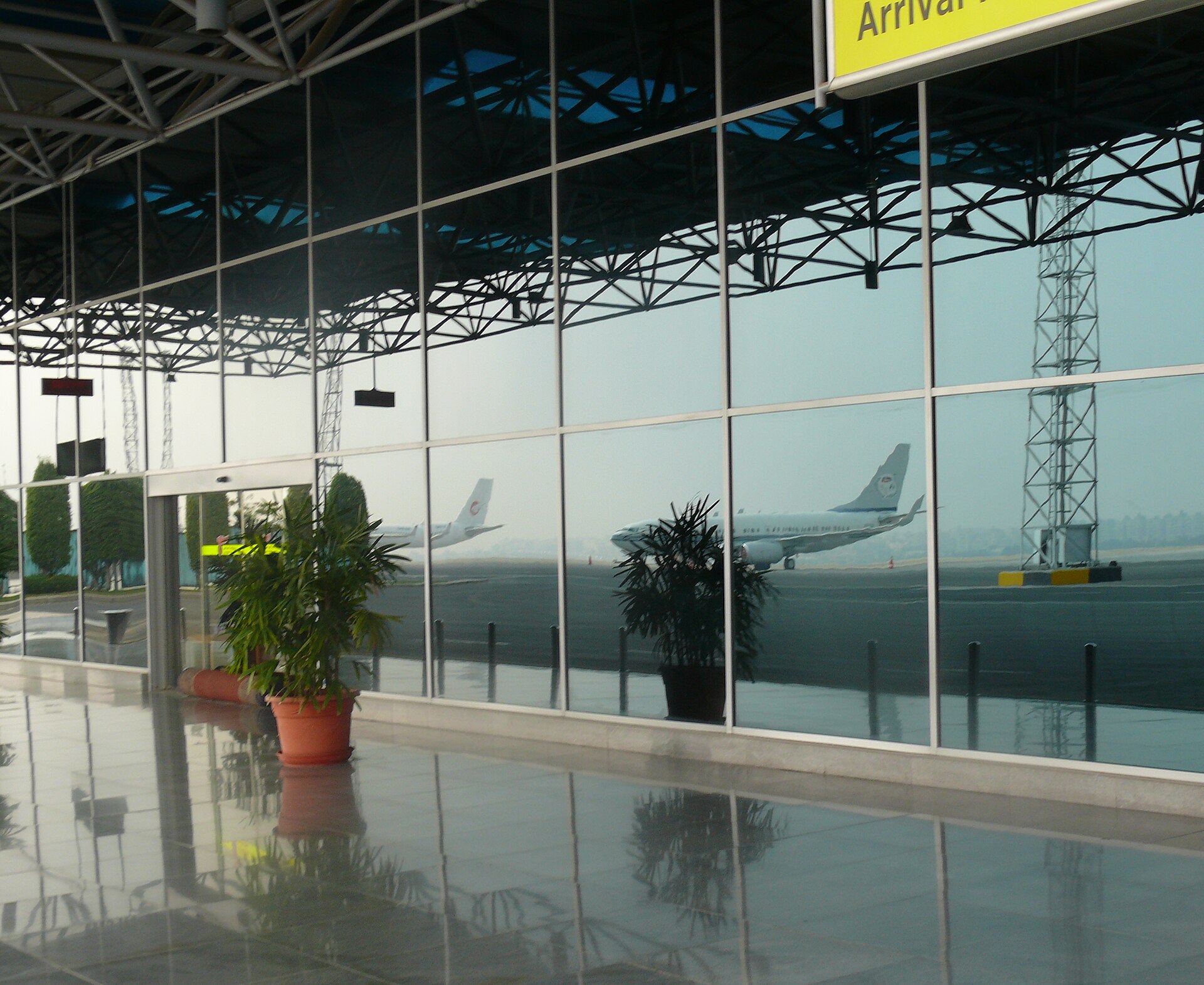
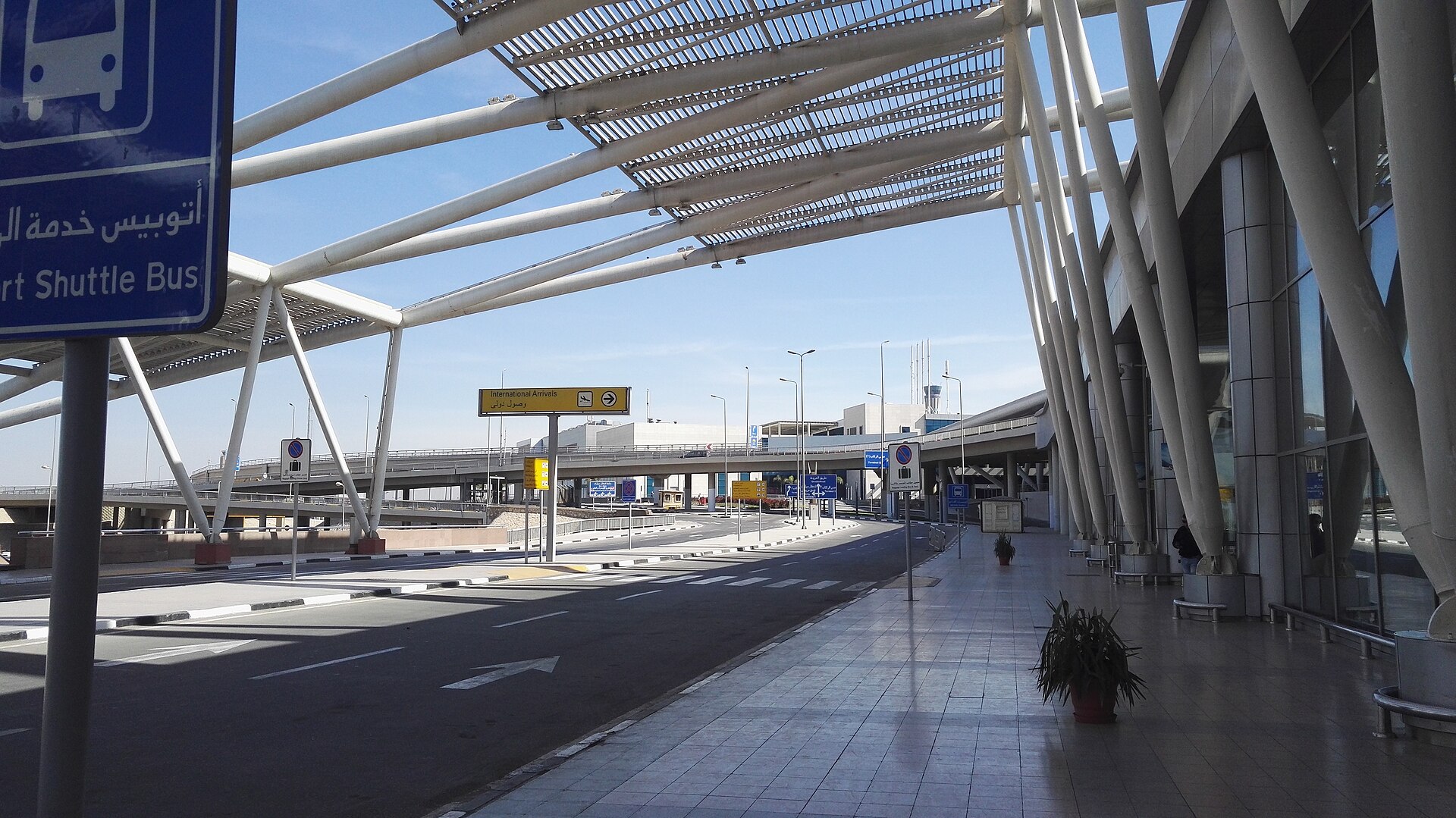
An arrivals building at Cairo International Airport: photo by Ad Meskens, via Wikimedia Commons (CC BY-SA 3.0).
EgyptAir on final approach to Cairo: photo by Azizofegypt, via Wikimedia Commons (CC BY-SA 4.0).