This article contains advertising. Our booking links are routed through a partner that adds commission tracking automatically, so if you book through one we earn a commission from the provider, at no extra cost to you. It never affects what we recommend. Affiliate disclosure
The best time to visit Cairo is October through April, and if you can only pick one month, make it November. The summer heat has broken, the spring sandstorms haven’t started, daytime sits in the mid-70s°F (around 24°C), and you can stand at the Pyramids at noon without wanting to lie down in the shade. December and January are colder, prettier, and far more crowded. May to September is hot — genuinely, plan-your-day-around-it hot.
That’s the short version. The longer version is where the useful stuff lives, because Cairo doesn’t really have four seasons so much as a long, glorious cool stretch bookended by heat and dust. When you go changes your hotel bill, how early you have to set an alarm, whether the Egyptian Museum has a queue, and whether half the restaurants are shut until sundown. I’ll walk you through it month by month, then get specific about crowds, prices, Ramadan, and the months I’d quietly steer you away from.
If you’re still piecing the trip together, start with our master guide to planning a Cairo trip, and once you’ve locked a month, the seasonal packing and prep list will tell you what to actually put in the bag for that time of year.
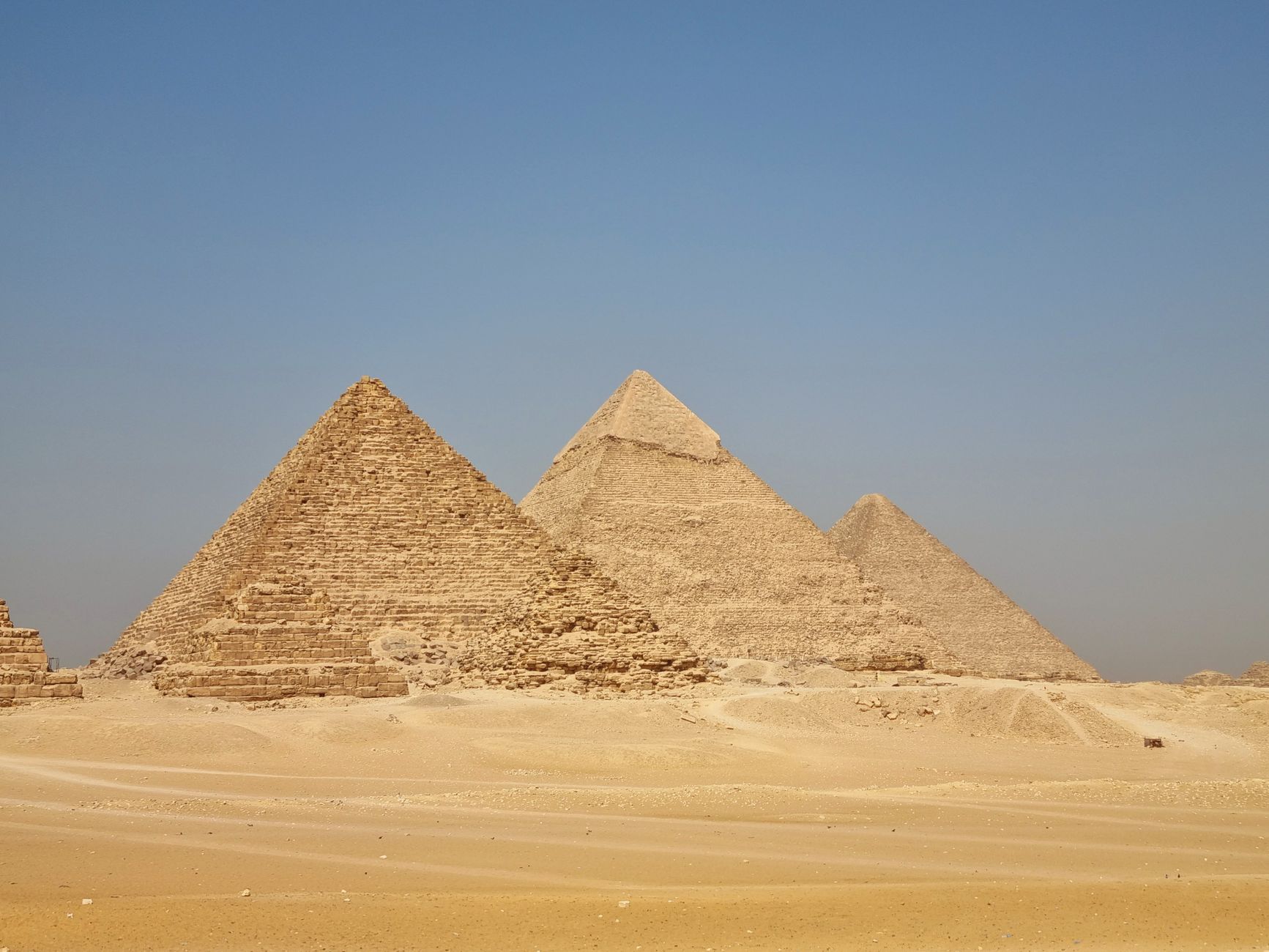
Cairo’s climate in plain terms
Cairo sits in a hot desert climate. That means a lot of sun, almost no rain, and a real gap between summer and winter temperatures. The city gets fewer than ten days of measurable rain in a whole year — and most of that dribbles down between December and February. Humidity stays low for most of the year, somewhere in the 30–50% range, though it creeps up near the Nile in high summer and can make August feel stickier than the thermometer suggests.
Here’s how the year actually breaks down for a traveller:
- Winter (December–February): Mild, dry, sunny. Daytime 60–70°F (16–21°C), evenings 45–55°F (7–13°C). This is peak tourist season.
- Spring (March–May): Warming fast, with the khamsin sandstorms in the mix. Daytime climbs from the low 70s into the high 80s°F. Shoulder season.
- Summer (June–August): Hot and dry, daytime 85–105°F (29–40°C), brutal midday sun. Off-peak, and you’ll understand why.
- Autumn (September–November): Cooling off into comfort, daytime 70–85°F (21–29°C). The best shoulder season of the two, in my opinion.
Notice that the real divide isn’t winter-versus-summer. It’s “you can walk around outside in the middle of the day” versus “you can’t.” Roughly mid-October to mid-April you can. The rest of the year you’re working around the sun.
That temperature spread drives most of what goes in the suitcase: a real jacket for January mornings, sun cover for a summer that sits above 35C, and shoes that survive dust and broken pavement. Our suitcase checklist built around Cairo weather handles the modest-dress side too.
The best time to visit Cairo, sorted by what you care about
“Best” depends entirely on your priorities, so pick your column:
- Best weather, full stop: November, March, early April.
- Best for your wallet: May, June, September — low-season rates, heat you can still manage with an early start.
- Fewest crowds with decent weather: early November, mid-February, late September.
- Cultural events and atmosphere: December–February (Coptic Christmas, film festival, the music season).
- Pairing Cairo with a Nile cruise: October–April — Luxor and Aswan are punishing in summer, far worse than Cairo.
- Photography: November–February for clear skies, low haze, and that low golden winter light.
- Families: spring break and the autumn shoulder, when kids aren’t melting.
Cairo month by month
January — cold mornings, clear light, big crowds
Average high/low: 65°F / 47°F (18°C / 8°C). The coolest month of the year. Mornings genuinely bite — pack a fleece, because Egyptian buildings rarely have central heating and you’ll feel it indoors as much as out. Daytime is lovely for the Pyramids, and Khan el-Khalili after dark calls for a jacket. The skies are crisp and clear, which photographers adore. The catch is the crowd: peak season collides with the post-New-Year rush, so hotel rates are high and the Grand Egyptian Museum and Giza plateau are busy. Coptic Christmas on 7 January is worth catching in the Coptic quarter.
February — the smart mid-winter pick
Average high/low: 68°F / 49°F (20°C / 9°C). Afternoons warm up a touch over January, and crucially the crowds thin out noticeably after the first week or two. Hotels loosen up, the sites breathe, and the weather is still excellent. If you want winter-grade temperatures without paying winter-holiday prices, this is the month I’d book.
March — warming up, watch the sky
Average high/low: 73°F / 53°F (23°C / 12°C). The front end of the spring sweet spot. Days slide into the low 70s, evenings stay pleasant, outdoor cafés come back to life. The thing to know about March is the khamsin — hot, dust-laden winds off the Sahara that can blow in anytime from mid-March onward. They usually pass in a day or two. Bring a scarf and keep your itinerary flexible so you can swap a Pyramids day for a museum day if the dust rolls in.
April — one of the prettiest windows of the year
Average high/low: 81°F / 58°F (27°C / 14°C). Early April is gorgeous: warm but not yet hot, golden light, the Nile at its best. Late April starts leaning toward summer. Khamsin risk lingers through the month, so keep half an eye on the forecast. If Sham el-Nessim — Egypt’s spring picnic festival, the Monday after Coptic Easter — falls now, expect families spread out along every patch of Nile-side green.
May — the budget door opens, heat walks in
Average high/low: 89°F / 64°F (32°C / 18°C). This is where prices start to drop and crowds start to scatter. The heat is manageable if you’re disciplined: get to the Pyramids by 8am, retreat to your hotel or a museum in the afternoon, come back out in the evening. Do not attempt a midday walk through Islamic Cairo in May. Pack proper sun protection and carry water.

June — summer for real
Average high/low: 95°F / 70°F (35°C / 21°C). True summer begins. The cool windows — 6 to 10am and after 6pm — are still genuinely pleasant, so that’s when you sightsee outdoors. Afternoons belong to the air-conditioned Egyptian Museum, the GEM, or the pool. Hotel prices keep falling. It works, it’s just a different rhythm.
July — peak heat
Average high/low: 97°F / 73°F (36°C / 23°C). The hottest month. Daytime regularly tips over 100°F (38°C) and the sun is relentless. Tourism drops off outside the budget crowd, so sites are quiet and rooms are cheap. July is doable if you commit to the discipline: outdoor sights at sunrise or after sunset only, midday strictly indoors. No half-measures.
August — hot and half-empty
Average high/low: 96°F / 74°F (36°C / 23°C). Much like July, with a little more humidity off the Nile making it feel heavier. Plenty of Cairenes decamp to the North Coast for the summer, so the city itself feels emptier. Cheapest rates of the year, if you can take the heat.
September — the cool-down starts, crowds still low
Average high/low: 92°F / 70°F (33°C / 21°C). The smart shoulder window cracks open. By late September the highs ease into the low 90s, evenings cool off properly, and the tourist wave hasn’t built yet. Great balance of value and comfort. The Cairo International Film Festival sometimes lands at the tail end of the month.
October — the good weather returns
Average high/low: 86°F / 65°F (30°C / 18°C). The autumn shoulder peak. Days are warm without being cruel, evenings are made for outdoor dinners, and rain is essentially a non-issue. Crowds build steadily through the month as European school holidays end. A genuinely excellent month for a first visit.
November — the one to beat
Average high/low: 77°F / 58°F (25°C / 14°C). If you make me choose, it’s November. The heat has fully broken, the khamsin is done, daytime temperatures are perfect for walking all day, evenings are crisp, and December’s crush hasn’t arrived. Everything that makes Cairo hard in other months is dialled down. Book it if you can.
December — winter peak lands
Average high/low: 68°F / 51°F (20°C / 11°C). Cooler weather and the start of peak season, especially around Christmas and New Year. Rates climb, tours and sites run full, and you’ll want a jacket after dark. There’s a charm to it, though — Zamalek and Garden City take on an almost European Christmas feel, and the Khan el-Khalili lights are lovely. Book your room two to three months ahead for a December trip.
Cairo weather at a glance
| Month | Avg High | Avg Low | Rain Days | Sun Hrs/Day | Crowds |
|---|---|---|---|---|---|
| January | 65°F (18°C) | 47°F (8°C) | 2 | 7 | High |
| February | 68°F (20°C) | 49°F (9°C) | 2 | 8 | Medium-High |
| March | 73°F (23°C) | 53°F (12°C) | 2 | 9 | Medium |
| April | 81°F (27°C) | 58°F (14°C) | 1 | 10 | Medium |
| May | 89°F (32°C) | 64°F (18°C) | 0 | 11 | Low-Medium |
| June | 95°F (35°C) | 70°F (21°C) | 0 | 12 | Low |
| July | 97°F (36°C) | 73°F (23°C) | 0 | 12 | Low |
| August | 96°F (36°C) | 74°F (23°C) | 0 | 12 | Low |
| September | 92°F (33°C) | 70°F (21°C) | 0 | 11 | Low-Medium |
| October | 86°F (30°C) | 65°F (18°C) | 0 | 10 | Medium |
| November | 77°F (25°C) | 58°F (14°C) | 1 | 9 | Medium-High |
| December | 68°F (20°C) | 51°F (11°C) | 2 | 7 | High |
One thing the table can’t show: where you base yourself shifts how much the season even matters. A Nile-view room in Zamalek feels different in July than a budget place inland — our guide to where to stay in Cairo breaks the neighbourhoods down so you can match your base to your month.
Crowds and prices through the year
Weather and price tend to move together in Cairo, which is annoying but predictable. The nicest months cost the most. Here’s the shape of it:
- Peak (December to early January): Highest hotel prices, the best tour operators fill up, queues at the major sights get long. Plan two to three months out, and don’t expect a last-minute bargain.
- High season (October–November, mid-January–February): Excellent weather, healthy crowds, but not peak pricing. This is the sweet spot for a lot of travellers. Book four to eight weeks ahead.
- Shoulder (March–April, September): Prices moderate, weather still good, crowds smaller. Strong value.
- Low season (May–August): The cheapest rooms and the thinnest crowds — rates often run 30–50% below the winter peak — paid for in heat.
One practical note that applies whenever you go: most monuments and museums in Cairo now run card-only ticketing at the gate, so don’t count on paying cash for entry. Sort your transport plan early too — our guide to getting around Cairo covers the metro, Uber, and the white taxis, all of which behave differently in peak crowds versus a sleepy August afternoon.
How Ramadan changes a Cairo visit
The Islamic holy month shifts about 11 days earlier each year, so it drifts across the seasons over time. In 2026, Ramadan runs from roughly 18–19 February to about 19–20 March (the exact start and end hinge on the moon sighting), with Eid al-Fitr following immediately after. If you’re travelling in late February or the first half of March 2026, this matters.
What actually changes during Ramadan:
- Many restaurants close during daylight or only open after sunset for iftar.
- Tourist sites often close earlier — frequently mid-afternoon, around 3pm.
- Daytime alcohol service is restricted in some venues.
- Evenings come alive: iftar and suhoor culture, illuminated mosques, a genuinely special mood across the city.
- Out of respect, don’t eat, drink, or smoke in public during daylight hours.
So should you avoid it? Not necessarily. If you need normal restaurant access and full site hours, schedule around it. If you want to feel Cairo at its most atmospheric — and you’re happy to flip your day toward the evening — Ramadan is a rare experience. Just go in knowing the rhythm.
Two follow-on holidays to flag: Eid al-Fitr, the three-day celebration at the end of Ramadan (so mid-to-late March 2026), sees many Egyptians travel domestically, and local visitors can pack the sites. Eid al-Adha, a four-day holiday in summer, shuts a lot of businesses — plan around it if your dates overlap.
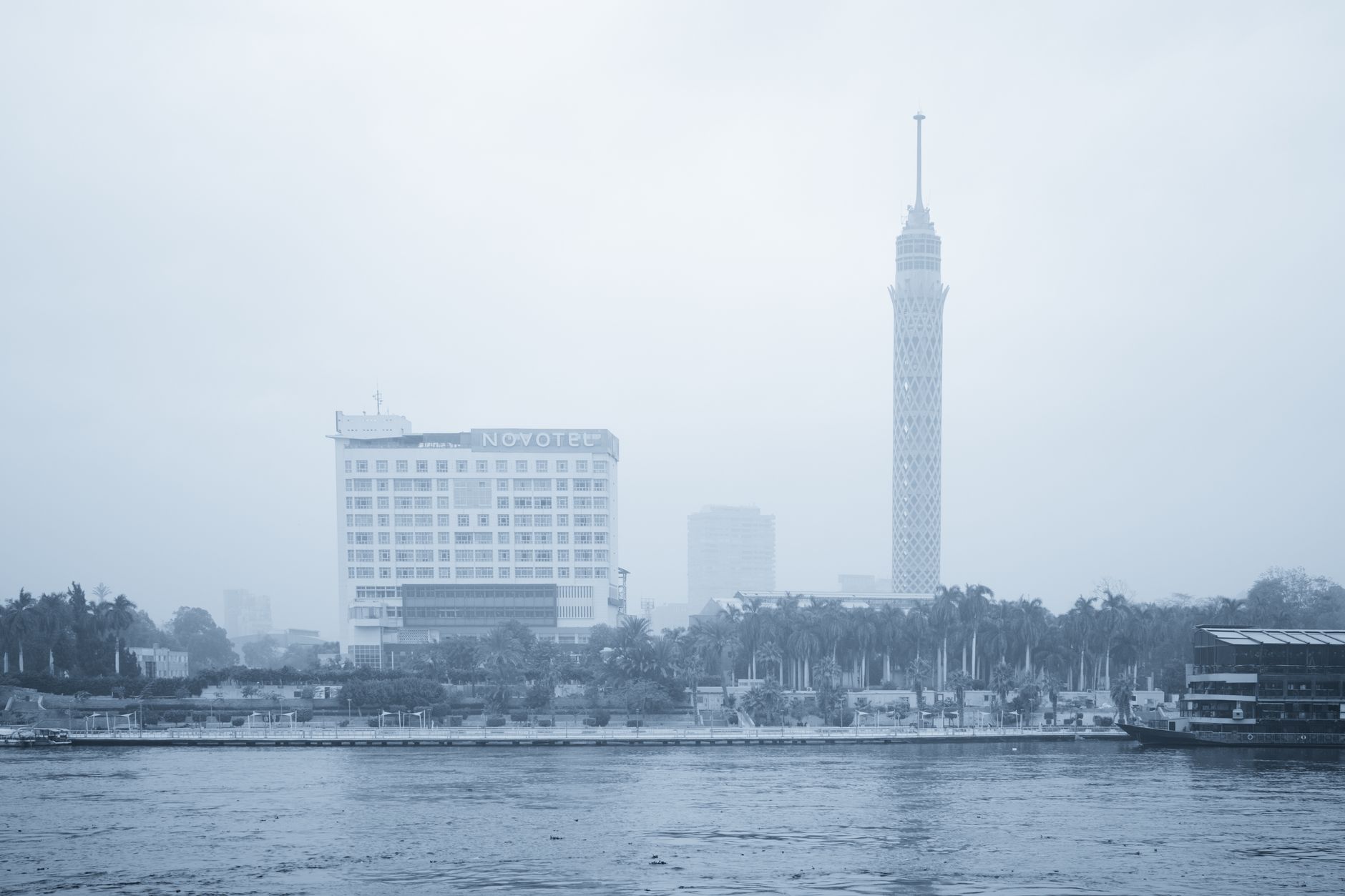
There is far more to it than shortened restaurant hours: iftar invitations from near-strangers, lanterns going up across Islamic Cairo, and a city that only really wakes at 8pm. We break down what the holy month adds and removes so you can time a trip into it or around it deliberately.
Festivals and holidays worth timing around
- Coptic Christmas (7 January): A moving thing to witness in Coptic Cairo, around the Hanging Church and Saints Sergius and Bacchus. Crowds gather, so arrive early.
- Sham el-Nessim (the Monday after Coptic Easter, April–early May): Egypt’s ancient spring festival, families picnicking the length of the Nile. Charming if you’re already in town.
- Cairo International Film Festival (late autumn): Worth checking if you’re a cinema person and visiting in the September–November stretch.
- National holidays: Revolution Day (25 January), Sinai Liberation Day (25 April), Labour Day (1 May), 30 June, 23 July, and Armed Forces Day (6 October). Government offices close; tourist sites generally stay open.
The khamsin: spring’s dusty surprise
The one weather event that catches people off guard is the khamsin — a hot, dry wind that drags Saharan dust over Cairo, on and off between mid-March and mid-May. An episode usually lasts a day or two and brings:
- A sudden jump in temperature, often 10–20°F.
- A visible haze of dust in the air.
- Reduced visibility, occasionally enough to delay flights.
- A fine layer of dust on everything — your camera, your sunglasses, your contact lenses.
It’s not a reason to avoid spring. It’s a reason to pack a scarf or face covering, bring sunglasses, and keep a flexible plan so you can trade an outdoor pyramid day for an indoor museum day when the dust rolls through. Stay hydrated, and shower the grit off when you get back to your room — you’ll feel human again fast.
Best timing for specific Cairo experiences
- Pyramids of Giza: October–April for comfortable daytime visits; arrive at 8am whatever the season. November and early March give the most photogenic light. In summer, go at sunrise or, once it reopens, catch the evening sound-and-light show.
- Grand Egyptian Museum: Indoor and air-conditioned, so it’s fair game year-round. Skip Egyptian weekends (Friday–Saturday) when locals visit; Tuesday and Wednesday mornings are quietest.
- Khan el-Khalili: Late afternoon into early evening, especially in the cooler months. Summer works once the day’s heat breaks.
- Felucca sunset sail: Best March–November for warm evenings. A winter felucca is still pleasant if you bring a layer.
- Saqqara and Dahshur day trip: October–April for all that outdoor exposure. Summer demands a very early start.
- Day trip to Alexandria: Good all year, and a real summer escape — the Mediterranean coast runs meaningfully cooler than Cairo.
Those timing windows matter even more when stamina or mobility is part of the equation, and our guide to visiting these sights with limited mobility sets out which of them are genuinely reachable, and at what hour of the day.
Best time to visit Cairo: FAQ
What’s the single best month to visit Cairo?
November. Warm but not hot, dry, basically no sandstorm risk, comfortable evenings, and manageable crowds before the December peak.
Is Cairo cold in winter?
Mild rather than cold. Daytime is comfortable; evenings and early mornings can feel chilly, especially indoors where there’s rarely heating. Pack layers and a jacket.
Can I visit Cairo in summer?
Yes, if you’re disciplined about it. Sightsee outdoors at sunrise and after sunset, spend the afternoon in air-conditioned museums or your hotel, and hydrate seriously. The upside is the lowest hotel prices of the year and quiet sites.
Should I avoid Cairo during Ramadan?
No, but go in with eyes open. Daytime sightseeing still works, with shorter site hours, and restaurants are limited until sunset — then the city comes alive after iftar. In 2026 that’s roughly 18 February to 20 March.
When is Cairo cheapest?
May through September. Hotel rates can sit 30–50% below the winter peak. The trade-off, of course, is the heat.
Does it rain in Cairo?
Rarely. Fewer than ten rainy days a year, almost all in winter. If you’re cautious, tuck a small umbrella in for a January or February trip.
Pulling it together
If you have any flexibility, aim for late October through mid-April, with November and March as the real prizes. If summer is your only window, build the whole trip around sunrise and sunset and lean on the indoor museums for the middle of the day. If money is the deciding factor, May, September, and February give you the best value-to-comfort ratio. Whatever month you land on, pack for sun, dust, and modest dress, and you’ll be fine — the travellers who enjoy Cairo most are simply the ones whose timing matched what they came for.
Plan the rest of your trip
Use these guides to round out your Cairo plans: