This article contains advertising. Our booking links are routed through a partner that adds commission tracking automatically, so if you book through one we earn a commission from the provider, at no extra cost to you. It never affects what we recommend. Affiliate disclosure
Cairo health and medical tips: Egypt’s healthcare ranges from world-class private hospitals (As-Salam International, Cleopatra, Dar Al-Fouad) to basic public clinics. For tourists, the realistic medical concerns are gastrointestinal issues (“Pharaoh’s revenge” from food/water), heat-related issues in summer, dehydration, and occasional respiratory irritation from Cairo’s dust and pollution. Prevention is straightforward: drink only bottled water, eat at busy restaurants and fresh-cooked street food, use sunscreen and hat, carry hand sanitizer, get standard travel vaccinations before departure (Hep A, typhoid), and most importantly — have travel insurance with medical coverage of $100,000+.
Almost every health problem travellers meet in Cairo is preventable, which is why these Cairo health and medical tips for 2026 start with water, food and sun before reaching hospitals, pharmacies and emergency numbers. They sit beside our pillar on practical life in the city, our walkthrough of medical and trip cover, and our current advice on scams and personal safety.
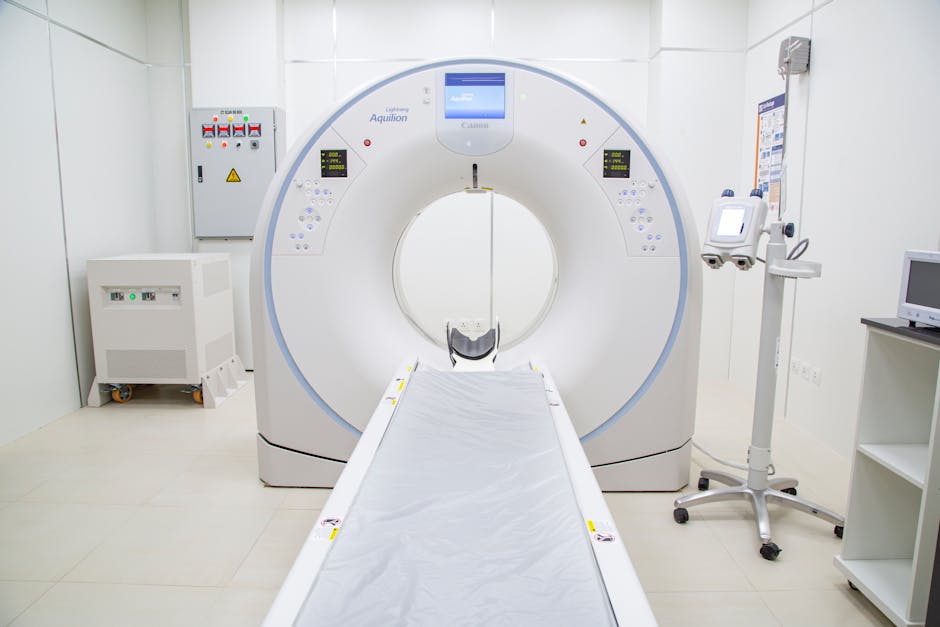
Pre-Travel Health Preparations
Recommended Vaccinations
- Routine: MMR, Tetanus, Polio, Flu
- Egypt-recommended: Hepatitis A, Typhoid
- Sometimes recommended: Hepatitis B, Rabies (extended stays)
- Required: None for most travelers
- Consult: Travel medicine clinic 4-6 weeks before departure
Travel Insurance
- Medical coverage minimum $100,000
- Emergency evacuation $250,000+
- Coverage for adventure activities
- Pre-existing condition waiver if needed
- See our Travel Insurance for Egypt guide
Prescription Medications
- Bring sufficient supply (no Egyptian pharmacy substitution)
- Original prescriptions/labels
- Letter from doctor for controlled substances
- Carry-on, not checked

Common Cairo Health Issues
1. Traveler’s Diarrhea (“Pharaoh’s Revenge”)
Most common tourist illness. Causes:
- Tap water contamination
- Unfresh street food
- Raw vegetables/salads
- Ice in drinks
- Unwashed fruits
Prevention: Bottled water only, busy food vendors, peel fruits yourself, no ice from unknown sources.
Treatment: Oral rehydration salts (ORS), Imodium, rest. See doctor if persistent.
2. Heat Exhaustion/Stroke
Summer particularly. Symptoms include dizziness, nausea, rapid heartbeat.
Prevention: Hydrate constantly, avoid midday sun, light clothing, hat.
Treatment: Move to AC, hydrate, cool wet towels.
3. Dehydration
Common — Cairo is dry, sweating constant.
Prevention: 3+ liters of water daily; more in summer.
4. Respiratory Irritation
Cairo’s dust and air quality can trigger allergies and asthma.
Prevention: Asthma inhalers, mask if sensitive.
5. Sunburn
Strong sun year-round.
Prevention: SPF 50+, hat, sunglasses, shade.
6. Insect Bites
Mosquitoes in Nile-side areas.
Prevention: Repellent, long sleeves at dusk.
7. Foot Issues
Walking on uneven surfaces.
Prevention: Comfortable, worn-in shoes.
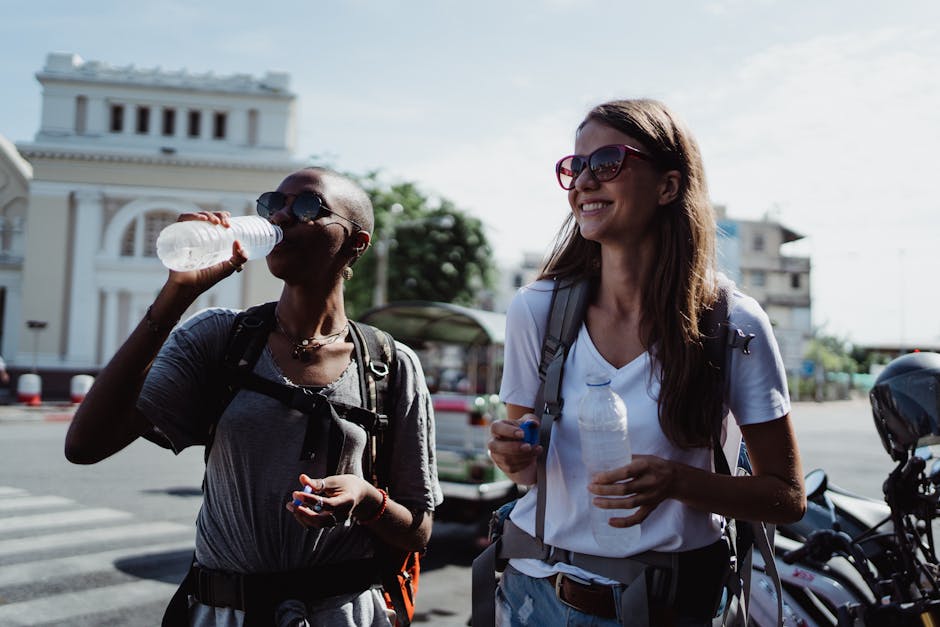
Heat exhaustion is mostly a scheduling problem, and the fix starts with knowing which months make midday sightseeing a mistake, which our monthly guide to Cairo’s climate sets out.
Cairo Hospitals (Tourist-Recommended)
Private Hospitals (Excellent)
- As-Salam International Hospital: Top-tier, English-speaking
- Cleopatra Hospital: Highly regarded, central
- Dar Al-Fouad Hospital: Modern, well-equipped
- Air Force Hospital (international wing): Quality care
- Andalusia Hospital: Modern facilities
Public Hospitals
- Variable quality
- Long waits
- Less English support
- Best for emergencies only
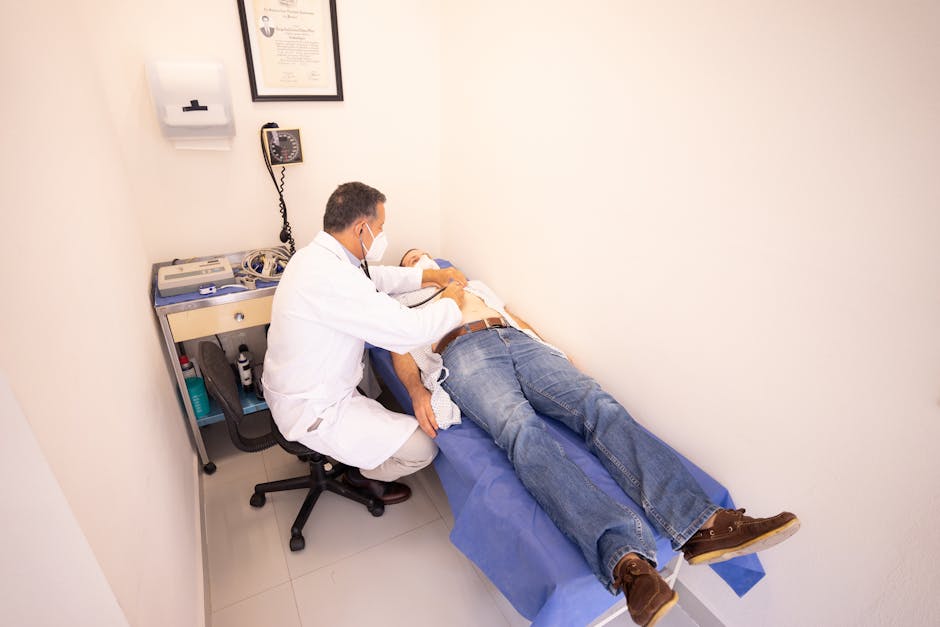
Cairo Pharmacies
- Widely available: Throughout the city
- Hours: Many 24/7
- English support: Often available at major chains
- Common chains: El Ezaby Pharmacy, Roshdy
- What’s available: Most medications without prescription (antibiotics included, though some require)
- Brand names: Different from US/Europe; ask pharmacist
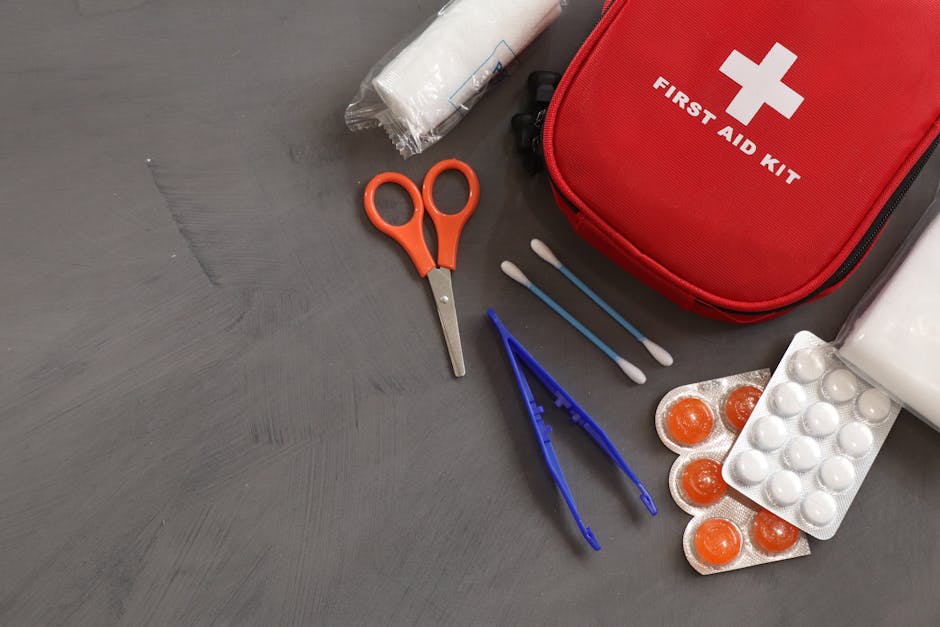
Travel Medical Kit Essentials
- Oral rehydration salts (ORS)
- Imodium / Loperamide
- Antibiotics (Azithromycin for diarrhea — bring from home)
- Ciprofloxacin (for severe diarrhea)
- Pain relievers (ibuprofen, acetaminophen)
- Anti-nausea medication
- Anti-allergy medication
- Band-aids and bandages
- Antiseptic ointment
- Hand sanitizer
- Sunscreen SPF 50+
- Insect repellent
- Asthma inhaler (if needed)
- Prescription medications
Water Safety
- Bottled water only: Never tap water
- Sealed bottles: Check seal intact
- No ice from unknown sources: Hotel/restaurant OK
- Brushing teeth: Use bottled water
- Restaurant water: Order sealed bottle
- Major brands: Hayat, Nestle, Aquafina (Egyptian)
Food Safety
- Busy restaurants: Higher turnover = fresher
- Hot fresh food: Safer than buffet
- Avoid raw vegetables/salads: From unknown sources
- Peeled fruits: OK if you peel them
- Cooked vegetables: Safe
- Bread: Always safe
- Eggs: Well-cooked safe
- Dairy: Pasteurized; check date
Busy stalls with high turnover are where the good food is anyway, which is the argument our tour of Cairo’s best street eating makes at length.
Emergency Contacts
| Service | Number |
|---|---|
| Ambulance | 123 |
| Police | 122 |
| Tourist Police | 126 |
| Fire | 180 |
| As-Salam Hospital (English speaking) | +20 2 2524 0250 |
| Cleopatra Hospital | +20 2 2414 3931 |
Health Insurance Claims Process
- Get medical treatment
- Save ALL receipts and reports (in English if possible)
- Call insurance 24/7 hotline
- Get pre-approval for procedures if not emergency
- Pay upfront if needed
- Submit claim within deadline (usually 60-90 days)
- Follow up regularly
Specific Health Concerns
For Diabetic Travelers
- Bring sufficient insulin (refrigerated)
- Doctor’s letter for needles
- Quick-acting glucose tablets
- Egyptian food often heavy on carbs
For Heart Patients
- Bring all medications
- Doctor’s letter
- Avoid extreme heat
- Walking pyramids/citadel strenuous — pace yourself
For Pregnant Travelers
- Travel insurance with pregnancy coverage
- OB-GYN consultation before travel
- Avoid certain medications
- Hydrate constantly
- Avoid undercooked foods
The advice to pace yourself at the Citadel applies to far more travellers than heart patients alone, and our notes on navigating Cairo with limited mobility cover the ramps, lifts and rough ground in detail.
Cairo Health and Medical Tips FAQ
What vaccinations do I need for Egypt?
Hepatitis A and Typhoid recommended; standard travel vaccines. Consult travel doctor.
Can I drink tap water in Cairo?
No — bottled only.
What’s “Pharaoh’s revenge”?
Traveler’s diarrhea — most common tourist illness.
How do I prevent diarrhea?
Bottled water, busy restaurants, peeled fruits, no ice from unknown sources.
Best hospital in Cairo?
As-Salam International or Cleopatra — both excellent.
Are pharmacies open at night?
Many are 24/7.
Do I need travel insurance?
Strongly recommended — medical evacuation alone can cost $50,000+.
What if I get sick?
See doctor at major private hospital or call insurance.
Can I buy antibiotics in Cairo?
Yes — many available without prescription.
Is heatstroke a risk?
Yes in summer. Stay hydrated, avoid midday sun.
Should I bring my prescription?
Yes — original packaging with doctor’s prescription.
Are there mosquitoes in Cairo?
Some near Nile; repellent useful at dusk.
What about altitude sickness?
Cairo is at sea level — no altitude issues.
Is air pollution a health risk?
Yes for sensitive individuals; bring asthma medications.
Can I get vaccinations in Cairo?
Yes at travel clinics if needed; better to get before travel.
Pulling It Together
Cairo health and medical tips boil down to prevention: drink bottled water, eat at busy restaurants, sunscreen and hat in summer, hand sanitizer constantly, and travel insurance with $100,000+ medical coverage. For diarrhea (the most common issue), bring oral rehydration salts and over-the-counter Imodium. For emergencies, As-Salam International Hospital and Cleopatra Hospital provide world-class English-speaking care. Get standard travel vaccinations (Hep A, typhoid) 4-6 weeks before departure, bring all prescription medications, and don’t skip travel insurance — these simple preparations make Cairo a healthy, safe destination.
Stay well and the rest is logistics. Travelling alone raises its own questions, answered in our guide for independent visitors; the case for three days or five settles length, while picking a month that suits you settles timing.