This article contains advertising. Our booking links are routed through a partner that adds commission tracking automatically, so if you book through one we earn a commission from the provider, at no extra cost to you. It never affects what we recommend. Affiliate disclosure
Two thousand two hundred and sixty-five Egyptian pounds. That is the exact amount a valid student card takes off the standard Cairo greatest-hits circuit in 2026 — Giza plateau, the Grand Egyptian Museum, the Egyptian Museum at Tahrir, the Citadel, the Coptic Museum, Saqqara, Memphis and Dahshur. Every one of those tickets is exactly half price for a foreign student, and the eight of them together come to £E4,530 (about US$92) at the adult rate and £E2,265 (about US$46) at the student rate.
That number is the whole reason this page exists. Almost every budget guide to Egypt tells you students get “50% off” and then moves on to talking about street food. What it does not tell you is which counter will actually honour the card, what the age limit is, why a digital card on your phone can get you turned away at the Grand Egyptian Museum, and which of Cairo’s most-photographed attractions ignore student status entirely. Those are the details that decide whether you save two thousand pounds or argue with a ticket clerk for ten minutes and pay full price anyway.
So: site-by-site prices, the arithmetic on whether an ISIC card pays for itself, a real five-day budget, and a blunt list of the places your card will not work. Prices are current for 2026 and quoted in Egyptian pounds, because the pound floats and dollar figures age badly.
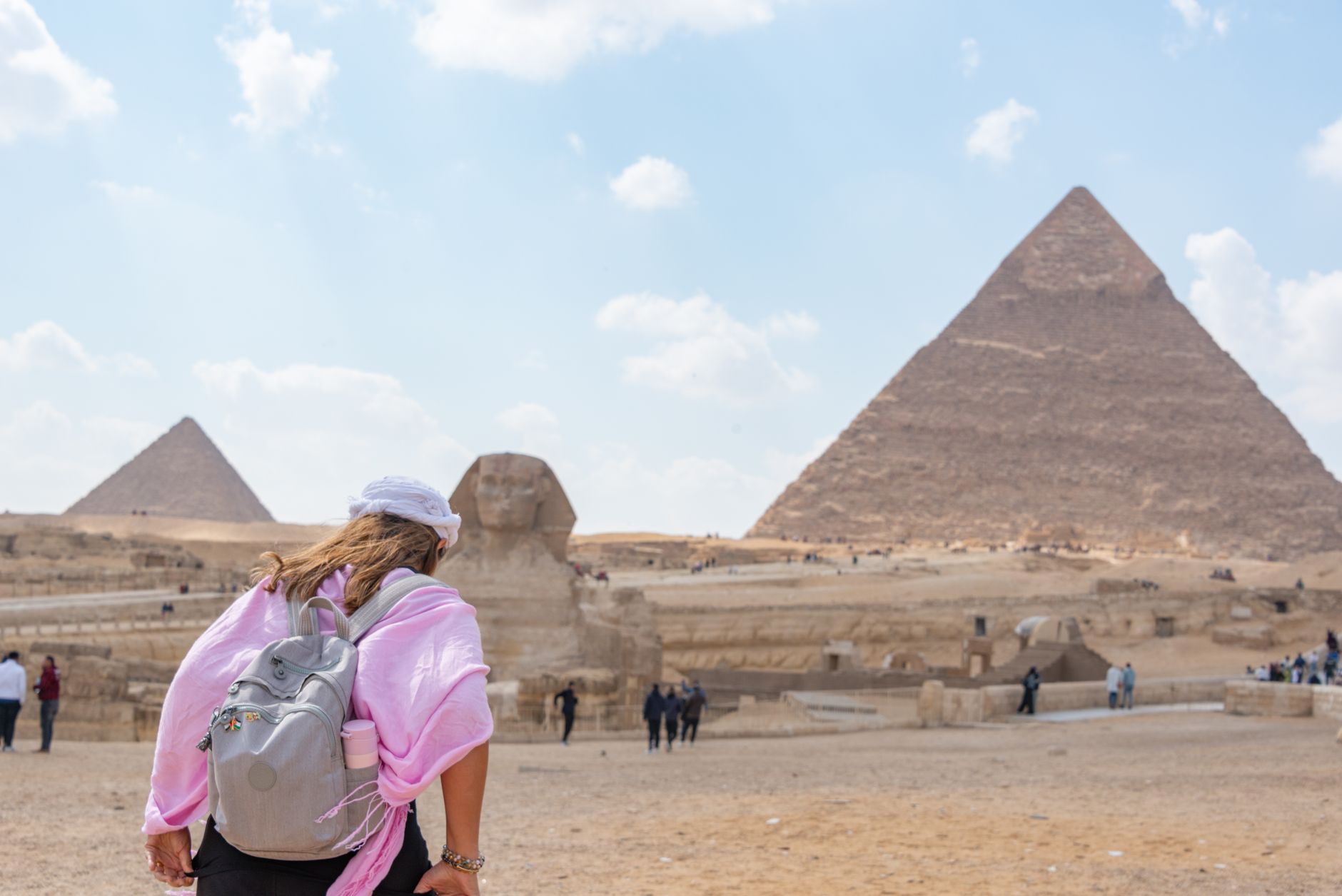
Student vs Full Price at Every Cairo Site That Matters
Egypt’s antiquities ticketing runs on a simple rule — foreign adult, foreign student, Egyptian adult, Egyptian student — and the foreign student rate is exactly half the foreign adult rate at government-run sites. Not “up to 50%”. Exactly half. The complications are all about eligibility, not arithmetic.
| Site | Full (foreign adult) | Student | You save | Card accepted? |
|---|---|---|---|---|
| Giza plateau (Sphinx + all outer pyramids) | £E700 | £E350 | £E350 | Yes — official published tier |
| Great Pyramid interior (Khufu) | £E1,000–1,500 | Roughly half | £E500–750 | Usually, but confirm at the kiosk |
| Menkaure pyramid interior | £E280 | £E140 | £E140 | Yes |
| Grand Egyptian Museum | £E1,450 (US$29) | £E730 (US$15) | £E720 | Yes — but online only, physical ID |
| Egyptian Museum, Tahrir Square | £E550 (US$11) | £E275 | £E275 | Yes |
| National Museum of Egyptian Civilization | £E550 (US$11) | £E275 | £E275 | Yes |
| Citadel of Saladin | £E550 (US$11) | £E275 | £E275 | Yes |
| Coptic Museum, Old Cairo | £E280 | £E140 | £E140 | Yes |
| Coptic churches & Ben Ezra Synagogue | Free | Free | — | Not needed |
| Saqqara complex | £E600 (US$12) | £E300 | £E300 | Yes |
| Djoser Step Pyramid interior | £E280 | £E140 | £E140 | Yes |
| Serapeum, Saqqara | £E340 | £E170 | £E170 | Yes |
| Memphis / Mit Rahina Museum | £E200 | £E100 | £E100 | Yes |
| Dahshur (Bent + Red Pyramids) | £E200 | £E100 | £E100 | Yes |
| Gayer-Anderson Museum | £E100 | £E50 | £E50 | Yes |
| Al-Azhar Mosque | Free | Free | — | Not needed |
| Cairo Tower | Commercial rate | Same | Nothing | No |
| Pyramids Sound & Light show | Commercial rate | Same | Nothing | No |
| Eight-site core circuit | £E4,530 (US$92) | £E2,265 (US$46) | £E2,265 | — |
Two things jump out of that table. The Grand Egyptian Museum, not the pyramids, is where the money is: it is the single most expensive ticket in Egypt, so half price there saves you more than the plateau, Saqqara and Dahshur combined. If you only get the student rate honoured once on your whole trip, make it there — our walkthrough of what the new Giza museum actually holds covers what you get for that £E730. And the cheap sites are cheap for everyone: Dahshur at £E200 full price is already one of the best-value mornings in Egypt, and halving it to £E100 changes nothing about whether you go.
Does Egypt Actually Accept the ISIC Card?
Yes — and also, frequently, it does not need to. This is the single most confused question in Egyptian budget travel, so here is the honest version.
Ministry of Tourism and Antiquities policy is that students presenting a valid student ID at an official ticket counter get 50% off. The wording is “valid student ID”, not “ISIC”. In practice the great majority of travellers report that an ordinary university photo card worked fine at every government site — Giza, Saqqara, the Citadel, the museums — and several were never asked to show it at all after saying the word “student”.
But acceptance is genuinely inconsistent, and the failure cases are specific rather than random. Clerks have refused cards with no expiry date printed on them. Clerks have refused cards that say “student” but do not carry the word “university” or “college” in English. Clerks have refused ID in a script they cannot read. One traveller was told outright at the Giza kiosk that the only acceptable proof was documentation from an education authority in their home country. The ISIC card exists precisely to short-circuit that argument: it is bilingual, it carries an expiry date, it says the magic words, and it is recognised internationally.
My working rule, and the one I would give any student flying into Cairo: bring both. Lead with your university card at cheap sites where a refusal costs you £E100. Lead with the ISIC at the Grand Egyptian Museum and the Giza plateau where a refusal costs you £E720 or £E350. Carry your passport too, because at some counters the age check matters more than the card.
The Age Rule Nobody Mentions
This trips up more travellers than card format does. Egypt’s official Giza plateau ticket page states that students must present valid ID and their age must not exceed 24. The Grand Egyptian Museum publishes its reduced tier as ages 13–25. Long-standing practice at other sites has been an under-30 cut-off, and staff will ask for your passport if they think you look older than your card suggests.
So if you are a 27-year-old master’s student, or a 31-year-old PhD candidate with a perfectly valid enrolment card, you are in a grey zone that skews against you. At the plateau, the published rule says no. At smaller museums you will often get it anyway. Do not build your budget around it — assume adult prices over 25 and treat any discount as a bonus.
Under-18s are a separate and better story. Children under 6 enter free, and the GEM’s reduced tier starts at age 6, so school-age travellers get half price on a school ID without any of the university-card wrangling.
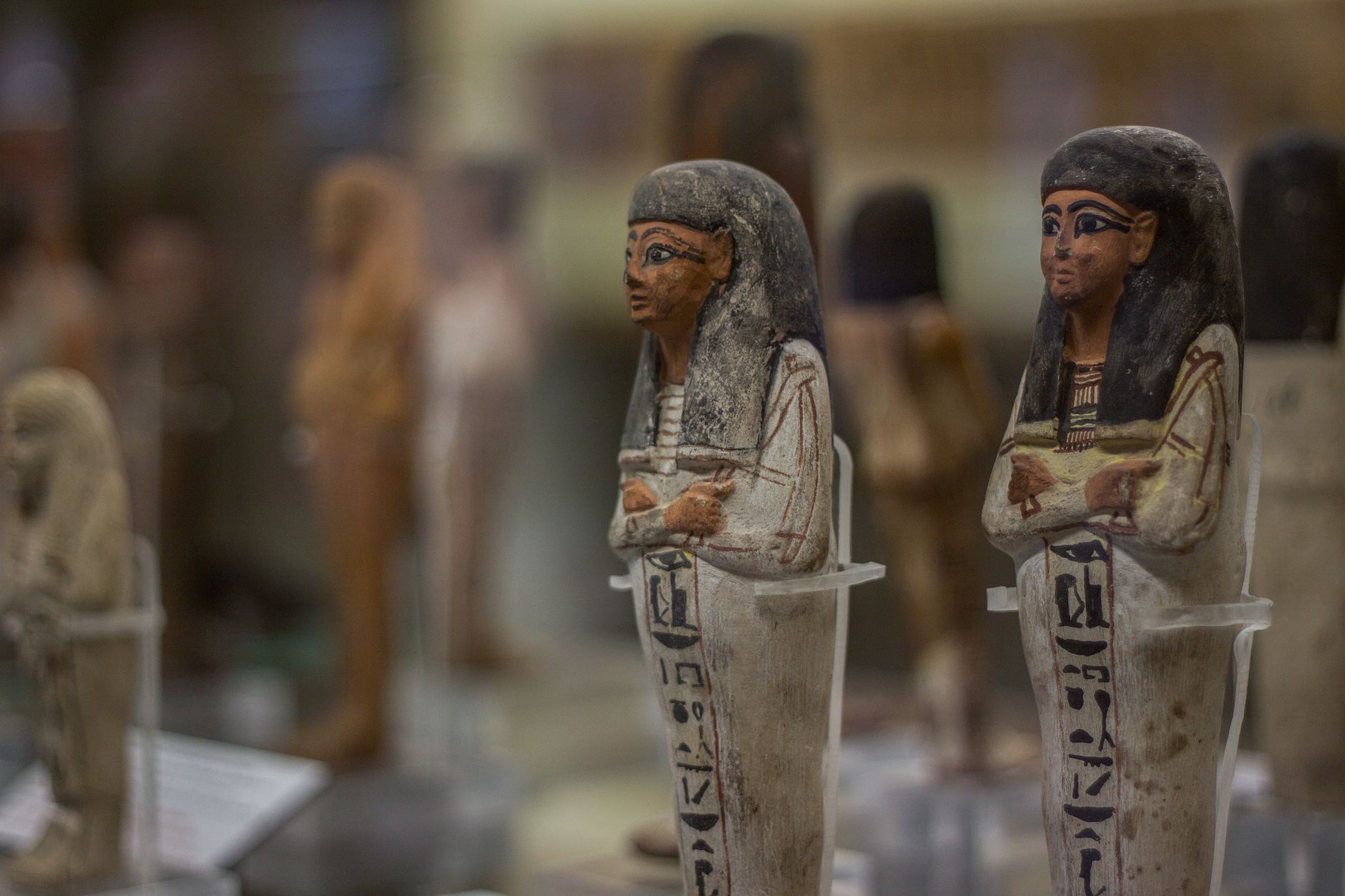
Is the ISIC Card Worth Buying? The Break-Even Arithmetic
An ISIC card costs between roughly €4 and €25 depending on which country issues it — in the UK it is about £12 for the virtual card and £15 for the physical one, and most Western issuers land near US$20–25. Call it £E1,000 as a worst case. Here is exactly where that money comes back.
| Step | Saving at that site | Running total saved | Position vs £E1,000 card |
|---|---|---|---|
| Buy the card | — | £E0 | Down £E1,000 |
| Day 1: Giza plateau | £E350 | £E350 | Down £E650 |
| Day 1: Grand Egyptian Museum | £E720 | £E1,070 | Ahead £E70 — break-even |
| Day 2: Egyptian Museum, Tahrir | £E275 | £E1,345 | Ahead £E345 |
| Day 3: Citadel of Saladin | £E275 | £E1,620 | Ahead £E620 |
| Day 3: Coptic Museum | £E140 | £E1,760 | Ahead £E760 |
| Day 4: Saqqara + Memphis + Dahshur | £E500 | £E2,260 | Ahead £E1,260 (US$26) |
The card pays for itself before lunch on day one, and everything after that is profit. If you are also going south to Luxor and Aswan, where the Valley of the Kings, Karnak and Abu Simbel run the same half-price tier, it clears its cost several times over.
The caveat: buy it before you fly. ISIC has an Egyptian issuing office in Cairo — the Egyptian Student Travel Services bureau on el-Manial Street in Roda has issued cards for decades, historically at a fraction of European prices — but it wants a letter from your university, your passport and passport photos, and it is set up for students enrolled in Egypt rather than someone on a five-day trip. Do not fly in assuming you will pick one up on arrival.
One more format warning that has bitten people since the GEM went to online-only ticketing: the museum specifies a physical student card. A screenshot of your virtual ISIC on a phone is not guaranteed to clear the door. Pay the extra few pounds for the plastic.
When Your Student Card Will Not Work
Blunt list. These are the places where flashing the card achieves nothing, and knowing them in advance stops you budgeting for savings that never arrive.
- Anything privately run. Cairo Tower, the pyramids Sound & Light show, Nile dinner cruises, felucca hire, camel and horse handlers on the plateau, hot-air balloons, entry to clubs. No student tier exists at any of them. The evening show at the pyramids is a commercial concession, not an antiquities ticket.
- Premium single-monument tickets. Some of the most expensive individual tombs and chambers are sold at a flat rate regardless of status. Travellers have reported paying full price for the Tomb of Seti I in Luxor with a student ID that worked everywhere else that week.
- Transport. Egyptian National Railways student concessions and the Cairo Metro’s half-price student subscription both require registration with an Egyptian institution’s ID at a station office, complete with forms and passport photos. A visiting tourist does not qualify, and at £E10 a metro ride it does not matter.
- Restaurants, shops and the bazaar. No structural discount. What you get instead is whatever price you negotiate for yourself, which is a completely different skill.
- Hostels and hotels. Occasionally a property advertises a student rate, but the honest answer is that Cairo beds are already cheap enough that no discount scheme moves the needle.
- You, if you are over 25. See above. Assume no.
One more thing worth knowing before you queue: since 2026 nearly every major site takes card payment only. Cash is refused at the Giza gates and most museum counters. Bring a working debit or credit card enabled for international use, and read up on how money and exchange actually work on the ground here before you arrive with a wad of dollars and no plastic.
Where Students Actually Sleep in Cairo
Cairo’s hostel scene is concentrated in Downtown, in the grid of faded belle-époque apartment buildings between Tahrir Square and Talaat Harb. That is where you want to be. It is walkable to the Egyptian Museum, sits on two metro lines, and puts you inside the city’s actual nightlife rather than a hotel bubble.
Dorm beds in 2026 run roughly £E250–500 a night (US$5–10), with the cheapest listings dipping under that in low season and the better-reviewed social hostels sitting at the top of the band. Private rooms in the same properties typically land around £E700–1,300 (US$14–26), which is worth knowing if you are travelling as a pair — two people in a private room often costs barely more than two dorm beds and you get a door that locks.
Neighbourhood, honestly ranked
- Downtown: cheapest, loudest, most social, best transport. The default correct answer for a student trip.
- Zamalek: the leafy Nile island. Quieter, safer-feeling, better bars and cafés, noticeably pricier, and further from the ancient sites. Good if you are staying two weeks rather than five days.
- Giza side: pyramid-view guesthouses that photograph beautifully and strand you 45 minutes from everything else. Worth one night, not five.
- Maadi: expat-residential, calm, and too far out to be practical on a short trip.
If you want the full spread of what the cheap end of the market looks like — including which properties do organised trips and which just sell beds — our rundown of value-first places to stay goes property by property.
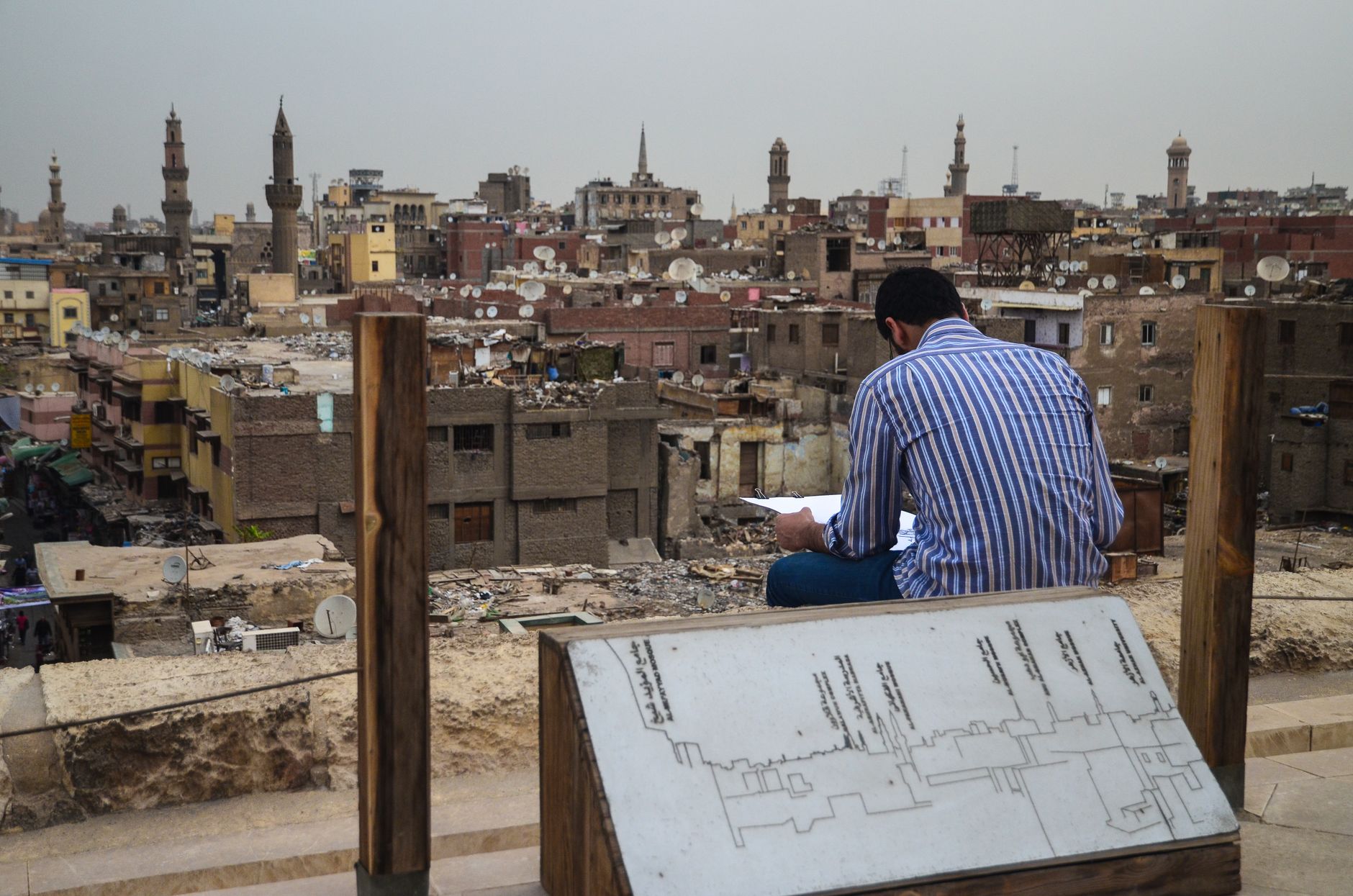
Eating for £E200 a Day
Food is where Cairo quietly does more for a student budget than any discount card. Koshary — lentils, rice, macaroni, fried onions, tomato sauce — costs £E30–60 for a bowl that will defeat you. Ful and taameya sandwiches from a street cart run £E10–25. A sit-down local meal with a drink lands around £E120–250. Tourist-facing places near the pyramids charge three to five times that for worse food.
Two practical habits. First, eat your big meal at lunch, when Egyptian restaurants are cheapest and busiest with locals. Second, drink tap-adjacent: bottled water is £E10–15 from a corner shop and £E60 in a hotel lobby, and the difference over five days is a museum ticket. Our guide to eating well in Cairo for almost nothing lists the specific streets and stalls worth walking to.
Budget roughly £E200–400 a day (US$4–8) for food if you eat mostly local, and understand that going above that means you are choosing atmosphere, not calories.
Getting Around: What the Metro Actually Costs
The Cairo Metro is the cheapest functional urban transport in any major world city, and fares went up in March 2026 to £E10 for journeys up to 9 stations, £E12 up to 16, £E15 up to 23 and £E20 beyond that. A rechargeable contactless card costs about £E80 and saves you queueing at the window every time. There are women-only carriages, marked, in the middle of each train.
Student passes exist but, as noted, need enrolment at an Egyptian institution. Ignore them. At £E10 a ride you would need to make a hundred journeys before the paperwork paid off, and you will make maybe fifteen. Our line-by-line metro guide covers which stations put you at which monuments, which matters more than the fare does.
For the gaps the metro does not cover — and it does not reach the Giza plateau gates, Saqqara, Dahshur or the Citadel — use ride-hailing. A metered app ride across central Cairo is typically £E60–150, and splitting one three ways with hostel-mates makes it competitive with anything else. Never negotiate a street taxi fare as a solo student: the apps price the trip before you get in, which removes the entire argument.
A Realistic Five-Day Student Budget
This assumes a dorm bed, mostly street and local food, metro plus shared rides, and the student rate honoured at every government site. Excludes flights and visa.
| Day | Plan | Sites (student rate) | Bed + food + transport | Day total |
|---|---|---|---|---|
| 1 | Giza plateau + Grand Egyptian Museum | £E1,080 | £E750 | £E1,830 (US$37) |
| 2 | Egyptian Museum Tahrir, Downtown walking, Khan el-Khalili | £E275 | £E700 | £E975 |
| 3 | Citadel, Islamic Cairo, Coptic Cairo | £E415 | £E750 | £E1,165 (US$24) |
| 4 | Saqqara + Memphis + Dahshur (shared car, split 4 ways) | £E500 | £E1,150 | £E1,650 (US$34) |
| 5 | Free Cairo: Al-Muizz street, Al-Azhar, sunset felucca, Corniche | £E0 | £E850 | £E850 |
| Total | 5 days | £E2,270 | £E4,200 | £E6,470 (US$132) |
At the adult rate the same five days would cost about £E8,735 (US$178). The student card is worth roughly a quarter of the entire trip cost. Add US$30 for the single-entry e-visa, which rose from US$25 in 2026 and has no student rate — the current entry requirements are laid out here — and around £E900–1,500 for the airport transfer both ways unless you take the shuttle bus.
If you want the same exercise done without the student assumption, the full non-student cost breakdown is the comparison point, and the main money and budget guide covers ATM fees, exchange rates and how much cash to actually carry.
The Social Scene and Going Out Cheaply
Downtown is where young Cairo goes. The area around Talaat Harb and Champollion has cafés that stay open past midnight, independent art spaces running film screenings and live sets, and rooftop bars charging £E100–200 for a local beer. That is the honest bracket: a proper night out with a few drinks lands at £E600–1,200 (US$12–25) per person before the ride home, which is far cheaper than any European capital and far more expensive than everything else you will do in Cairo.
The genuinely cheap version costs almost nothing. Ahwas — traditional coffee houses — charge £E20–40 for mint tea or Turkish coffee and will let you sit for three hours. Hostel rooftops in Downtown host their own evenings, which is how most solo students end up with a group for the Saqqara day trip. Zamalek has the denser cluster of licensed venues and a better-behaved crowd; Downtown has the more interesting one. Our guide to what Cairo does after dark maps both.
Do not underestimate the free evening. Walking Al-Muizz street after sunset, when the medieval facades are lit and the crowds are Egyptian rather than touristic, is one of the best things in the city and costs nothing at all. There is a longer list of that sort of thing in our roundup of no-cost Cairo.
Safety Notes for Young Solo Travellers
Cairo is a low-violent-crime city with a high-hassle reputation, and those are different problems. The realistic risks for a student traveller are overcharging, touts around the Giza plateau and Khan el-Khalili, and the occasional aggressive “guide” who attaches himself to you and then demands payment. None of that is dangerous. All of it is tiring.
Practical rules that actually help: use ride-hailing apps rather than street taxis after dark, agree nothing verbally with anyone offering a camel or a horse near the pyramids, keep your student card and passport in an inside pocket rather than a back one, and register the location of your hostel offline before you land. Solo female students report that Downtown at night is fine on main streets and unpleasant on empty side ones — a distinction worth taking seriously. Our solo travel guide to Cairo goes further into the specifics.
Health-wise, the two things that catch students out are dehydration in summer, when Cairo runs above 38°C in July and August, and stomach trouble from ice and unwashed salad rather than from street food itself. Cheap travel insurance is worth the twenty dollars for the medical evacuation clause alone.
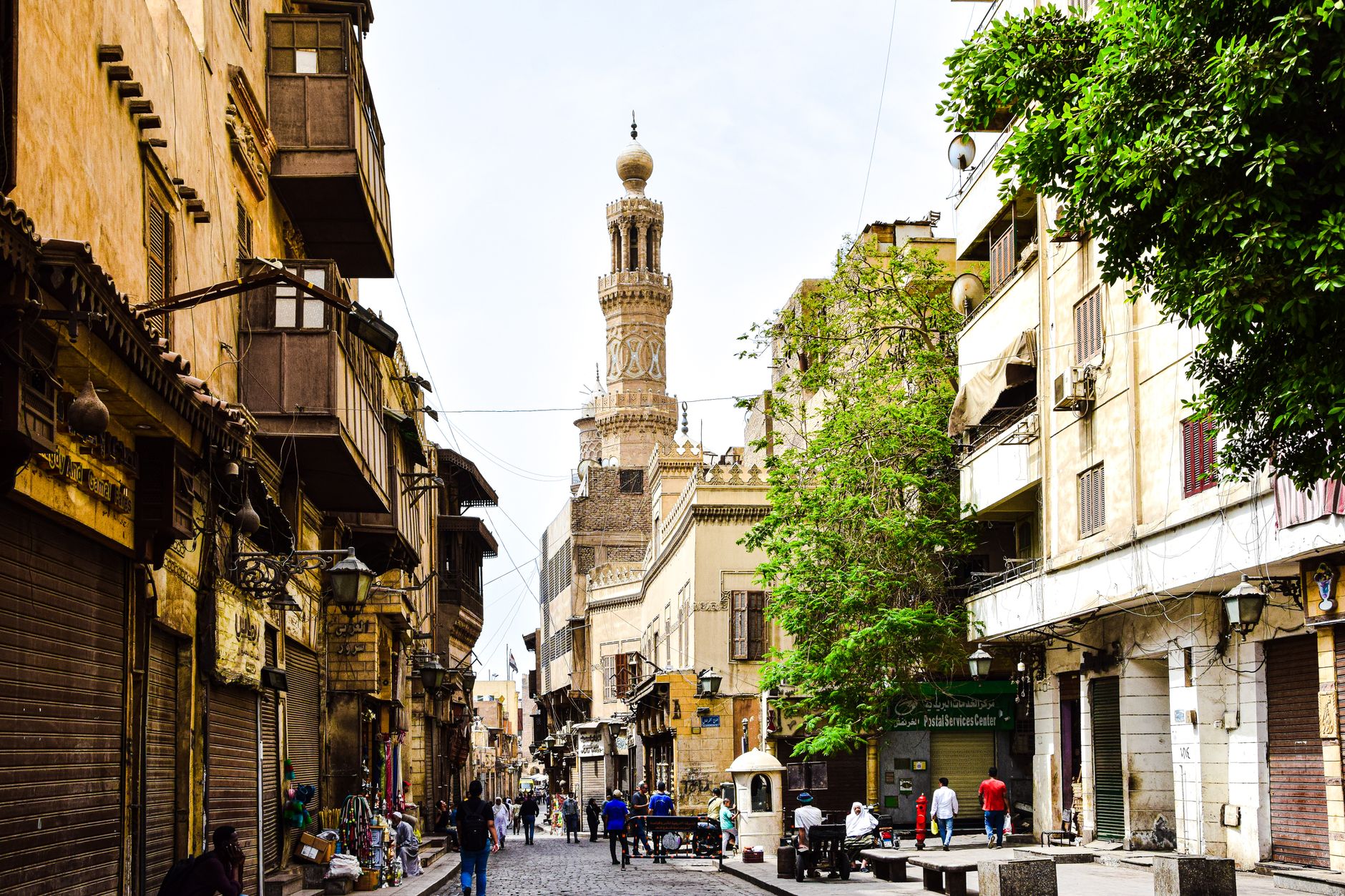
What Nobody Tells You About Student Travel in Cairo
The discount is worth more at museums than at monuments. Everyone fixates on the pyramids because it is the famous ticket. But the plateau is £E700 and the Grand Egyptian Museum is £E1,450. If you are rationing your energy for arguments at ticket windows, spend it at the museum.
Photograph both your cards, front and back, before you fly. If a card is lost or a clerk keeps hold of it for a suspiciously long time, a photo on your phone plus the physical passport has resolved the situation for more than one traveller.
Someone may ask for a tip in exchange for accepting your ID. This has happened at multiple counters — an official notices your card lacks an expiry date, or does not say “university”, and offers to overlook it for a consideration. You are entitled to the rate. Stay friendly, stay put, and ask for the supervisor. Understanding where baksheesh is genuinely customary and where it is not makes these moments much easier to read.
Book the Grand Egyptian Museum before you leave home. Foreign visitors must buy online with a timed entry slot; there is no on-site window any more. Choose the student category at the point of booking — you cannot convert an adult ticket at the door.
The cheapest day in Cairo is often the best one. Mosques, Coptic churches, Ben Ezra Synagogue, Al-Muizz street, the Corniche and Khan el-Khalili are free. A student card buys you the ancient sites; it does not buy you the city, and the city is the part most people remember.
Group up at the hostel for Saqqara and Dahshur. Neither is reachable by public transport in any sensible way, and a hired car for the day split four ways costs about the same per head as two metro rides plus a coffee. The Saqqara day-trip guide and the Dahshur write-up explain why the second one is the quieter, stranger and arguably better pyramid experience.
Cairo Student Travel FAQ
Do I need an ISIC card, or will my university ID work?
Most travellers get the half-price rate with an ordinary university photo card, especially if it is in English, carries a photo and shows an expiry date. Refusals happen when the card lacks an expiry, does not use the word “university”, or is in an unfamiliar script. The ISIC removes that risk for around US$20. Carry both if you can.
What is the age limit for student tickets in Egypt?
Egypt’s official Giza plateau rule says the student’s age must not exceed 24. The Grand Egyptian Museum publishes its reduced tier for ages 6–25. Other sites have historically applied an under-30 cut-off in practice. Staff will ask for a passport if they doubt your age, so budget for adult rates if you are over 25.
How much does a student actually save in Cairo?
On the standard eight-site circuit — Giza, GEM, Tahrir, the Citadel, the Coptic Museum, Saqqara, Memphis and Dahshur — the saving is £E2,265, exactly half of the £E4,530 adult total. That is roughly US$46, or about a quarter of a typical five-day budget-travel spend.
Can I buy an ISIC card once I am in Egypt?
There is a long-established issuing office in Cairo, on el-Manial Street in Roda, and one in Alexandria. Both want a letter from your institution plus your passport and photos, and both are set up primarily for students enrolled in Egypt. It is not a reliable plan for a short trip — apply online at home instead.
Does the student discount work on the Cairo Metro?
Not for visitors. The half-price metro subscription requires registration at a station office with an Egyptian institution’s student ID, two passport photos and a completed form. Standard fares are £E10–20 per journey depending on distance, which is cheap enough that it does not matter.
How much per day should a student budget for Cairo?
Between £E900 and £E1,800 a day (roughly US$18–37), depending on how many paid sites you visit. A day with the Grand Egyptian Museum in it will be the most expensive of your trip; a day walking Islamic Cairo and Coptic Cairo can come in under £E900 including your bed.
Is Cairo safe for a student travelling alone?
Broadly yes, with the usual caveats. Violent crime against tourists is rare; hassle and overcharging are common. Stay in Downtown or Zamalek, use ride-hailing apps after dark, keep to main streets at night, and be firm rather than polite with touts at the pyramids and the bazaar.
Are hostel-organised tours worth it for students?
For Saqqara, Dahshur and the White Desert, yes — those places are genuinely awkward to reach independently, and splitting a car four ways beats any other option on price. For Giza and the museums, no: you can reach both on your own, and a tour usually bundles in an adult-rate ticket you could have bought at half price yourself.
Does the student rate apply outside Cairo?
Yes. The same half-price foreign-student tier runs across Egypt’s government sites, including the Valley of the Kings, Karnak, Philae and Abu Simbel. If you are continuing south, the card’s value roughly doubles — which is the strongest argument for buying one before you fly.
My Advice
Buy the physical ISIC card at home for the price of two pizzas, bring your university ID as a backup, and pack your passport in the same pocket. Book the Grand Egyptian Museum online in the student category before you land, because that single ticket is where more than a third of your total saving lives. Then stay Downtown, eat koshary, take the metro, and put the two thousand pounds you did not spend on tickets into a Saqqara car and a few late nights in Cairo instead. That is the trade the card exists to let you make.
The single biggest saving an international student card unlocks in Cairo is now at Giza. The Grand Egyptian Museum charges foreign adults around EGP 1,450 and students up to 25 roughly half that — but only against the physical card, in date, presented at the gate. A photo on a phone has been turned away. Our guide to booking Grand Egyptian Museum tickets sets out exactly which documents each reduced rate needs.