This article contains advertising. Our booking links are routed through a partner that adds commission tracking automatically, so if you book through one we earn a commission from the provider, at no extra cost to you. It never affects what we recommend. Affiliate disclosure
The Cairo Metro guide for tourists: Cairo’s metro is a cheap and surprisingly tourist-friendly way to navigate one of the world’s largest cities, as long as your trip starts and ends near a station. Three operational lines (Line 1 Blue, Line 2 Red, Line 3 Green) cover key tourist destinations including the Egyptian Museum (Sadat Station), Khan el-Khalili area and downtown Cairo. The airport is not on the network: Line 3’s eastern end is Adly Mansour, and the terminals are a road transfer from there. Tickets cost £E10–20 depending on distance, and dedicated women-only cars provide a safer travel option. On Line 3 the first trains leave at about 5:15 AM and the last leave the end stations between 11:29 PM and 11:55 PM, with trains every 4.5 minutes at peak times on its central section.
Three lines, cheap tickets and one carriage reserved for women: our Cairo Metro guide for tourists explains all of it for 2026, including the stations that matter, the fares, the hours to avoid, and how to ride without drawing attention. It works alongside our answers to the questions travellers ask most, our hub for getting from A to B, and our current read on personal security here.
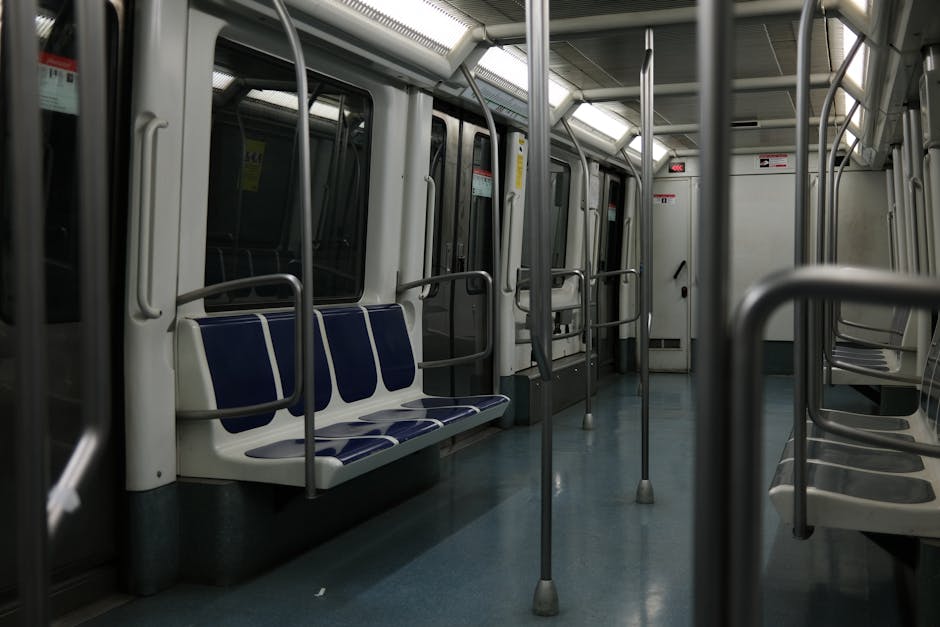
Cairo Metro Lines Overview
| Line | Color | Route | Tourist Stations |
|---|---|---|---|
| Line 1 | Blue | New El Marg → Helwan | Sadat (Egyptian Museum) |
| Line 2 | Red | Shubra → Mounib | Sadat, Mohamed Naguib (Islamic Art), Opera (Cairo Tower), Dokki, Giza |
| Line 3 | Green | Adly Mansour → Rod El Farag Corridor / Cairo University | Attaba (Khan area) |
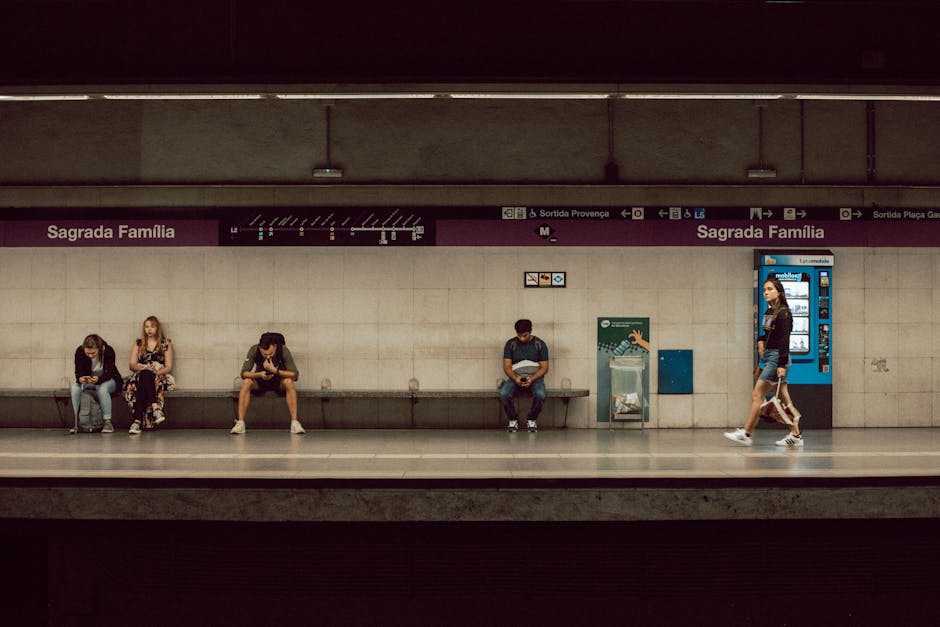
Cairo Metro Fares (2026)
| Distance | Fare |
|---|---|
| Up to 9 stations | £E 10 |
| Up to 16 stations | £E 12 |
| Up to 23 stations | £E 15 |
| 24–39 stations | £E 20 |
Single tickets and rechargeable smart cards are available at every station ticket counter.
Nothing on that table is negotiable, which is precisely the appeal, because the moment you come back up the stairs the price of a ride becomes a conversation, so it helps to know how fares work in a Cairo cab before you flag one down.
At those fares the metro is the single biggest lever on a tight daily budget, since swapping two ride-hail trips for two metro rides effectively pays for lunch. Our full fifty-dollars-a-day breakdown shows where the rest of the money goes, from hostel bed to entry tickets.
Operating Hours
- Daily (Line 3): first trains 5:15–5:20 AM; last departures from the end stations 11:29–11:55 PM, depending on direction
- Friday morning: Reduced service before prayer
- Train frequency: on Line 3, every 4.5 minutes at peak and 6.5 minutes off peak between Adly Mansour and Kit Kat; every 9 and 13 minutes on the western branches
- Rush hours: commuter peaks are the most crowded times to ride, so travel outside them if you can
The metro does not reach the airport terminals, so every arrival starts with a different way in from the airport; after a late landing, bear in mind that Line 3’s last trains leave its end stations between 11:29 PM and 11:55 PM.
Key Tourist Stations
Sadat (Line 1 + Line 2 interchange)
Tahrir Square — walking distance to Egyptian Museum, downtown Cairo. The single most useful station for tourists.
Mohamed Naguib (Line 2)
Walking distance to Museum of Islamic Art and Bab al-Khalq.
Attaba (Lines 2 and 3)
Within walking distance of Khan el-Khalili and Islamic Cairo. Attaba is also a Line 2 station.
Opera (Line 2)
Cairo Opera House on Gezira Island. Walking distance to Cairo Tower.
Giza (Line 2)
Giza city center. From here, taxi or Uber to the Pyramids.
The walk from Attaba into Khan el-Khalili is straightforward once you know which way to turn, and our notes on covering Cairo on foot cover the crossings, pavements and timings that make that last leg painless.
Sadat is the argument for basing yourself Downtown: two of the three lines meet there, the Egyptian Museum is five minutes on foot, and no day starts with a taxi negotiation. We rank the Downtown places worth booking from hostel bunks upward.
Women-Only Cars
Two carriages in the middle of each Cairo Metro train are reserved for women; signs on the platform show where they stop.
- Safer travel for women alone
- Less crowded during rush hours
- More comfortable for solo female tourists
- Cultural respect for traditional gender separation
Women can also use mixed cars freely; men cannot use women-only cars.
The carriages help, but they are one piece of a bigger calculation about when to ride at all, and our fuller take on travelling as a woman covers late-night alternatives, what to wear on crowded trains and how experienced visitors handle unwanted attention.
How to Use Cairo Metro (Step by Step)
- Find the station (red, blue, green letter M signs)
- Go to ticket counter — English service available
- Tell agent destination station — they’ll quote fare
- Pay in Egyptian pounds (small bills helpful)
- Get printed ticket — hold throughout journey
- Pass through ticket gate
- Find platform — clear signs in Arabic and English
- Wait for train (every 4.5–6.5 min on Line 3’s central section, longer on its branches)
- Look for line color and direction
- Board, find seat or hold on
- Exit at destination — keep ticket for exit gate
Cairo Metro Tips for Tourists
- Avoid the commuter rush hours
- Women may prefer women-only cars
- Hold belongings close in crowded cars
- Have small denominations of EGP ready
- Keep your ticket — needed to exit
- English signs at major stations
- Bring water bottle (no fountains)
- Phone signal often weak underground
- Maps available at ticket counters
- Photography permitted with discretion
- Air-conditioned trains (mostly)
- Safer than driving in Cairo traffic
One tip that does not fit that list: if you hold a valid student card, the real savings sit at the monuments rather than on the metro, and they are substantial. We total up what a student card takes off ticket prices across the main Cairo sites.
Cairo Metro Safety
The Cairo Metro is generally very safe:
- Stations are well-policed
- Security checks at entrances
- Bags often x-rayed
- Women-only cars protect against harassment
- Pickpocketing rare but possible in crowds
- Lights well-lit even at night
- Other passengers are mostly local commuters
Cairo Metro vs Uber/Careem
| Factor | Metro | Uber/Careem |
|---|---|---|
| Price | £E 10–20 | $3–10 |
| Speed | Fastest on key routes | Stuck in traffic |
| Comfort | Variable (crowds) | Air-conditioned, private |
| Convenience | Walking to stations | Door-to-door |
| Tourist-friendly | Yes — English signs | Yes — app-based |
| For luggage | Difficult | Easy |
The luggage row is the one that settles most journeys, and if you are travelling with bags or heading somewhere the three lines do not reach, read the full rundown on Cairo’s ride-hailing apps before committing to a route.
Cairo Metro FAQ
How many lines does Cairo Metro have?
Three operational: Line 1 (Blue), Line 2 (Red), Line 3 (Green).
How much does a Metro ticket cost?
£E 10–20 depending on distance.
What hours does Metro operate?
On Line 3, from about 5:15 AM until the last trains leave the end stations at 11:29–11:55 PM, depending on direction. Check your line before a late ride.
Are women-only cars required?
No — women may use any car. Women-only cars are an option for safety.
Can I get to the airport by Metro?
No — no line reaches the airport. Line 3 (Green), running since 2012, ends at Adly Mansour, so the last leg to the terminals is by road.
Is the Metro safe for tourists?
Yes — generally very safe, with security at stations.
What’s the best station for the Egyptian Museum?
Sadat (Lines 1 + 2 interchange) — walking distance.
What’s the best station for Khan el-Khalili?
Attaba, on Lines 2 and 3, then a walk into the bazaar.
How frequent are trains?
It depends on the line and branch. Line 3 runs every 4.5 minutes at peak and 6.5 off peak between Adly Mansour and Kit Kat, and every 9 and 13 minutes beyond.
Do I need cash for tickets?
Yes — Egyptian pounds at ticket counters.
Are stations announced in English?
Major stations yes, smaller stations Arabic only.
Can I bring luggage on the Metro?
Yes — but crowded cars make this difficult. Better for daypacks.
Are there senior/student discounts?
Limited — Egyptian residents only. Tourists pay standard fares.
Should I use Metro or taxis?
Metro for direct east-west or north-south routes; taxis/Uber for door-to-door or with luggage.
Are Cairo Metro stations accessible?
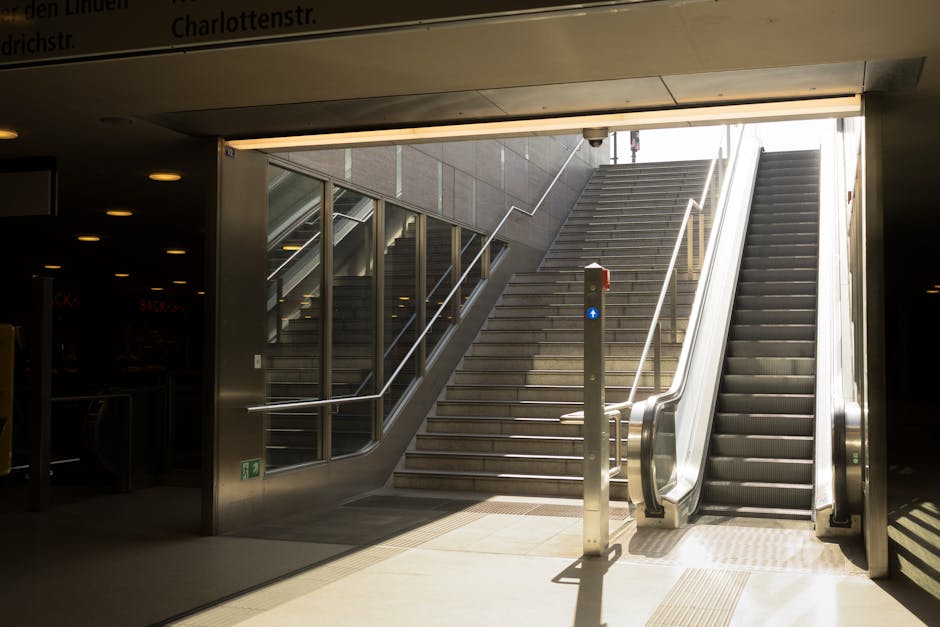
Limited — most use stairs and escalators. Wheelchair access varies.
Pulling It Together
The Cairo Metro guide for tourists reveals an underused but excellent option for navigating Cairo — fast, cheap, safe, and tourist-friendly. Use Line 1 or 2 to Sadat for the Egyptian Museum and Line 3 to Attaba for Khan el-Khalili; for the airport, take a car, since no line reaches it. Avoid rush hours, use women-only cars if you prefer, keep your ticket for the exit gate, and bring small bills. For door-to-door travel or with luggage, use Uber/Careem instead — but for most central tourist routes, the Metro is quick and good value.
Metro tickets will not cover everything, so keep the journey west to the Giza plateau, rail and road links to the second city, and the surface network of city buses to hand for the trips the trains do not reach.
Authoritative Sources
A question that comes up constantly deserves a straight answer here: there is no metro station at the Grand Egyptian Museum, and no light rail or monorail either. What the metro can do is take you as far as Giza on Line 2 and cut out the worst of the crosstown traffic, leaving a short ride-hail at the end — a genuinely good budget route for a solo traveller. Our guide to reaching the museum from Cairo compares that against a direct car.