This article contains advertising. Our booking links are routed through a partner that adds commission tracking automatically, so if you book through one we earn a commission from the provider, at no extra cost to you. It never affects what we recommend. Affiliate disclosure
Cairo money exchange and currency tips: Egypt’s currency is the Egyptian Pound (£E or EGP), with the 2026 exchange rate floating around 30 EGP = $1 USD (rates fluctuate). The single most important rule: use ATMs for the best exchange rates, not airport currency exchanges (which charge 5-10% worse rates) or hotel desks (worst rates). Bring some USD cash as backup, expect to use cash for most transactions (souks, taxis, street food), and don’t rely on credit cards outside of hotels, malls, and major restaurants. This guide covers everything: where to exchange, ATM strategy, tipping cash, and avoiding the common currency scams that target tourists.
Rates, ATMs, cash strategy and where plastic actually works: this Cairo money exchange and currency guide is current for 2026, and it reads alongside our wider look at Cairo travel costs, the answers to the questions visitors ask most, and a primer for first-time arrivals.
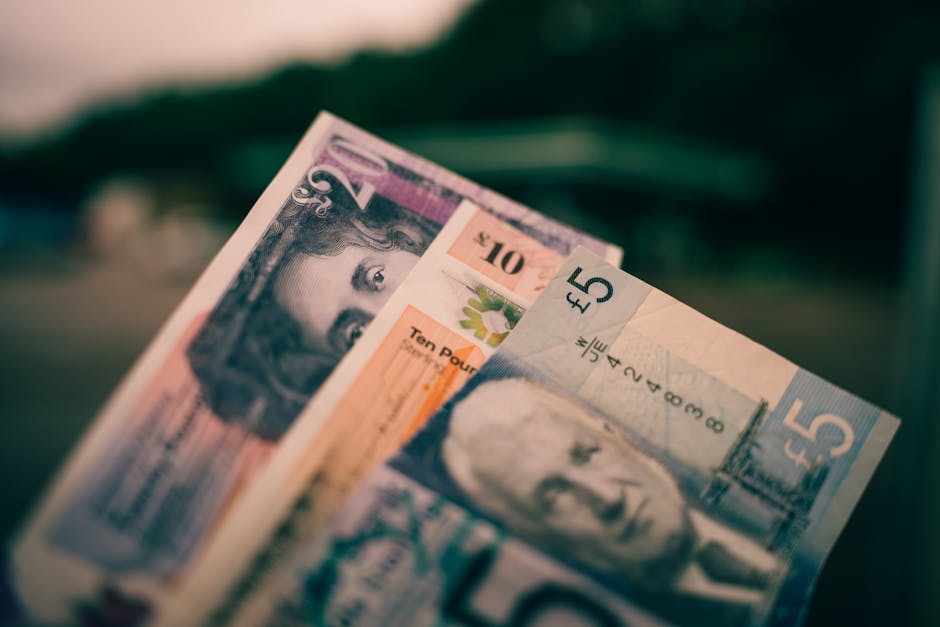
Egyptian Currency Basics
- Currency: Egyptian Pound (EGP or £E)
- Subdivisions: 100 piastres = 1 pound (piastres rarely used today)
- Banknotes: £E 1, 5, 10, 20, 50, 100, 200
- Coins: 25 piastres, 50 piastres, £E 1
- 2026 rate (approx): ~30 EGP = $1 USD (fluctuates)
- Inflation: Egyptian Pound has steadily devalued; check current rates
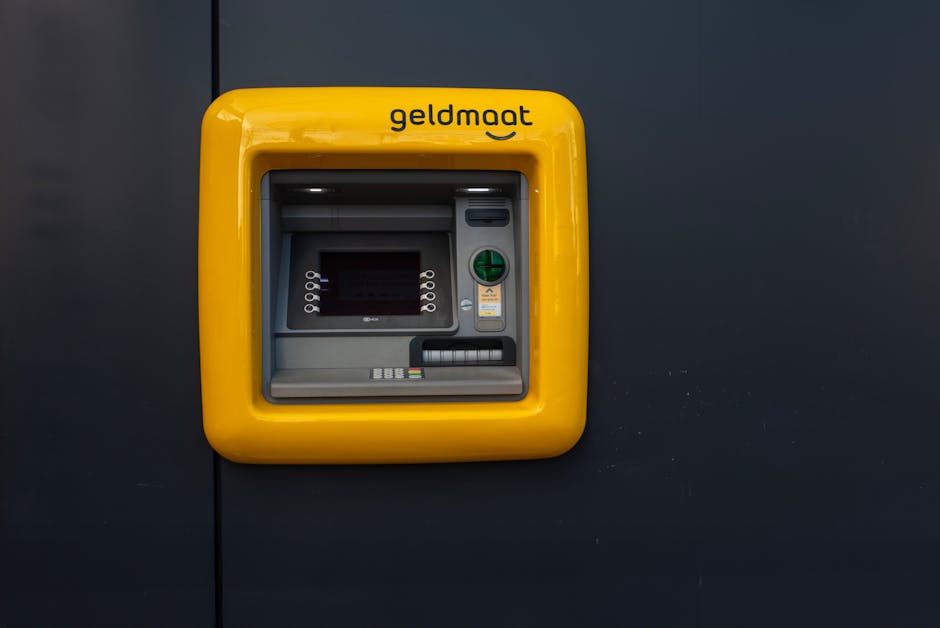
Best Way to Get Egyptian Pounds
Best: ATMs
ATM withdrawals offer the best rate (closest to interbank rate) and minimal fees.
- Best ATMs: National Bank of Egypt, Banque Misr, HSBC, CIB
- Daily limit: Typically £E 5,000-10,000
- Fees: Your bank ~$3-5 + Egyptian bank ~£E 30-50
- Where: Airports, banks, malls, hotels
Good: Bank Exchange
Banks offer competitive rates with paperwork.
Acceptable: Currency Exchange Shops
Independent currency exchanges in tourist areas. Rates vary; compare.
Avoid: Airport Exchange Booths
Worst rates — typically 5-10% worse than ATMs.
Avoid: Hotel Exchange Desks
Worst rates anywhere; use only as emergency.
Cash Strategy for Cairo
- Daily cash needs: £E 500-1,500 (~$15-50) depending on style
- Withdraw weekly: Avoid carrying too much cash
- Carry small denominations: Hard to get change for £E 200 from street vendors
- Always have backup: Keep some USD cash separate
- Hotel safe: Store passport, extra cash there
- Money belt: Useful for crowded markets
That £E 500 to £E 1,500 a day only means something once you know what the rest of the trip costs, which is laid out in our breakdown of what a week in Cairo actually costs.
Where Cash Is Essential
- Souks (Khan el-Khalili, Al-Muizz Street)
- Street food vendors
- Traditional taxis
- Tip jars (baksheesh)
- Small restaurants
- Mosque/church donations
- Public transport
- Small shops
Khan el-Khalili and Al-Muizz Street run on notes because nothing there has a fixed price, and our guide to how haggling works in the souks covers the rhythm of that exchange.
Where Credit Cards Are Accepted
- 4-5 star hotels
- Major mall stores (Citystars, Cairo Festival City)
- International restaurant chains
- Most upscale Cairo restaurants
- Pharmacies
- Major supermarkets
- Uber/Careem
USD vs EGP at Tourist Sites
Some merchants accept USD or quote prices in dollars:
- Pyramids ticket office: Both EGP and USD accepted
- Egyptian Museum: Both accepted
- Tourist shops: Some quote USD (markup)
- Best practice: Always pay in EGP for better rates
The same dollar markup appears in tourist gold shops, where the price should track the daily gram rate rather than the label, as our guide to buying gold by weight in Cairo explains.
Common Currency Scams
1. Bad Exchange Rates
Vendor quotes “$1 = 25 EGP” when real rate is 30. Verdict: Know current rate; insist EGP only. The Cairo money exchange approach proves invaluable for planning any Cairo itinerary.
2. Counterfeit Notes
Rare but possible. Verdict: Check banknotes feel/look right; ATMs safest.
3. The Wrong Change
Receive less change than expected. Verdict: Count carefully before leaving counter.
4. The “I Can’t Make Change” Excuse
Vendor insists on rounded up payment. Verdict: Bring small denominations.
5. ATM Skimming
Rare but possible at unsecured ATMs. Verdict: Use bank-attached ATMs.
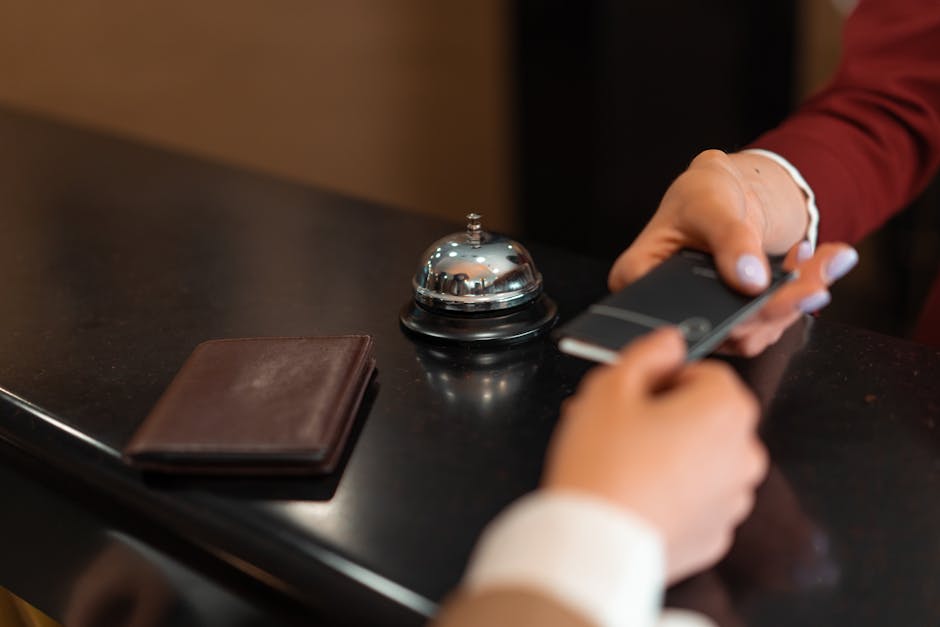
Tipping Culture (Baksheesh)
Cairo runs on tips. See our full what baksheesh means in practice for details. Quick rules:
- Restaurants: 10-15%
- Hotel staff: £E 10-50 per service
- Taxis: Round up + £E 10-20
- Bathroom attendants: £E 5-10
- Tour guides: $5-20/day
- Drivers: $5-15/day
- Camel/horse rides: Always negotiate, then tip 10-20%
Rounding up plus £E 10 to £E 20 assumes the fare itself was fair to begin with, a separate skill covered in our notes on fares and etiquette in Cairo taxis.
Cairo Money Exchange FAQ
What’s the Egyptian currency?
Egyptian Pound (EGP or £E). 100 piastres = 1 pound.
Where do I get the best exchange rate?
ATMs — closest to interbank rate, minimal fees.
Are credit cards accepted?
At hotels, malls, major restaurants yes. Cash for souks, street food, taxis.
Should I bring USD?
Yes — keep $100-200 as backup; exchange small amounts.
How much cash should I carry daily?
£E 500-1,500 ($15-50) for typical day.
Are ATMs available?
Yes — at airports, banks, malls, hotels.
What’s the ATM withdrawal limit?
Typically £E 5,000-10,000 per transaction.
Can I use my US debit card?
Yes — at major ATMs (notify bank of travel first).
Is it safe to carry cash?
Generally yes — use money belt; don’t display.
Should I tip in USD or EGP?
EGP preferred; USD accepted but inconvenient for recipient.
What if I run out of cash on weekend?
ATMs available 24/7; banks closed weekends.
Are credit cards safe to use?
Generally yes at established merchants. Avoid using at small shops.
Should I exchange at home before flying?
No — Cairo ATMs offer better rates.
What’s the smallest banknote?
£E 1 (and 25/50 piastres coins, rarely used).
Can I leave with leftover EGP?
Yes — small amounts; exchange remaining at airport before departure for worst rate or keep as souvenir. The Cairo money exchange approach proves invaluable for planning any Cairo itinerary.
Pulling It Together
Cairo money exchange and currency tips boil down to: use ATMs (best rates), carry cash for daily needs (souks, food, transport), bring USD backup (~$100-200), pay everything in Egyptian pounds, expect to tip (baksheesh culture), and use credit cards only at hotels and major establishments. Avoid airport currency exchanges and hotel exchange desks (worst rates). With these basics, you’ll navigate Egypt’s cash-based economy smoothly and at fair value.
Once the money side is settled, timing becomes the next variable: see how Cairo’s temperatures shift month to month, then decide which season suits your trip best. Travellers with mobility needs should add our notes on getting around with limited mobility.