This article contains advertising. Our booking links are routed through a partner that adds commission tracking automatically, so if you book through one we earn a commission from the provider, at no extra cost to you. It never affects what we recommend. Affiliate disclosure
The Museum of Islamic Art in Cairo holds one of the finest collections of Islamic art on the planet — more than 100,000 objects, with roughly 4,500 on display across 25 galleries, spanning twelve centuries from the 7th-century Umayyads to the Ottomans. Foreign adult tickets are EGP 340, it’s open daily about 9am–5pm, and almost nobody goes. That last part is the secret.
Carved Mamluk minbars, enamelled mosque lamps, an early gold dinar the size of a fingernail, all lit like jewellery. After fighting the crowds at the Pyramids and the Egyptian Museum, the calm here feels almost unfair. This is the complete guide for 2026: what’s actually worth your time, the building’s bruising history, how long to budget, and how to fold it into a proper day in Islamic Cairo.
Why the Museum of Islamic Art belongs near the top of your list
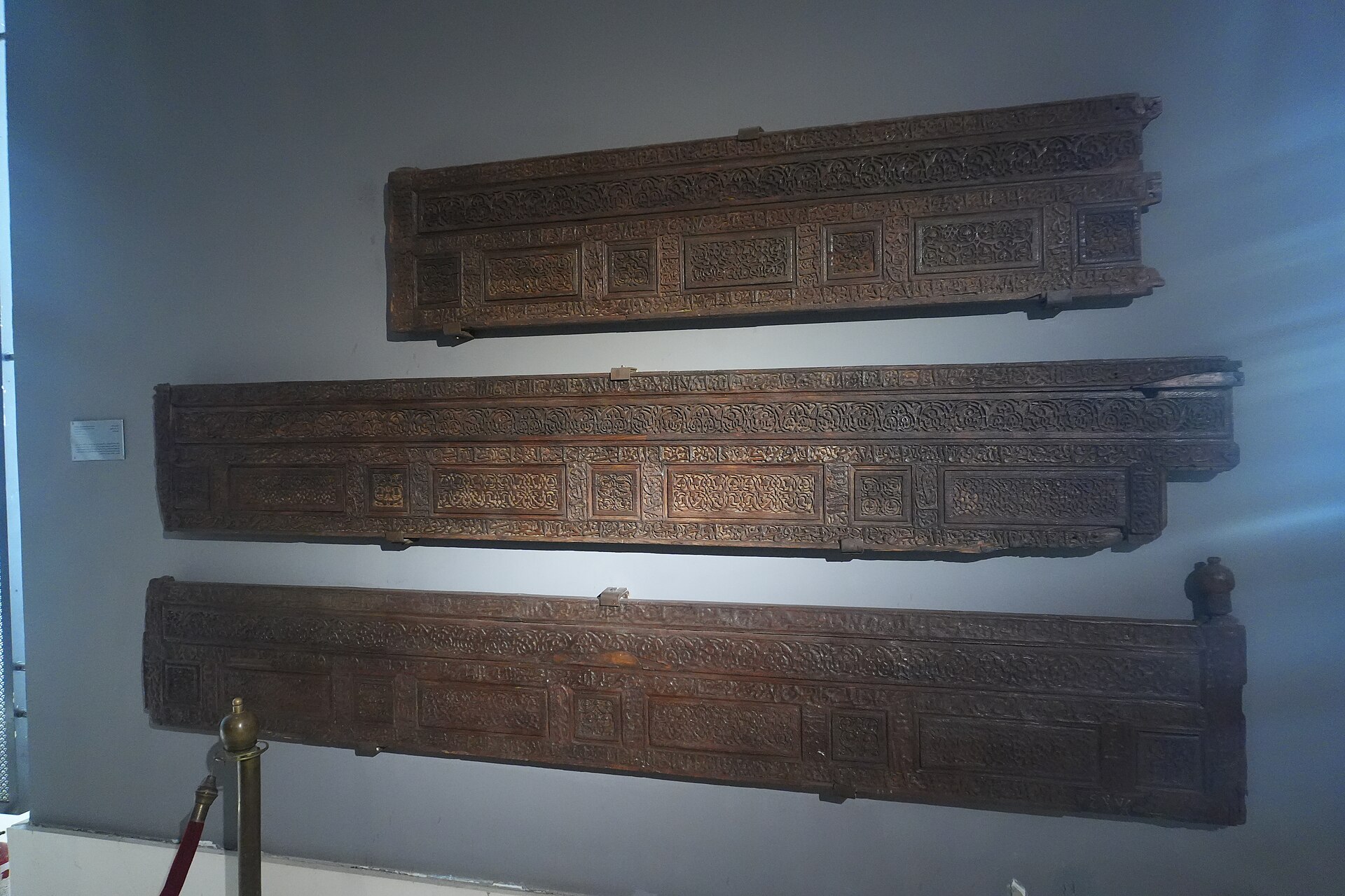
Scale is the first thing. Over 100,000 artifacts from across the Islamic world — Egypt, Persia, Spain, Anatolia — running from the 7th century to the 19th. Around 4,500 of them are on display in the galleries, so you’re never wading through clutter. The collection sits in genuinely elite company; people put it alongside the Louvre’s Department of Islamic Art, London’s V&A, and the Aga Khan Museum in Toronto. Where it pulls ahead of all of them is the Mamluk era — Cairo’s golden age, roughly 1250 to 1517. The Mamluk manuscripts and woodwork here come from the city the Mamluks actually built, many of them from its own monuments.
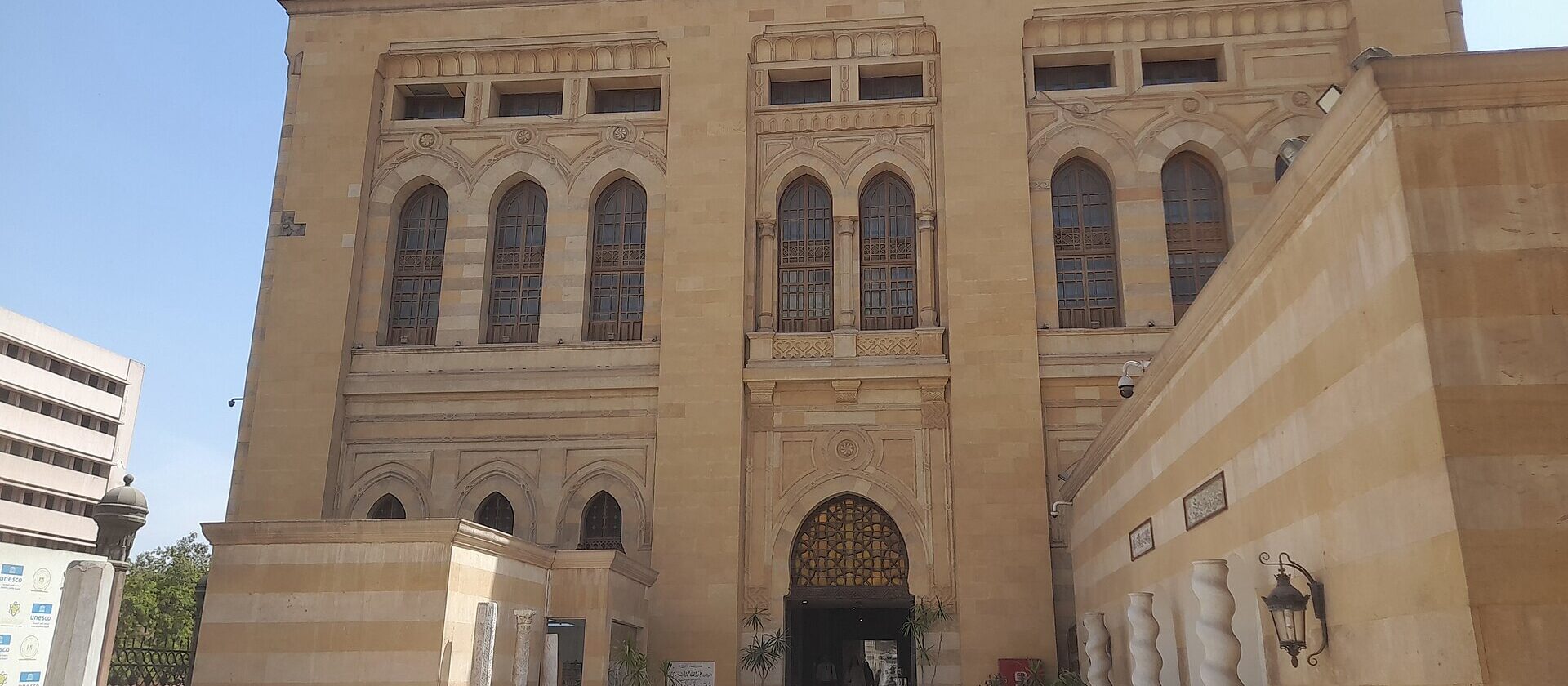
And it’s a calm, beautifully presented museum, which counts for a lot in this city. The displays are well lit, and the building itself — a neo-Mamluk pile from 1903 — is part of the show. For a fuller picture of how it fits with Cairo’s other collections, our complete guide to Cairo’s museums and cultural attractions maps out the whole landscape.
There’s also a thread you’ll only spot if you slow down: this is one collection that lets you watch a single craft evolve across centuries and borders. You can trace metalwork from an early Umayyad ewer through Mamluk inlaid brass, or follow ceramics from Egyptian Fatimid lustreware to Persian Kashan ware to Turkish Iznik tiles, all in the space of a few rooms. Most museums show you isolated masterpieces; this one shows you a whole civilisation’s design language developing in front of you. That continuity is what specialists mean when they call it world-class, and it’s the reason a guide pays off here more than at most Cairo sites — the labels are good, but a knowledgeable guide joins the dots.
A short, dramatic history
The museum’s story begins in 1880, in the reign of Khedive Tawfiq, when Franz Pasha gathered Islamic objects at the Al-Hakim Mosque; the collection was first known as the Arab Museum. A team led by the Hungarian architect-conservator Max Herz went around Cairo rescuing fragments from crumbling mosques and palaces — capitals, screens, fountains, lamps — that would otherwise have been lost. The salvage instinct is baked into the place; a lot of what you see was literally saved from the rubble.
In 1903 the collection moved into its purpose-built home on Bab al-Khalq square in downtown Cairo, a confident neo-Mamluk design in the style of the very art it houses. By the early 2000s the holdings had ballooned past 100,000 objects and the galleries were cramped, which led to a major modernisation, reopened in 2010, with the Aga Khan Foundation and French restoration experts involved.
Then, in January 2014, a car bomb aimed at the police headquarters directly across the street tore through the façade. It shattered the windows, scarred that beautiful neo-Mamluk frontage, and damaged pieces inside.
Conservators set to work on the damaged pieces, and the museum reopened in January 2017 — almost exactly three years on. Look closely and some restored pieces carry small gold labels marking what they survived. Knowing that backstory changes how the whole place feels.
Tickets, hours and the card-only reality
Pricing for Egyptian monuments shifts often, so treat these as a guide and confirm on the day at egymonuments.gov.eg.
| Ticket | Approx. price (2026) |
|---|---|
| Adult, foreign visitor | EGP 340 |
| Student, foreign visitor | EGP 170 |
| Child under 6 | Free |
| Mobile-phone photography | Usually free |
Hours are generally 9am to 5pm daily, with the last tickets sold around 4pm. Fridays often run on a split schedule — open in the morning, a break over midday prayers, then open again in the afternoon — so a Friday visit is best aimed at the morning or later afternoon. One practical heads-up that catches people out: Egypt’s major archaeological sites and museums have stopped taking cash for tickets, so carry a payment card.
Phone photography is fine in most galleries — no flash, and tripods are restricted. The lit displays photograph beautifully, especially the enamel lamps.
The pieces you should not walk past
You could see everything in a couple of hours, but these are the pieces to slow down for.
- The early Islamic gold dinar. A coin dated AH 77 (AD 696–697), carrying wholly Arabic inscriptions. Tiny, easy to miss, and quietly one of the most historically loaded objects in the building.
- The rare Qurans. Including manuscripts with calligraphy inked in silver on elaborately bordered pages. The calligraphy gallery is a highlight in its own right.
- The Mamluk mosaic fountain. A restored marble-and-stone fountain at the centre of one of the most photogenic rooms in the museum.
- The enamel mosque lamps. Glass-and-metal lamps that once hung in mosques like Sultan Hassan, now preserved here. The most Instagrammed thing in the building, and rightly so.
- The Mamluk woodwork gallery. Carved minbars (pulpits), mashrabiya screens, and architectural fragments from the 13th to 15th centuries. This is the museum’s signature strength — give it extra time.
- Mamluk enamelled glass and Fatimid lustreware, plus Iznik tiles from Turkey and Kashan ceramics from Persia. The ceramics rooms trace the whole Islamic world in clay and glaze.
- Ottoman textiles and Persian illuminated manuscripts — embroidered prayer rugs, ceremonial robes, miniatures, and decorated scientific texts.
How long to budget
Be honest about your appetite for detail.
- Quick pass: about 1.5 hours for the headline pieces.
- Standard visit: 2 to 3 hours, which is what I’d recommend for most people.
- Comprehensive: up to 4 hours if you want to read the (genuinely excellent) labels and linger in the Mamluk wing.
Weekday mornings are quietest. Bring a light layer — the interior is firmly air-conditioned — and wear closed-toe shoes and modest-casual clothing. A couple of small things make the visit better: bring a notebook if you’re the type who likes to read everything, because the explanatory panels genuinely reward it, and don’t rush the calligraphy gallery, which people tend to skim and then regret. If you’re travelling with children, the museum suits roughly age eight and up, and a kid-friendly guide makes a real difference to how engaged they stay.
Getting there
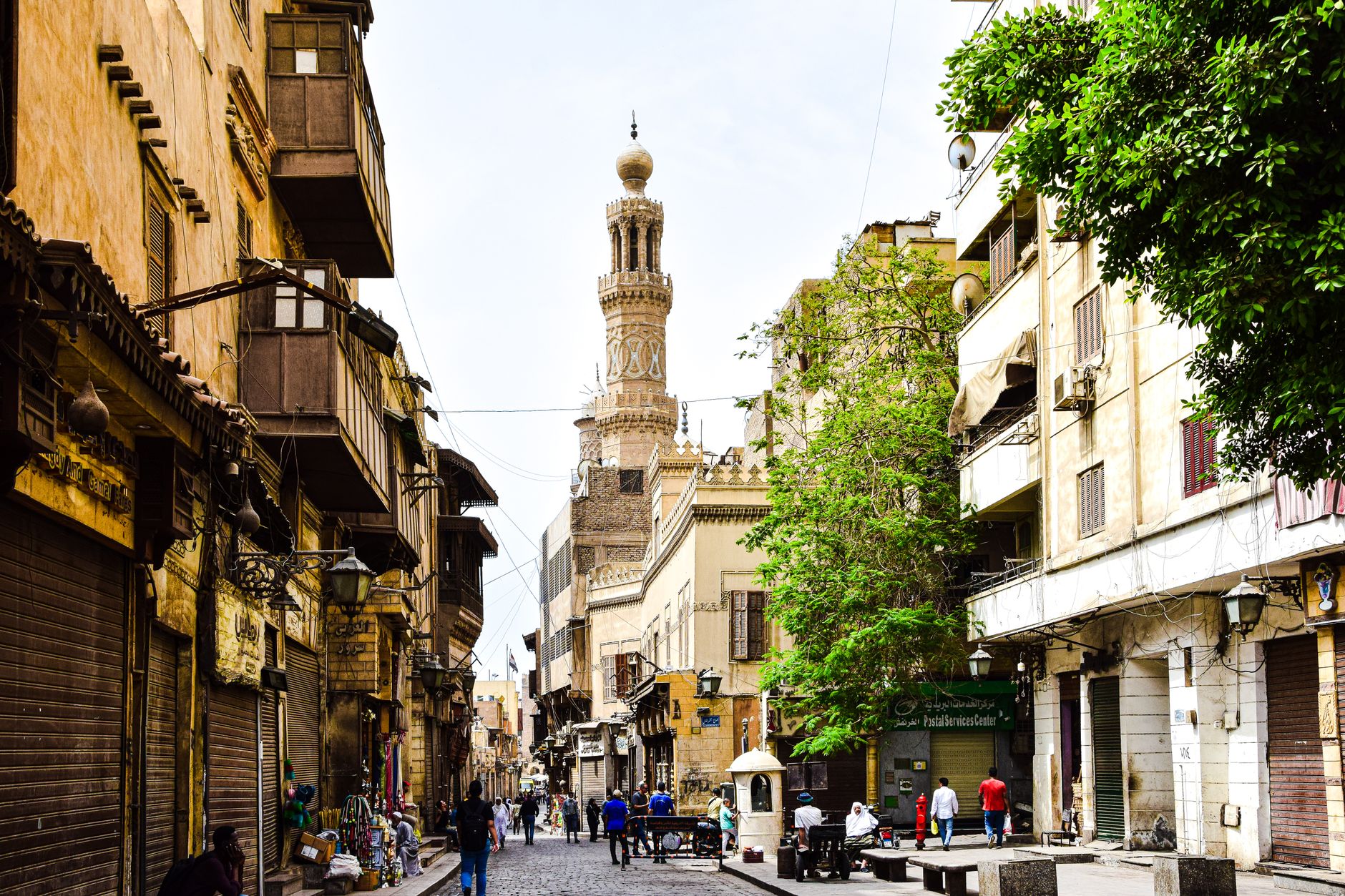
The museum sits on Bab al-Khalq square in downtown Cairo, on the western edge of Islamic Cairo. By metro, use Mohamed Naguib on Line 2. An Uber or Careem takes the guesswork out of it, and the app shows the journey time before you book — the streets around here are dense and one-way-heavy. The location is the real bonus: you’re within walking distance of Khan el-Khalili, Al-Muizz Street, and the Sultan Hassan Mosque.
Pair it with Islamic Cairo for a perfect day
This museum is the ideal warm-up for the medieval city right next door. My standard loop:
- Morning: the Museum of Islamic Art, 2–3 hours, while you’re fresh and the galleries are empty.
- Lunch in downtown Cairo or near Khan el-Khalili.
- Afternoon: walk the length of Al-Muizz Street — an open-air museum of Fatimid, Ayyubid and Mamluk architecture — then duck into the Sultan Hassan Mosque and finish in the lanes of Khan el-Khalili.
- Evening: mint tea at El Fishawy, the centuries-old café in the middle of the bazaar.
If you’d rather structure the walking portion, our guide to things to do in Cairo has the wider itinerary ideas, and our culture and etiquette guide covers mosque-visit dress codes and the small courtesies that go a long way in this part of the city. Seeing the artifacts indoors first, then the architecture they came from outdoors, is the order that makes everything click.
That walk down Al-Muizz has an obvious anchor at its southern end, where Cairo’s thousand-year-old centre of learning still runs classes in a courtyard you are welcome to sit in.
Many of the museum’s lamps, woodwork and metalwork came out of the mosques and houses a short drive east, and the collection means more once you have stood in those buildings. Our guide to historic Cairo’s Islamic and Coptic quarters covers the monuments themselves, from Al-Muizz Street and Al-Azhar to Sultan Hassan and Ibn Tulun.
Museum of Islamic Art Cairo FAQ
How much do tickets cost in 2026?
Tickets cost EGP 340 for foreign adults and EGP 170 for students; under-sixes are free, and so is phone photography. Prices change, and tickets at the major sites are cashless, so bring a card and confirm the current price with the museum before you go.
How long should I spend there?
Two to three hours suits most visitors. Allow up to four if you want to read the labels and really work through the Mamluk woodwork wing.
What’s the single most important artifact?
The gold dinar dated AH 77 (AD 696–697), an early Islamic coin carrying wholly Arabic inscriptions, is the usual answer, though the rare silver-ink Qurans are right behind it.
Did the museum recover from the 2014 bombing?
Yes, fully. A car bomb across the street damaged the building and its collection in January 2014, and the museum reopened in January 2017 with far more on display than before. Some restored pieces carry small gold labels.
Should I visit this or the Coptic Museum?
Ideally both — they cover different threads of Cairo’s heritage, Islamic versus Christian. Our Coptic Museum guide covers the other half of the story.
Photo Credits
The Museum of Islamic Art entrance: EGUG visit to the Museum of Islamic Art, Cairo 006 by Amr F.Nagy, Public domain, via Wikimedia Commons.
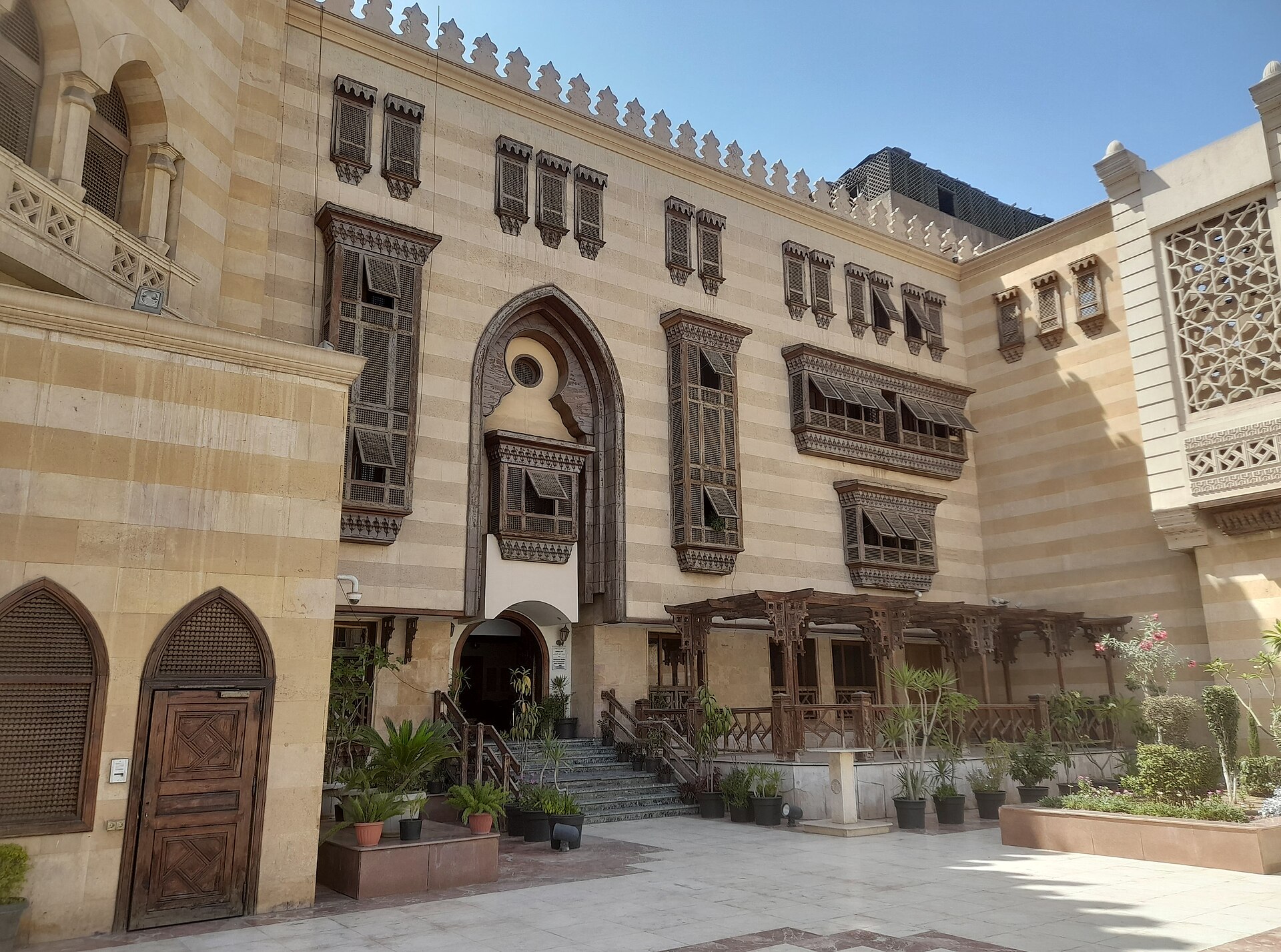
The Museum of Islamic Art courtyard facade: EGUG visit to the Museum of Islamic Art, Cairo 005 by Amr F.Nagy, Public domain, via Wikimedia Commons.
Carved woodwork at the Museum of Islamic Art: Egyptian Islamic Museum – EGWUG GLAM trip 2025 (11) by Ibrahim.ID, CC BY-SA 4.0, via Wikimedia Commons.