This article contains advertising. Our booking links are routed through a partner that adds commission tracking automatically, so if you book through one we earn a commission from the provider, at no extra cost to you. It never affects what we recommend. Affiliate disclosure
Every pyramids tour sold in Cairo is built from the same few ingredients: a car, a guide, a handful of entry tickets and a route. What changes is how many sites get squeezed into the day, who else is in the car, and what the price quietly leaves out. Two listings with almost identical photos can differ by a factor of three, and the cheaper one is not always the worse deal. Choosing a pyramids tour from Cairo well comes down to knowing which of the handful of formats you are actually looking at, and then reading the small print.
This guide compares the main formats — the half-day Giza tour, Giza with the Grand Egyptian Museum, Giza with Saqqara, and the Saqqara–Dahshur–Memphis day — with real prices from established Cairo operators’ own websites, what each one includes, and who it suits. Operator prices are per person in US dollars, read on the operators’ sites in October 2026; official ticket prices are the Ministry of Tourism and Antiquities’ foreign-visitor rates in Egyptian pounds, at roughly EGP 53 to the dollar. Prices change with the season and the pound, so treat them as a guide to the order of magnitude, and check the operator’s page before you book. For the wider booking picture — platforms, cancellation terms and when to skip a tour entirely — see our guide to choosing and booking Cairo tours.
The formats at a glance
| Format | Length | Per person, two travellers (private, at the operators in this guide) | Best for |
|---|---|---|---|
| Half-day: Giza pyramids and the Sphinx | About 4 hours | USD 45–83 | Short stays, layovers, anyone saving energy for the museum |
| Full day: Giza and the Grand Egyptian Museum | About 8 hours | USD 140–246 | First-timers who want the two headline sights in one day |
| Full day: Giza and Saqqara | About 8 hours | USD 202 at the operator in this guide | The classic pyramids day: the Great Pyramid and the Step Pyramid together |
| Full day: Saqqara, Dahshur and Memphis | About 8 hours | USD 70 at the operator in this guide | A second pyramids day, or travellers who have already seen Giza |
Those ranges come from a small sample of operators, and they describe those operators, not the whole market. They are still useful: they show how far apart honest prices can be for the same day, and they give you a yardstick for any quote you are sent.
Before you compare: how a Giza visit works now
The Giza plateau has been through a major redevelopment, and older tour descriptions can be out of date. The main visitor entrance moved to a new gate on the Fayoum Highway, replacing the old entrance near the Mena House, and the plan for the plateau is built around electric vehicles carrying visitors between the stops. Reports in April 2025 disagreed on whether tour buses would still be let onto the plateau, so ask any operator exactly where you will be dropped and how you will get around once inside. A good one will know.
The tickets that matter:
- Plateau entry: EGP 700 (about USD 13) for a foreign adult, EGP 350 for a foreign student. This covers the plateau, but not the pyramid interiors or some tombs.
- The Great Pyramid interior: a separate, much pricier ticket. The ministry’s own page and recent press reports have quoted different prices, so confirm it at the ticket office or on egymonuments.gov.eg. Most tours exclude it.
- Opening hours: the ministry’s plateau page gives 08:00 to 16:00. Hours change between seasons and the ministry’s pages do not always agree, so check that page close to your visit.
One thing to check before you plan an evening around it: the Sound and Light show. Its official site says the shows at the pyramids are temporarily suspended because of development works, so any tour still selling it as an evening add-on needs a hard question. Check the show’s own site for when it returns. The full ticket detail for the plateau is in our Giza tickets and prices guide.
What a good morning at Giza looks like
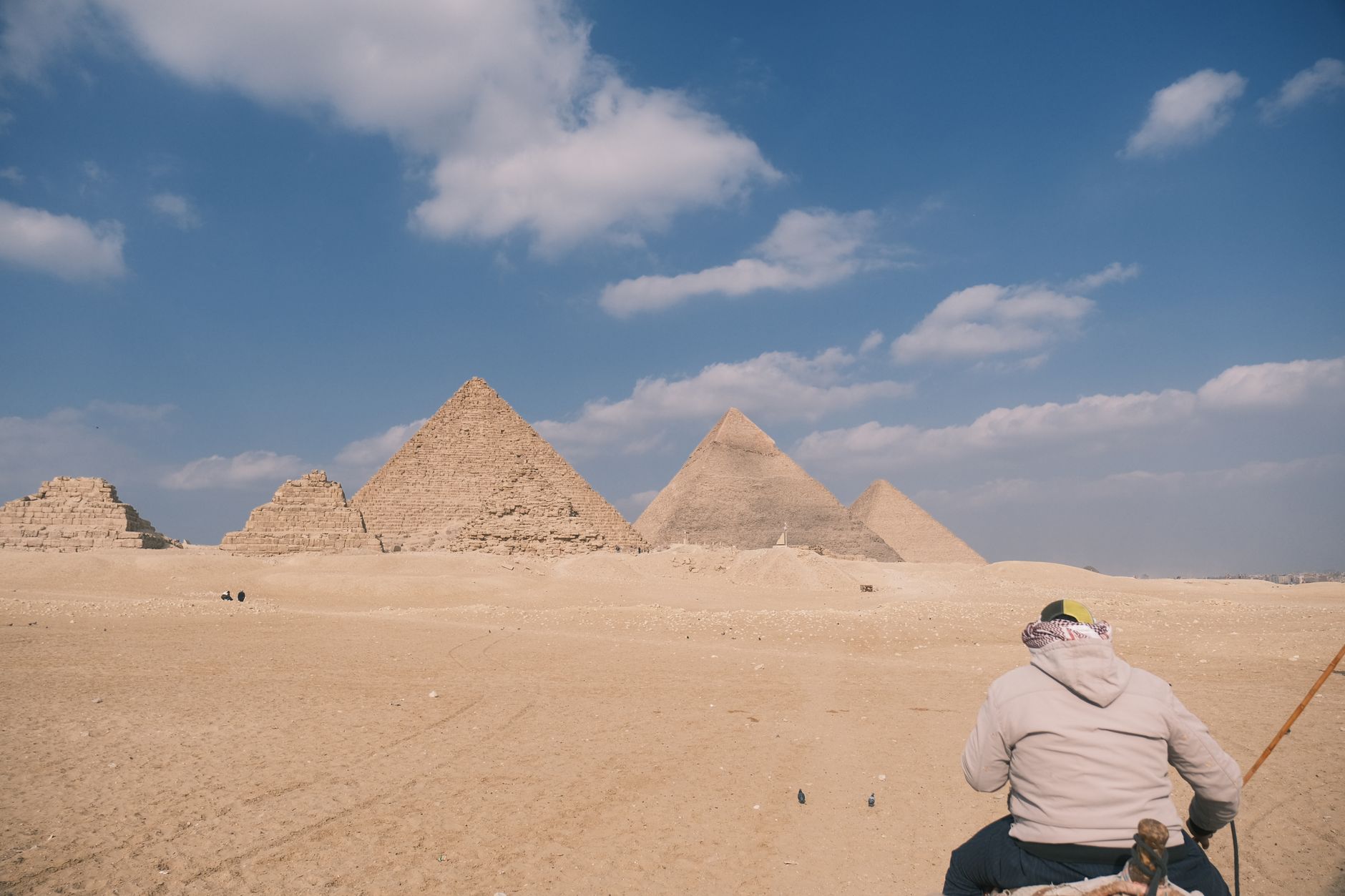
Whatever format you choose, the Giza part of the day follows a familiar shape, and knowing it helps you judge whether a guide is doing a good job. A well-run morning starts as close to opening time as the operator can manage, before the coaches and the midday heat arrive. Most guides begin at the Great Pyramid, where the scale is best appreciated from its base, with time to look at the blocks and the open boat pits along its side. From there the route usually passes the Pyramid of Khafre, with its cap of original casing stones still in place near the summit, and the smaller Pyramid of Menkaure with its queens’ pyramids beside it.
Next comes the viewpoint on the desert side of the plateau, where all the pyramids line up for the classic photograph. This is also where the camel and horse touts are most persistent, so it is where a good guide earns their fee by keeping things moving. The morning ends at the Sphinx and the Valley Temple of Khafre beside it, with its massive granite pillars. A guide who explains how the Sphinx, the Valley Temple and Khafre’s pyramid fit together as one complex is a guide worth tipping well.
What a good guide will not do: rush the Sphinx to make time for a papyrus shop, insist on a camel ride, or spend the morning on a script you could have read online. If you want longer anywhere, say so. On a private tour, the time is yours. Our complete guide to visiting the Giza pyramids covers every stop in detail if you want to arrive knowing what you are looking at.
The half-day Giza tour
The simplest product: pickup from your hotel, the three great pyramids, a panoramic viewpoint, the Sphinx and the Valley Temple beside it, and back by early afternoon. Four hours is enough to see the plateau properly without rushing, and it leaves you fresh for something else in the afternoon, or for the Grand Egyptian Museum’s late opening on a Wednesday or Saturday.
What the operators in this guide charge
| Operator and tour | Solo | Two people (each) | Four people (each) | Notable inclusions and exclusions |
|---|---|---|---|---|
| Cairo Private Tours — Giza Pyramids and Sphinx Half-Day Tour | USD 75 | USD 45 | USD 45 | Car, pickup, Egyptologist, entrance fees to the main sights, water; excludes the Great Pyramid interior and tips |
| Cairo Top Tours — Half-Day Trip to Giza Pyramids and Sphinx | USD 95 | USD 65 | USD 50 | Camel ride offered as an optional extra |
| Egypt Tours Plus — Giza Pyramids Half Day Tour from Cairo | USD 139 | USD 83 | USD 58 | Transport, guide, entrance fees, water; excludes tips |
| Pyramids Day Tour — Giza Pyramids Half-Day Private Tour | USD 45 (single price shown) | Pickup, plateau entry, car, English-speaking Egyptologist; excludes pyramid interiors, the Solar Boat Museum ticket, camel ride and tips | ||
What is left after the tickets
Here is the interesting sum. Plateau entry for a foreign adult is about USD 13. A half-day private tour at USD 45 a head for two people therefore spends roughly USD 13 of each person’s money on the ticket and leaves about USD 32 each for the car, the driver, the guide and the operator’s margin. That is a fair, workable price in Cairo, and it explains why tours much cheaper than this tend to recover their costs elsewhere — through shopping stops, camel commissions or an “optional” extra that turns out not to be optional.
Our verdict
At the operators in this guide, the half-day tour is the cheapest way to see the pyramids with a private guide, and a good one for most visitors to start with. It pairs well with a separate day at Saqqara and Dahshur, or with an afternoon at the Grand Egyptian Museum on your own ticket. Its weakness is that, by itself, it leaves out the older pyramids at Saqqara and Dahshur, which many visitors find just as impressive.
Giza and the Grand Egyptian Museum in one day
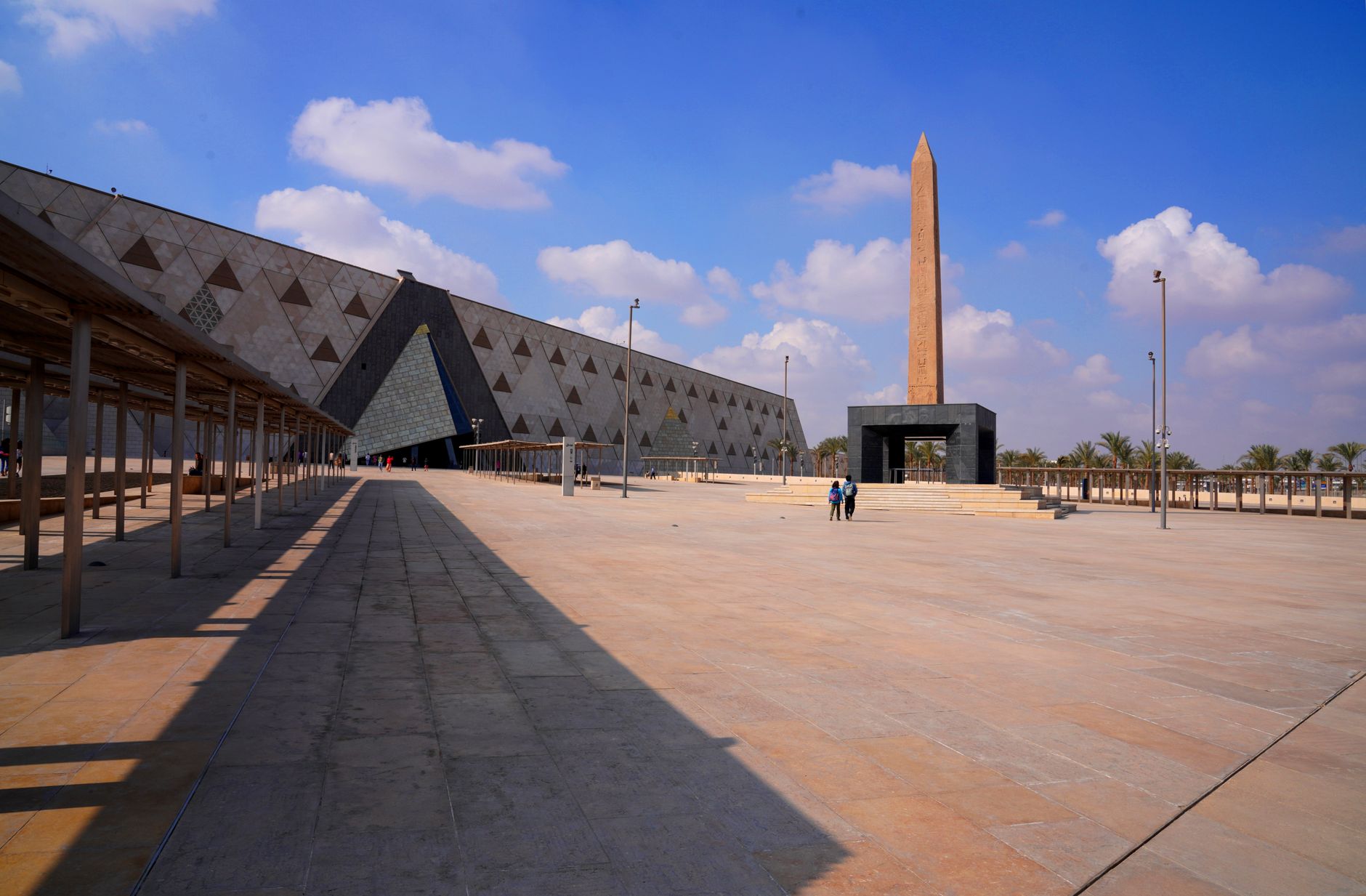
The combination that the Grand Egyptian Museum’s opening made inevitable: the pyramids in the morning, lunch, then the museum and the Tutankhamun galleries in the afternoon. The two sites are close together, so the day involves very little driving, and you come out of it having seen the two headline sights of a first visit.
| Operator and tour | Solo | Two people (each) | Four people (each) | Notes |
|---|---|---|---|---|
| Cairo Top Tours — VIP Private Tour to Giza Pyramids and Grand Egyptian Museum | USD 210 | USD 140 | USD 125 | About 8 hours; lunch in the itinerary |
| Memphis Tours — Tour to Pyramids and the Grand Egyptian Museum | USD 352 | USD 246 | USD 206 | About 8 hours; private car, pickup, Egyptologist, entrance fees to the sites mentioned, lunch, water |
Two things to check before you book this format. First, the museum’s board has approved a USD 5 rise in foreign-visitor ticket prices from 1 November 2026, so check the current price on tickets.gem.eg. Second, how the operator is buying your museum tickets: the museum’s official portal, tickets.gem.eg, describes itself as the only official seller, and tickets are timed and non-refundable except in cases of force majeure. A reputable operator will book through the portal and tell you your entry slot.
The galleries are open from 09:00 to 18:00 on Sundays, Mondays, Tuesdays, Thursdays and Fridays, and until 21:00 on Wednesdays and Saturdays, with last entry an hour before closing. A Wednesday or Saturday makes this day noticeably less rushed.
Our verdict
Excellent for a short first trip, but a long day. The museum deserves three hours at the very least, and after a morning on the plateau many people flag in the afternoon. If you have time, splitting the two across separate days, or doing the museum independently on its late opening, is kinder. Our itinerary for the Grand Egyptian Museum and the pyramids in one day shows how to pace it if you do combine them.
Giza and Saqqara: the classic pyramids day
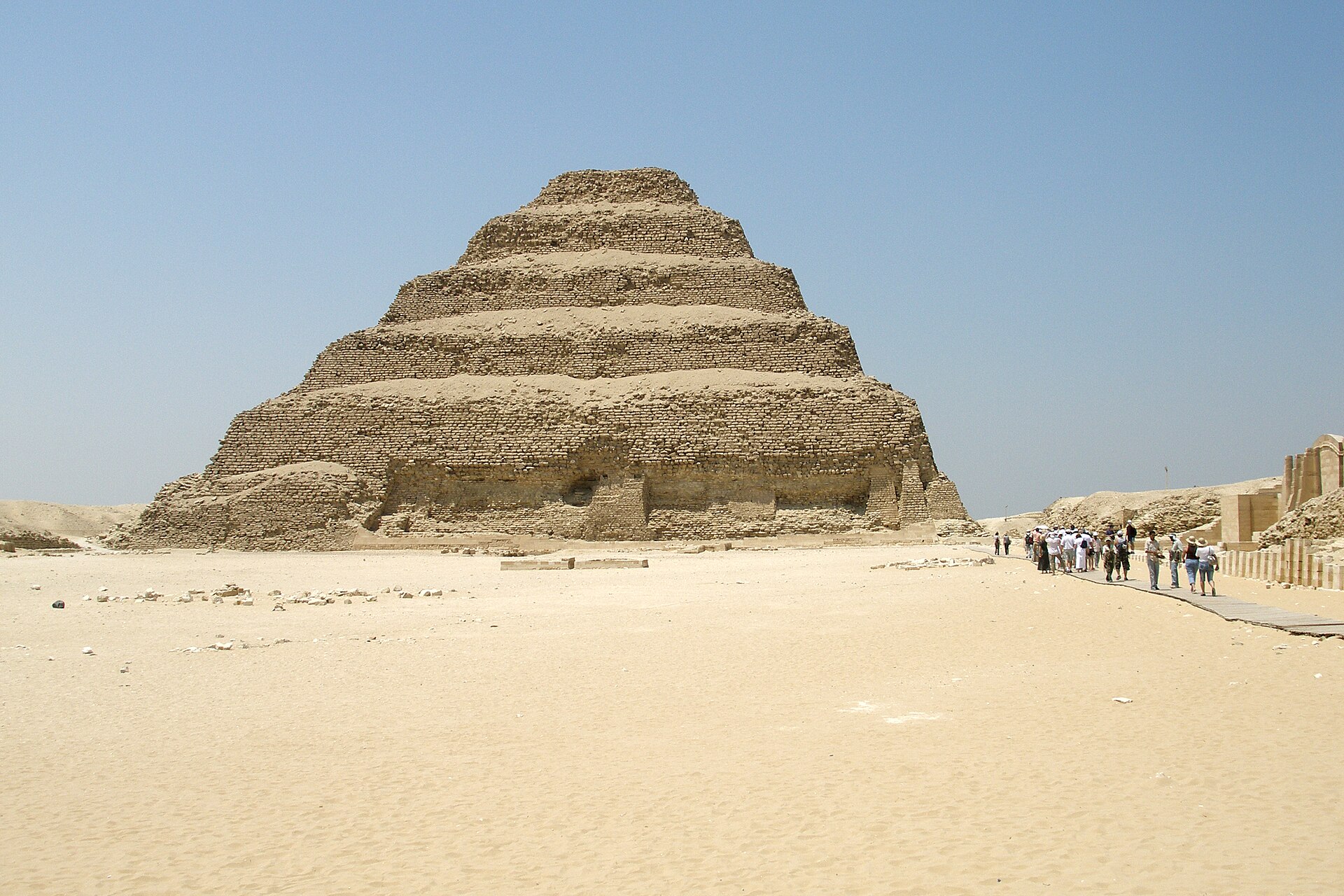
This is the day that shows you the whole story. Saqqara’s Step Pyramid of Djoser is the earliest of Egypt’s pyramids, a landmark in stone building, and the tombs around it hold some of the finest relief carving of the Old Kingdom. Giza, a short drive north, is where the idea reached its peak. Seeing them on the same day makes sense of both.
| Operator and tour | Solo | Two people (each) | Four people (each) | Notes |
|---|---|---|---|---|
| Memphis Tours — Giza Pyramids and Sakkara Tour | USD 307 | USD 202 | USD 156 | About 8 hours, daily; private car, pickup, Egyptologist, entrance fees to the sites mentioned, lunch, water and taxes; USD 10 per person extra for pickups from Heliopolis or 6th of October; prices valid to 30 April 2027 |
Price this one against the tickets and it holds up. Plateau entry is EGP 700 and Saqqara site entry EGP 600, together about USD 25 a head before any extra tombs, so a quote that includes entry fees, lunch and an Egyptologist for a full day is not padded. If you want to see more of Saqqara’s tombs, the ministry’s inclusive Saqqara ticket at EGP 1,400 (about USD 26) adds the Imhotep Museum, the Nobles’ and New Kingdom tombs, Mereruka and Mehu; ask the operator whether their “entrance fees” means site entry or the inclusive ticket.
Our verdict
If you only have one day for pyramids, this is the one to choose. It costs more than the half-day tour because it is a full day with lunch, a guide and more tickets, and every extra hour is spent on something worth seeing. The best guides will steer you into two or three of Saqqara’s decorated tombs rather than just the Step Pyramid itself; ask for that when you book. Our Saqqara day trip guide explains what to prioritise there.
Saqqara, Dahshur and Memphis: the second pyramids day
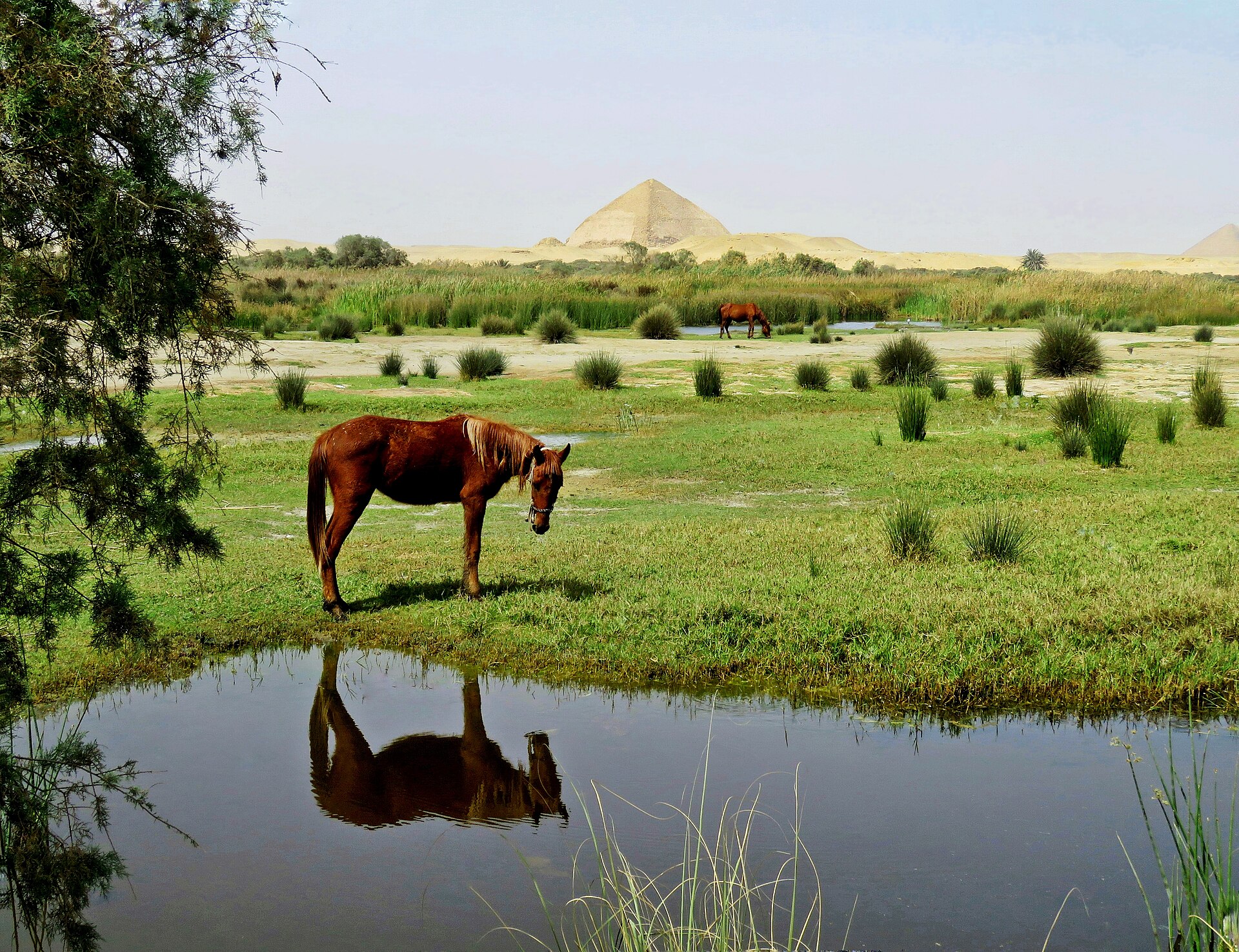
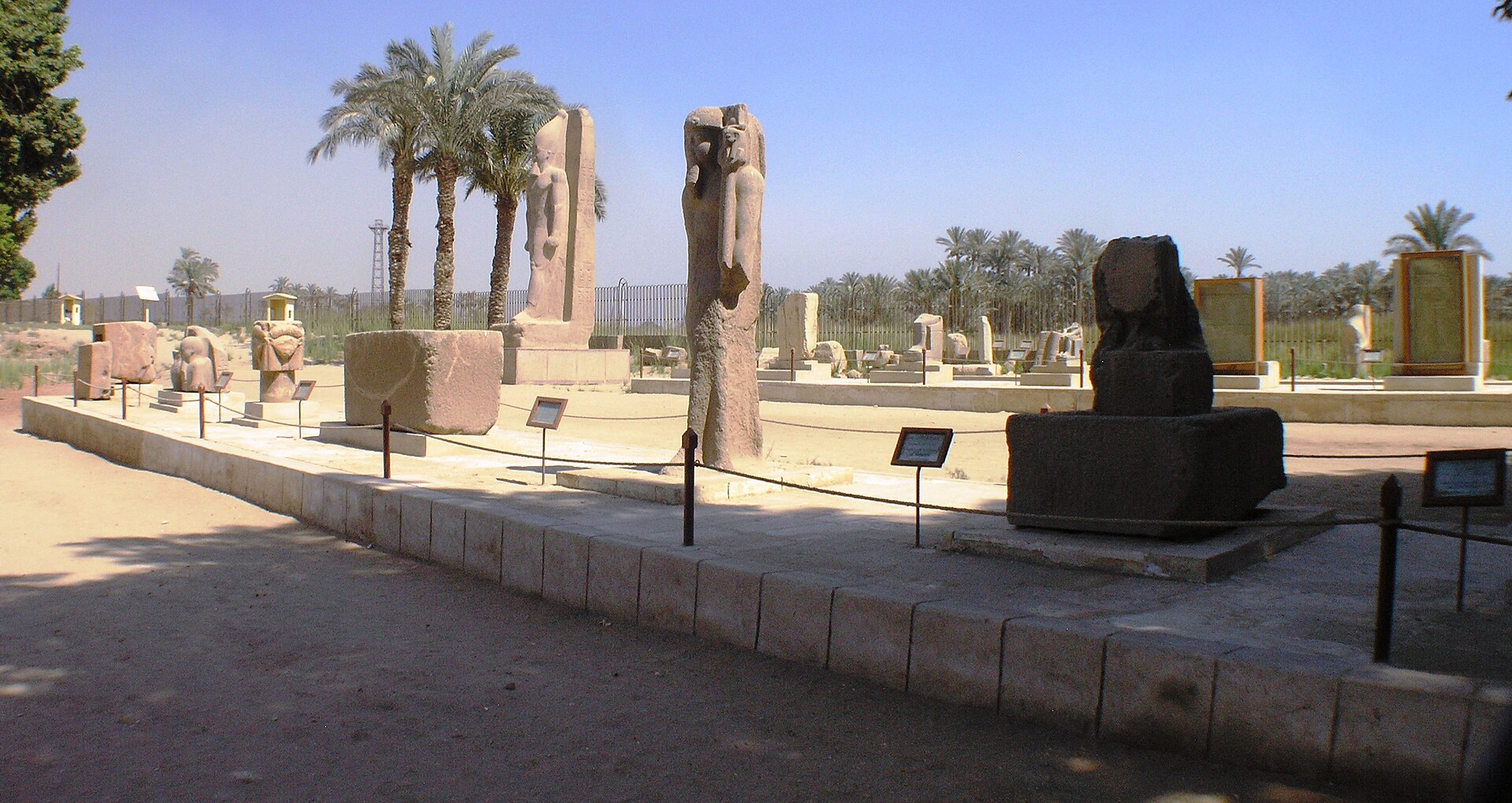
The quieter, deeper day: Saqqara, then south to Dahshur for the Bent Pyramid and the Red Pyramid, and Memphis, the ancient capital, now an open-air museum built around a colossal statue of Ramesses II. Dahshur is the revelation for most people. It is far quieter than Giza, the Red Pyramid can usually be entered, and the Bent Pyramid’s change of angle halfway up is the clearest lesson in pyramid engineering you will ever see.
| Operator and tour | Solo | Two to four people (each) | Five to eight people (each) | Notes |
|---|---|---|---|---|
| Cairo Private Tours — Dahshur, Memphis and Saqqara Private Day Tour | USD 100 | USD 70 | USD 65 | About 8 hours; van, pickup, guide, entrance fees to the sites mentioned, water and snacks; no lunch listed; tips excluded |
Dahshur’s site ticket is EGP 200 (about USD 4) for a foreign adult, and the site is open from 08:00 to 17:00. The Memphis open-air museum has its own ticket; check its price on egymonuments.gov.eg. Note that the operator’s listing above does not include lunch, so pack food or ask where you will stop.
Our verdict
For anyone with a second day, this is the most rewarding pyramids trip from Cairo, and on the operator prices above it costs well under the Giza-and-Saqqara day. It works especially well paired with a half-day Giza tour on another day, which together cost less at the operators in this guide than many single “everything in one day” packages and leave you far less tired. More on each site is in our guides to Dahshur’s Bent and Red pyramids and Memphis, the ancient capital.
The “everything in one day” package
Some listings promise Giza, the Sphinx, Saqqara, Dahshur and Memphis, sometimes with a museum thrown in, all in one day. It can be done, in the sense that a car can visit all of those places between breakfast and dusk. It is rarely a good idea. Each site gets an hour or less, the middle of the day is spent in traffic and at lunch, and by Dahshur most people are too tired to climb into the Red Pyramid. The Old Kingdom deserves better than that.
Look at the arithmetic instead. A half-day Giza tour plus a full Saqqara–Dahshur–Memphis day, at the operators in this guide, can cost about the same as or less than one marathon day, and you see everything properly. If you only have one day, choose Giza and Saqqara and leave Dahshur for next time.
Add-ons and extras: what to accept, what to decline
- The Great Pyramid interior. Optional, extra and limited in number. Worth it if you are curious and comfortable in a steep, narrow, hot passage; skip it if not. Ask whether the tour will buy the ticket for you, and at what price. Our guide to going inside the Great Pyramid helps you decide.
- Camel or horse rides. Often offered as an optional extra on Giza tours. Agree the price, length and route before you get on, or book it as part of the tour at a fixed price. Our Giza camel ride guide covers fair practice.
- Lunch. Included on most full-day tours, not on half-days. A “local restaurant” on the pyramids circuit is often a large tourist restaurant; it is usually fine, but it is not a culinary highlight.
- Shopping stops. Papyrus, perfume, alabaster and carpet shops pay commissions. Ask for a tour with no shopping stops in writing, or decline politely and stay in the car.
- The Sound and Light show. Temporarily suspended, according to its official site. Do not pay for it as part of a package until it is back.
Private, small group or coach?
All the prices above are for private tours, where the car and guide are yours alone. Look at how the per-person price falls as the group grows: Memphis Tours’ Giza and Saqqara day drops from USD 307 for a solo traveller to USD 202 each for two and USD 156 each for four. For couples, families and small groups of friends, sharing a private tour brings the per-person price down, and you keep the flexibility.
Shared group tours put you in a minivan or coach with other travellers, usually at a lower per-person price for solo travellers and couples. They suit people who like company and do not mind fixed timings and a slower pace. Large coach tours are usually cheaper still and less flexible. The choice between private and shared tours is the biggest decision after the format itself, and it depends on group size, budget and how much flexibility you want.
How to choose: a quick decision guide
- One day, first visit, want the highlights: Giza and Saqqara, private, with an Egyptologist.
- One day, mostly about Tutankhamun: Giza in the morning, the Grand Egyptian Museum in the afternoon — ideally on a Wednesday or Saturday.
- Two days: a half-day Giza tour on one day, the Saqqara–Dahshur–Memphis day on the other, and the museum on your own ticket.
- A layover: a half-day Giza tour designed for transit passengers, only if your connection is long enough. Our layover tours guide explains how long you really need.
- A tight budget: a half-day private tour shared between two or more people is often the cheapest way to see Giza with a guide; on your own, buy your own ticket and take a ride-hailing car.
- Travelling with children: half-days, private cars and the earliest possible start.
Questions to send the operator before you pay
A two-minute message before you book saves most of the surprises. Copy these, adjust them and send them to any operator on your shortlist:
- Which entry tickets are included: Giza plateau only, or also the Great Pyramid interior, the Solar Boat Museum or Saqqara’s inclusive ticket?
- Is the tour private, and is the guide a licensed Egyptologist? What is the guide’s name?
- Where exactly will we be dropped at the plateau, and how will we get between the sites inside it?
- What time is pickup from our hotel, and is there a supplement for our area?
- Is lunch included, and where?
- Are there any shopping stops? We would like none.
- What are your cancellation terms, and how are refunds paid?
- How do we pay, and in which currency?
The replies tell you as much as the answers. An operator who answers all eight clearly and quickly is usually one who runs a tidy day. One who replies “everything is included, don’t worry” without specifics is telling you to worry.
When to go, and when to book
The pyramids are at their best in the cooler months, roughly from late autumn to early spring, when a full day on the plateau and at Saqqara is pleasant rather than punishing. That is also when tours are busiest, so book private tours a few weeks ahead in those months, and the Grand Egyptian Museum as soon as your dates are fixed. In summer, choose a half-day with the earliest start the operator offers, carry more water than seems sensible, and leave Saqqara and Dahshur, which have far less shade than Giza, for a cooler trip if you can. Our guide to the best time to visit the pyramids goes into the seasons and the crowds in more detail.
Red flags in a pyramids tour listing
- A price below the ticket floor. If a “private tour with all entrance fees” costs less than the tickets it lists, the money is being made on the day.
- “Pyramids entry” with no detail. Plateau entry, the Great Pyramid interior and the Solar Boat Museum are all different tickets. Ask which are included.
- No guide named, or “English-speaking driver”. A driver is not an Egyptologist. Ask for a licensed guide.
- The Sound and Light show included as standard. The show is suspended, according to its official site.
- A free camel ride. There is rarely such a thing. “Free” rides tend to end in a fee to get down.
- Vague pickup areas. Some operators charge extra for hotels outside their usual zone; Memphis Tours, for example, adds USD 10 per person for pickups from Heliopolis or 6th of October. Check before you book.
Frequently asked questions
How much does a pyramids tour from Cairo cost?
At the operators in this guide, a private half-day Giza tour costs USD 45–83 per person for two travellers, a full day at Giza and the Grand Egyptian Museum USD 140–246, and a full Giza and Saqqara day USD 202, with prices falling per person for larger groups. Check what is included: entry tickets alone are EGP 700 (about USD 13) per foreign adult at Giza.
Is a half-day pyramids tour enough?
For Giza alone, yes. Four hours covers the three pyramids, a viewpoint and the Sphinx. It does not include Saqqara or Dahshur, which deserve their own day.
Do pyramids tours include entry tickets?
Many of the operators in this guide include plateau entry or “entrance fees to the sites mentioned”, but almost all exclude the Great Pyramid interior. Always read the included and excluded lists.
Can I do Giza and the Grand Egyptian Museum in one day?
Yes, and many tours offer it, but it is a long day. Allow at least three hours for the museum, and pick a Wednesday or Saturday, when the galleries stay open until 21:00.
Is the Sound and Light show at the pyramids running?
Its official site says the shows at the pyramids are temporarily suspended due to development works. Check soundandlight.show for when they resume.
Is Dahshur worth adding?
Yes, if you have a second day. It is quieter than Giza, the Bent Pyramid is unique, and the entry ticket is EGP 200 for a foreign adult.
Private or group tour for the pyramids?
Shared group tours are cheaper per person, and the gap narrows as a private group grows. Solo travellers on a tight budget save most with a shared group.
Related Cairo Guides
- Giza Pyramid Complex Map and Layout
- The Pyramids of Giza with Kids
- Cairo Hotels Near the Pyramids
- Day Trips from Cairo
Photo Credits
The Bent Pyramid seen from the lake at Dahshur: photo by Cherif hegazy, via Wikimedia Commons (CC BY-SA 4.0).
The open-air museum at Memphis: photo by Daniel Mayer, via Wikimedia Commons (CC BY-SA 4.0).
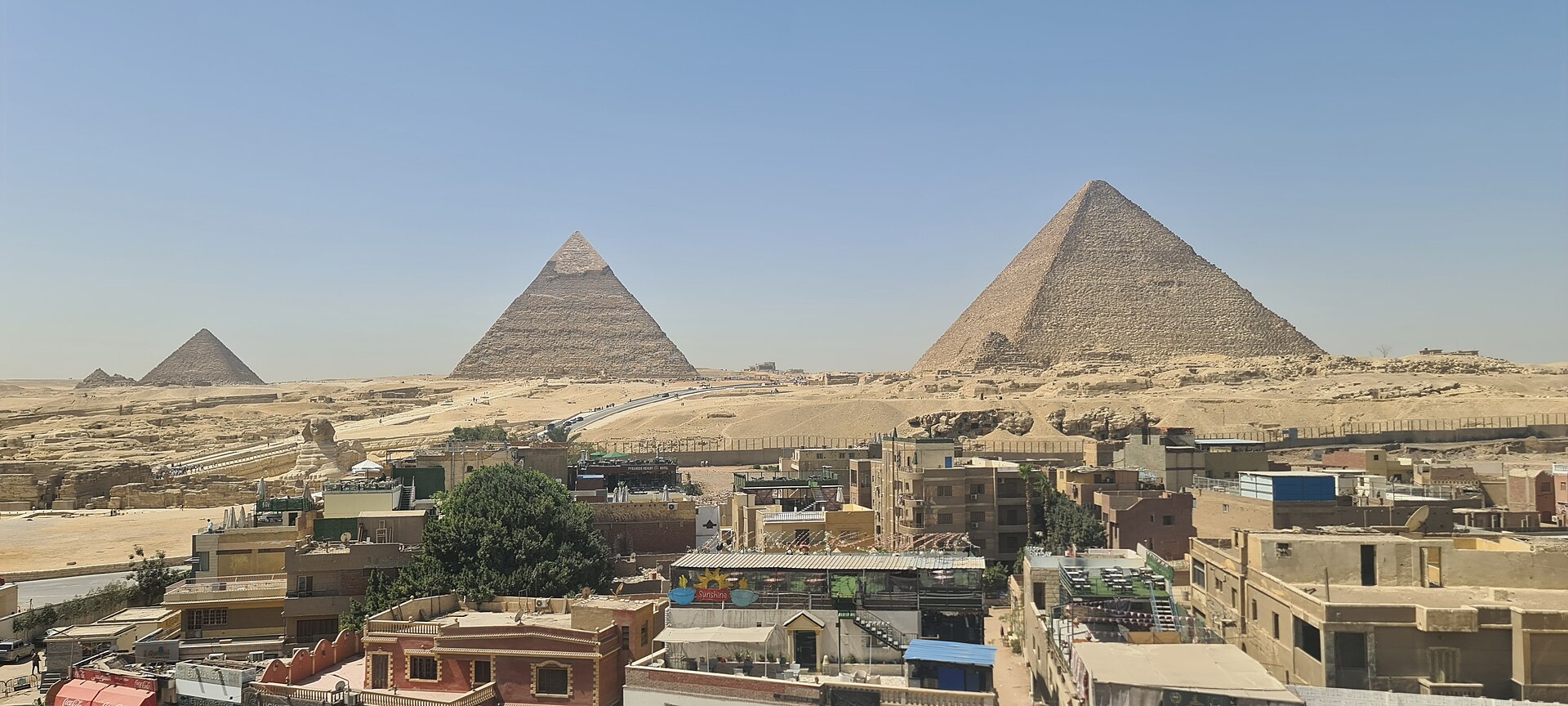
The pyramids and the Sphinx above the rooftops of Nazlet el-Samman: photo by Caoimheen3, via Wikimedia Commons (CC BY-SA 4.0).