This article contains advertising. Our booking links are routed through a partner that adds commission tracking automatically, so if you book through one we earn a commission from the provider, at no extra cost to you. It never affects what we recommend. Affiliate disclosure
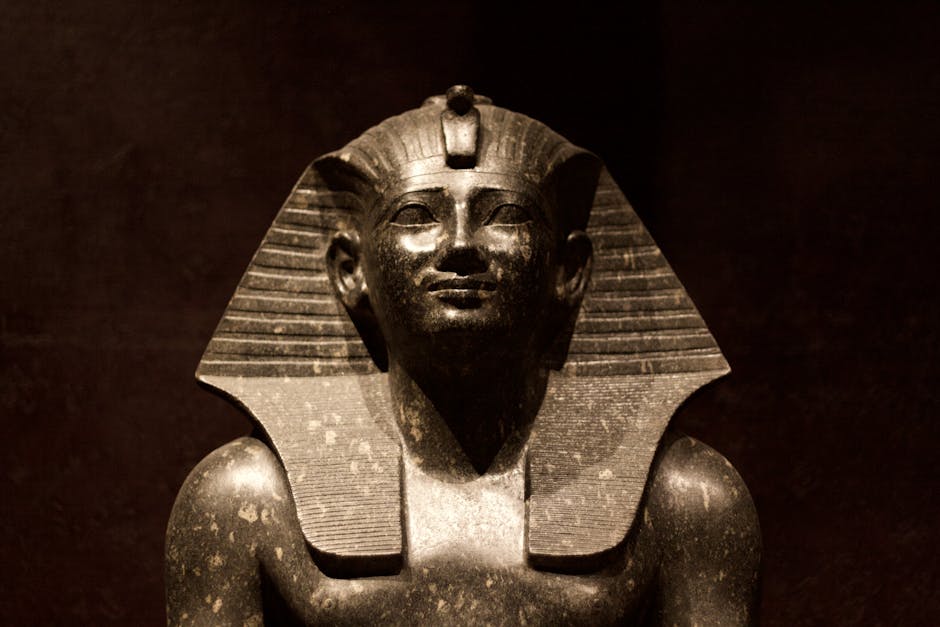
Memphis ancient capital day trip from Cairo takes you to the founding capital of unified Egypt — established around 3100 BCE by Pharaoh Narmer and serving as Egypt’s primary city for over 1,000 years before Thebes (Luxor) eclipsed it. Today Memphis is an open-air museum 30 km south of Cairo containing the famous colossal statue of Ramses II (10.3 meters / 33 feet tall, carved from a single piece of limestone), an alabaster Sphinx (the second largest after Giza), and ruins of temples and palaces from one of antiquity’s greatest cities. Visit Memphis combined with Saqqara and Dahshur for the complete “alternative pyramids” day trip from Cairo.
Planning a Memphis ancient capital day trip for 2026 means working out what actually survives at the site, how to reach it, what tickets cost, and how the visit pairs with Saqqara, and every one of those is covered below. Slot it into our full rundown of excursions beyond the city, read alongside the step pyramid and its funerary complex and the background story behind the Giza monuments.
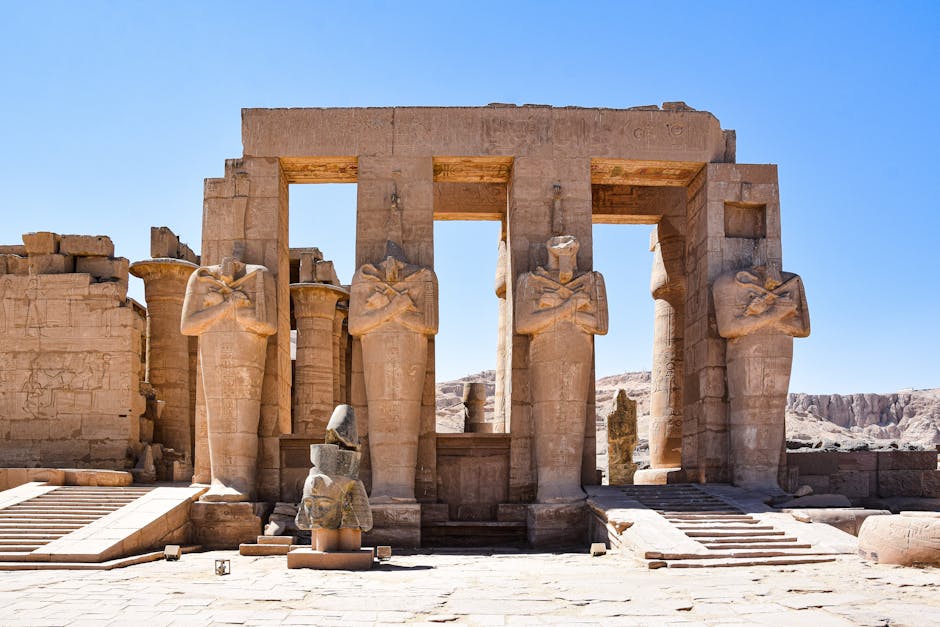
What Is Ancient Memphis?
Memphis (ancient Egyptian “Inebu-hedj” — “White Walls”) was the capital of unified Egypt for the first 1,000+ years of pharaonic history. Founded around 3100 BCE by Pharaoh Narmer (Menes), it served as: The Memphis ancient capital experience continues to be a meaningful part of any Cairo itinerary.
- Egypt’s first unified capital
- Primary administrative center for ~1,000 years
- Religious center of Ptah, the creator god
- Major commercial port on the Nile
- Center of craftsmanship and metalworking
- Population peak: 30,000+ during Old Kingdom
The city was largely abandoned after Alexandria became Egypt’s capital in 332 BCE. Today only fragments remain visible at the Memphis Open-Air Museum. The Memphis ancient capital experience continues to be a meaningful part of any Cairo itinerary.
Memphis Museum Tickets and Hours
| Visitor | Price |
|---|---|
| Foreign Adult | ~80 EGP (~$3) |
| Student (ISIC) | ~40 EGP |
| Child under 6 | Free |
Hours: 8 AM – 5 PM (winter), 8 AM – 6 PM (summer).
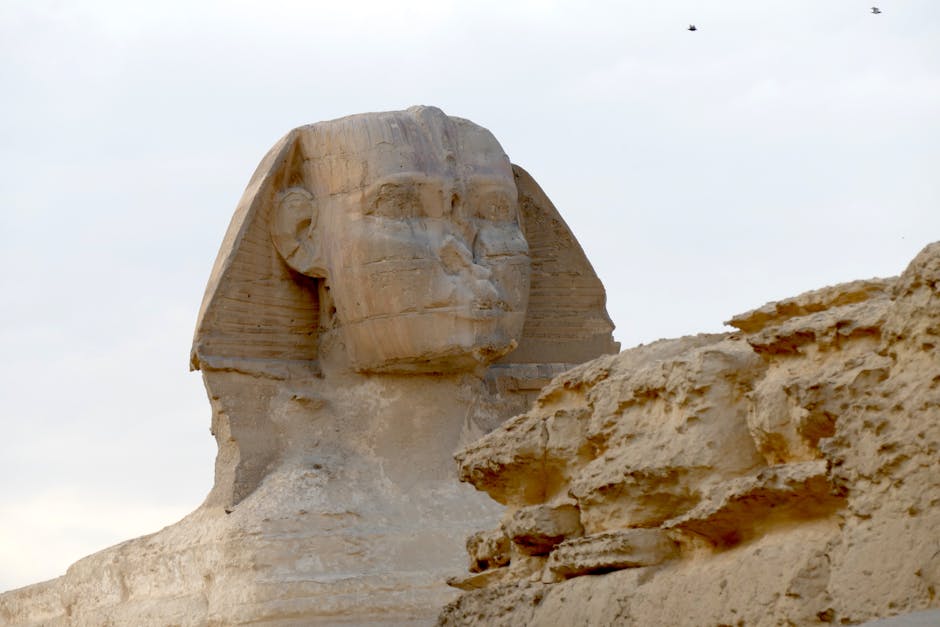
What to See at Memphis
1. The Colossus of Ramses II
The crown jewel of the museum. A massive (10.3 m / 33 ft tall) limestone statue of Ramses II, now lying on its back in a covered pavilion. Carved around 1250 BCE from a single piece of limestone. The Memphis ancient capital experience continues to be a meaningful part of any Cairo itinerary.
2. The Alabaster Sphinx
The second-largest alabaster sphinx in the world, dating from 1300 BCE (Amenhotep II). About 8 meters long and 4 meters tall. The Memphis ancient capital experience continues to be a meaningful part of any Cairo itinerary.
3. Embalming Tables
Massive calcite slabs used in mummification rituals for sacred Apis bulls.
4. Temple of Ptah Ruins
Foundations and column fragments from one of ancient Egypt’s most important temples.
5. Statues and Relief Fragments
Various pharaonic statues and reliefs from the surrounding archaeology.
6. Small Open-Air Sculpture Garden
Statuary scattered around the site.
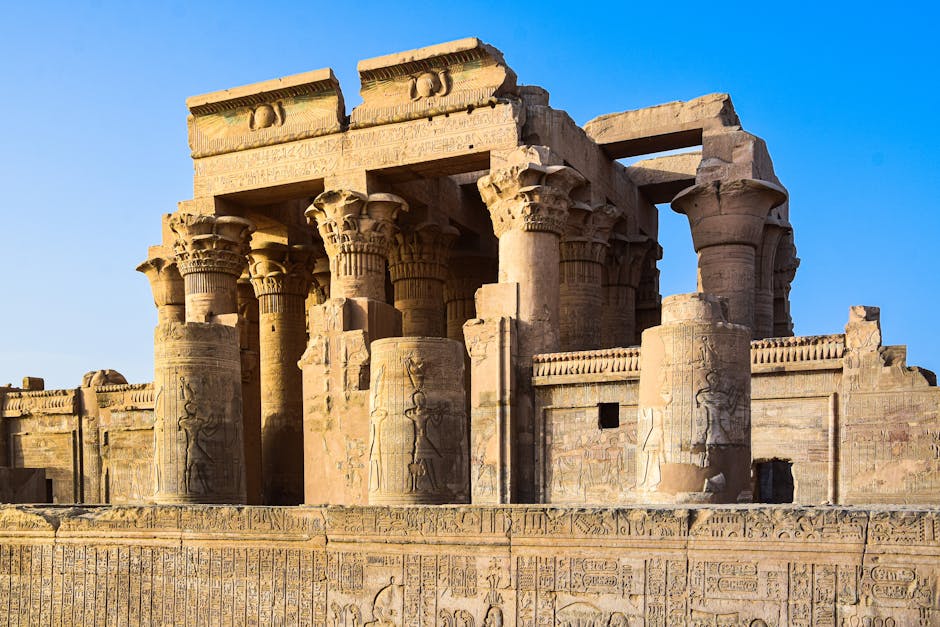
The colossus and the alabaster sphinx survived in place largely because they were too heavy to move; almost everything portable went north into Cairo, and the Tahrir museum’s Old Kingdom collection is where you meet the statuary, jewellery and grave goods that once belonged to this city.
How Long to Spend at Memphis
- Quick visit: 30–45 minutes
- Thorough: 1 hour
- With guide: 1.5 hours including context
Memphis is small compared to Saqqara — most visitors combine it with the larger archaeological sites nearby. The Memphis ancient capital experience continues to be a meaningful part of any Cairo itinerary.
How to Get to Memphis from Cairo
- Location: 30 km south of Cairo, near village of Mit Rahina
- By private tour: Standard — included in most Saqqara/Dahshur day trips
- By taxi: Negotiate round trip — £E 400–600
- By Uber/Careem: Available, but harder for return
- Travel time: 45 minutes from central Cairo
The return leg is the recurring problem with ride-hailing this far out of town, and the same logic applies closer in, where our notes on getting out to the Giza plateau explain when a waiting taxi beats an app you cannot count on for the trip back.
The Classic Saqqara-Memphis-Dahshur Day Trip
Memphis works best as part of a 3-site day trip:
- 9:00 AM: Depart Cairo
- 9:45 AM: Arrive at Memphis
- 10:45 AM: Depart for Saqqara (15 min drive)
- 11:00 AM: Arrive at Saqqara
- 2:00 PM: Lunch nearby
- 3:00 PM: Depart for Dahshur (20 min drive)
- 3:30 PM: Arrive at Dahshur
- 5:00 PM: Depart for Cairo
- 5:45 PM: Return to Cairo
Total day: 8–9 hours including travel.
That 3:30 arrival leaves ninety minutes for two pyramids, which is enough only if you have already decided which interior to enter; the Bent and Red Pyramids are very different climbs, and the comparison is worth reading on the drive down.
Why Visit Memphis?
- The Ramses II colossus is genuinely impressive
- Foundation of Egyptian civilization — 5,000+ years of history
- Small and manageable for short visits
- Great for understanding pharaonic Egypt’s geographic context
- Combines easily with Saqqara
- Quieter than Giza
- Surprising amount of original material
Memphis vs Karnak (Luxor)
Memphis was Egypt’s earlier capital; Karnak was the religious center of Thebes (later capital): The Memphis ancient capital experience continues to be a meaningful part of any Cairo itinerary.
| Aspect | Memphis | Karnak |
|---|---|---|
| Era | Old Kingdom | Middle/New Kingdom |
| Location | Cairo area | Luxor (700 km south) |
| Preserved size | Small museum | Massive temple complex |
| Key feature | Ramses Colossus | Hypostyle Hall |
Practical Tips for Memphis Visit
- Combine with Saqqara — not worth long trip alone
- Hire a guide for historical context
- Bring water and sun protection
- Closed-toe shoes (uneven ground)
- Allow 30–60 minutes
- Photography permitted
- Restrooms basic
- Small cafe nearby for lunch
Memphis Day Trip from Cairo FAQ
What is Memphis Egypt?
Ancient Egypt’s first unified capital, founded ~3100 BCE by Pharaoh Narmer.
How old is Memphis?
Founded around 3100 BCE — over 5,000 years old.
What’s the main attraction at Memphis?
The Colossus of Ramses II — a 10.3-meter (33 ft) limestone statue lying on its back in a covered pavilion. The Memphis ancient capital experience continues to be a meaningful part of any Cairo itinerary.
How far is Memphis from Cairo?
30 km south, ~45 minute drive.
How much do tickets cost?
~80 EGP (~$3) for foreign adults.
How long should I spend at Memphis?
30–60 minutes is sufficient.
Should I combine with Saqqara?
Yes — Memphis alone isn’t worth a long trip; combined with Saqqara/Dahshur makes a perfect day. The Memphis ancient capital experience continues to be a meaningful part of any Cairo itinerary.
What’s the second largest sphinx?
The alabaster sphinx at Memphis — after Giza’s Great Sphinx.
Is Memphis a pyramid site?
No — Memphis was the city; pyramids are at Saqqara/Dahshur/Giza nearby.
Why did Memphis decline?
Alexandria became Egypt’s capital after Alexander the Great’s conquest (332 BCE).
Can I see Memphis ruins beyond the museum?
Limited — most of ancient Memphis is buried beneath modern villages.
Are there guides at the site?
Yes — licensed guides available at entrance.
Is Memphis kid-friendly?
Yes — short visit, impressive colossus, manageable for kids.
Is it crowded?
Less than Giza but moderately busy with tour groups.
Best time to visit Memphis?
October-April mornings; combine with full Saqqara/Dahshur day.
Pulling It Together
The Memphis ancient capital day trip works best as part of the classic Memphis-Saqqara-Dahshur combination day — the colossal Ramses II statue and alabaster sphinx are genuinely impressive, but Memphis itself is small. Allow 45–60 minutes, hire a guide for context, and use the visit to understand Egypt’s first capital before exploring its surrounding necropolis at Saqqara. This is essential history for anyone who wants to understand the foundation of pharaonic civilization — and a perfect complement to the more famous monuments at Giza.
Memphis rewards half a day at most, which leaves the rest of your time free for longer runs out of the city: waterfalls and whale fossils southwest of Cairo, desert monasteries still in daily use, or a night camped among the chalk formations.