This article contains advertising. Our booking links are routed through a partner that adds commission tracking automatically, so if you book through one we earn a commission from the provider, at no extra cost to you. It never affects what we recommend. Affiliate disclosure
Here is the thing nobody tells you before you land: Egypt is one of the easiest places on earth to eat plant-based, and it has nothing to do with a trendy vegan scene. It is just how the country has eaten for centuries. Vegetarian food in Cairo is mostly hiding in plain sight, in the cheapest, most beloved national dishes — koshari, ful, taameya, mezze. You will eat well, eat cheaply, and rarely have to explain yourself.
I have travelled with vegetarians and one stubborn vegan through Cairo, and the running joke by day three was that they were eating better than the meat-eaters. The challenge is not finding plant food. It is dodging the few sneaky animal fats that turn an “obviously vegan” dish into a not-quite one. This guide covers the dishes worth your appetite, the dedicated spots, the exact Arabic to use, and the traps to watch. For the bigger picture on what Cairo eats, start with our Cairo Egyptian food guide.
Why eating vegetarian in Cairo is genuinely easy
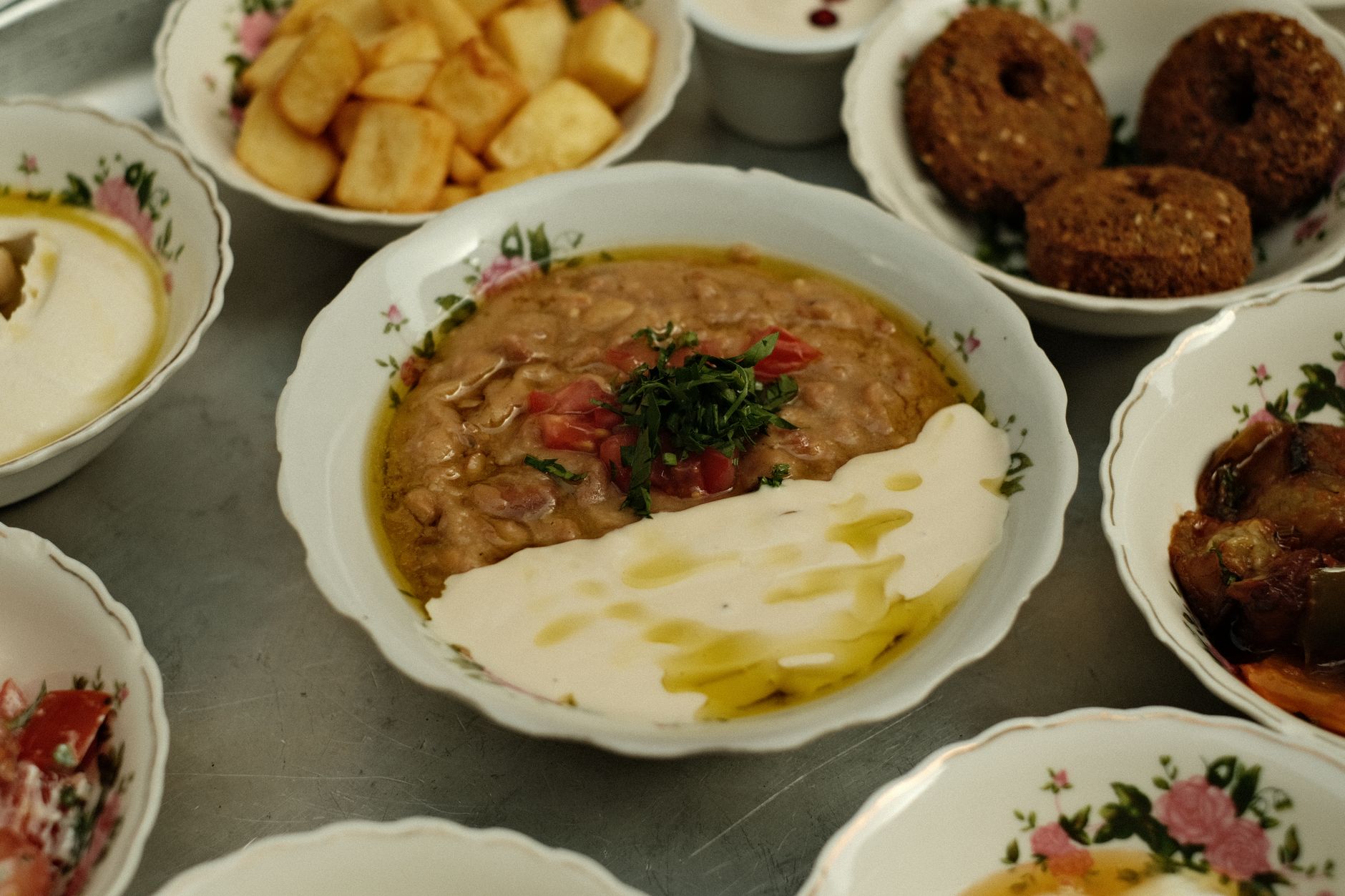
Two forces did the work long before “plant-based” was a marketing phrase. First, money: lentils, fava beans, and chickpeas have fed this country cheaply for generations, so the everyday diet leans hard on them. Second, religion. Egypt’s Coptic Christian community fasts for a large chunk of the year — well over 200 days across Lent, Advent and other periods — and that fast is essentially vegan, no meat, no dairy, no eggs. Cooks across the city know how to make a satisfying meal with none of those things, because they have always had to.
The practical upshot: a standard Egyptian breakfast or cheap lunch is often vegan by accident. Bread, beans, a dip, a salad, some pickles. You do not need to find a special restaurant. You need to know which of the normal dishes are safe and how to ask the one or two questions that matter. If you happen to visit during Coptic Lent (it shifts each year, usually spring), even more menus tilt plant-forward.
The Coptic fasting calendar is only half of it, because the Muslim one reshapes the table too, and the month when the whole city eats after dark has a food culture entirely of its own.
The naturally vegan Egyptian dishes worth ordering
These are the dishes I would actually send you to eat, not an exhaustive list. Most cost a few dollars or less.
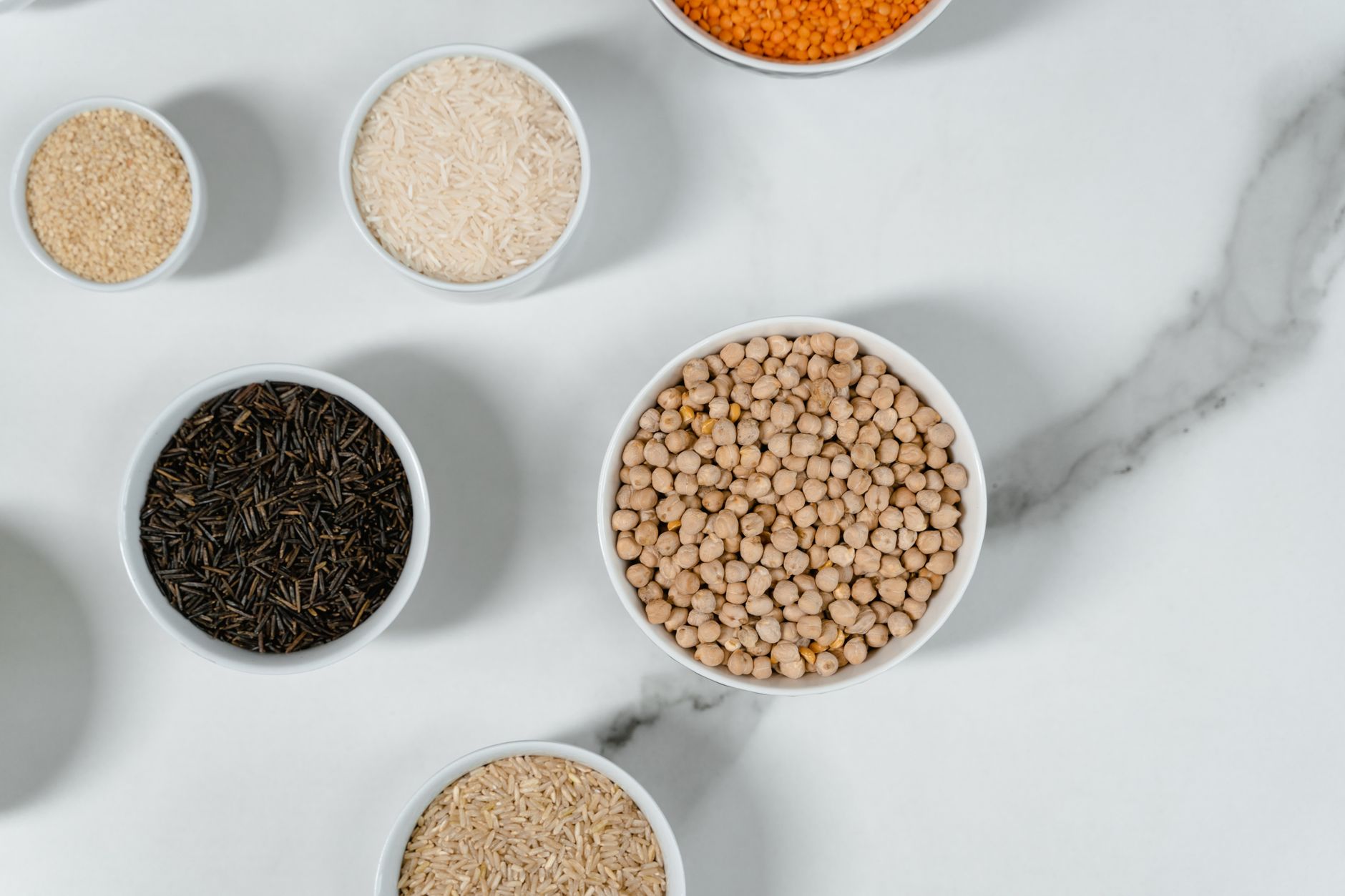
- Koshari — the national dish and the one to build a trip around. Rice, lentils, macaroni and chickpeas under fried onions and a tangy tomato sauce, with garlicky vinegar and chilli oil on the side. Filling, addictive, and usually around 40–80 EGP (roughly $1–1.70) at a proper koshari house. Abou Tarek downtown is the famous one; Koshari Hind and the Zööba chain are reliable too. The one catch is below in the watch-outs.
- Ful medames — slow-stewed fava beans with olive oil, cumin and lemon, scooped up with baladi bread. The default Egyptian breakfast. Vegan as standard. Costs almost nothing from a street cart.
- Taameya — Egypt’s falafel, and better than most. Made from fava beans rather than chickpeas, bright green inside from herbs, fried crisp. No eggs, no dairy. A taameya sandwich in baladi bread with tahini and pickles is the perfect 15 EGP street lunch.
- Baba ghanoush and hummus — smoky eggplant and chickpea dips, both built on tahini. Vegan, everywhere, cheap.
- Tahini salata and bessara — a lemony tahini sauce and a pureed fava-bean dip with mint and garlic. Both vegan, both excellent with bread.
- Mahshi — vegetables stuffed with herbed rice: vine leaves, cabbage, zucchini, peppers. Often vegan, but not always (see watch-outs), so this is one to confirm.
- Molokhia — the jute-leaf stew Egyptians are devoted to. Order it specifically without meat, and ask about the fat (more on that below).
- Torshi and baladi bread — pickled vegetables and the everyday flatbread. Both vegan and on practically every table.
String a few of these together and you have a feast. For the deeper dive on each one’s history and where to find the best version, our guide to traditional Egyptian dishes goes further than I can here.
Where to eat it: street stalls and koshari houses
For my money, the best vegetarian eating in Cairo is the cheap stuff, not the fancy stuff. A morning at a downtown ful-and-taameya joint like El Sharouk, a koshari at Abou Tarek, a bag of fresh baladi from a bakery — that is the real experience, and almost all of it is plant-based without trying. Felfela downtown is a sit-down classic with a long list of vegetarian mezze if you want a calmer first meal in the city.
If you are nervous about navigating street stalls or pointing at the right thing, our Cairo street food guide walks through the stalls and how to order at them. The short version: ful, taameya, koshari, sugar-cane juice and roasted sweet potato in winter are all vegan and all worth chasing down.
Koshari is the default vegan meal here: pasta, rice, lentils, chickpeas, fried onions and tomato sauce, with nothing animal in it unless someone adds a topping. Cairenes argue endlessly about which koshari counter deserves the queue, and we settle where to start.
Dedicated vegetarian and vegan restaurants in Cairo
When you want a proper sit-down meal that is fully plant-based — vegan cheese, mock meats, the works — Cairo’s dedicated scene has grown a lot, clustered mostly in Zamalek, Maadi and Heliopolis.
| Spot | Area | What it is | Rough cost / person |
|---|---|---|---|
| L’Aubergine | Zamalek | Cairo’s original veggie restaurant; broad vegetarian and vegan menu, lively bar upstairs | $15–40 |
| Vegan In Our House | Maadi | Fully vegan, comforting and casual — vegan lasagne, mock-meat wraps, big salads | $10–25 |
| Roots Earth Kitchen | Heliopolis | All-vegan; bowls, build-your-own salads, nachos, vegan ice cream | $10–30 |
| Lyfe | Maadi | Health-leaning plant-based menu, mock-beef wraps, dairy-free options | $8–20 |
| Sea Salt Bakery & Café | Maadi | Gluten-free bakery with clearly marked vegan, dairy-free cakes and breads | $5–15 |
| Zööba | Several (Zamalek, Maadi, New Cairo, more) | Modern Egyptian fast-casual; every dish tagged for diet, vegan koshari and taameya marked | $5–15 |
Of these, Zööba is the one I would point a first-timer to, because the menu spells out what is vegan and what is not, so there is no guesswork and no awkward conversation. Vegan In Our House is the cosy, fully-vegan dinner; L’Aubergine is the reliable Zamalek standby that has been doing this longer than anyone. You will also see newer plant-forward names around — Veginn out in New Cairo, The Greenery in Maadi — and the menus shift, so a quick check on HappyCow before you go is never wasted.
A couple of practical notes on these places. Maadi and Zamalek are leafy, walkable, expat-heavy districts, which is exactly why the vegan scene took root there and why most of these restaurants cluster in them — if you are staying central or near the pyramids, factor in a 20–40 minute taxi or Uber each way for dinner. Reservations are rarely essential midweek but smart at the popular spots on Thursday and Friday nights, when Cairo goes out. And prices in the dedicated places run well above a street-food meal; you are paying restaurant rates for imported vegan cheese and mock meats, so a koshari lunch and a sit-down vegan dinner is a sensible way to balance the budget across a day.
Most of these sit in the same neighbourhoods you would book a hotel in anyway; our best restaurants in Cairo guide has the wider dining map if you are planning evenings out.
How to order, and the Arabic that actually helps
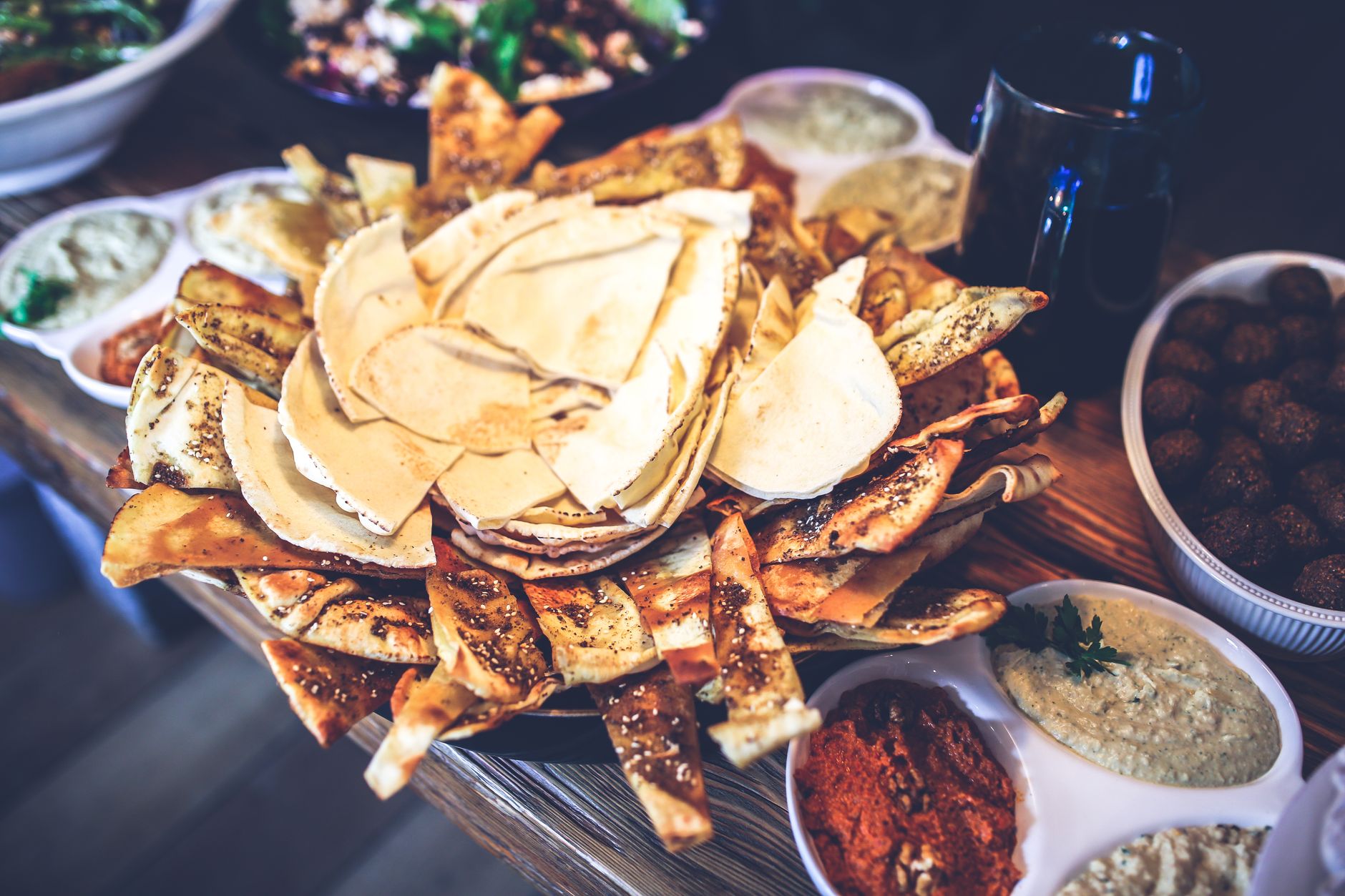
Most waiters in tourist-facing places speak some English, and “vegetarian” is widely understood. But a few Arabic phrases smooth things and, more importantly, get you taken seriously rather than handed a plate of something with chicken stock in it. Pronunciation does not have to be perfect.
- Ana nabati (man) / ana nabatiyya (woman) — “I am vegetarian.”
- Ana vigan — “I am vegan.” The English word has been adopted, so this works.
- Bidoun — “without.” The single most useful word here. String it with what you are avoiding.
- Bidoun laham — “without meat.” Bidoun samak — “without fish.”
- Bidoun alban — “without dairy.” Bidoun gebna — “without cheese.” Bidoun bayd — “without eggs.”
- Bidoun samna — “without ghee.” This is the one vegans should memorise. More below.
One practical tip: ask before you order, not after. In a busy koshari shop or street stall the food is often already made or assembled fast, so a question while it is on the stove lands better than a complaint once it is in the bowl. A friendly “fih laham?” — “is there meat?” — pointing at a dish goes a long way.
The watch-outs: where “vegan” quietly isn’t
This is the part of vegetarian eating in Cairo that trips people up, so read it twice if you are strict. The traps are few but real.
- Samna (ghee) in koshari and molokhia. This is the big one. Some koshari shops fry their onions or finish the sauce in clarified butter, and molokhia is traditionally finished with a garlic-coriander sizzle (the taleyya) often fried in ghee. Both dishes look completely vegan and are not. Always ask “bidoun samna?” for these two specifically.
- Hidden meat or chicken stock. Molokhia, some stuffed vegetables and rice dishes are built on a meat broth even when no meat is visible. Ask whether the base is vegetable broth — “maraqa khodar?”
- Cheese or minced meat in mahshi. Stuffed vegetables come both ways. Confirm it is the rice-and-herb version, not a meat-stuffed one, and that there is no cheese.
- Dairy creeping into upscale international kitchens. Ironically, the fancier the restaurant, the more likely butter and cream are hiding in sauces. Tell them clearly; do not assume.
- Eggs in specialty breads and pastries. Plain baladi bread is vegan. Enriched breads, some pastries and many cakes are not.
- Honey in tea and sweets. A non-issue for vegetarians; vegans should ask, as some baklava and teas are sweetened with it.
None of this should put you off. In months of eating this way around Cairo, ghee in the koshari was the only thing that ever caught us out, and asking one question fixed it. For broader pointers on dining manners and what is normal at an Egyptian table, our guide to social dos and don’ts is worth a skim.
Vegan sweets, snacks and groceries
Plenty to graze on. Halawa (sesame halva) is naturally vegan, as are Egyptian dates and any amount of fresh fruit. Sugar-cane juice from a street press is a vegan classic — watch it crushed in front of you. For sit-down sweets, basbousa and konafa often contain butter or dairy, but specialty bakeries do vegan versions; just ask. For self-catering, Carrefour, Spinneys and Metro Market stock international plant-milks and vegan brands, and the organic markets around Maadi and Zamalek are good for fresh produce and oat or soy milk. Chain cafés like Cilantro and Beano’s now carry oat and soy milk for your coffee, which was not a given a few years ago.
A simple plant-based day in Cairo
- Breakfast: ful, taameya and warm baladi bread with a glass of karkadeh (hibiscus tea) at a downtown spot like El Sharouk, or a tagged-menu breakfast at Zööba.
- Mid-morning: a fresh sugar-cane juice from a street press.
- Lunch: koshari at Abou Tarek — ask “bidoun samna” and you are golden.
- Afternoon: mint tea and halawa or fresh dates.
- Dinner: Vegan In Our House in Maadi for a fully plant-based feast, or L’Aubergine in Zamalek if you want a glass of wine with it.
FAQ: vegetarian and vegan food in Cairo
Is Cairo good for vegetarians and vegans?
Genuinely, yes — easier than most big cities. The everyday Egyptian diet is heavy on beans, lentils and vegetables, so cheap local food is largely plant-based already. Vegans have a couple of animal fats to watch for, but it is very manageable.
Is koshari vegan?
Usually, yes — it is rice, lentils, pasta, chickpeas, onions and tomato sauce. The only risk is a shop that fries with ghee (samna). Ask “bidoun samna?” and you are safe. Abou Tarek and Zööba are reliable.
Is taameya vegan?
Yes. Egyptian taameya is made from fava beans with herbs and spices, fried in oil, with no egg or dairy. It is one of the safest things you can order.
What is the best vegan restaurant in Cairo?
For fully vegan, Vegan In Our House in Maadi. L’Aubergine in Zamalek is the long-running vegetarian favourite with strong vegan options, and Roots Earth Kitchen in Heliopolis is great for bowls and plant-based desserts.
How do I say I’m vegetarian in Arabic?
“Ana nabati” (or “nabatiyya” if you are a woman) for vegetarian, “ana vigan” for vegan. The most useful word is “bidoun” — “without” — as in “bidoun laham” (without meat) or “bidoun samna” (without ghee).
What should vegans watch out for?
Plan the rest of your trip
Use these guides to round out your Cairo plans: