This article contains advertising. Our booking links are routed through a partner that adds commission tracking automatically, so if you book through one we earn a commission from the provider, at no extra cost to you. It never affects what we recommend. Affiliate disclosure
Do a Cairo food tour on day one or two, not day six. A good three-hour street-food walk through downtown costs around $30–$50 (roughly 1,500–2,500 EGP), and it does something no restaurant meal can: it teaches you which foul cart is clean, where the koshary is actually worth queuing for, and how to order ta’amiya like you’ve done it before. Spend the rest of your trip eating better because of it.
I’ve sent a lot of nervous first-timers on these, and almost nobody regrets it. The food in Cairo is glorious and cheap, but the city doesn’t hand it to you politely — the best stuff is on a plastic stool down a side street, behind a counter with no English menu and a queue of taxi drivers. A guide gets you past all that in an afternoon. This is the honest rundown: what the tours actually feed you, who the main operators are and how they differ, evening versus morning, cooking classes and market visits, what it costs, how to book, and how to do a decent self-guided food walk if you’d rather go alone.
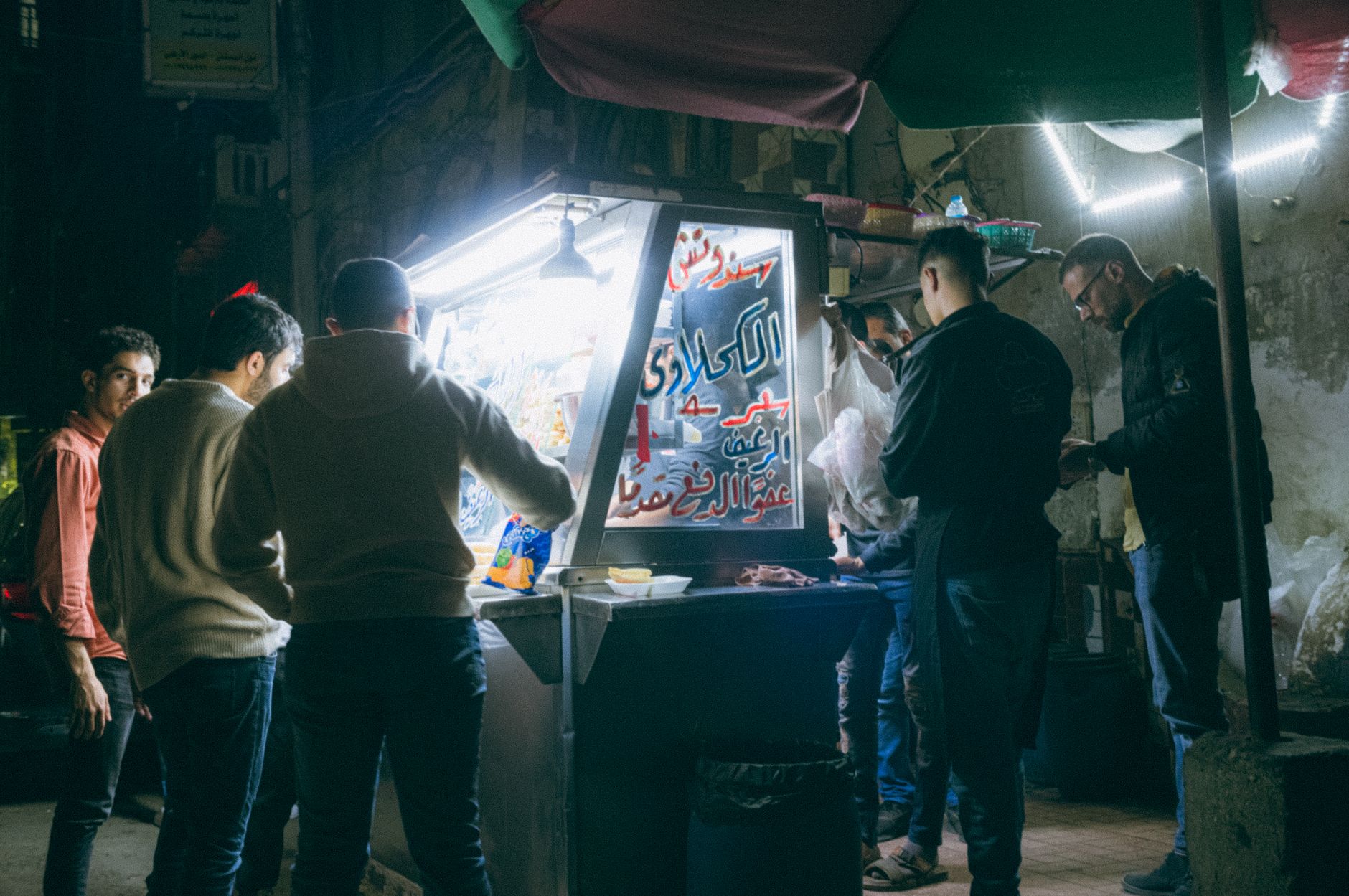
Why a Cairo food tour earns its place on day one
The case for going early is simple: everything a guide tells you, you then use for the next five days. They know the foul cart on which block, the koshary shop with the properly cooked lentils, the hawawshi baker whose crust actually shatters. You learn the ordering ritual, the going prices, and which beverages are safe to drink — so you stop overpaying and stop second-guessing every plate.
There’s the context, too. Why Egyptians eat foul for breakfast (the habit’s been documented since pharaonic times). How molokhia gets its texture. Why koshary — rice, lentils, pasta, fried onions, that sharp tomato-vinegar sauce — became the great equaliser of Egyptian street food. A good guide turns lunch into a story you’ll repeat back home.
And there’s access. Plenty of Cairo’s best eating happens in private homes, neighbourhood ahwas (traditional cafés), and family-run shops you’d never find or walk into solo. A guide opens those doors. For sensitive stomachs, they also quietly steer you toward the cooked-to-order, high-turnover stalls and away from anything that’s been sitting out.
What you actually eat
A typical street-food crawl makes six to ten stops over three to four hours. Expect most of these:
- Foul (ful medames) — slow-cooked fava beans with oil, cumin and lemon, scooped up with baladi bread. Egypt’s breakfast backbone.
- Ta’amiya — the Egyptian falafel, made from fava beans not chickpeas, greener inside, fried fresh.
- Koshary — the national dish; you’ll likely stop at Abou Tarek downtown, where a generous bowl runs about $1–$2 (50–100 EGP).
- Hawawshi — spiced minced meat baked inside crisp bread.
- Sweets — basbousa, konafa, baklava, and umm Ali, usually from a name like El Abd or Mandarine Koueider.
- Drinks at an ahwa — Turkish coffee, mint tea, sometimes fresh sugar-cane juice from a corner press.
For the full lay of the land on what’s worth chasing, our best street food in Cairo guide goes stall by stall, and the traditional Egyptian dishes guide covers the sit-down classics a tour might not reach.
The main Cairo food tour operators and how they differ
You don’t need to memorise a long list. A handful of operators run the bulk of the good tours, and the booking platforms cover the rest. Here’s who does what.
| Operator | Best for | Rough price (per person) |
|---|---|---|
| Bellies En-Route | The benchmark. Small-group street-food walks and market-plus-cooking classes, run by founders Mia and Laila. Most polished, most booked. | $40–$120 |
| Cairo Food Tours | Multi-stop downtown and Islamic Cairo tasting walks; strong on koshary, foul and ta’amiya history. | $40–$80 |
| Eat Like A Local Cairo | Cultural-immersion crawls and private cooking classes with local families. | $40–$100 |
| Emo Tours Egypt | Private food tours (incl. a dedicated Abou Tarek koshary run) with A/C car and hotel pickup; good if you want transport handled. | From ~$30 |
| Airbnb Experiences / GetYourGuide / Viator | Aggregators with dozens of options and verified reviews; filter for recent feedback. Cooking classes start around $30. | $30–$150 |
How to choose? If you want the safest bet and don’t mind paying a bit more, book Bellies En-Route and stop overthinking it. If you’re a group of two-plus or have dietary needs, a private tour from Emo Tours or a family host pays off. If you’re price-sensitive or last-minute, a well-reviewed GetYourGuide or Viator listing (50-plus reviews, recent dates) will do you fine.
Evening versus morning tours
The time of day changes the tour more than people expect.
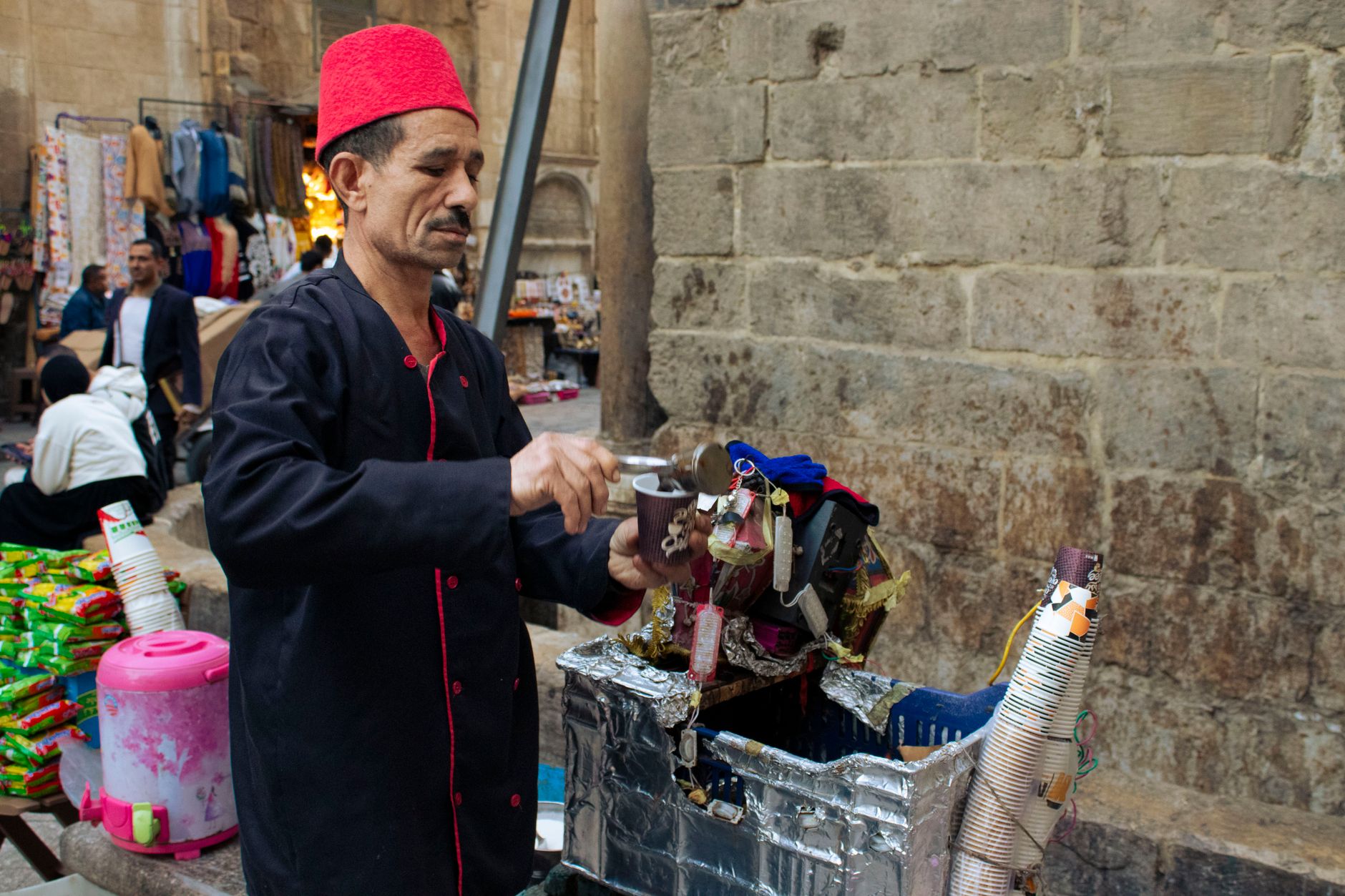
Morning / breakfast walks (about 2 hours, $25–$50) lean into Egyptian breakfast culture — foul, ta’amiya, baladi bread, white cheese, jam, and sahlab. Cooler, calmer, fewer crowds, and a gentle introduction if you’re easing into street food.
Evening crawls (3–4 hours, $40–$80) catch the city at its liveliest. Downtown and Islamic Cairo wake up after dark — sweet shops glowing, ahwas full, hawawshi ovens going. This is the one I’d pick for atmosphere, especially in summer when daytime heat makes a midday walk a slog. In the hotter months, an evening start is genuinely the comfortable choice.
That morning-versus-evening calculation inverts completely during Ramadan, when the streets thin out by day and the food only appears after sunset, so read up on how the fasting month reshapes mealtimes before you book a daytime walk.
Cooking classes and market visits
If a tour is about tasting, a class is about doing — and it’s the experience people tend to talk about most afterward. The format is consistent: meet your host (often downtown), walk a local market together to buy produce and stop for fresh baladi bread, then head to a home or kitchen to cook two or three dishes and eat the lot together. Plan on four to five hours, group sizes of roughly four to ten, and $60–$120 per person, aprons and ingredients included. Most hosts send the recipes and your photos over WhatsApp after.
Bellies En-Route runs the best-known classes — falafel from scratch, molokhia with homestyle chicken, mahshi and kabab halla — and meets in Downtown Cairo before the market walk. Travel Spoon and Airbnb Experiences connect you with individual home cooks for something more intimate.
Good first dishes to make, because they’re forgiving and genuinely useful at home:
- Koshary — layering and the all-important tomato-vinegar sauce.
- Ta’amiya — soaking, grinding and frying the fava mix.
- Molokhia — the fine chop and the garlic-coriander sizzle (ta’leya) that makes it.
- Mahshi — rolling stuffed vegetables and vine leaves.
- Umm Ali — Egypt’s warm milk-and-pastry dessert, almost impossible to ruin.
The market walk on its own is worth the morning. Cairo’s spice culture — cumin, coriander, fennel, mahlab — comes alive at a working stall in a way no supermarket aisle does. Khan el-Khalili spice-and-tea walks (2–3 hours, $30–$60) build a whole tour around that 600-year-old market, with tastings at sweet shops and ahwas like El Fishawy along the way.
Prices, durations and what’s included
Quick reference for planning and budgeting:
| Experience | Duration | Typical price (per person) |
|---|---|---|
| Egyptian breakfast walk | ~2 hours | $25–$50 |
| Street-food crawl | 3–4 hours | $40–$80 |
| Khan el-Khalili spice & tea walk | 2–3 hours | $30–$60 |
| Cooking class + market visit | 4–5 hours | $60–$120 |
| Farm-to-table day trip (Dahshur, Tunis Village) | 8+ hours | $80–$200 |
| Private chef dinner at your hotel | Evening | $100–$300 |
Most walking tours fold all food and drinks into the price — confirm it, but it’s the norm. Walking tours don’t include transport (you meet at a set point); multi-neighbourhood and farm tours do, usually a private car or van. Tipping on top is expected and appreciated: roughly 10–20% of the tour cost for a guide, 100–200 EGP per person for a cooking-class host, 50–100 EGP for a driver.
How to book
A few things that save grief:
- Book 1–2 weeks ahead for popular walks; further out for cooking classes, which have limited slots.
- State dietary needs when you book — vegetarian, vegan, gluten-free, halal. Egyptian food is naturally plant-heavy, so meat-free tours are easy.
- Favour small groups (4–8). A fifteen-person crawl loses the intimacy that makes these worth it.
- Confirm the meeting point and whether any transit is included before the day.
- On aggregators, sort by recent, high review counts (Superhosts on Airbnb, 50-plus reviews elsewhere).
- Bring some cash (50–200 EGP) for tips and the inevitable extra you’ll want to buy.
Wear comfortable shoes — a street-food crawl covers three to five kilometres — plus modest clothing if a mosque or Islamic Cairo is on the route, and come hungry. A 2026 note worth flagging: while restaurants and street vendors still happily take cash, Egypt’s ticketed monuments have largely gone card-only at the gate, so keep a card handy for any sightseeing you bolt onto the day. Our run-through of local dos and don’ts covers tipping, dress and the small social rules worth knowing before you go.
If you are booking a food walk alongside the big sights, it is worth deciding where a guide really earns their fee across the whole trip. Our Cairo tours and tickets guide compares private, small-group and coach tours, explains the platforms’ cancellation terms and lists the official ticket prices for the pyramids and museums.
Doing a self-guided food walk
Rather go it alone? Entirely doable, and far cheaper — you’re just paying for the food. The downtown circuit below is the same loop most guided crawls follow, and every stop is a Cairo institution:
- Foul and ta’amiya at a busy downtown counter to start.
- Koshary at Abou Tarek — the famous one; order a medium, add the sauce and garlic vinegar yourself.
- Hawawshi from a baker with a queue (the queue is the quality signal).
- Tea or Turkish coffee at a Belle Époque café — Café Riche or El Horreya.
- Sweets at El Abd — basbousa and konafa, eaten standing at the counter like everyone else.
- Sugar-cane juice from a street press to finish.
Two rules keep a solo walk smooth: eat where it’s busy (high turnover means fresh food), and stick to cooked-to-order or boiled-and-bottled drinks. If getting between stops feels daunting, our things to do in Cairo guide maps how the downtown food streets sit alongside the rest of the city’s sights, so you can string a walk into a full day. And if you’d rather sit down properly afterward, our best restaurants in Cairo dining guide picks the rooms worth booking.
Cairo Food Tour FAQ
What’s the best Cairo food tour?
Bellies En-Route is the most established and consistently well-reviewed for guided street food and cooking classes. For private home cooking, Travel Spoon and Airbnb Experiences hosts are excellent. For variety and last-minute booking, filter GetYourGuide or Viator by recent, high-rated listings.
How much do Cairo food tours cost?
Roughly $30–$200 per person depending on length, exclusivity and content. Street-food walks run $40–$80; cooking classes $60–$120; farm-to-table day trips $80–$200. Aggregator cooking classes start around $30.
Are Cairo food tours safe for sensitive stomachs?
Yes — reputable operators choose high-turnover stalls, steer you to cooked-to-order food, and keep drinks to bottled or boiled. Bring loperamide and antacids as backup, but most people are fine.
Should I do a food tour before or after eating on my own?
Early. The whole value is the context and recommendations you carry through the rest of your trip — do it on day one or two.
What’s the difference between a food tour and a cooking class?
A food tour is tasting — multiple dishes at different stops, you eat your way around a neighbourhood. A cooking class is hands-on — you shop a market, then cook two or three dishes yourself and eat them together.
Plan the rest of your trip
Set this against the bigger picture with our complete Cairo food guide, the pillar that ties together dishes, restaurants and street food. From there:
- Best Street Food in Cairo: Local Flavors Guide
- Classic Egyptian dishes worth ordering
- Best Restaurants in Cairo: Dining Guide 2026
- Cairo Culture, Etiquette and Practical Tips
- Things to Do in Cairo Egypt
Book one tour early, take the recommendations seriously, and watch the rest of your Cairo eating go from guesswork to something close to local.