This article contains advertising. Our booking links are routed through a partner that adds commission tracking automatically, so if you book through one we earn a commission from the provider, at no extra cost to you. It never affects what we recommend. Affiliate disclosure
Time your trip right and Cairo hands you something the pyramids can’t: lantern-strung alleys at midnight in Ramadan, a Sufi procession winding through the medieval city, a 5,000-year-old picnic festival where the whole country eats salted fish in the park on the same Monday. The seasonal events in Cairo run on three overlapping calendars — Islamic, Coptic, and the fixed civil one — so the dates move year to year. Here’s the full 2026 picture, month by month, with what each one actually does to your visit.
I’ve laid this out so you can plan around it rather than get ambushed by it. Some festivals fill the city with atmosphere you’ll never forget; a couple of national holidays will quietly shut the bank you needed and snarl the traffic. Both matter. This sits under our Things to Do in Cairo guide, and a lot of the free, communal celebrations below double as the best no-cost experiences in the city.
The 2026 Cairo festival calendar at a glance
The single thing to get straight before anything else: the Islamic dates shift roughly 11 days earlier each year because they follow the lunar calendar, and they’re only finalised when the religious authority sights the crescent moon. So treat the Ramadan and Eid dates below as accurate-to-a-day-or-two rather than carved in stone, and reconfirm a few weeks out. The Coptic and civil dates are fixed.
| Month | Event | 2026 date | What it means for your visit |
|---|---|---|---|
| January | Coptic Christmas | Jan 7 (Mass eve of Jan 6) | Midnight masses in Coptic Cairo; sites open, churches busy |
| January | Cairo Int’l Book Fair | Late Jan–early Feb | Huge, cheap, crowds at the New Cairo fairgrounds |
| January | 25 January Revolution Day | Jan 25 | Public holiday; tourist sites open |
| February | Abu Simbel Sun Festival | Feb 22 | Requires flying south to Aswan; not in Cairo |
| Feb–Mar | Ramadan | ~Feb 17/18 – Mar 18 | Daytime closures, transcendent nights; the big one |
| Mar–Apr | D-CAF (Downtown Arts) | Roughly Mar–Apr | Free and ticketed contemporary art across downtown |
| March | Eid al-Fitr | ~Mar 20–22 | 3-day holiday; city empties, then fills with families |
| April | Sham el-Nessim | Mon Apr 13 | National picnic day; parks and the Corniche packed |
| April | Sinai Liberation Day | Apr 25 | Government closed; tourist sites open |
| May | Labour Day | May 1 | Government closed; tourism normal |
| May | Eid al-Adha | ~May 26–27 | 4-day holiday; many businesses shut |
| June | 30 June Revolution Day | Jun 30 | Public holiday; summer slowdown sets in |
| July | 23 July Revolution Day | Jul 23 | Military parades; public buildings closed |
| August | Mawlid al-Nabi | ~Aug 25–26 | Sufi processions in Islamic Cairo; deeply photogenic |
| October | Armed Forces Day | Oct 6 | Major parades, some traffic; sites open |
| October | Abu Simbel Sun Festival | Oct 22 | Second sun alignment; again, down in Aswan |
| November | Cairo Int’l Film Festival | Nov 11–20 | 10 days of cinema at the Opera House; peak season starts |
| December | Cairo Jazz Festival / NYE | Often Dec (varies) | Live music; New Year parties booked out early |
If a date in that table looks slightly off from what you read elsewhere, it’s almost always the moon-sighting caveat on the Islamic events. Everything Coptic or civil you can book flights against with confidence.
Ramadan in Cairo: the month that changes everything
In 2026 Ramadan runs from around 17 or 18 February to roughly 18 March, with Eid al-Fitr following on about 20 March. If you can only experience the city in one mood, make it this one — but go in knowing exactly what you’re signing up for, because Ramadan flips the daily rhythm on its head.
By day, the city fasts. No eating, drinking, or smoking in public from dawn to sunset, and you’re expected to respect that even though, as a non-Muslim visitor, you’re not obliged to fast. Plenty of local restaurants simply don’t open until the afternoon. Tourist sites stay open but often pull their hours back, frequently closing around 3 or 4 PM, so front-load your sightseeing into the morning. It’s genuinely a quieter, slower, slightly drowsy Cairo in the afternoon heat.
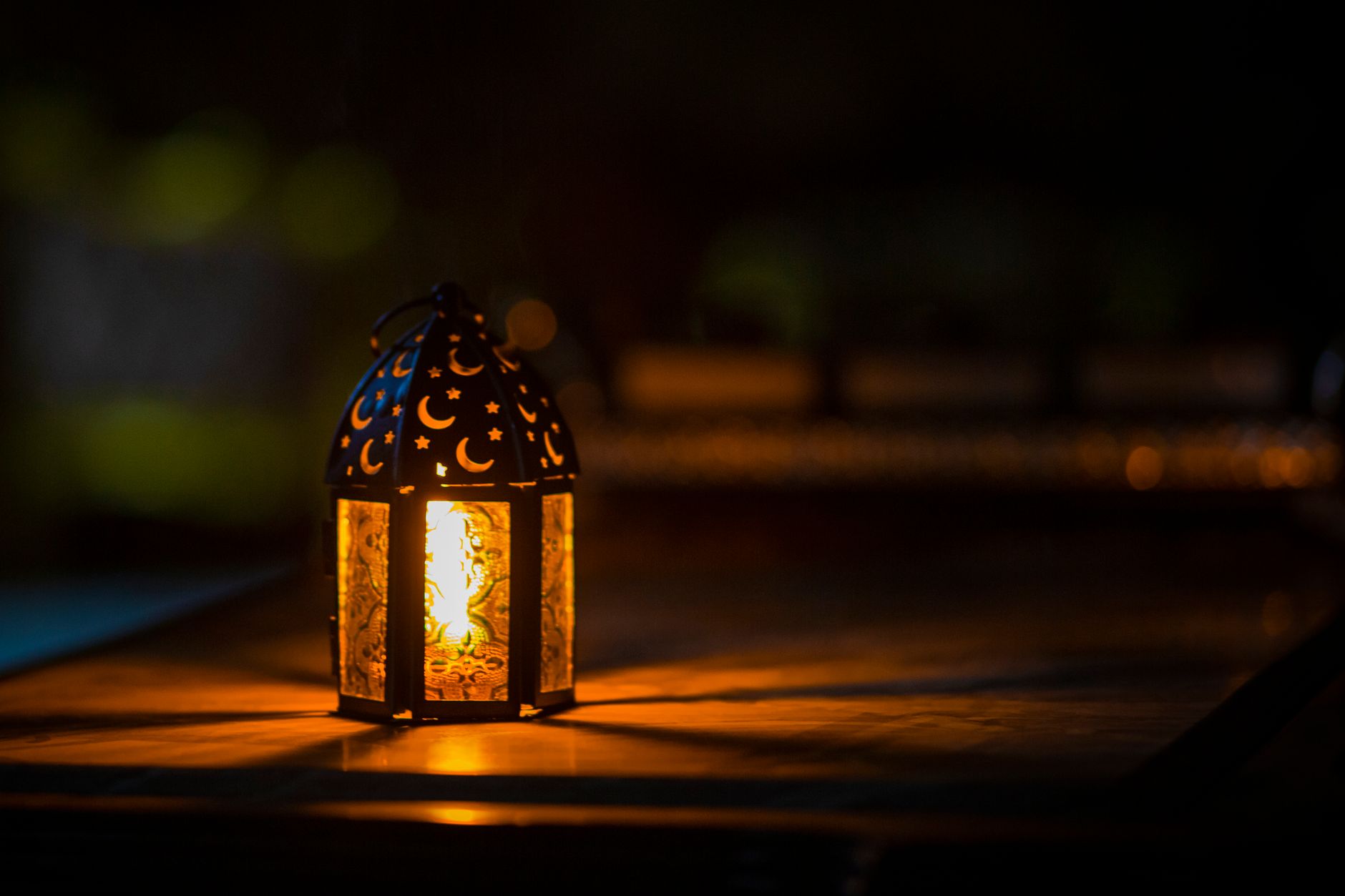
Then the sun drops and the whole thing detonates into life. Iftar — the meal that breaks the fast — is the social event of the day. Cannons fire, mosques light up, and the streets fill. Hotels and tourist-zone restaurants lay on iftar set menus, and you do not need to be Muslim to pull up a chair; the big communal tables around Khan el-Khalili and Old Cairo welcome everyone, and being invited to a stranger’s iftar is one of those things that genuinely happens here. Afterwards, the lanterns — the fanous — glow over every lane, cafés stay packed until 3 AM for suhoor, the pre-dawn meal, and the medieval quarter feels like a film set. Sit out the late hours at El Fishawy, the centuries-old café in the middle of the bazaar, with a mint tea and a shisha, and you’ll understand why people structure entire trips around these few weeks. For a fuller rundown of where the city comes alive after dark, our Cairo nightlife guide picks up where the iftar tables leave off.
My honest take: Ramadan is a yes for atmosphere and cultural depth, and a qualified no if your idea of a holiday is leisurely midday lunches and a packed dawn-to-dusk itinerary. Come for the nights, plan your days lightly, and you’ll have the trip of your life.
Visiting during the fast is a real trade-off: daytime dining shrinks to hotel restaurants and a handful of tourist cafes, but the evenings deliver the best street atmosphere of the year. A closer look at what a Ramadan visit actually feels like covers iftar timings and etiquette.
The Eids: when Cairo empties, then erupts
Two Eids bracket the Islamic year, and both clear the city out before they fill it back up.
Eid al-Fitr (around 20–22 March 2026) is the three-day celebration that ends Ramadan. Cairenes pour out to family hometowns and the coast, so for a day or two the centre can feel oddly hushed — then the parks and corniches flood with families in brand-new clothes, kids clutching balloons, and the smell of kahk, the powdered-sugar Eid cookies, everywhere. Fireworks crackle off in the neighbourhoods. Tourist sites stay open but on shifted holiday hours, so check before you set out.
Eid al-Adha, the four-day “Festival of Sacrifice,” falls earlier than people expect in 2026 — around 26–27 May, not deep summer. It’s the bigger of the two religiously, and more businesses close for longer. Fair warning: in some neighbourhoods the ritual slaughter of livestock happens in the open, and visitors who aren’t ready for it can find the sight confronting. It’s not hidden, but you can easily steer around it by sticking to tourist districts and the riverfront. Either way, book your hotel and any internal flights well ahead — Eid is when the whole country travels at once.
Coptic Christmas, Easter and Sham el-Nessim
Egypt’s Christian calendar gives you some of the most moving — and most welcoming — moments of the year, and they’re easy to fold into a winter or spring trip.
Coptic Christmas falls on 7 January, fixed every year, with the great midnight masses held on the eve of the 6th. The Hanging Church (Al-Muallaqa) in Coptic Cairo, Saints Sergius and Bacchus nearby, and Saint Mark’s Cathedral in Abbassia are the places to be. Visitors are genuinely welcome — dress modestly, arrive early because space goes fast, and expect a service that’s solemn and joyful at once. The lead-up is a 43-day fast, so the food that appears afterwards is a celebration in itself.
Coptic Easter lands on Sunday 12 April in 2026, and the Saturday-night vigil at the same churches is even more atmospheric than Christmas. But the day that belongs to everyone comes right after it.
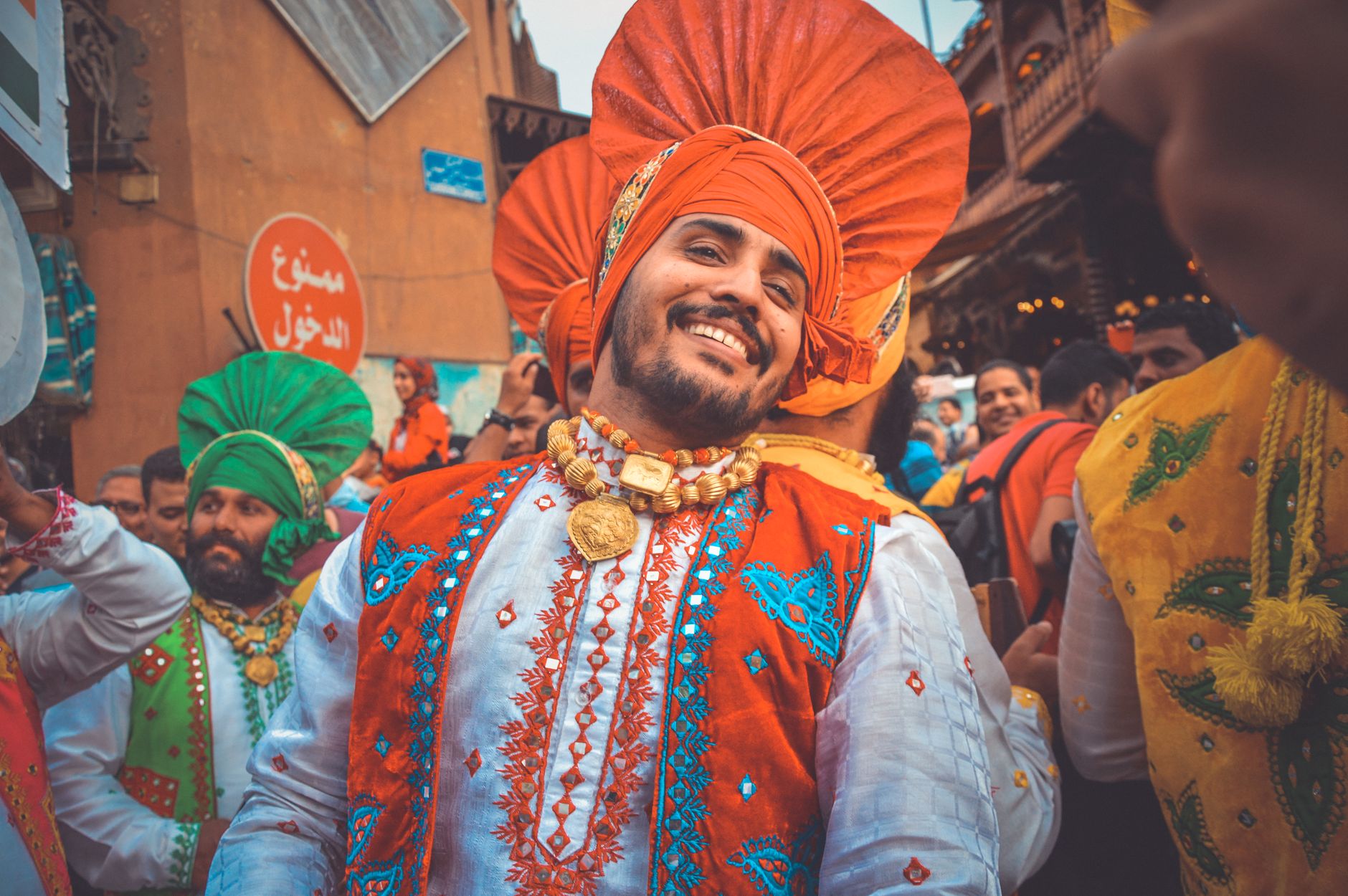
Sham el-Nessim — Monday 13 April 2026 — is the one I’d build a spring trip around if the timing lined up. It’s a spring festival older than the pyramids, traced back about 5,000 years to the pharaonic harvest season, and crucially it isn’t religious at all: Muslims and Christians, everyone, takes the day off and goes outside. Families spread blankets along the Nile Corniche and across Al-Azhar Park and pack the city’s green spaces from morning, eating fesikh (pungent salted, fermented mullet — an acquired taste, to put it gently), spring onions, lettuce, lupini beans, and dyed eggs. It’s free, it’s chaotic, it’s wholesome, and it’s about as deep a glimpse of ordinary Egyptian life as a visitor gets. Al-Azhar Park is the comfortable choice; the Corniche is the raw, joyful, crowded one.
Moulids and the Prophet’s Birthday
Mawlid al-Nabi, the Prophet Muhammad’s birthday, falls around 25–26 August 2026 (Egypt’s official public holiday for it can land on a slightly different day, so it’s worth a check). In Islamic Cairo it brings Sufi processions, drumming, and the distribution of sweets, and the streets around Al-Hussein Mosque and the Wikala al-Ghuri take on a carnival feel. It is one of the most photogenic nights of the year — though it’s also high summer, so save your energy for the cooler evening hours.
Beyond the headline date, Cairo runs a steady undercurrent of moulids — saint’s-day festivals for revered Sufi figures, with the moulid of Al-Hussein among the biggest. They’re loud, devotional, slightly hypnotic affairs of chanting and spinning, and they don’t appear in any official calendar. If you stumble onto one in the old city, stand at the edge, be respectful, and watch — it’s a side of Cairo most tour itineraries never touch.
Pharaonic spectacle: the Abu Simbel Sun Festival
Twice a year — 22 February and 22 October — the rising sun lines up to shoot straight through the entrance of Ramses II’s great temple at Abu Simbel and light up the seated gods in the inner sanctuary, leaving only Ptah, god of the underworld, in shadow. The ancient Egyptians engineered it on purpose, and when the temple was lifted to higher ground in the 1960s to escape the rising Lake Nasser, the builders preserved the alignment to within a day.
Honesty check: this is not a Cairo event. Abu Simbel is right down near the Sudanese border, so you fly to Aswan, then either take a short onward flight or the roughly three-hour road convoy, and you’re standing at the temple for a 5 or 6 AM alignment along with a serious crowd of scholars and travellers. Flights and hotels around those two dates book out months ahead. If pharaonic Egypt is the reason you’re coming, it’s worth the trek; if you’ve only got Cairo on the itinerary, admire it from afar and spend the morning at the pyramids instead.
Modern culture: film, jazz and the arts season
Cairo’s contemporary festival calendar runs right alongside the ancient one, and most of it is cheap to get into.
The flagship is the Cairo International Film Festival, which celebrates its 47th edition from 11–20 November 2026. Running since 1976, it’s among the oldest and most prestigious festivals in the Arab world — ten days of international premieres, Egyptian features, red carpets, and panels, mostly at the Cairo Opera House grounds in Zamalek and downtown cinemas. Public tickets are genuinely affordable; only the premium galas need accreditation. It also happens to land at the start of peak season, when the weather is at its best.
Around it orbit a clutch of smaller events worth catching if your dates align: the Cairo Jazz Festival, drawing international and Egyptian acts to venues like the Opera House and El-Sawy Culture Wheel, usually but not always in December; the Panorama of the European Film each November; and D-CAF, the Downtown Contemporary Arts Festival, which colonises downtown’s old buildings and streets with installations, performance and film across several weeks in spring, much of it free. The Opera House itself runs a full programme from October through May, so there’s almost always something on. After a show, the surrounding districts are well stocked with places to eat — our restaurant map for after the show is the one to have open on your phone.
National holidays — and how they actually affect you
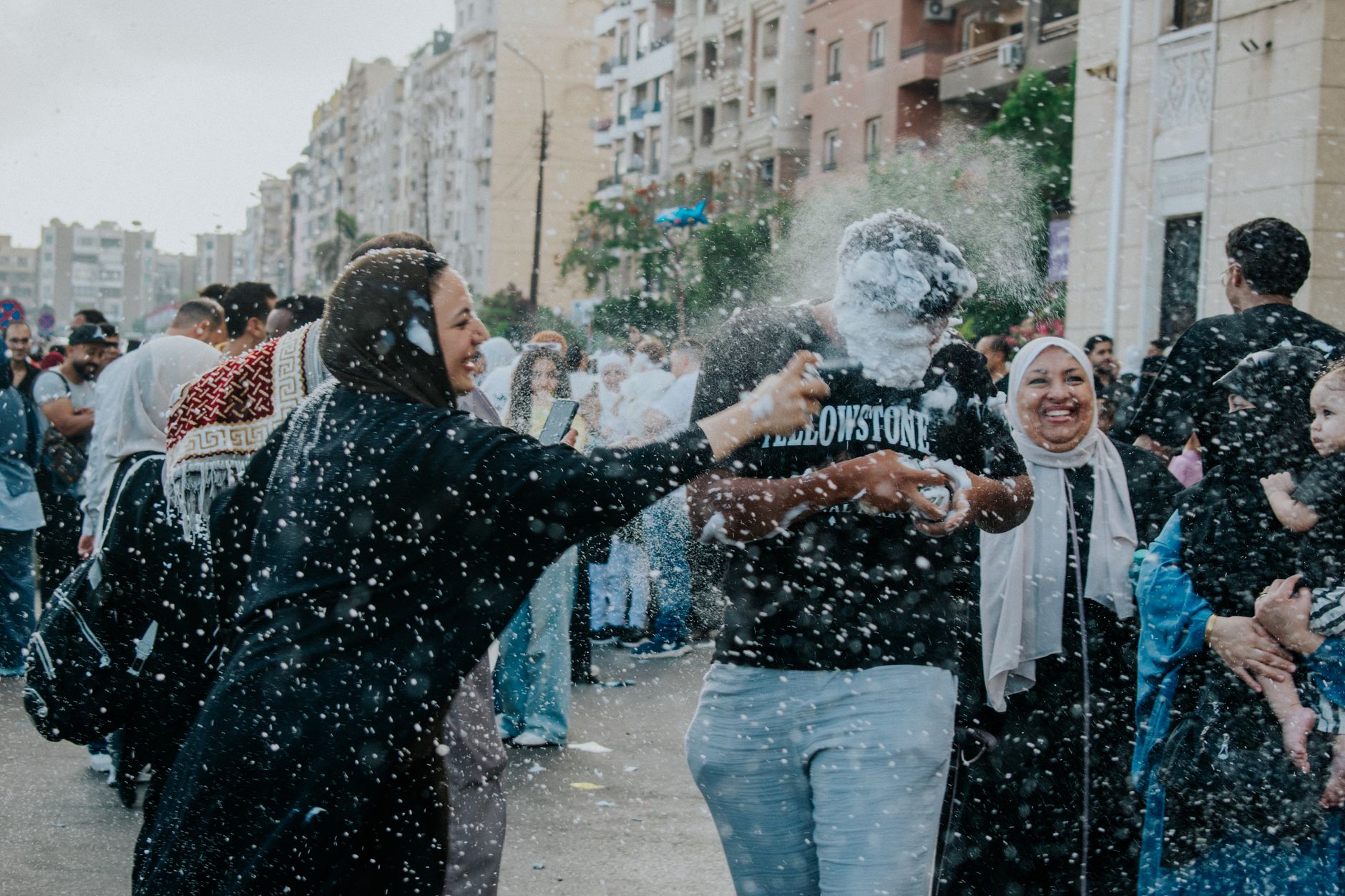
These won’t draw you to Cairo, but they can disrupt a day if you’re not expecting them. The pattern is consistent: government offices, banks, and many businesses close, the headline ones bring military parades and traffic, but the tourist sites themselves almost always stay open.
- 25 January – Revolution Day / Police Day: public holiday, sites open, some extra security presence downtown.
- 25 April – Sinai Liberation Day: offices closed, tourism normal.
- 1 May – Labour Day: government closed.
- 30 June – 30 June Revolution Day: public holiday; roughly when the summer exodus to the coast begins and the city goes quiet through August.
- 23 July – Revolution Day: the big 1952 anniversary, with military parades and public buildings shut.
- 6 October – Armed Forces Day: major parades commemorating the 1973 war; expect road closures and traffic, but sites stay open.
The practical upshot: if your visit overlaps one of these, do your banking and any official errands the day before, build in extra time for taxis around parade routes, and otherwise carry on as normal. None of them is a reason to change your trip.
How to plan your trip around the right festival
Pick the season to match what you’re after:
- For the most distinctive atmosphere: Ramadan (mid-Feb to mid-March 2026). Nights are unmatched; plan light days.
- For Egypt’s Christian heritage: early January for Coptic Christmas, or mid-April for the Easter vigils.
- For a single, joyful, free cultural day: Sham el-Nessim, 13 April 2026.
- For film and the best weather: mid-November for the Film Festival and the start of peak season.
- For photography: Ramadan evenings, the Mawlid processions in August, Sham el-Nessim picnics, or Coptic Christmas — see our off-the-beaten-path guide for where to point the camera.
- For pharaonic spectacle: 22 February or 22 October, accepting the trip south to Abu Simbel.
- For thinner crowds: September into early October — past the summer lull, ahead of the winter rush.
A practical aside while you’re sorting culture and timing: between festival days you’ll want the indoor anchors of any Cairo trip, and our museums and cultural attractions guide covers the Grand Egyptian Museum (now fully open out at Giza) and the rest. Festivals are the seasoning; the museums and monuments are the meal.
Seasonal events in Cairo: FAQ
What are the most important festivals in Cairo?
Ramadan is the most transformative period overall. For a single standout event, it’s a toss-up between Coptic Christmas (7 January), Sham el-Nessim (Monday after Coptic Easter, 13 April in 2026), and the Cairo International Film Festival (11–20 November 2026).
What dates is Ramadan 2026, and is it a good time to visit?
Ramadan runs from about 17–18 February to roughly 18 March 2026, with Eid al-Fitr around 20 March (moon-sighting may shift it a day). It’s a wonderful time to visit for atmosphere and a tricky one for daytime dining: most sites stay open but on shorter hours, many local restaurants close until afternoon, and the magic happens after sunset.
Can tourists join an iftar in Cairo?
Yes, and you should. Hotels and restaurants across the tourist zones run iftar set menus, and the communal tables around Khan el-Khalili and Old Cairo are open to all comers. It’s one of the warmest experiences the city offers.
Should I avoid Cairo during Egyptian holidays?
No. Tourist sites almost always stay open. The main thing to plan for is closures of banks and government offices during the Eids and civil holidays, plus traffic around the parade dates — so book hotels and internal flights early, especially over Eid al-Fitr and Eid al-Adha.
How much do Cairo’s festivals cost to attend?
The religious and traditional ones — Ramadan nights, the Eids, Coptic services, Sham el-Nessim, the moulids — are free; you only pay for your own food and transport. Ticketed cultural events stay cheap by international standards, with film, jazz, and arts-festival passes typically running anywhere from a few dollars up to around $50.
Is the Cairo International Film Festival open to the public?
Yes. Most screenings sell affordable public tickets at the Opera House and downtown cinemas; only the premium galas and industry events need accreditation.
The takeaway
Most visitors plan a Cairo trip around the monuments and let the calendar fall where it may. Flip that, even slightly, and the city rewards you. Land in Ramadan and walk the lantern-lit lanes at midnight. Catch Sham el-Nessim and join half of Egypt for a picnic by the river. Show up in mid-November for the film festival and the year’s best weather at once. Check the 2026 dates above against your own travel window, build the trip around the one that speaks to you, and you’ll come home with a Cairo that no museum ticket could have given you.
Related reading: our Things to Do in Cairo pillar, the free things to do in Cairo guide, the Cairo nightlife guide, the museums guide, the food guide, and our off-the-beaten-path experiences.