This article contains advertising. Our booking links are routed through a partner that adds commission tracking automatically, so if you book through one we earn a commission from the provider, at no extra cost to you. It never affects what we recommend. Affiliate disclosure
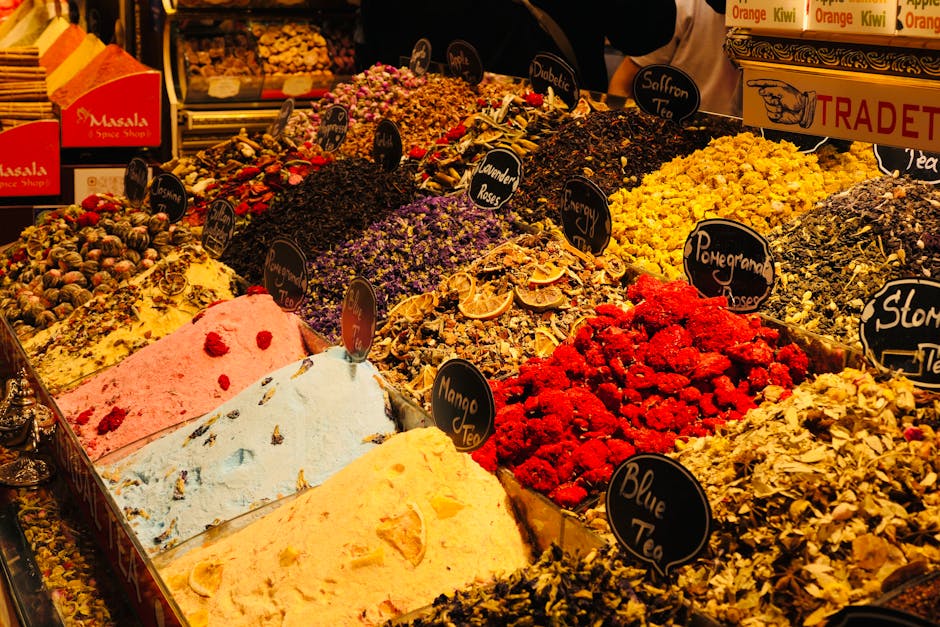
The Cairo spice market is one of the world’s most aromatic, affordable, and authentic — Egyptian cumin, coriander, karkadeh (hibiscus), black seed (habba sauda), dukkah blends, and dozens more spices grown along the Nile or imported through Egypt’s historic trade routes. The best buying happens at established spice shops like Khedr El Attar on El Moez Street (Islamic Cairo), where professional merchants serve both Cairo households and curious tourists with bulk-display freshness and realistic prices. Spices are some of the best, most packable, and most authentic Egyptian souvenirs you can carry home.
Where to shop, what a fair price looks like, how to judge quality by smell and colour, and how to get your purchases home intact: that is the full ground this 2026 spice market Cairo guide covers. Place it within our look at the city’s retail landscape, beside the main souk and its side lanes and guided eating around Cairo’s neighbourhoods.
Why Egyptian Spices Are Special
- Freshness: Egyptian spices sold in markets are often weeks-fresh, not month-old like Western supermarkets
- Quality: Cumin, coriander, and karkadeh from Egypt are among the world’s finest
- Price: 5–10x cheaper than Western specialty stores
- Variety: Hundreds of spices and blends
- Heritage: 4,000+ year spice trade tradition
- Packability: Light, durable, easy to transport
Light, cheap and unbreakable in a suitcase, spices are the rare souvenir that survives the flight without wrapping, which is why they rank high among the most packable Egyptian gifts.
Where to Shop for Spices in Cairo
Khedr El Attar — The Legendary Spice Shop
Located at #13 El Moez Street in Khan el-Khalili, Khedr El Attar is Cairo’s most respected spice shop. Features: The spice market Cairo experience continues to be one of the most rewarding parts of any Cairo itinerary.
- Used by Cairo home cooks and professional chefs
- Many items with posted fixed prices
- Vacuum-sealing service for travelers
- English-speaking staff for tourists
- Authentic Egyptian quality
Al-Muizz Street Spice Vendors
Walking down Al-Muizz Street reveals dozens of authentic spice merchants serving local cooks. Generally: The spice market Cairo experience continues to be one of the most rewarding parts of any Cairo itinerary.
- Better prices than Khan el-Khalili tourist stalls
- Less English spoken
- Bulk display purchases
- Best for adventurous travelers
Souq al-Tawfik (Downtown)
The downtown food market for daily Egyptian shopping. Better local prices, less tourist-focused. The spice market Cairo experience continues to be one of the most rewarding parts of any Cairo itinerary.
Khan el-Khalili Tourist Stalls
Convenient but typically 2–3x prices of dedicated spice shops. Quality variable. Best for small token purchases. The spice market Cairo experience continues to be one of the most rewarding parts of any Cairo itinerary.
Specialty Tea Shops
For karkadeh, mint, and chamomile, dedicated tea shops in Zamalek and downtown offer premium grades. The spice market Cairo experience continues to be one of the most rewarding parts of any Cairo itinerary.
The Best Spices to Buy in Cairo
1. Karkadeh (Hibiscus Tea)
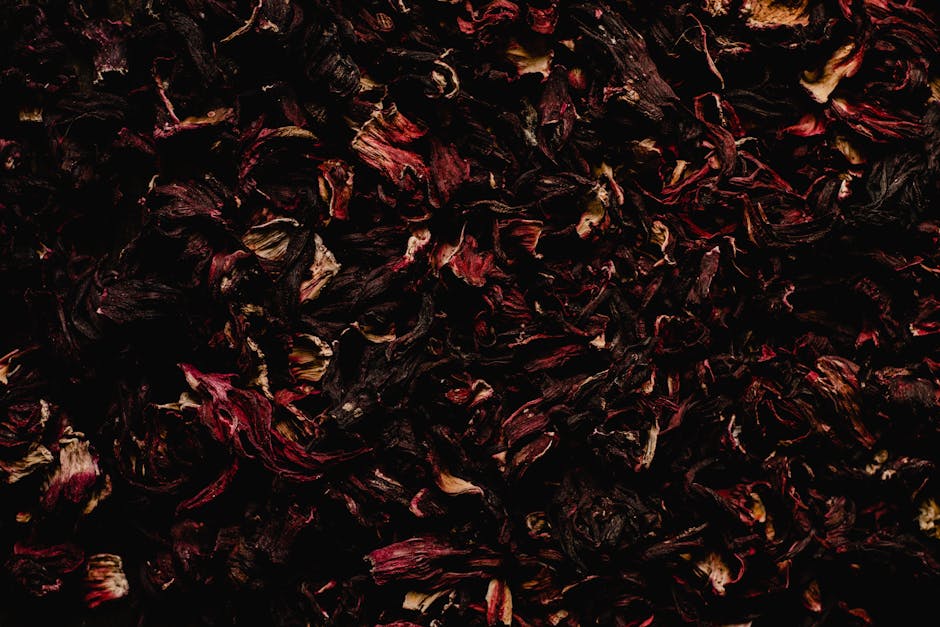
Dried red hibiscus flowers — Egypt’s national drink. Genuine Egyptian karkadeh has a depth of color and tartness unlike anything in Western supermarkets. The spice market Cairo experience continues to be one of the most rewarding parts of any Cairo itinerary.
- Price: 40–80 EGP for 250g
- Buy as: Whole dried flowers (not powder)
- Brew: Steep in hot water 5 min; sweeten to taste
2. Cumin (Kamoun)
Egyptian cumin is exceptionally aromatic — the foundation of Egyptian and Middle Eastern cooking. The spice market Cairo experience continues to be one of the most rewarding parts of any Cairo itinerary.
- Price: 30–60 EGP for 250g
- Buy as: Whole seeds (more aromatic) or freshly ground
- Use: Koshary, kebabs, lentil dishes
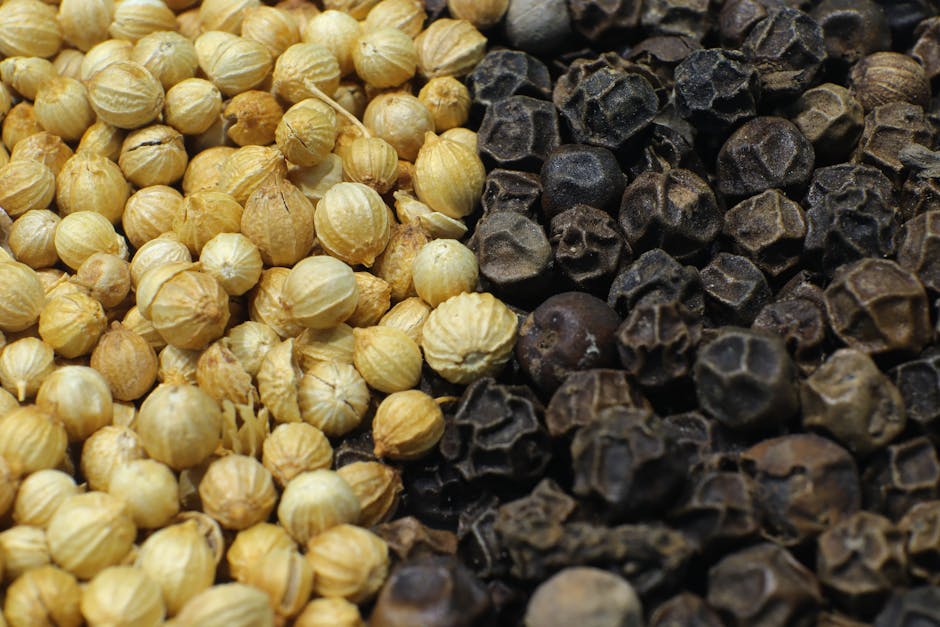
3. Coriander (Kuzbara)
Egyptian coriander seeds — bright, citrusy, and fresh.
- Price: 30–50 EGP for 250g
- Buy as: Whole seeds
- Use: Roasted meats, soups, spice blends
4. Black Seed (Habba Sauda / Nigella)
Tiny black seeds prized in Middle Eastern and traditional medicine — said to “cure everything but death” in Arabic tradition. The spice market Cairo experience continues to be one of the most rewarding parts of any Cairo itinerary.
- Price: 50–100 EGP for 250g
- Buy as: Whole seeds or cold-pressed oil
- Use: Sprinkle on bread; medicinal teas
5. Dukkah
Egyptian spice blend — toasted nuts, coriander, cumin, sesame, salt, pepper. Eaten with bread dipped in olive oil. The spice market Cairo experience continues to be one of the most rewarding parts of any Cairo itinerary.
- Price: 60–120 EGP for 250g
- Buy as: Coarse blend
- Use: Bread dip with olive oil; spice rub for meats
6. Sumac
Bright red, lemony spice from the sumac berry.
- Price: 40–80 EGP for 250g
- Buy as: Coarse ground
- Use: Salads (especially fattoush), grilled meats
7. Baharat (Arabic Spice Blend)
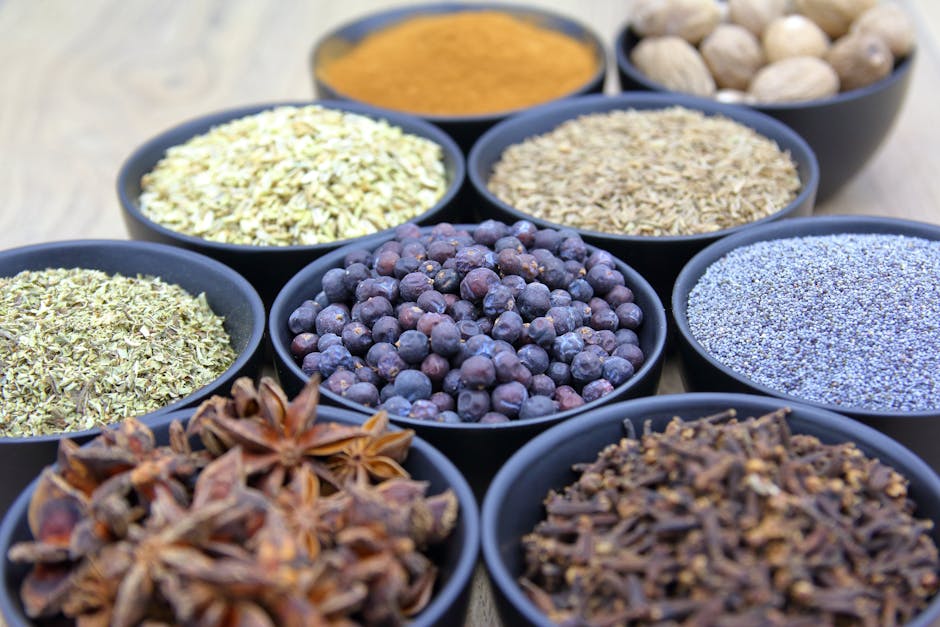
Mixed Arabic spice — typically allspice, black pepper, cinnamon, cloves, cumin, coriander, paprika. The spice market Cairo experience continues to be one of the most rewarding parts of any Cairo itinerary.
- Price: 50–80 EGP for 250g
- Buy as: Pre-mixed
- Use: All-purpose Middle Eastern seasoning
8. Cardamom (Hayl)
Green pods — central to Egyptian and Arabic coffee.
- Price: 200–400 EGP for 250g (expensive globally)
- Buy as: Whole pods
- Use: Egyptian coffee, biryani, desserts
9. Egyptian Saffron
Egypt doesn’t produce saffron, but Cairo souks sell imported saffron at good prices.
- Price: 800–1,500 EGP per gram
- Buy from: Trusted spice shops only — saffron is heavily counterfeited
- Verify: Real saffron releases yellow color in water, not red
10. Hibiscus, Mint, and Chamomile Teas
Egyptian herbal teas — fresh and aromatic.
- Price: 30–80 EGP per 100g
- Buy as: Loose-leaf
- Use: Daily Egyptian teas
11. Cinnamon (Erfa)
Fresh whole cinnamon sticks — fragrant and bright.
- Price: 40–80 EGP for 250g
- Use: Egyptian rice pudding, mahalabia, savory dishes
12. Egyptian Mahleb
Ground cherry pits with almond-vanilla aroma — used in Egyptian baking.
- Price: 80–150 EGP for 100g
- Use: Sweet breads, pastries
Egyptian cumin makes far more sense once you have tasted what it is for, namely the bowl of ful medames that opens the day, which we cover in how Cairo eats first thing.
Custom Spice Blends
Most established spice shops will create custom blends for you. Popular custom requests:
- Personal koshary spice blend
- Kebab/shawarma seasoning
- Egyptian curry blend
- Roasted-vegetable seasoning
- Custom dukkah variations
Cost: 80–150 EGP for 200g custom blend.
A personal koshary blend is a good souvenir and a better one once you have eaten the original at a proper downtown counter, so see where Cairenes actually eat koshary first.
How to Spot Quality Egyptian Spices
- Color: Vibrant, not faded
- Aroma: Strong and distinct from a few feet away
- Form: Whole spices (not ground) preserve freshness longer
- Cleanliness: No dust, debris, or rocks in the bin
- Turnover: Busy shops mean fresher stock
- Source: Vendor can tell you the origin (region, harvest time)
How to Transport Spices Home
- Vacuum-sealed: Most reputable shops will vacuum-seal for free or small fee
- Original packaging: Looks better at customs
- Carry-on rules: Most spices fine in carry-on; check your airline
- Customs declarations: Generally not required for personal use quantities
- Heat-resistant packaging: Avoid checked luggage in extreme heat
- Glass jars: Best for long-term home storage
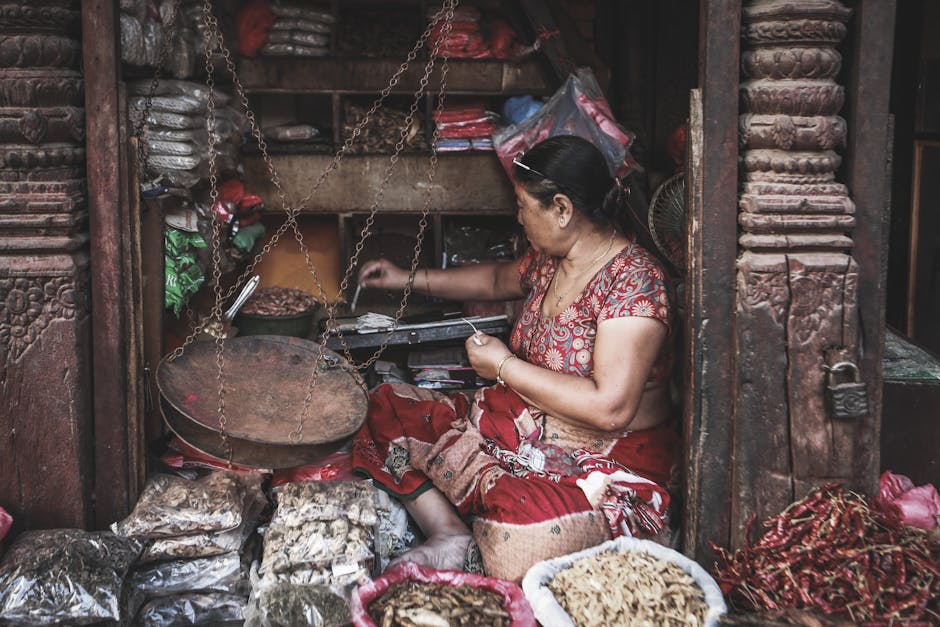
Spice Market Cairo Shopping Tips
- Bring small denominations of Egyptian pounds
- Negotiate prices except where labeled (Khedr El Attar has some fixed-price items)
- Buy in moderate quantities — most spices lose potency in a year
- Sample before buying (smell and small taste OK)
- Ask vendors which spices are freshest that week
- Don’t buy pre-packaged blends — bulk is fresher
- Visit weekday mornings for best selection and quietest experience
- Combine with Khan el-Khalili tour
- Avoid airport spice shops (3–5x markup, lower freshness)
Bulk spice stays negotiable even where Khedr El Attar posts fixed prices on the jars, and a little practice at keeping the haggling friendly goes a long way with merchants who still weigh by hand.
Haggling goes better in Arabic, even badly pronounced Arabic. Bekam? (how much?) followed by a smiling ghali awi (too expensive) shifts the opening price more reliably than walking away does. We list the dozen or so phrases worth memorising before you reach the stalls.
Cairo Spice Market — FAQ
Where’s the best place to buy spices in Cairo?
Khedr El Attar at #13 El Moez Street in Islamic Cairo is the most respected spice shop. Al-Muizz Street has more local merchants. The spice market Cairo experience continues to be one of the most rewarding parts of any Cairo itinerary.
What’s Egypt’s most famous spice?
Karkadeh (hibiscus tea) is Egypt’s national drink and a top souvenir.
How much does karkadeh cost?
40–80 EGP for 250g — about a quarter of Western specialty prices.
Should I buy whole or ground spices?
Whole — they retain aroma and flavor for years; ground spices lose potency in months.
How long do bought spices last?
Whole spices: 2–3 years; ground spices: 6–12 months in airtight storage.
Can I take spices on a plane?
Yes — most countries allow dried spices for personal use. Check your specific airline and destination rules. The spice market Cairo experience continues to be one of the most rewarding parts of any Cairo itinerary.
What’s dukkah?
Egyptian blend of toasted nuts, coriander, cumin, sesame, salt — eaten with bread and olive oil. The spice market Cairo experience continues to be one of the most rewarding parts of any Cairo itinerary.
Is bargaining required?
Yes for most market stalls, no for fixed-price items at Khedr El Attar.
What’s habba sauda (black seed)?
Nigella seeds — traditional Middle Eastern medicinal spice and bread topper.
Where can I buy Egyptian coffee?
Specialty coffee shops in Zamalek and Downtown; some Khan el-Khalili shops also.
Is Egyptian saffron real?
Egypt doesn’t produce saffron — Cairo sells imported saffron. Buy only from trusted shops; saffron is heavily counterfeited. The spice market Cairo experience continues to be one of the most rewarding parts of any Cairo itinerary.
What’s the best spice for koshary?
Egyptian cumin, coriander, and black pepper — Khedr El Attar has perfect blends.
Can I create custom blends?
Yes — most established spice shops will mix to your specifications.
Should I buy pre-packaged or bulk?
Bulk — fresher, cheaper, and you control quantity.
How long should I shop at the spice market?
1–2 hours for a good selection without overwhelm.
Pulling It Together
The Cairo spice market is among the world’s most rewarding souvenir-shopping experiences — vibrant, aromatic, affordable, and authentic. Start at Khedr El Attar on El Moez Street for the most reliable quality, branch out to Al-Muizz Street for local pricing, and bring home karkadeh, cumin, coriander, dukkah, and a custom blend you’ll remember every time you cook. Vacuum-seal everything; whole spices last years. This is the souvenir purchase that keeps giving long after you’re home from Cairo.
Spices are the cheapest thing on this list to get right, and the same shop-by-shop patience pays off with thread counts and mill labels worth checking, hallmarks stamped on Egyptian jewellery, and workshops where things are still made by hand.