This article contains advertising. Our booking links are routed through a partner that adds commission tracking automatically, so if you book through one we earn a commission from the provider, at no extra cost to you. It never affects what we recommend. Affiliate disclosure
The Cairo walking guide: Cairo isn’t traditionally considered a “walkable” city — its size, traffic, and heat work against pedestrians — but certain neighborhoods are exceptional walking destinations. Islamic Cairo, Coptic Old Cairo, Khan el-Khalili, Zamalek’s tree-lined streets, Maadi’s leafy avenues, and Heliopolis’s Belle Époque district all reward walkers with experiences impossible by car or Metro. The keys to enjoyable Cairo walking are timing (early morning or evening to avoid heat), neighborhood selection, comfortable shoes, and knowing where pedestrian-friendly zones end and the chaos of major arterials begins.
Crossing a Cairo street is a skill in itself, and this Cairo walking guide, current for 2026, covers the neighbourhoods that reward walking, the pedestrian habits that keep you safe and a set of routes worth following. It sits comfortably with our primer on metro, taxis and ride-hailing, our self-guided routes through the old quarters, and our take on which neighbourhoods suit visitors best.
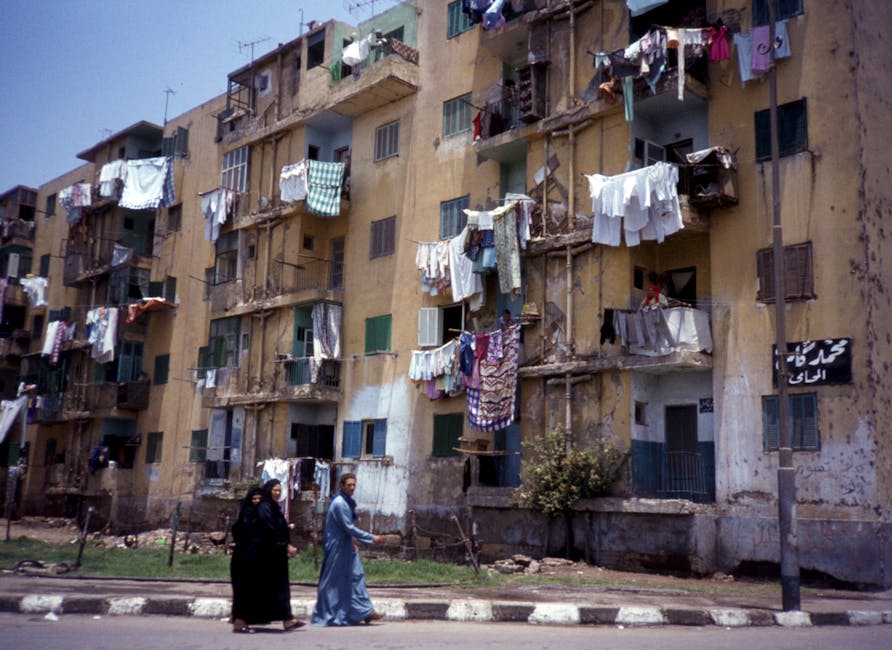
Cairo’s Most Walkable Neighborhoods
1. Islamic Cairo (Most Atmospheric)
Medieval streets, hundreds of mosques, traditional shops, and pedestrian-only zones around major monuments. Best walking destination for cultural depth. The Cairo walking guide experience continues to be a meaningful part of any Cairo itinerary.
- Pedestrian zones: Al-Muizz Street (largely pedestrianized after 6 PM)
- Highlights: Khan el-Khalili, Al-Azhar, Sultan Hassan Mosque, Bab Zuweila
- Best time: Late afternoon to evening
2. Coptic Old Cairo
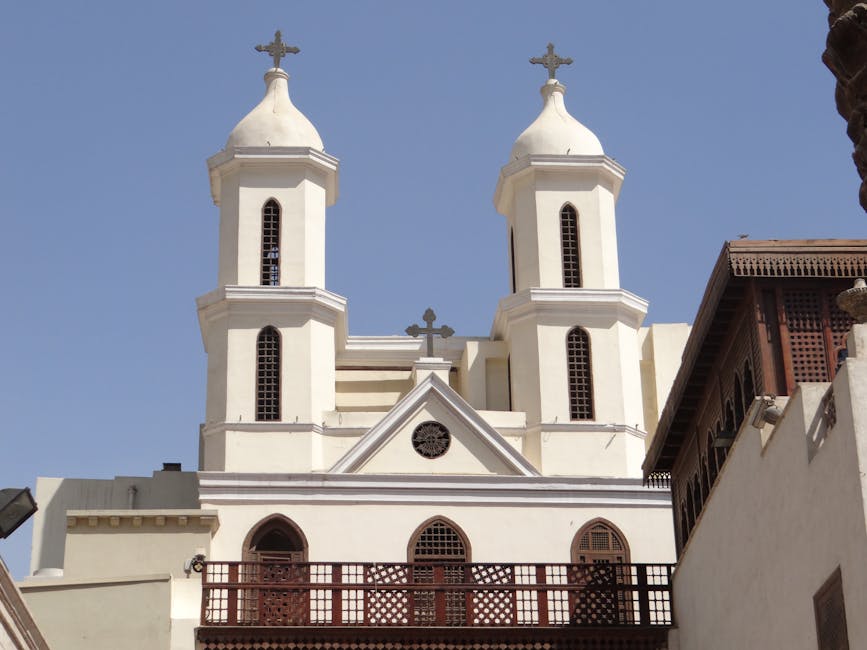
Compact ancient neighborhood of churches, synagogues, and Roman walls. Largely pedestrian.
- Highlights: Hanging Church, Coptic Museum, Ben Ezra Synagogue
- Walking time: 2–3 hours for complete exploration
3. Zamalek (Most Pleasant)
Leafy island neighborhood with tree-lined streets, embassies, art galleries, cafes, and boutiques. The Cairo walking guide experience continues to be a meaningful part of any Cairo itinerary.
- Best streets: 26 July Street, Brazil Street, Shagaret al Dorr
- Walking time: Half day for thorough exploration
- Atmosphere: European feel, safest for solo walkers
4. Maadi (Most Tranquil)
Garden-suburb with quiet residential streets, embassy district, expat cafes.
- Pedestrian-friendly: Wide sidewalks (rare in Cairo)
- Atmosphere: Suburban, peaceful
5. Heliopolis (Most Architectural)
Planned Belle Époque suburb with eclectic architecture from 1900–1940.
- Highlights: Baron Empain Palace, Heliopolis Basilica, El-Korba district
- Walking time: Half day
6. Downtown Cairo (Most Historic)
Khedive Ismail’s 19th-century European-style downtown with Talaat Harb, Cafe Riche, and historic department stores. The Cairo walking guide experience continues to be a meaningful part of any Cairo itinerary.
- Best streets: Talaat Harb, Qasr al-Nil, 26 July Street
- Caution: Crowded and bustling — not relaxing
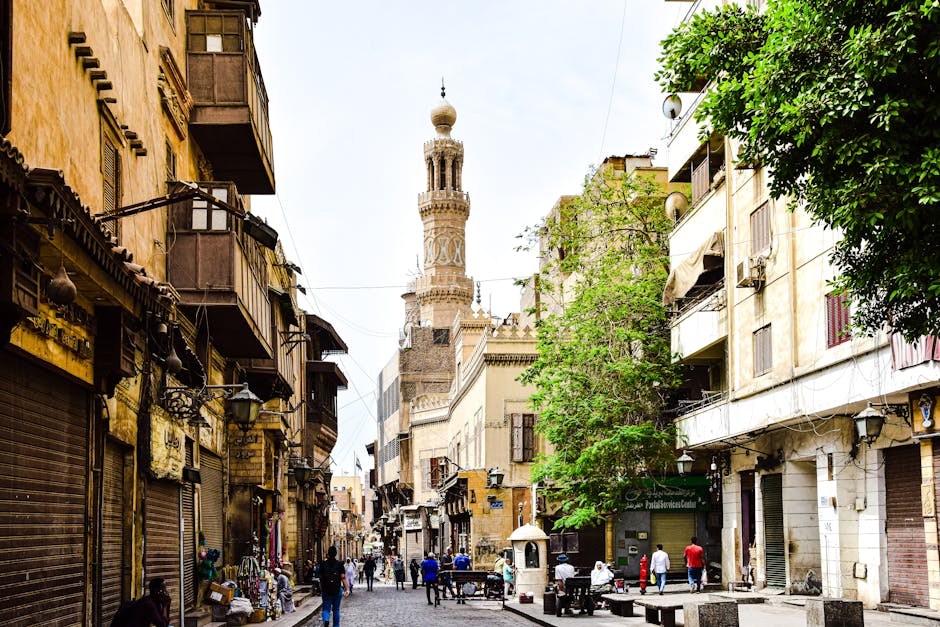
Al-Muizz Street after six is the obvious walk here, and it delivers you straight into the lanes of the medieval souk behind Al-Azhar, which deserves a couple of hours of its own.
Best Cairo Walking Routes
Route 1: Islamic Cairo Loop (4 hours)
- Start: Khan el-Khalili
- El Fishawy coffee (30 min)
- Walk south through Al-Azhar district
- Al-Muizz Street walking tour (1 hour)
- End: Bab Zuweila / Tentmakers Bazaar
Route 2: Zamalek Belle Vie (3 hours)
- Start: Cairo Tower
- Walk north on 26 July Street
- Antique shops on Shagaret al Dorr
- Coffee at L’Aubergine or Cilantro
- End: dinner at a riverside restaurant in Zamalek
Route 3: Coptic Cairo Half Day (3 hours)
- Start: Coptic Museum
- Hanging Church
- Greek Orthodox Saint George
- Ben Ezra Synagogue
- End: Babylon Fortress walls
Route 4: Downtown Cairo (2 hours)
- Start: Tahrir Square
- Walk Talaat Harb Street
- Cafe Riche (1908 historic cafe)
- Qasr al-Nil Street
- End: Egyptian Museum
Route 5: Heliopolis Belle Époque (Half day)
- Start: Baron Empain Palace
- Heliopolis Basilica
- El-Korba shopping district
- Belle Époque architecture walk
- End: Heliopolis cafe lunch
Cairo Walking Safety Tips
- Watch traffic: Cairo drivers don’t stop for pedestrians — wait for gaps or follow locals
- Cross with locals: Most reliable way to navigate intersections
- Stay on main streets: Avoid empty alleys at night
- Watch underfoot: Uneven sidewalks, open utility holes
- Daylight preferred: Sunset best for atmosphere
- Keep valuables hidden: Wallet front pocket, no flashy jewelry
- Solo female travelers: Stick to Zamalek, Maadi, Heliopolis
- Carry water: Cairo is dry; dehydration common
- Sun protection: Hat, sunscreen, sunglasses
- Phone GPS: Google Maps works well; offline maps backup
What to Wear Walking in Cairo
- Shoes: Closed-toe walking shoes (sidewalks are uneven)
- Clothing: Modest — long pants/sleeves, especially in Islamic Cairo
- Color: Light colors reflect heat
- Hat: Brimmed for sun protection
- Bag: Crossbody bag, hands free
- Layers: Mornings/evenings cool; days hot
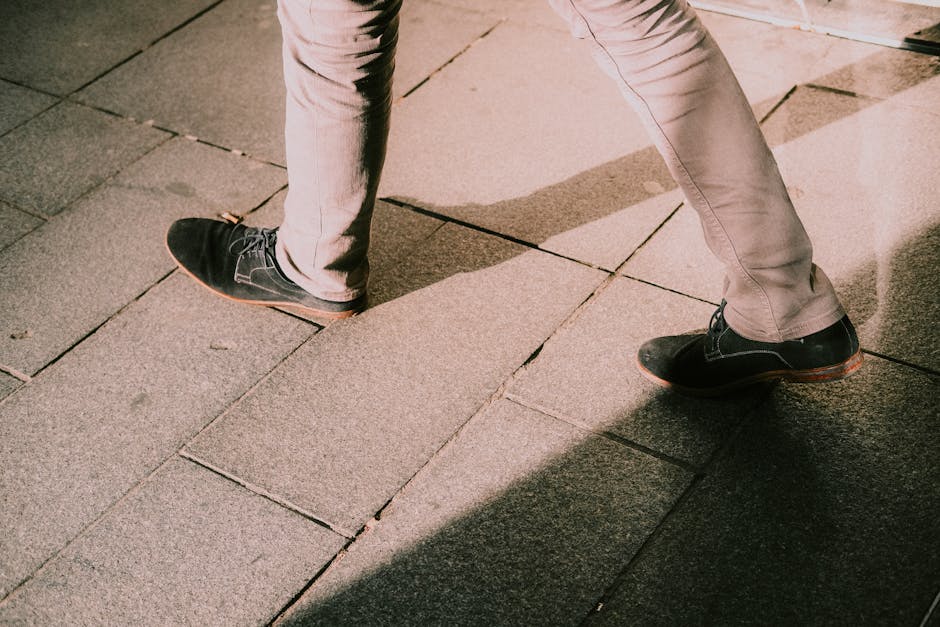
Best Time to Walk in Cairo
- Early morning (7–9 AM): Coolest, quietest
- Late afternoon (4–6 PM): Heat fading, golden light
- Sunset (6–7 PM): Most atmospheric
- Evening (7–10 PM): Cooler, social, lit-up neighborhoods
- Avoid: Midday (especially summer) — 35°C+ heat
Cairo Walking Challenges
- Traffic: Constant horn-honking, motorbikes, no pedestrian priority
- Sidewalks: Often missing, broken, or blocked
- Crossings: Few pedestrian signals
- Heat: Summer afternoons unbearable
- Pollution: Air quality varies
- Touts: Persistent vendors in tourist areas
- Distance: Cairo is enormous; walking only practical within neighborhoods
Cairo’s sheer size is the challenge no amount of good footwear solves, so plan to cover the long gaps between districts by car and keep a few Arabic phrases for drivers handy for the ones you flag down.
Combining Walking with Other Transport
Cairo’s optimal approach combines:
- Uber/Careem for crossing the city to walking destinations
- Walking within each neighborhood
- Metro for longer direct routes
- Felucca for Nile transport experiences
The Metro leg is the one visitors skip most often, usually because it looks harder than it is, when in practice buying a ticket takes two minutes and saves half an hour of traffic.
Cairo Walking Guide FAQ
Is Cairo walkable for tourists?
Within neighborhoods, yes — especially Islamic Cairo, Zamalek, Coptic Cairo, Heliopolis.
What’s the most walkable neighborhood?
Zamalek for atmosphere; Islamic Cairo for cultural depth.
Is walking in Cairo safe?
Generally yes during the day. Stick to main streets at night.
What time is best for walking?
Early morning, late afternoon, or evening — avoid midday heat.
What should I wear?
Modest clothing, closed-toe shoes, hat, light colors.
Can I walk to the Pyramids?
Not from central Cairo — 20 km distance. Walk within the Pyramid complex once there.
Are there pedestrian zones?
Yes — Al-Muizz Street (largely pedestrianized), Khan el-Khalili interior, parts of Coptic Cairo. The Cairo walking guide experience continues to be a meaningful part of any Cairo itinerary.
How do I cross Cairo streets safely?
Wait for traffic gaps or cross with locals — Cairo drivers don’t yield to pedestrians.
Are sidewalks good?
Variable — Zamalek, Maadi, Heliopolis good; Downtown crowded; Islamic Cairo varies.
Can solo female travelers walk safely?
Yes in Zamalek, Maadi, Heliopolis during daylight. Be cautious in crowded markets.
What about walking at night?
Safe in main areas — Zamalek, Khan el-Khalili (lit), downtown main streets.
Are guided walking tours worth it?
Yes for Islamic Cairo and Coptic Cairo where history needs context.
What’s the worst time for walking?
Summer midday (June-August, 12–4 PM) — 40°C+ heat dangerous.
Should I bring water?
Yes — Cairo is dry; carry at least 500ml.
Can I use Google Maps?
Yes — works well in Cairo. Offline maps backup recommended.
Pulling It Together
The Cairo walking guide reveals a more walkable city than first impressions suggest — provided you stick to the right neighborhoods (Islamic Cairo, Coptic Old Cairo, Zamalek, Maadi, Heliopolis), pick the right times (early morning, late afternoon, evening), and combine walking with Uber/Careem for cross-city trips. The pedestrian experience of Al-Muizz Street at evening lantern-light or a Zamalek sunset stroll along the Nile is among Cairo’s best — impossible to replicate in any vehicle. Wear comfortable shoes, carry water, dress modestly, and let yourself get a little lost in the medieval streets.
Legs eventually give out, and the wider network takes over from there: our explainer on routes, fares and stops handles the short hops, while river crossings and commuter boat services and the various ways to reach the plateau cover the longer ones.