
This article contains advertising. Our booking links are routed through a partner that adds commission tracking automatically, so if you book through one we earn a commission from the provider, at no extra cost to you. It never affects what we recommend. Affiliate disclosure
Short version: yes, Cairo is broadly safe for tourists in June 2026. Tourist sites carry a significant security presence, with extra measures in place. The real risks are scams, traffic, and persistence-of-vendor — not violence.
I want to be honest with you, though, because the question “is Cairo safe” usually hides a quieter one: will I be okay on my own, in a 22-million-person city, in a part of the world that makes the evening news? Fair question. So this isn’t a tourism-board reassurance piece. It’s the read I’d give a friend who texted me the night before booking — what the advisories actually say right now, which neighbourhoods to skip, exactly how the scams work, what solo women should expect, and the handful of habits that quietly prevent ninety percent of the small problems. If you’re sorting out the bigger picture too, our full Cairo trip planner and the first-time visitor primer cover the rest. This one is about safety, full stop.
The honest safety snapshot for 2026
Here’s the thing nobody tells you before you land: Cairo often feels more policed than the European capital you flew from. You will notice that security on the tourist trail. Tourist police at every major site. Metal detectors and bag scanners at the door of every decent hotel, museum and mall. Checkpoints on the roads in and out of the centre. Whatever anxiety the word “Egypt” carries, the lived experience around the monuments is closer to “slightly over-secured” than “lawless.”
What that means in practice:
- Tourist arrivals in Egypt rose 7% in the first four months of 2026.
- The Tourist Police are recognisable by their uniforms and are the first people to find if something goes wrong. To report a crime, phone them on 126.
- Security checkpoints on central roads are routine and nothing to be nervous about. Keep your passport on you.
- Violent crime against tourists is statistically rare, and Egyptian authorities treat it with a severity that genuinely deters it.
- The realistic concerns are petty theft, scams, and hassle — annoyances, mostly, not dangers.
None of that makes Cairo a theme park. It’s a real, sprawling, gloriously chaotic megacity, and “safe” here means “safe with your wits about you,” the same as Naples or Mexico City or any big place worth visiting.
What the travel advisories actually say right now
This is where a lot of articles get vague, so let me be specific about where things stand in mid-2026. Advisories differ by government and by region, so check your own government’s current advice. The UK, for one, puts no restriction on Cairo or Giza but advises against travel to specified parts of Egypt.
United States (State Department): Egypt is at Level 2 — Exercise Increased Caution, citing terrorism, crime and health. Northern and Middle Sinai, Egyptian border areas and the Western Desert sit at Level 4, “Do Not Travel,” though the Western Desert warning does not apply if you travel with a professionally licensed tour company. Cairo, Giza and the standard sites fall under the broad Level 2 — no special elevated warning for the capital itself.
United Kingdom (FCDO): The Foreign Office advises against all travel to the North Sinai Governorate, and against all but essential travel to the Western Desert west of the Nile Valley and Delta — with the usual tourist spots specifically carved out as fine (Luxor, Qina, Aswan, Abu Simbel, the Valley of the Kings, and the Giza-to-Farafra road within 50km either side). Cairo is treated as accessible. The current advice, updated on 4 August 2026, warns that the regional situation remains unpredictable, so read it again before you travel.
Canada and Australia both sit at “exercise a high degree of caution,” with the same regional carve-outs for Sinai and the western border zones.
The practical translation is short: Cairo, Giza, Saqqara, Dahshur, Alexandria, the Nile cruise corridor (Luxor and Aswan) and the Red Sea resorts are all considered normal tourism. The places the advisories warn against or call for extra care are North Sinai, the Libyan border area, parts of South Sinai, the Ismailiyah Governorate east of the Suez Canal and parts of the Western Desert, so read the current advice and map for any route beyond the usual sights. Do check your own government’s page in the week before you fly, because the regional-tension language gets tightened or loosened as events shift.
The risks that are real vs the ones in your head
Most people arrive braced for the wrong thing. They’re worried about terrorism and end up getting fleeced on a taxi fare. So let’s rank what’s actually likely.
Scams — the number-one tourist tax
Your biggest financial risk in Cairo isn’t being robbed. It’s being talked, charmed or pressured into paying three times what something’s worth. The “free” gift, the “closed” entrance, the broken-meter taxi, the papyrus shop your driver “just needs to stop at” — full playbook below. Learn the patterns and they lose almost all their power.
Petty theft in crowds
Pickpocketing is the realistic crime risk, and it’s geographically concentrated: Khan el-Khalili bazaar, the metro at rush hour, the crush around Al-Hussein Mosque, the Pyramids parking lot. A zipped cross-body bag, your phone in a front pocket, and no wallet in your back pocket handles it. Keep a little backup cash separate from the rest.
Traffic — genuinely the thing to respect
I mean this plainly: Cairo’s roads are more dangerous to you than its criminals. Road travel needs real caution: the WHO estimated Egypt’s road-traffic death rate at 9.4 per 100,000 people in 2021. More on crossing streets and which transport to trust below, but if you take one safety lesson seriously, make it this one.
Hassle and harassment
Persistent vendors, would-be “guides,” and — for women especially — verbal attention. Wearying on a hot day, rarely dangerous. It’s a stamina thing more than a fear thing.
What you’re probably over-worried about
Violent crime against tourists: rare. Terrorism: extra security measures are in place at tourist sites, though the FCDO warns that attacks can target places visited by foreigners. The statistical reality for a Cairo tourist is ordinary big-city travel, not a war zone.
The common Cairo scams, and exactly how to shut them down
Almost every traveller’s worst Cairo story is a scam, not a crime. Here’s the catalogue — once you can see them coming, they’re more comedy than threat.
- The “free” gift. Someone presses a trinket, a flower, a paper headdress into your hand, all smiles — then wants paying. Don’t accept anything from strangers. Hand it straight back and keep walking.
- The “closed entrance” at the Pyramids. A man near the gate or your hotel insists the official entrance is shut and he’ll take you to the “real” one. It always ends at a stable, a shop, or a “guide” fee. The site is open daily; use the official visitor-centre entrance on the Cairo–Fayoum road, and check the official ticket information before you travel.
- The camel-ride dismount trick. The classic. A low price to get on the camel, then a wildly higher one to get off. Agree price, route and duration before you mount — ideally in writing on your phone — and book through a known stable rather than a freelancer in the car park.
- Taxi meter games. “Broken” meters, scenic detours, the “sorry, no change for that note” routine. Skip all of it: use Uber, Careem or inDrive, where the price is fixed and the route is tracked. If you must flag a street cab, agree the fare first.
- Papyrus and perfume “institutes.” A driver or tag-along guide steers you to a friend’s shop for the hard sell. Polite and firm does it: “Not buying today, please take me to [destination].” Good operators don’t do shop stops anymore — if yours suggests one, decline.
- Fake officials. Inside the Egyptian Museum or the GEM, someone “on staff” offers a special room or to snap your photo for a tip. Real staff wear ID and don’t solicit. A friendly “no thank you” ends it.
- The currency switch. You hand over a 200 EGP note; the vendor claims it was a 20. Count cash out slowly and say the amount aloud as you pay.
- The friendly chat that becomes a sales pitch. “My brother studies in your country,” “come for free tea” — rapport first, a perfume shop or a bill second. Conversation is part of Cairo’s charm; the instant a sales angle appears, that’s your exit cue.
The throughline: scammers rely on your not wanting to be rude. Egyptians themselves say no constantly and cheerfully. Borrow that energy.
Cairo neighbourhoods, ranked for safety
Cairo is huge and wildly uneven block to block. Where you base yourself matters — our where to stay in Cairo guide goes deep on neighbourhoods and hotels, but here’s the safety-only read.
| Area | Read for tourists |
|---|---|
| Zamalek | Leafy Nile island, embassies, walkable, easy. Safe at all hours. |
| Maadi | Quiet, green, big international community. Safe. |
| Garden City | Diplomatic quarter, heavily policed. Safe. |
| Giza tourist strip | Hotel zone near the Pyramids; saturated with security. |
| Heliopolis (parts) | Largely fine, especially near the airport and main hotels. |
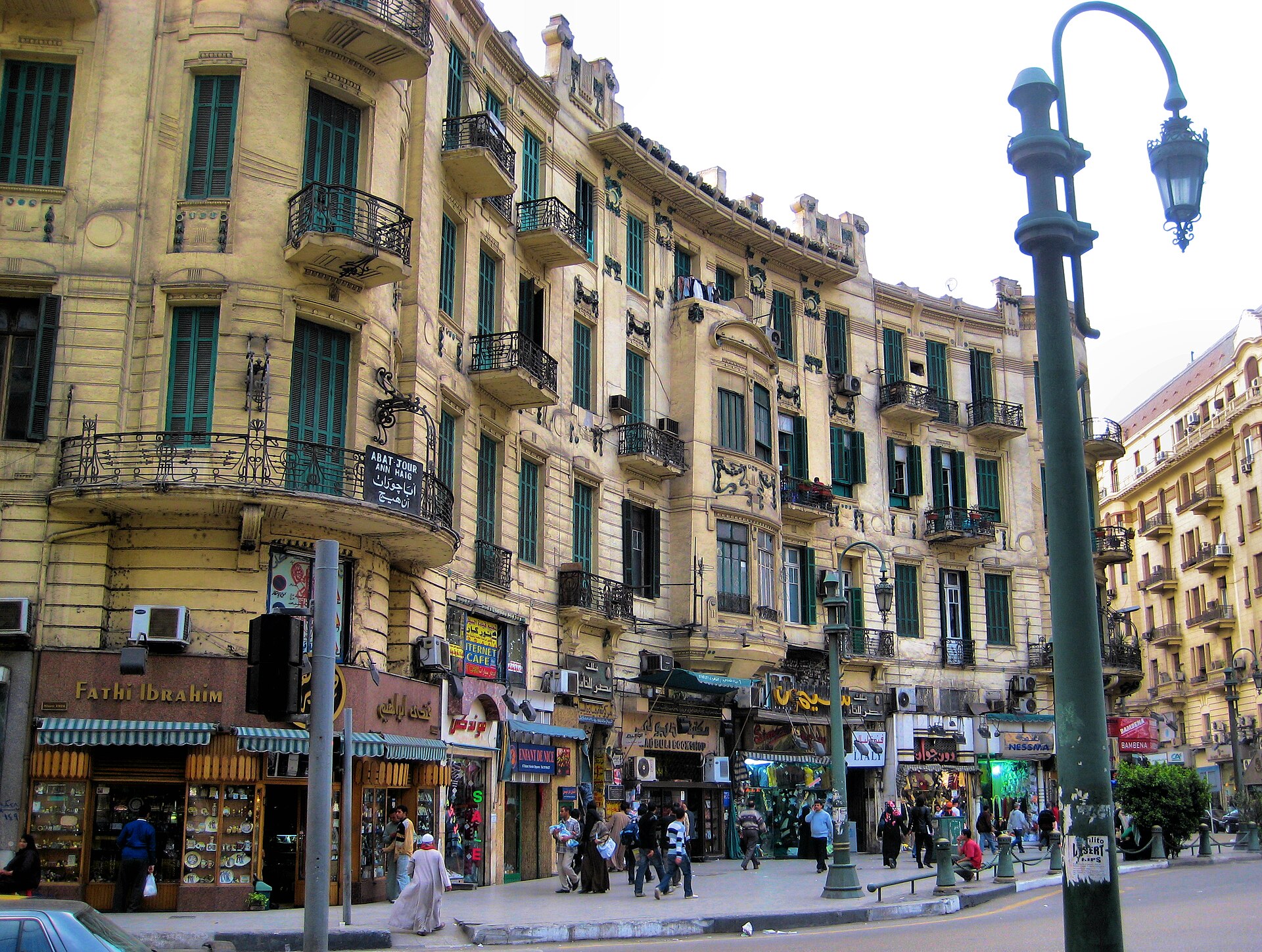
| Downtown (Wust al-Balad) | Atmospheric and policed near Tahrir. Standard crowd precautions. |
| Khan el-Khalili / Islamic Cairo | Great by day, pickpocket-aware in crowds. Go by Uber or in a group after dark. |
| Coptic Cairo | Compact, calm, well-monitored on a daytime visit. |
Areas I’d skip as a casual tourist, especially after dark: the City of the Dead (Qarafa), a living cemetery district with its own complex social fabric; Mansheyat Nasr (the “Garbage City”), fine on an organised community tour but not for solo wandering; and working-class districts well off the tourist map like Imbaba, Al-Matariya and Ain Shams. And the universal one: empty alleys in any neighbourhood late at night. Stick to busy streets and ride-share home.
Solo female travellers: the honest read
Women travel solo in Cairo every single day and come home with the trip of a lifetime. I won’t pretend it asks nothing extra of you, though, because it does — more situational awareness than most of Europe. Here’s the straight version for 2026.
The main thing you’ll deal with is verbal: catcalls, staring, the odd unwanted comment, most often when you’re alone or with other women rather than with a man. It’s tiring, and it’s real, but it almost never escalates beyond words. The standard, effective response is to not engage — no eye contact, keep moving, an assertive flat “la’a” (no) if someone’s persistent. Egyptian women shut this down sharply all the time; it’s culturally normal to do so.
Beyond that, a few habits make a genuine difference:
- Dress on the modest side. Shoulders and knees covered in public; full coverage plus a scarf for mosques. Loose linen, long skirts, light trousers — comfortable in the heat and they cut down the attention.
- Ride-share over street taxis, always, when you’re alone. The app logs the trip; share your live route with someone.
- Use the women-only metro carriages. There are two, in the middle of the train, so follow the markings on the platform. Worth it at rush hour.
- Avoid empty streets and side alleys after dark. Main roads or a car, nothing in between.
- Base yourself somewhere well-reviewed and central — Zamalek, Maadi, Garden City, downtown, the Giza strip.
- Trust your gut and leave. If something feels off, exit assertively. You don’t owe anyone politeness over your own comfort.
Plenty of solo women split the difference nicely: a small-group tour for the Pyramids and any Nile cruise for company and logistics, with Zamalek and downtown saved for independent wandering. If you’re travelling alone more broadly, the planning in our pre-departure checklist for Egypt is worth a look before you pack.
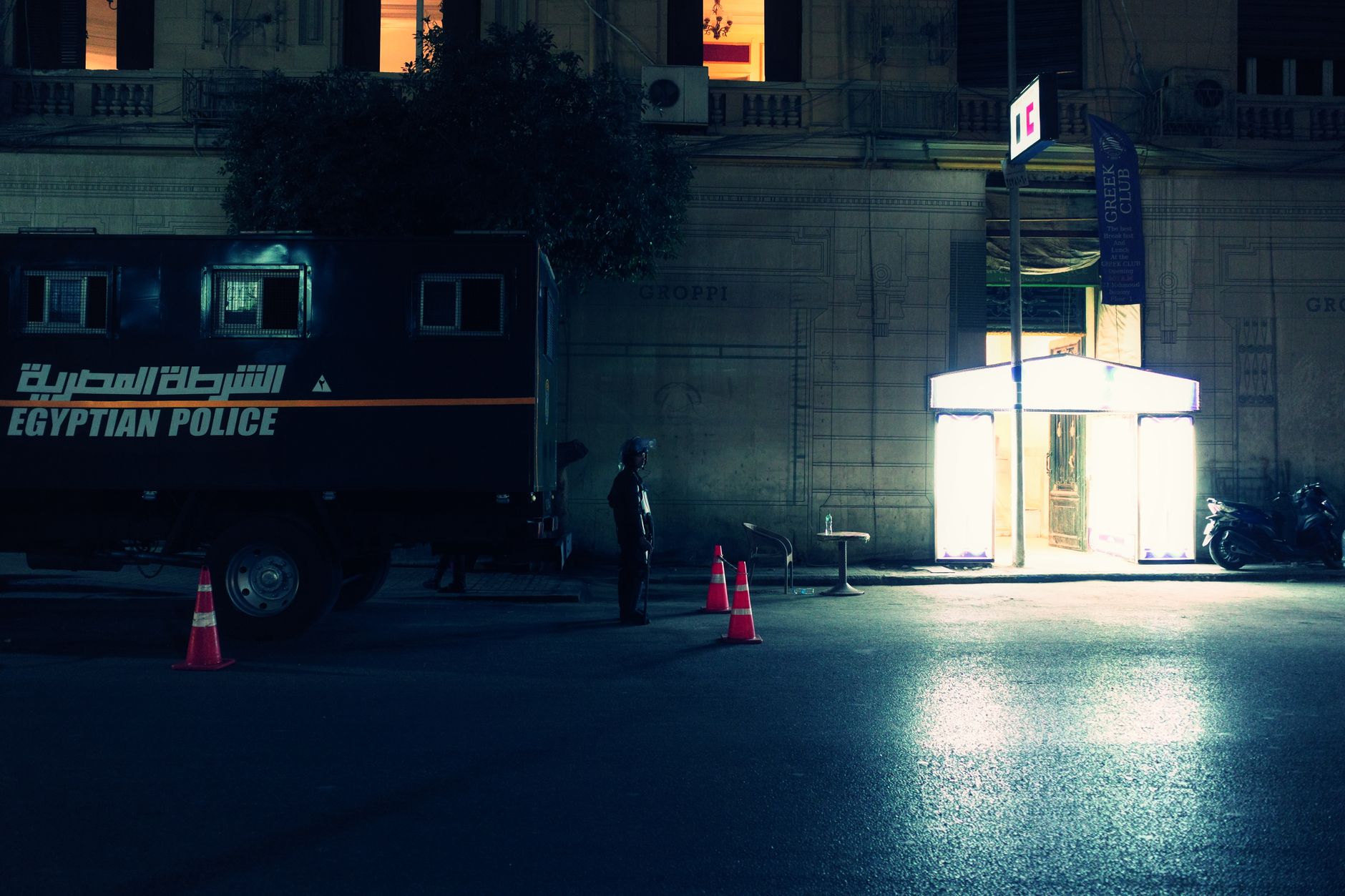
Verbal harassment is the part everyone warns you about, but the rest of the solo experience, from picking a hotel with a lobby worth sitting in to eating dinner without an audience, asks different things again of anyone going it alone in this city.
There is considerably more to say here than one section allows. The dedicated read for women travelling alone gets into clothing choices that genuinely reduce attention, how the women-only metro carriages work in practice, and the specific phrases that end a persistent conversation quickly.
Families, kids, and the heat
Egyptians adore children, and Cairo is a surprisingly easy family destination once you manage the logistics. Honestly, heat and dehydration are a bigger threat to kids here than crime. A private driver for sightseeing days removes the taxi haggling and adds a second watchful adult who knows the ground. Build in afternoon hotel breaks, pile on hats, sunscreen and water, and tuck a hotel address card (in Arabic) into each kid’s pocket in case anyone wanders. Keep them close in Khan el-Khalili and the Pyramids car park, and maybe save camel rides for older children — a horse-drawn carriage or a short pony walk suits little ones better.
LGBTQ+ travellers: discretion is the watchword
I’d be doing you a disservice to gloss this. Egypt is socially conservative, and same-sex relationships are not legally or socially accepted. There’s no law against orientation as such, but “debauchery” and “public morality” charges have been used against LGBTQ+ people, and that’s the honest 2026 reality. Travellers visit without trouble every day by staying discreet: no public displays of affection (straight couples follow the same norm), no dating apps while you’re in the country (entrapment has been reported), and a low profile in conversation and photos. Upscale international hotels won’t blink at a couple booking one room; smaller local places occasionally might.
Getting around without getting hurt
Back to the traffic, because it earns its own section. Your day-to-day risk in Cairo lives on the road, not in a dark alley. A few firm rules:
- Don’t rent a car. Driving here as a visitor is genuinely hazardous, and not worth the saved fare.
- Use Uber, Careem or inDrive for crossing town — cheap, tracked, no haggling.
- The metro is safe and great — policed, fast, air-conditioned. Just mind your bag in packed carriages.
- Cross streets the local way: slowly and predictably, so drivers can flow around you. Do not run or dart — that’s what causes accidents.
- Buckle up in any car (older taxis sometimes lack belts), and skip overnight intercity buses — daytime trains or buses are safer.
- At the airport, use the official taxi desk, ride-share, or a pre-booked transfer; ignore the touts who approach you in arrivals.
For the full breakdown of the metro lines, ride-share apps and white-taxi etiquette, our getting around Cairo transportation guide is the one to bookmark.
Health and medical basics
Your most likely “incident” in Cairo involves your stomach, not a stranger. Drink bottled water only — for drinking, brushing teeth, and ice in the first few days. Eat where it’s busy and reputable for the first 48 hours, then branch into street food once you’ve acclimatised. Hydrate hard on Pyramid days (three-plus litres in summer is not an exaggeration), and wear sunscreen and a hat even in winter, because the Egyptian sun is unforgiving. Carry travel insurance with medical evacuation — non-negotiable. Pharmacies are everywhere and well-stocked, and the well-regarded private hospitals with English-speaking staff include As-Salam International in Maadi, Cleopatra Hospital in Heliopolis, and Dar El Fouad out in 6th of October City.
Terrorism and political risk, in proportion
Terrorism is the thing driving most of those government advisories, so let’s put it in proportion. Security is significant, with extra measures at tourist sites, though the FCDO warns that attacks can target places visited by foreigners. The bulk of counterterrorism activity sits in North Sinai — far from any normal itinerary. The sensible, low-effort precautions: steer clear of demonstrations and large political gatherings, don’t photograph military or police installations, carry your passport for routine checkpoints, and skim the news in the days before you fly. Flare-ups in the wider region can nudge the advisory language; a quick check the week of departure is all it takes.
If something does go wrong
Save these numbers in your phone before you land. Egypt’s general emergency number is 112, and each service has its own direct line:
- 112 — general emergency
- 122 — police
- 123 — ambulance
- 126 — tourist police (the number to call to report a crime)
- 180 — fire
Petty theft or a scam: stay calm — shouting never helps. For a scam, just walk away firmly; don’t get drawn into an argument. For theft, report it to the nearest tourist police and to your hotel, and ask for a written police report for your insurance. Cancel cards immediately if your wallet’s gone.
Lost passport: file a police report, then contact your embassy in Cairo for an emergency replacement; turnaround depends on your nationality and circumstances.
Medical emergency: call your travel-insurance assistance line first if you can; they’ll point you to the right hospital and sort direct billing where possible. Otherwise dial 123 for an ambulance.
The daily-habits checklist
None of this is onerous. It becomes automatic by day two.
- Carry your passport (or a clear colour copy, original locked in the hotel)
- Default to Uber, Careem or inDrive over street taxis
- Keep cash in two places — front pocket and a hidden pouch
- Phone in a front pocket, zipped cross-body bag
- Bottled water only
- Agree prices before camel rides, taxis and any “free” guide
- Don’t accept gifts or unrequested “help” from strangers
- Save the emergency and embassy numbers in your phone
- Share your day’s plan with someone at home
- No empty streets after dark — ride-share home
- Dress modestly in public
- Keep small EGP notes handy for tips and little purchases
Frequently asked questions
Is it safe to walk around Cairo at night?
In tourist-friendly neighbourhoods — Zamalek, Maadi, Garden City, the main shopping areas — yes, on busy, well-lit main streets. Skip empty side alleys and take a ride-share back to your hotel after a late dinner rather than wandering.
Are women safe in Cairo?
Yes, with awareness. The honest catch is verbal harassment — catcalls and staring, almost always non-physical. Dress modestly, ride-share instead of walking alone late (the FCDO advises women to take care alone, especially at night in taxis), and use the women-only metro cars.
Should I actually worry about terrorism in Cairo?
The statistical risk is low. Extra security measures are in place at tourist sites, though attacks can target places visited by foreigners. Advisories cite terrorism as a general, region-wide concern; the day-to-day experience for a tourist is normal urban travel.
Will the Tourist Police really help me?
Yes. They’re posted at every major site, speak basic English, take incidents seriously, and your hotel will phone them on your behalf fast if you need it. Save 126.
Is it safe to use ATMs and exchange money?
Yes — use ATMs attached to major banks (CIB, NBE, QNB) inside the branch or in a hotel lobby, and change money only at banks or licensed exchanges. Never exchange cash on the street, where counterfeit notes turn up.
What about the airport?
Cairo International is well-secured. Take the usual precautions on arrival: keep valuables secure, and use the official desk, a ride-share or a pre-arranged hotel transfer rather than a tout.
So — should you go?
If your trip is Cairo, Giza, Saqqara, Alexandria, a Nile cruise, or the Red Sea — go, and don’t lose sleep over it. Cairo rewards the traveller who packs a bit of street sense alongside the sunscreen: settle prices upfront, ride-share rather than haggle, drink bottled water, dress with the local grain, and read the city for what it honestly is — a hospitable, deeply historic, slightly mad megacity that gives back far more than the small care it asks. The itineraries that warrant a rethink are the ones that head into North Sinai, the Libyan border area, parts of South Sinai or the Western Desert, so check the current advisory before you plan any of them.
Related reading: pair this with the documents, meds and packing checklist for practical prep, the most-asked Cairo questions for quick answers, and the first-time visitor guide for day-of tactics. And always glance at the US State Department’s Egypt advisory or the UK FCDO Egypt advice in the week before you fly.
Photo Credits
Talaat Harb Square in central Cairo: Midan Talaat Harb (Central Cairo) (2347961902) by Francisco Anzola, CC BY 2.0, via Wikimedia Commons.