Khan el-Khalili Bazaar is Cairo’s most famous market — a 14th-century medieval souk in the heart of Islamic Cairo where over 600 years of trade tradition still drives daily life. Built originally in 1382 during the Mamluk period, the bazaar today is a labyrinth of narrow alleys lined with shops selling jewelry, copper and brass, perfumes, spices, carpets, leather goods, lanterns, cartouches with hieroglyphic name inscriptions, and authentic Egyptian crafts. Khan el-Khalili remains a working market for locals while also serving as Cairo’s top tourist shopping destination — visit, get lost, haggle hard, and leave with souvenirs you’ll treasure for decades.
Everything you need for the Khan el-Khalili Bazaar in 2026 sits here: the souk’s history, what is genuinely worth buying, how bargaining actually works, which shops to trust, a seat at El Fishawy, and how to keep your bearings in the lanes. It belongs inside our wider survey of Cairo’s markets and souvenir hunting, alongside the city’s headline sights and experiences and routes you can walk without a guide.
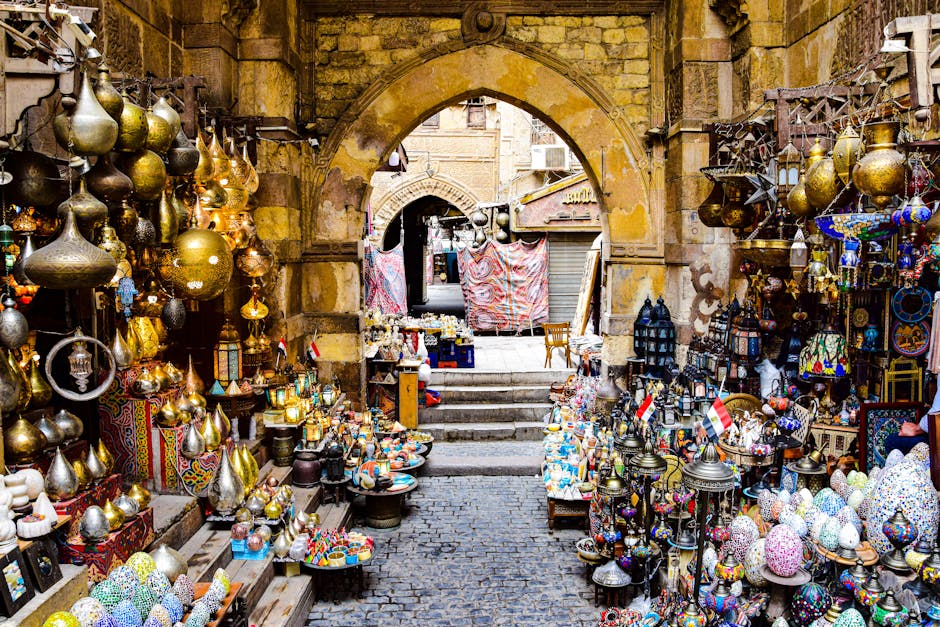
What Is Khan el-Khalili Bazaar?
Khan el-Khalili is a vast bazaar covering several blocks of Islamic Cairo’s medieval quarter. Originally built in 1382 by Mamluk Emir Jarkas al-Khalili as a caravanserai (khan) for traveling merchants, the market has expanded across 600+ years. Today it’s: The Khan el-Khalili Bazaar experience continues to be one of the most rewarding parts of any Cairo itinerary.
- The largest tourist bazaar in Egypt
- A working market for Cairenes who still shop here daily
- Open 9 AM until late evening (most shops 10 AM – 10 PM)
- Closed Friday morning (most shops); fully open Saturday–Thursday
- Located next to Al-Hussein Mosque and Al-Azhar Mosque in Islamic Cairo
Khan el-Khalili History
The bazaar has evolved through six centuries:
1382 — Mamluk Foundation
Built by Mamluk Emir Jarkas al-Khalili as a caravanserai for traveling merchants from across the Middle East and Africa. The Khan el-Khalili Bazaar experience continues to be one of the most rewarding parts of any Cairo itinerary.
14th–16th Centuries — Trade Hub
Khan el-Khalili became a stop on the Cairo trade routes connecting Asia, Africa, and Europe. Merchants from Persia, Yemen, and India traded silks, spices, and precious metals here. The Khan el-Khalili Bazaar experience continues to be one of the most rewarding parts of any Cairo itinerary.
17th–18th Centuries — Ottoman Period
Under Ottoman rule, the bazaar continued to thrive as a commercial center. The area developed its current architectural style with distinctive Ottoman arches and arcades. The Khan el-Khalili Bazaar experience continues to be one of the most rewarding parts of any Cairo itinerary.
19th–20th Centuries — Tourism Era Begins
Western European tourists discovered the bazaar in the 1800s and it became a fixed part of Egyptian tourism. By the 20th century, it had specialized increasingly in souvenirs and crafts. The Khan el-Khalili Bazaar experience continues to be one of the most rewarding parts of any Cairo itinerary.
21st Century — Modern Khan el-Khalili
The bazaar today balances tourist trade with local commerce. Some shops sell authentic crafts; others sell mass-produced souvenirs. Knowing the difference is the key to a great visit. The Khan el-Khalili Bazaar experience continues to be one of the most rewarding parts of any Cairo itinerary.
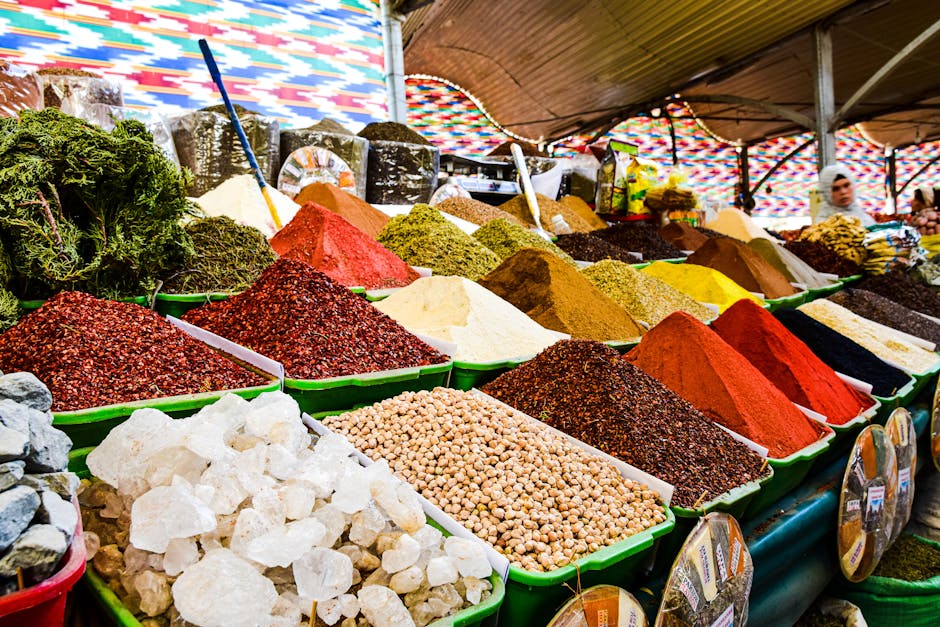
What to Buy at Khan el-Khalili
1. Cartouches (Hieroglyphic Name Pendants)
The signature Khan el-Khalili souvenir — your name (or a chosen word) rendered in hieroglyphics in a gold or silver oval pendant. A good cartouche from a reputable jeweler takes 30–60 minutes to engrave by hand. Prices: 18K gold ~$80–150 small, silver ~$25–50. The Khan el-Khalili Bazaar experience continues to be one of the most rewarding parts of any Cairo itinerary.
2. Copper and Brass
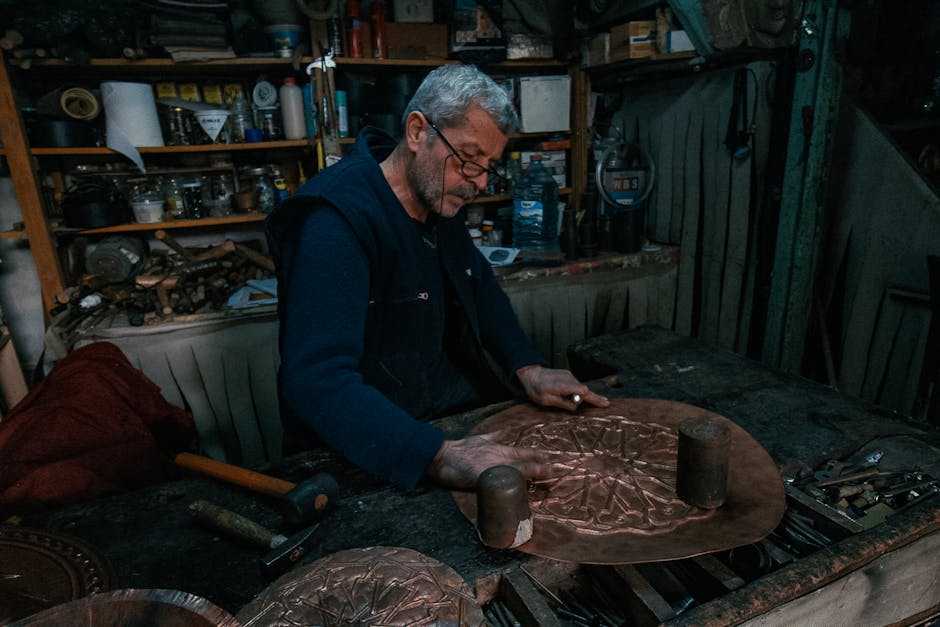
Hand-hammered copper and brass trays, coffee pots (kanaka), serving sets, and decorative items. The brass coffee tray with foldable wooden legs is an iconic purchase. The Khan el-Khalili Bazaar experience continues to be one of the most rewarding parts of any Cairo itinerary.
3. Lanterns (Fanoos)
Brass or stained-glass Egyptian lanterns — both functional and decorative. Sizes from small ornaments to large hanging lamps. Iconic Ramadan-style designs are most popular. The Khan el-Khalili Bazaar experience continues to be one of the most rewarding parts of any Cairo itinerary.
4. Spices
Egyptian cumin, coriander, sumac, dukkah blends, hibiscus (karkadeh), and saffron. Always buy from dedicated spice shops, not tourist stalls. Khedr El Attar on El Moez Street is legendary. The Khan el-Khalili Bazaar experience continues to be one of the most rewarding parts of any Cairo itinerary.
5. Perfume Oils
Egypt is famous for natural perfume oils — sandalwood, oud, lotus, jasmine, amber. Find legitimate perfumeries that let you sample and create custom blends. The Khan el-Khalili Bazaar experience continues to be one of the most rewarding parts of any Cairo itinerary.
6. Alabaster Sculptures
Hand-carved alabaster (Egyptian translucent stone) statues, bowls, and figurines. Look for craftsmanship details — alabaster shops near the Citadel often have higher quality. The Khan el-Khalili Bazaar experience continues to be one of the most rewarding parts of any Cairo itinerary.
7. Egyptian Cotton
Hand-loomed cotton scarves, towels embroidered with hieroglyphic motifs, and traditional Egyptian galabeyya robes. The Khan el-Khalili Bazaar experience continues to be one of the most rewarding parts of any Cairo itinerary.
8. Hookahs (Shisha)
Authentic Egyptian hookah pipes (shisha) with carved metalwork and glass bowls. A working Egyptian hookah makes a striking display piece.
9. Silver Jewelry
Khan el-Khalili silver shops offer scarabs, ankhs, Egyptian hieroglyph designs, and Bedouin-style pieces. Always negotiate.
10. Leather Goods
Bags, sandals, wallets, belts. Quality varies wildly — check stitching, leather thickness, and finishing.
Those hand-hammered copper and brass pieces are usually made a few streets away rather than in the shop selling them, and you can meet the makers themselves at Cairo’s working artisan workshops.
What to AVOID Buying at Khan el-Khalili
- “Antique” pharaonic statues: Almost all are reproductions. Genuine antiquities cannot be legally exported from Egypt.
- “Papyrus paintings”: Most are dried banana leaf — see our papyrus buying guide.
- Anything in dollar prices: If a vendor only quotes US dollars, you’re being marked up. Insist on Egyptian pounds.
- “Solid gold” without hallmark: Real gold must be hallmarked. Without it, walk away.
- Pre-packaged spice blends: Usually inferior to bulk spices from established shops.
The banana-leaf problem is worth taking seriously before you spend anything on a painting, and the light test that settles it in seconds is explained in our guide to telling real papyrus from banana leaf.
Bargaining at Khan el-Khalili
Bargaining is expected and part of the experience:
- Start at 30–50% of the asking price
- Final price is usually 50–70% of the original ask
- Walk away if needed — vendors often call you back
- Use Egyptian pounds, not dollars
- Be friendly but firm
- Compliment the wares
- Be willing to actually walk away if the deal isn’t right
- Multiple purchases get better discounts
Opening at 30–50% of the asking price is the right instinct, though the full seven-step method, the Arabic phrases and the scams worth spotting early are set out in our guide to how haggling actually works in Cairo.
El Fishawy Cafe — The Khan el-Khalili Institution
No Khan el-Khalili visit is complete without El Fishawy — the legendary 200+ year old cafe in the bazaar’s heart. Features:
- Open 24 hours since 1797
- Traditional Egyptian shisha, mint tea, Turkish coffee
- Wood-paneled antique decor with mirrors and chandeliers
- Famously featured by Naguib Mahfouz (Egyptian Nobel laureate)
- Sit at a small marble-topped table on the alley
- Watch the bazaar life pass by
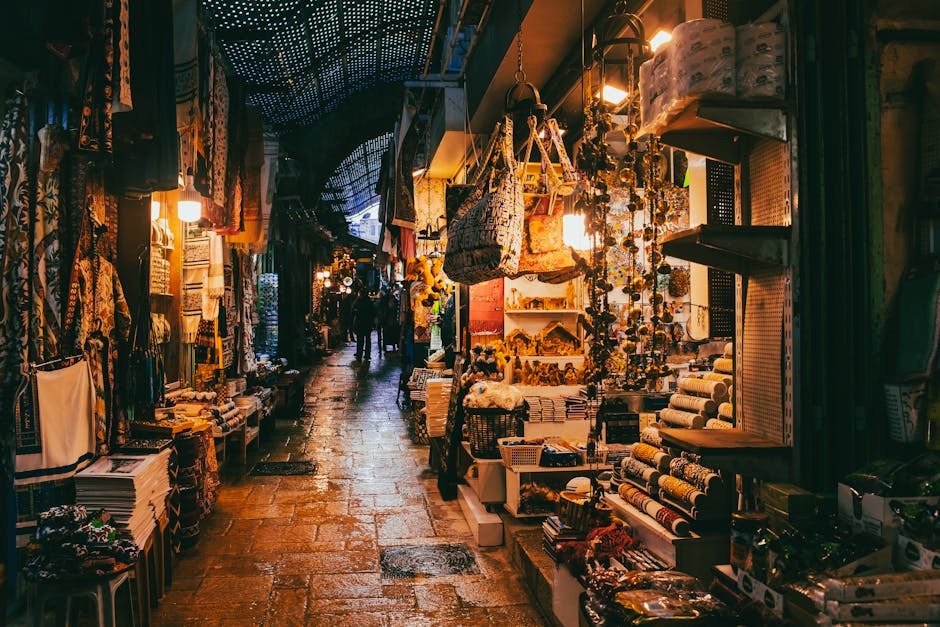
Best Time to Visit Khan el-Khalili
- Morning (9–11 AM): Quieter, vendors more patient, easier negotiation
- Evening (7–10 PM): Lanterns lit, atmospheric, magical photography
- Friday morning: Most shops closed for prayer
- Friday afternoon: Most lively, also most crowded
- Avoid: Friday midday
Lantern light flatters everything, but pointing a lens at a shopkeeper without asking sours a visit fast. Egypt’s rules on where cameras are welcome cover mosque interiors, tripod and drone restrictions, museum photo fees, and the checkpoints where the phone should stay in your pocket.
Practical Tips for Khan el-Khalili
- Bring cash (Egyptian pounds): ~90% of shops are cash-only
- Wear closed-toe shoes: Streets are uneven cobblestone
- Dress modestly: This is a working Islamic neighborhood
- Carry small denominations: Change can be difficult
- Be patient with touts: Some persistent — a polite “no thank you” usually works
- Don’t rush: Half a day minimum for a meaningful visit
- Hire a guide: Especially for first visits — they translate, navigate, and prevent scams
- Have a destination shop in mind: Otherwise easy to get overwhelmed
- Drink water: The bazaar is hot, especially summer afternoons
- Watch your pockets: Crowded areas have occasional pickpocketing
Two or three words of Arabic change the tone of every stall interaction, and vendors notice immediately. We list the phrases worth learning before you bargain, along with greetings, numbers, polite refusals and rough pronunciation for each — fifteen of them will carry you through a morning.
How to Get to Khan el-Khalili
- Location: Islamic Cairo, next to Al-Hussein Mosque
- By taxi/Uber: 10–15 min from central Cairo (~50–80 EGP)
- Metro: Bab al-Shaaria or Ataba (Line 2) — 10 min walk
- Walking distance to: Al-Hussein Mosque, Al-Azhar Mosque, Al-Muizz Street
Combining Khan el-Khalili with Islamic Cairo
A complete Islamic Cairo half-day:
- Khan el-Khalili shopping (2–3 hours)
- El Fishawy cafe break (30–45 minutes)
- Al-Hussein Mosque visit (15 min)
- Al-Muizz Street walking tour (1.5 hours)
- Al-Azhar Mosque visit (30 min)
- Dinner at Naguib Mahfouz Cafe
The Al-Muizz Street leg of that half-day walks you straight past Khedr El Attar at number 13, so leave an hour in the schedule and read up on where to buy Egyptian spices before you set off.
Khan el-Khalili FAQ
When was Khan el-Khalili built?
1382 by Mamluk Emir Jarkas al-Khalili as a caravanserai.
What hours is it open?
Most shops 10 AM – 10 PM. Closed Friday morning for prayer; lively Friday evening.
Is haggling required?
Yes — virtually every transaction involves bargaining. Marked prices are rare.
What currency should I use?
Egyptian pounds. Most shops only accept cash; cards rare.
What’s the most popular souvenir?
Cartouches (hieroglyphic name pendants) are the signature Khan el-Khalili souvenir.
Is the bazaar safe?
Generally yes — extremely well-policed and tourist-friendly. Standard pickpocketing precautions apply in crowded areas.
How long should I spend there?
2–4 hours for a meaningful visit including shopping and coffee.
What if I get lost?
The bazaar is a labyrinth — staying near major landmarks (Al-Hussein Mosque, Al-Azhar) helps. Don’t panic — exits are always near.
Are credit cards accepted?
Rarely. Most shops are cash-only.
Do shops have set prices?
Rarely. Most expect bargaining; only a few “modern” shops have fixed prices.
Can I buy real gold here?
Yes from licensed jewelers — look for hallmarks and certificates. Most authentic at the El-Sagha gold district within Khan.
Can I take photos?
Most vendors welcome photos of their shops. Always ask before photographing people.
What’s the best entrance?
Through Al-Azhar Square (south) for first-time visitors; Bab al-Ghuri (north) for evening lantern lighting.
Are guides necessary?
Not necessary but highly recommended for first visits — they translate, navigate, and prevent overpayment.
What time of year is best?
October–April for cooler weather. Summer afternoons can be 35°C+ inside the alleys.
Pulling It Together
The Khan el-Khalili Bazaar is more than a shopping destination — it’s an active 14th-century institution that continues to define Cairo’s character. Visit twice if you can: once in the morning for serious shopping, and once at night for the magical lantern-lit atmosphere. Take your time, bargain hard, drink mint tea at El Fishawy, and walk away with souvenirs that have real Egyptian provenance. Just remember: most “antiquities” are reproductions, papyrus is usually banana leaf, and your best bargaining tool is the willingness to walk away.
Once the bazaar’s rhythm makes sense, the specialist counters are where the real money goes: read up on judging gold by weight and karat before you step into the goldsmiths’ alley, then compare genuine Egyptian cotton sheets and towels and hunting for antiques and vintage finds in the quieter streets off Al-Muizz.