This article contains advertising. Our booking links are routed through a partner that adds commission tracking automatically, so if you book through one we earn a commission from the provider, at no extra cost to you. It never affects what we recommend. Affiliate disclosure
Update, 15 October 2026: the show’s official site, soundandlight.show, says that Sound and Light shows at the pyramids are temporarily suspended due to development works. Check it for the latest before you plan an evening around the show; the rest of this guide describes the show as it runs when performances resume.
The Sound and Light Show at the Pyramids is a roughly hour-long evening performance where floodlights wash over the Pyramids of Giza, orchestral music plays through outdoor speakers, and a deep recorded voice — meant to be the Sphinx — narrates the story of the pharaohs. When it is running, it costs around 1,000 EGP (about $20-25) for foreign adults, and is dated but genuinely lovely as a way to see the monuments lit up after dark.
I’ll be straight with you: this is not cutting-edge son et lumière. The script was written in another era and it sounds it. But I still send most first-timers, and here’s the honest version of why, plus everything you need to actually pull it off — showtimes, languages, where to buy, the seats that don’t ruin the audio, and how to bolt it onto a Pyramids day or dinner without the evening collapsing into a logistics headache. For the daytime visit and the bigger picture, start with our full walkthrough of the Giza plateau.

What the Sound and Light Show actually is
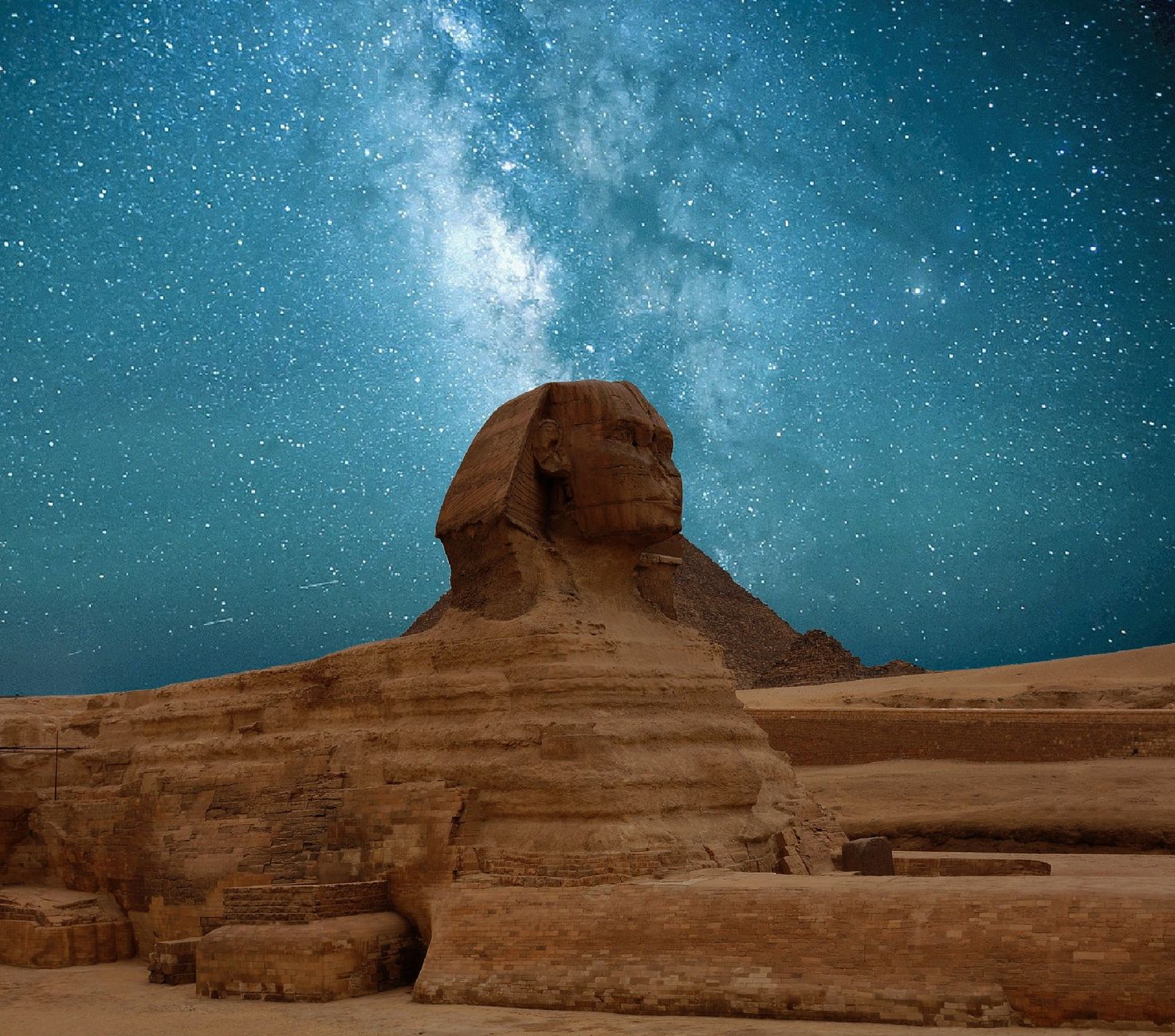
The show has run on the Giza Plateau since 1961, with periodic tech refreshes since. The format hasn’t changed much: you sit in an open-air amphitheatre facing the Sphinx, with the three pyramids rising behind it, and for about an hour coloured floodlights pick out different parts of the monuments in sequence while the Sphinx “speaks” the history of Khufu, Khafre and Menkaure over swelling music.
It is theatrical in a very 20th-century way. The narration is grand and a little melodramatic, the lighting is broad floodlight rather than the pixel-mapped projection you might have seen at European cathedrals, and the music wouldn’t be out of place in an old documentary. None of that is a secret, and I’d rather you know it walking in than feel oversold.
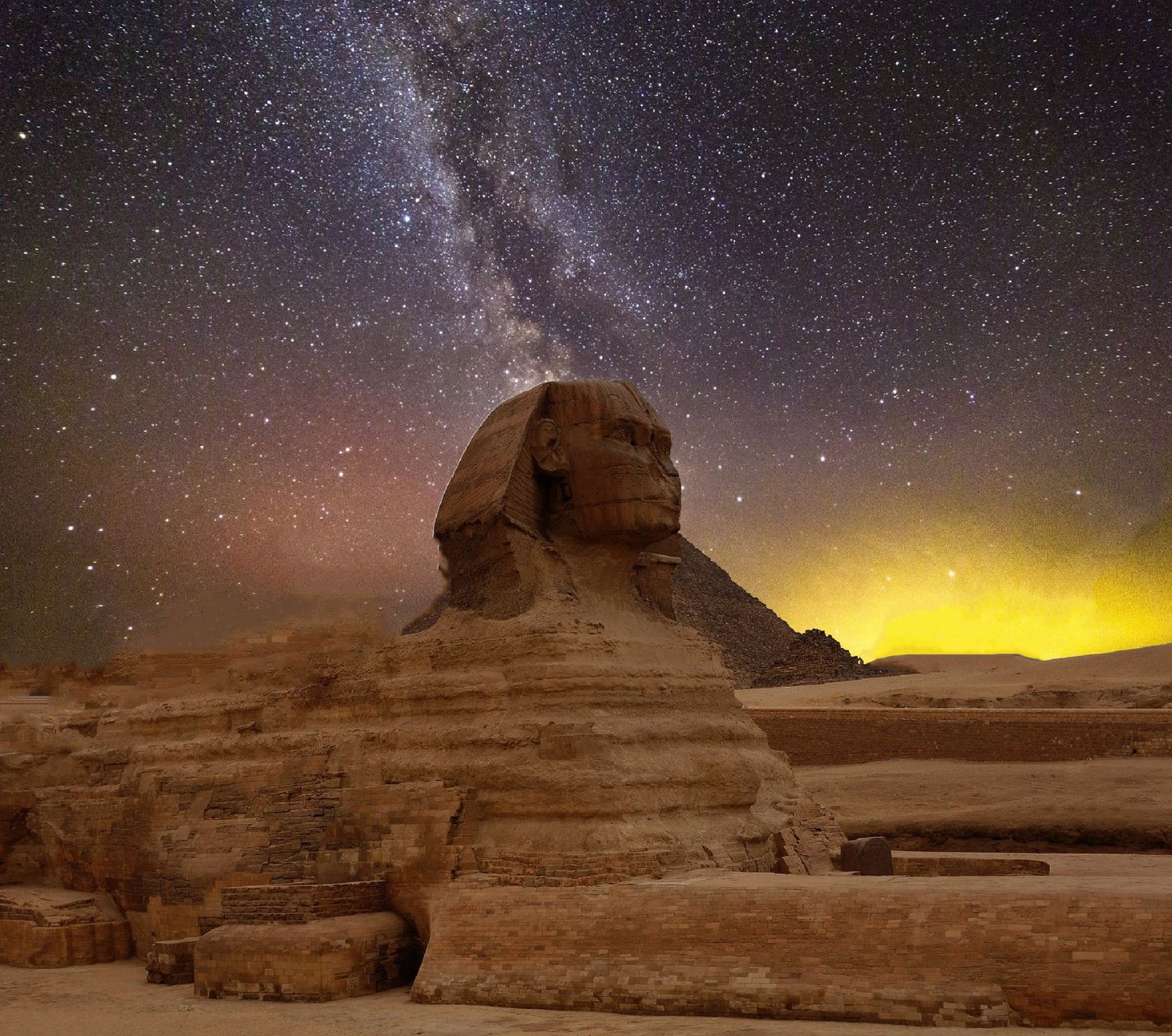
What rescues it — completely — is the backdrop. You are looking at the last surviving wonder of the ancient world, floodlit, against a black desert sky, with the city glow behind you. Even a basic light cue lands differently when it’s the Great Pyramid catching the light. People who roll their eyes at the script still tend to go quiet during the wide illumination at the climax.
Showtimes by season
There are usually two showings a night, an hour apart, and the start time slides with the season because it has to be properly dark. Roughly:
| Season | First show | Second show |
|---|---|---|
| Winter (around Oct-Apr) | 7:00 PM | ~8:00 PM |
| Summer (around May-Sep) | 8:30 PM | ~9:30 PM |
These shift, and they can move again during Ramadan to work around iftar, so treat them as a guide and confirm the exact slot for your date when you book. The show runs every night of the year, weather permitting — actual cancellations are rare in Cairo, but a genuinely stormy or very dusty night can scrap it, in which case operators usually refund or rebook.
Languages and the headset system
This is the part people get wrong, so pay attention here. The show is performed in a set language each night, but it cycles. Across the week you’ll see roughly ten languages in rotation: English, French and Arabic come up most often for the live narration, with German, Spanish, Italian, Russian, Japanese and Polish also in the mix.
For languages that aren’t the main narration on your night, you’re given headphones at the entrance that carry the audio in your language. You’ll typically leave an ID or a small deposit for the headset and hand it back on the way out. The practical takeaway: if hearing it in your own language matters, don’t just walk up and hope — book a specific night and confirm the language, because walk-up selection can be limited.
Prices and how to book
For 2026, a standalone gate ticket for a foreign adult runs in the region of 1,000 EGP — call it about $20-25. Egyptians and residents pay considerably less, students with a valid ISIC card get a meaningful discount, younger children are usually half-price and the very young go free. Tour packages that wrap in hotel pickup and a private transfer cost a lot more, commonly $40-120 per person depending on how much hand-holding is included.
| Ticket | Rough price |
|---|---|
| Adult (foreign) | ~1,000 EGP / about $20-25 |
| Adult (Egyptian/resident) | significantly less |
| Student (with ISIC) | discounted |
| Child (around 6-12) | roughly half-price |
| Show + transfer package | $40-120 per person |
One 2026 reality to plan around: Egypt’s monument ticket offices have largely gone card-only, and the Pyramids site is squarely in that shift. Expect to pay by card at the gate. I’d still carry some cash — not for the ticket, but for an Uber driver, a tip, or a bottle of water — because the area outside doesn’t run on plastic. For the daytime monument fees and the same card-only situation, our Giza Pyramids tickets and prices guide lays it out in full.
You’ve got four sensible ways to buy:
- The official website — soundandlight.show lets you pick the date, language and number of seats and pay by card. This is the cleanest route if a specific language matters.
- A tour operator — GetYourGuide, Viator, Memphis Tours and the local outfits sell the show with hotel pickup bundled in. More expensive, but you don’t think about transport.
- At the gate — the show has its own ticket booth, separate from the daytime entrance. Fine if you’re flexible on language; arrive 30 minutes early.
- Your hotel concierge — convenient, usually a 10-20% markup for arranging it.
Where to sit, and getting there
The entrance is on the Sphinx side of the plateau, not the main daytime gate — make sure your driver knows that, because they are not the same place and the confusion costs people the start of the show. Aim to arrive at least half an hour early, both for the security and ticket scan and to get a decent seat.
On seating: the amphitheatre is open-air with tiered bench rows facing the Sphinx. The sweet spot is the middle, roughly three to five rows back and central. Sit there and you get clean sightlines and, crucially, the best audio — the speaker balance is uneven, and the back and far edges can sound muddy. Skip the very front and the very back.
It’s outdoors, so dress for it. Desert evenings cool off fast once the sun’s down; in winter you’ll want a proper layer, and even summer nights can get breezy. Long sleeves and trousers double as mosquito cover, which you’ll appreciate in warmer months — bring repellent if you’re there May to September. Closed-toe shoes are smart on the gravel, and a phone with a half-decent low-light camera will get you usable shots (a small tripod helps for long exposures and is generally tolerated at the back).
Is it worth it? My honest verdict
Yes — with caveats. If it’s your first time in Cairo, you have a free evening, and you’d like to see the Pyramids after dark without booking an expensive pyramid-view hotel room, go. It’s an easy, atmospheric, low-effort hour, and kids who’d melt down at a midday plateau visit often perk up for the lights and music. For most visitors, the magic of the setting outweighs the dated production, and that’s the whole calculation.
I’d skip it if you’ve already seen it, if theatrical spectacle isn’t your thing and you prefer quiet, immersive experiences, or if you’re staying somewhere like Mena House or another pyramid-view hotel where you can watch the same illumination from a terrace with a drink, for free. And if your Cairo days are tight, this is an easy thing to cut — the daytime monuments, the Grand Egyptian Museum and a proper meal all earn their slots first.
Manage your expectations on the production and you’ll have a good night. Walk in expecting a high-tech projection-mapping show and you’ll be disappointed. Walk in wanting to sit under the stars and watch the Great Pyramid glow while a booming voice tells you about Khufu, and it delivers exactly that.
Combining it with dinner or a Pyramids day
The show works best as the cap on a bigger Giza evening rather than a standalone errand. A few combinations I like:
- Full Pyramids day, then the show. Do the monuments in the morning and early afternoon, break for an early dinner, then the 7 PM (winter) or 8:30 PM (summer) show. A long but very satisfying day. Plan the daytime half with our Pyramids history and facts guide so the narration actually means something.
- Sunset camel ride, then the show. Ride out on the sand as the light goes gold, dinner, then the show — especially neat in summer when the later 8:30 start gives you room. If you’re tempted, read our honest camel ride at the Pyramids guide first so you don’t overpay.
- Dinner with a pyramid view. Book an early table — say 5 or 6 PM — at a restaurant on the Mena House side, eat with the floodlit pyramids in view, then walk over for the show.
- Show, then old Cairo. Catch the early winter showing, then taxi across to Khan el-Khalili for late mint tea among the lanes. It pairs well with a broader museums and cultural attractions itinerary on the same trip.
One genuinely useful warning: leaving the Pyramids area at night can be slow. Ride-hail cars take a while to reach the gate and the roads clog after each show lets out, so build in patience, agree on your plan with a driver in advance if you can, and don’t schedule anything tight straight afterwards.
The show works best as the bookend to a daytime visit rather than a substitute for one, and the daylight half needs planning of its own: a 7 AM weekday start buys the emptiest, coolest plateau of the day, the exact opposite end of the same trip.
FAQ
How much does the Sound and Light Show cost in 2026?
Around 1,000 EGP (roughly $20-25) for a foreign adult at the gate, with discounts for children, students and residents. Packages with transfers cost more, typically $40-120 per person. Expect to pay by card.
What time does the show start?
The first showing is usually 7:00 PM in winter and 8:30 PM in summer, with a second show about an hour later. Times shift seasonally and during Ramadan, so confirm for your date.
How long is it?
About an hour — most sources say 50 to 60 minutes.
What languages can I watch it in?
Around ten in rotation, including English, French, German, Spanish, Italian, Russian, Japanese, Polish and Arabic. Languages that aren’t the main narration on a given night are delivered through headsets handed out at the entrance (usually against an ID or small deposit).
Can I see it for free from outside?
Partly. From certain rooftops nearby — the Pizza Hut and KFC overlooking the plateau are the classic spot — you can catch glimpses of the lights and some audio. It’s not the same as sitting in the amphitheatre, but it’s a budget peek.
Where exactly is it?
At the amphitheatre on the Sphinx side of the Giza Plateau, which is a different entrance from the main daytime gate. Tell your driver “Sound and Light Show” or the Sphinx entrance specifically.
Is it suitable for kids?
For about ages 6 and up, yes — many children enjoy the lights and music more than a midday monument walk. Very young kids may be bored or startled by the louder sound effects.
Plan the rest of your Giza evening
Keep going with our main Giza sightseeing guide for the daytime plan, the tickets and prices guide for the card-only details, and our day trips and excursions from Cairo guide if you’re building out the wider trip.