This article contains advertising. Our booking links are routed through a partner that adds commission tracking automatically, so if you book through one we earn a commission from the provider, at no extra cost to you. It never affects what we recommend. Affiliate disclosure
Almost every Cairo trip that goes sideways was lost at home, weeks before the flight — a passport too close to expiry, no museum booking, a wallet full of cards that get declined at the gate. Get the paperwork, money, and packing sorted in advance and the city itself is the easy part. Here is the Cairo travel checklist I wish someone had handed me before my first trip: what to do three months out, what to pack, and the small things that trip up first-timers.
Treat it as a working list, not bedtime reading. Skim it once when you book the flights, again two weeks out, and one last time the night before. If you want the big-picture orientation first, start with the overall guide to a Cairo trip, and our first-time visitor’s guide covers the planning logic in more depth.
The Cairo Travel Checklist, by Countdown
The single biggest predictor of a smooth trip is timing. Slow-moving things — passport renewals, vaccines, visas — need to start early. Tactical things — printing, packing, charging — happen last. Here’s the whole sequence at a glance, then I’ll break down the parts that actually catch people out.
| When | The non-negotiables |
|---|---|
| 3 months out | Check passport validity, book flights, decide tour vs. independent, buy travel insurance |
| 6 weeks out | Apply for the e-Visa, book hotels, reserve Grand Egyptian Museum tickets, see a travel-medicine clinic |
| 1 month out | Tell your bank, sort cards and USD cash, plan your SIM/eSIM, back up every document |
| 2 weeks out | Pack, print confirmations, refill prescriptions, build your medical kit |
| 3 days out | Online check-in, charge everything, share your itinerary, final weather check |
Three months out: lock in the big decisions
This is when prices still favour you and you have room to fix problems. Pull out your passport first. Egypt wants at least six months of validity beyond your entry date and a blank visa page — and passport offices in plenty of countries are still slow in 2026, so renew now rather than gambling on a turnaround.
- Settle your dates. October to April is the comfortable window for weather. Dodge Egyptian school holidays and, if you can, Ramadan — daytime restaurant hours shrink and the rhythm of the city changes.
- Book the flights. Cairo International (CAI) is well served — EgyptAir, Turkish, Lufthansa, Emirates, Qatar, Air France, KLM, British Airways, plus direct US routes from JFK and IAD. Eight to twelve weeks out tends to be the sweet spot on fares.
- Tour or independent? A hybrid suits most first-timers: independent in the city, one guided day for the Pyramids and Saqqara. Good operators sell out for peak winter.
- Buy travel insurance with proper medical evacuation cover. Don’t skip this one — more below.
Six weeks out: visas, bookings, vaccines
The paperwork phase. Two things have changed recently and both matter. First, the e-Visa price went up: as of early 2026 the single-entry tourist e-Visa costs $30 USD (it was $25), and the multiple-entry version is now $65. Apply only through the official portal, visa2egypt.gov.eg — you’ll create an account, upload a passport photo, pay by card, and approval usually lands in 24 to 72 hours. Give yourself at least a week’s buffer and print the approval.
Second, Cairo’s headline sights have moved to advance booking and, increasingly, card-only payment. Reserve timed-entry tickets for the Grand Egyptian Museum on its official site before you fly; peak slots genuinely sell out and walk-up tickets aren’t guaranteed.
- Book your hotels and keep the confirmation. A confirmed reservation is part of Egypt’s digital entry process now, so print or screenshot it. Not sure which area to base yourself in? Our guide to choosing where to sleep in Cairo breaks down the neighbourhoods.
- See a travel-medicine clinic. No vaccines are mandatory for most travellers, but the CDC recommends hepatitis A, typhoid, and being current on COVID-19 for Egypt, alongside routine boosters (tetanus, MMR, polio). Book the appointment 4–6 weeks ahead so the doses have time to work.
- Pre-arrange your airport transfer. Most decent hotels offer pickup for roughly $15–30. Otherwise plan to use Uber or Careem from CAI rather than the taxi touts.
One month out: money, phone, backups
Now sort the things that keep day-to-day life running. Card declines are the most common avoidable headache in Cairo, so handle them first.
- Notify your bank and card issuers of your travel dates, and check the international fees while you’re at it.
- Carry two cards on different networks. Visa is the most widely accepted, Mastercard close behind, Amex hit-or-miss outside upscale hotels. Bring a backup in case one gets blocked.
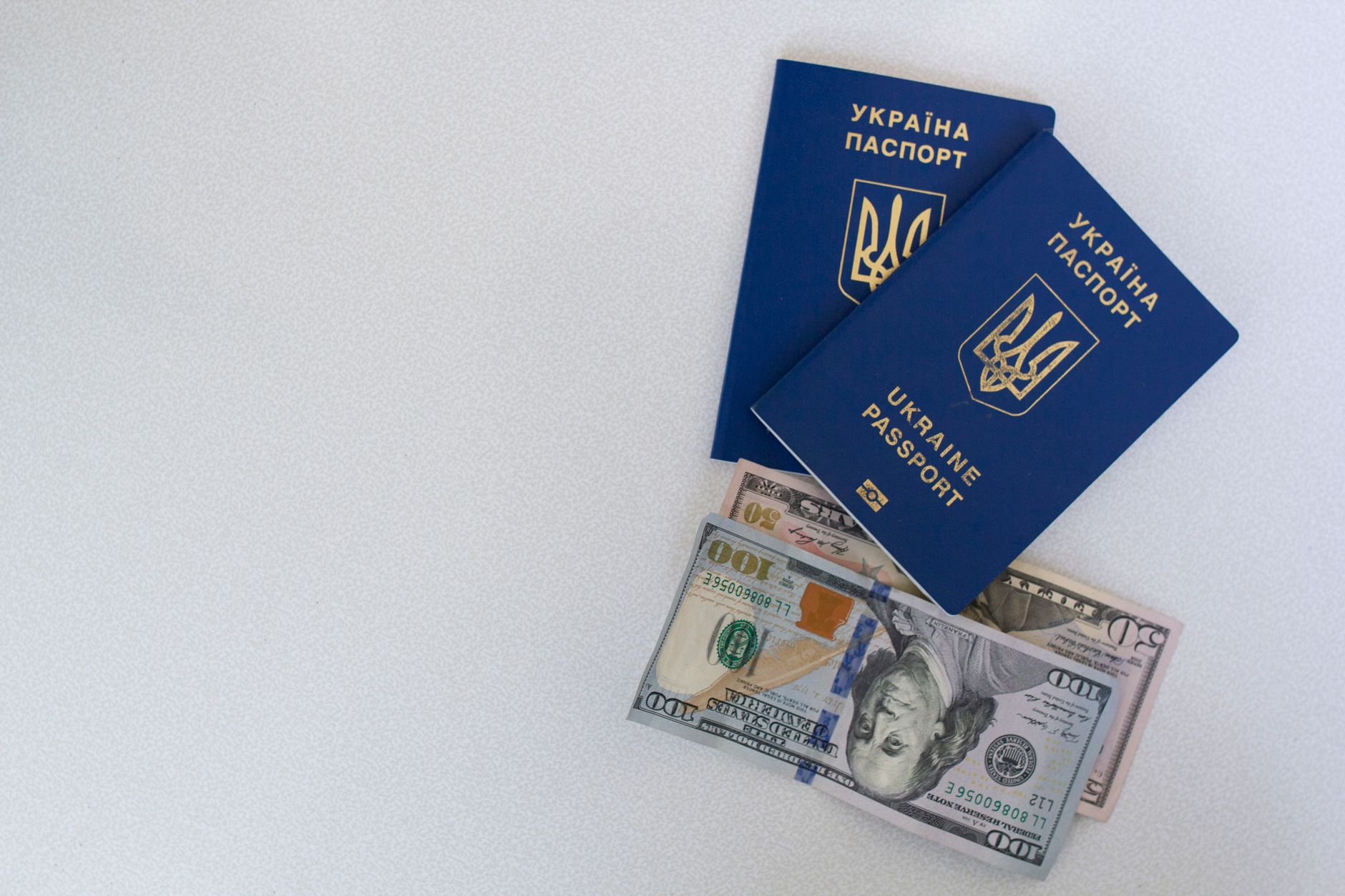
- Order some USD cash. $200–400 in clean, unmarked $20s and $50s covers tips, taxis, and emergencies. One quirk worth knowing: many Cairo exchange offices refuse bills printed before 2009, and they’re fussy about tears and marks.
- Plan your data. An Egypt eSIM (Airalo, Holafly) is the painless route, or grab a Vodafone, Orange, or Etisalat tourist SIM at the airport — a generous data plan runs roughly $8–12.
- Back up everything. Photograph your passport page, e-Visa, tickets, hotel and insurance confirmations, and both sides of your cards. Email them to yourself and keep offline copies in your phone.
- Download offline maps of Cairo and Giza in Google Maps, plus Google Translate with the Arabic pack, and sign in to Uber and Careem with payment ready.
Do the visa first, because it is the only item here with a processing clock attached and the e-visa is quoted at three business days. The entry requirements laid out in full cover the on-arrival alternative, what each option costs, and the documents immigration actually asks to see.
The Cairo Packing Checklist
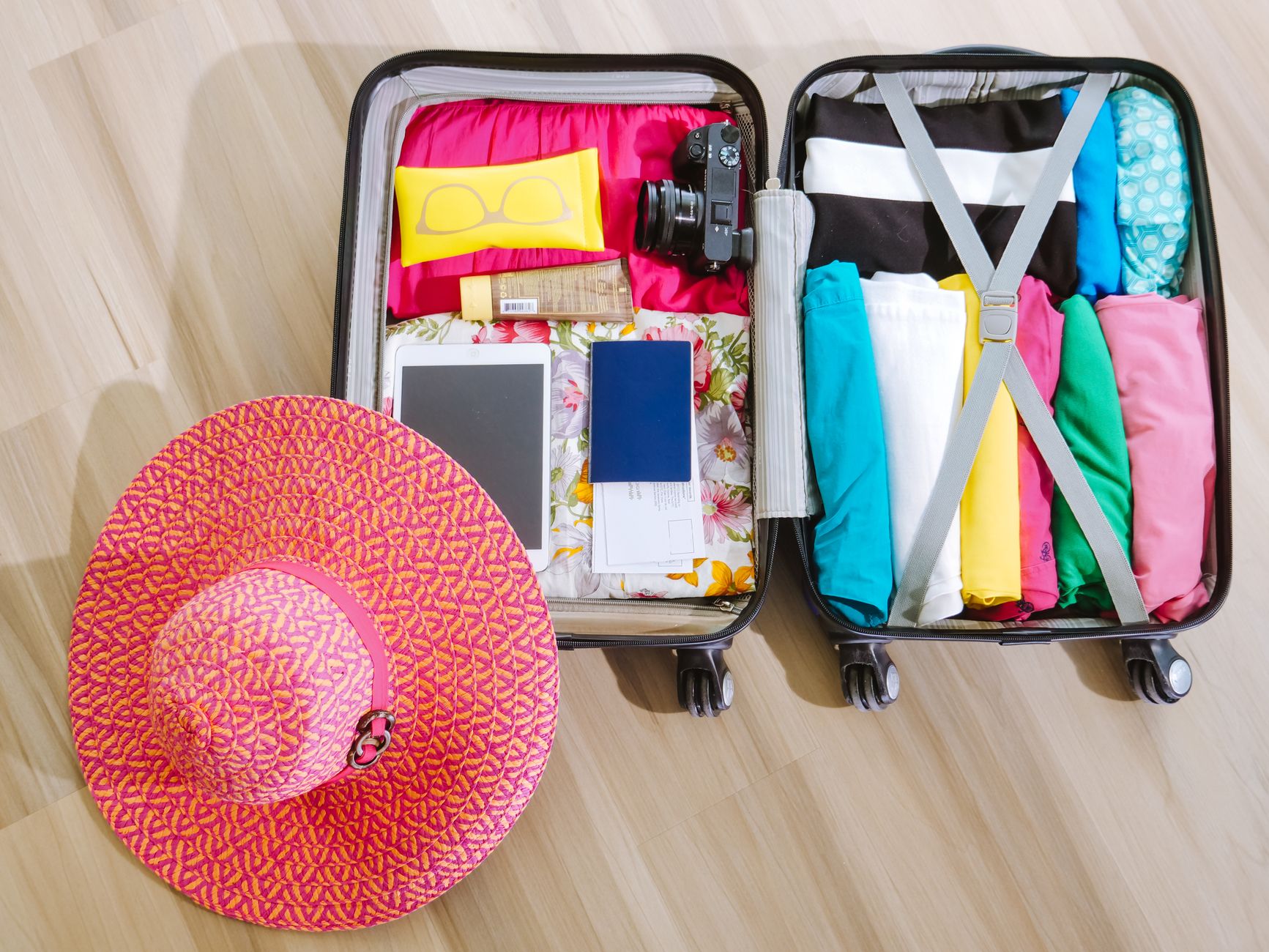
Pack lighter than your instinct says. You’ll walk for hours on uneven, dusty ground, you’ll sweat, and laundry is cheap at most Cairo hotels — so there’s no reason to haul a full wardrobe. Here’s what experienced travellers actually carry, grouped so you can tick it off.
Documents and money — carry-on only
- Passport (6+ months validity, blank page)
- Printed e-Visa
- Printed flight itinerary and return ticket
- Printed hotel confirmations
- Travel insurance policy and 24-hour assistance number
- Two credit cards plus a debit card, different networks
- $200–400 USD in clean, unmarked bills
- Photocopy of your passport, stored separately, plus digital copies
- A second photo ID
- Vaccination records and an emergency contact list
Clothing
The watchword is modest and breathable. Cairo isn’t as strict as some imagine, but covered shoulders and knees keep you comfortable at mosques and markets and draw less attention on the street.
- Lightweight long pants in linen or cotton — 2–3 pairs
- Loose maxi skirts or dresses (women) — a couple
- Short- and long-sleeve tops with shoulder coverage — 4–5 total
- One light jacket or cardigan — winter evenings (Nov–Mar) genuinely turn chilly
- A scarf or pashmina — does triple duty for mosques, dust, and sun
- One nicer outfit for an upmarket dinner or a Nile cruise
- Swimsuit if your hotel has a pool
What to pack by season
Cairo’s climate is one of the most predictable of any big capital — dry, sunny, almost no rain — but the gap between winter and summer is wide enough that the season changes your bag.
- Winter (Dec–Feb): mild, spring-like days around 18–20°C, but evenings drop sharply once the sun’s gone. Pack layers, a proper jacket or jumper, and don’t trust the daytime sun — a desert night at the Pyramids gets cold.
- Spring (Mar–May): warm and pleasant, with the occasional dusty, scorching day when the Khamsin wind blows. A scarf for your face on those days is worth its weight.
- Summer (Jun–Aug): hot, often pushing 35°C+ and climbing toward 38–40°C in heatwaves. Loose, light, fully covering cotton or linen beats bare skin here — it shades you and wicks sweat. Sightsee early, retreat at midday.
- Autumn (Sep–Nov): the heat eases off gradually; by November you’re back to layering for cool evenings.
Footwear
- Closed-toe walking shoes with grip — break them in before you fly
- Sandals or flip-flops for the hotel and pool
- Easy slip-ons for mosque visits, since you’ll be taking them off constantly
Toiletries and medical
- Sunscreen SPF 30+ (quality versions are pricey and patchy in Cairo) and SPF lip balm
- Hand sanitiser, tissues, and wet wipes — you’ll use the wipes daily
- Prescription meds in their original packaging
- A real medical kit: loperamide (Imodium), oral rehydration salts, ibuprofen, antacids, antihistamines, antibiotic ointment, plasters, motion-sickness pills
- Probiotics, started a few days before you travel
Tech and daily carry
- Phone, charger, and a 10,000 mAh+ power bank
- A universal adapter — Egypt runs on 220V with European-style Type C and Type F two-pin plugs
- A cross-body anti-theft bag or money belt
- Sunglasses and a wide-brim hat
- Ziploc or dry bags for the sand and dust at the Pyramids
- A daypack for sightseeing, and a refillable water bottle (a filter bottle like a Grayl earns its place here)
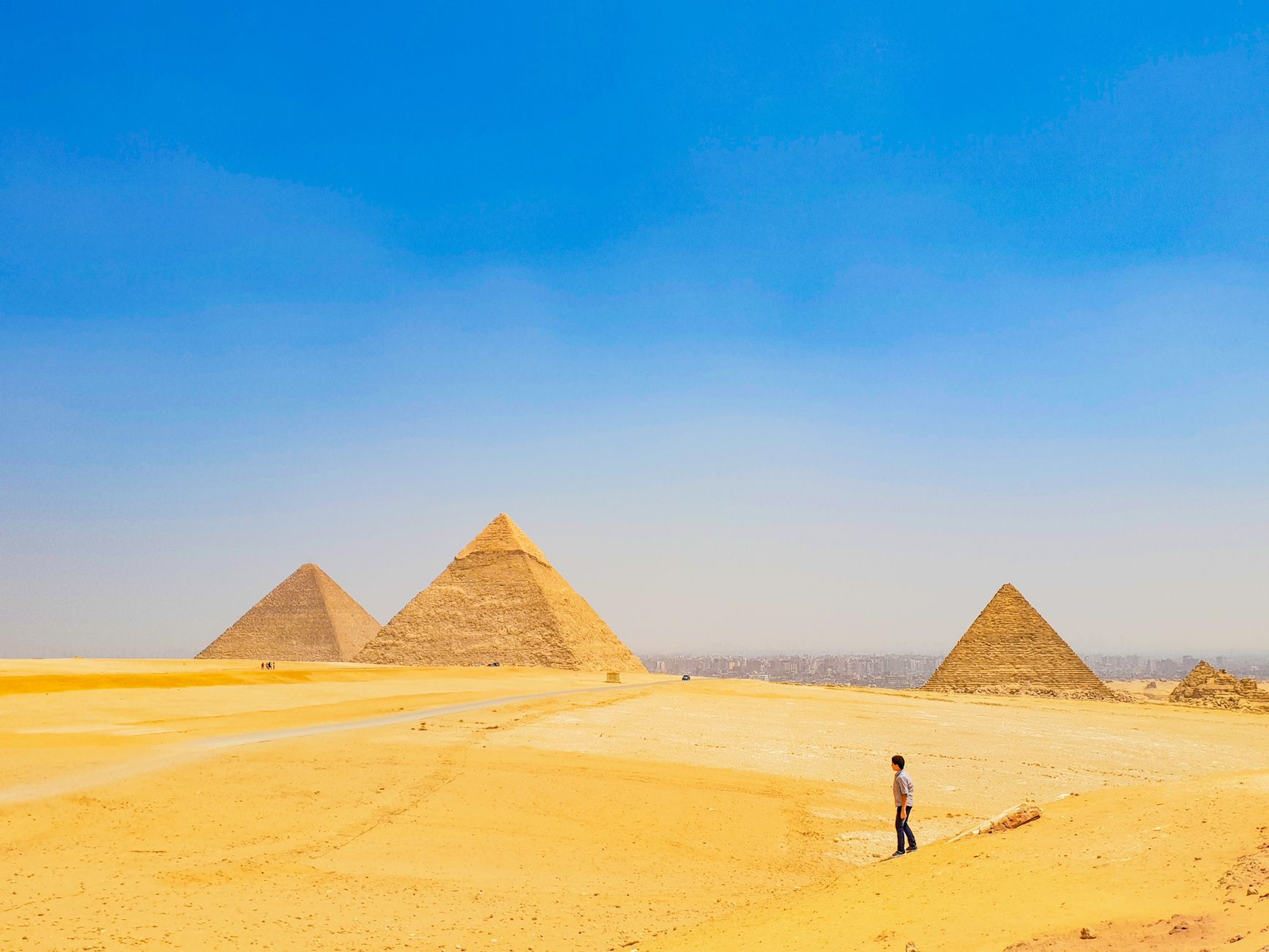
Dust is the variable people underestimate here, and it finds camera lenses, contact lenses and every zip you own. The item-by-item packing rundown goes further than this list on fabrics, shoe choice for uneven pavements, and the modest-clothing minimum for mosque entries.
Money: currency, cards, and cash
Egypt is still happy to take cash, even as the big monuments tilt toward card. The trick is a layered approach so you’re never stuck.
- Withdraw Egyptian pounds from ATMs after you arrive. CIB, NBE, and QNB machines are reliable. Choose to be charged in EGP, never USD, to dodge the lousy dynamic-conversion rate.
- Keep the USD as backup, in pristine post-2009 bills.
- Carry small EGP notes (5, 10, 20) for tipping. Baksheesh is woven into daily life — porters, restroom attendants, mosque shoe-keepers, helpful drivers all expect a little.
- Expect card-only entry at the Pyramids of Giza and the Grand Egyptian Museum, so don’t rely on cash for the headline sights.
One thing the airport ATMs do well: a quick first withdrawal of 1,000–2,000 EGP in arrivals covers your first day. Once you’re in town, you’ll find getting around is easy enough — our Cairo transportation guide covers the metro, Uber, and white taxis if you’d rather not haggle.
Health: stay ahead of the obvious risks
Cairo has no major endemic disease threats, but a stomach upset hits a fair share of first-timers, and the dry, dusty air can nag at your sinuses. Both are manageable if you plan for them.
- Get the recommended jabs — hepatitis A and typhoid are the headline two for Egypt, plus current COVID-19 and routine boosters. A travel clinic 4–6 weeks out is the move.
- Buy travel insurance with medical evacuation. Cairo’s private hospitals are good, but a flight home if something goes wrong is eye-wateringly expensive, so this is non-negotiable.
- Drink sealed bottled water for the first few days, and use it for brushing teeth too. Skip ice and unpeeled raw produce from informal vendors in your first 48 hours.
- Know your nearest hospital. As-Salam International, Cleopatra, and Dar El Fouad are well regarded — note which is closest to your hotel.
Knowing the nearest hospital is half of it. The other half is knowing that Cairo pharmacies are plentiful, cheap and open late, which our practical notes on staying well in Cairo covers alongside stomach trouble, heat exhaustion, and when private care is worth paying for.
At Cairo Airport: your arrival checklist
- Follow the signs to passport control.
- If you somehow didn’t get the e-Visa, buy a $30 visa sticker at a bank kiosk before immigration and stick it in your passport.
- Clear immigration with your e-Visa printout, hotel confirmation, and return ticket ready.
- Collect your bags, then grab a SIM if you didn’t pre-load an eSIM.
- Hit an ATM in arrivals for your first 1,000–2,000 EGP.
- Walk past the taxi touts to the Uber/Careem pickup zone, or meet your prearranged transfer.
The SIM desks sit past baggage reclaim and will want your passport, so keep it out rather than buried in the case. Our connectivity guide for arriving travellers compares the networks, typical data bundle sizes and prices, and whether an eSIM bought before you fly is the smarter move.
A little cultural prep goes a long way
You don’t need to study for weeks, but a handful of phrases and customs earn real goodwill. Learn as-salaam alaikum (hello), shukran (thank you), la shukran (no thank you), and bekam (how much). Know that bargaining is expected at Khan el-Khalili — start around 30–40% of the asking price and work up. Dress modestly at mosques, where shoes come off and women cover their hair, and steer clear of prayer times. For the full rundown, leave any leftover questions to our quickfire answers on the practical stuff.
That la shukran does more work than any other phrase you will learn, especially if you are arriving on your own, and our notes on handling Cairo alone cover the rest of the deflection habits, from persistent touts to late-night taxis.
Frequently asked questions
What documents are mandatory to enter Egypt as a tourist in 2026?
A passport valid for at least six months beyond entry, an e-Visa (or a visa-on-arrival sticker), proof of return travel, and proof of accommodation. Travel insurance is strongly recommended but not legally required.
How much does the Egypt e-Visa cost in 2026?
The single-entry tourist e-Visa is $30 USD as of early 2026, up from $25; the multiple-entry version is $65. Apply only through the official portal, visa2egypt.gov.eg — approval typically takes 24 to 72 hours.
How much cash should I bring to Cairo?
Bring $200–400 USD in clean, unmarked post-2009 bills as backup, plus two cards on different networks. ATMs are everywhere and dispense Egyptian pounds at fair rates, so you won’t need to carry large sums.
Can I drink the tap water in Cairo?
No. Stick to sealed bottled water for drinking and brushing teeth, especially in your first few days. Most travellers tolerate ice in larger restaurants after they’ve acclimatised.
Do I need a power adapter for Egypt?
Yes. Egypt runs on 220V with European-style Type C and Type F two-pin plugs, so a universal adapter covers you.
Should I book the Pyramids and Grand Egyptian Museum before I arrive?
Yes — especially the GEM. Timed-entry slots sell out, and major sites have moved to card-only payments. Booking ahead is the most reliable path.
Add one line to your pre-flight list: confirm your Cairo terminal in the airline’s app the day before you fly. Terminal 1 sits apart from Terminals 2 and 3, and our guide to the Cairo airport terminals explains which airlines usually use which, and how long it takes to get between them.