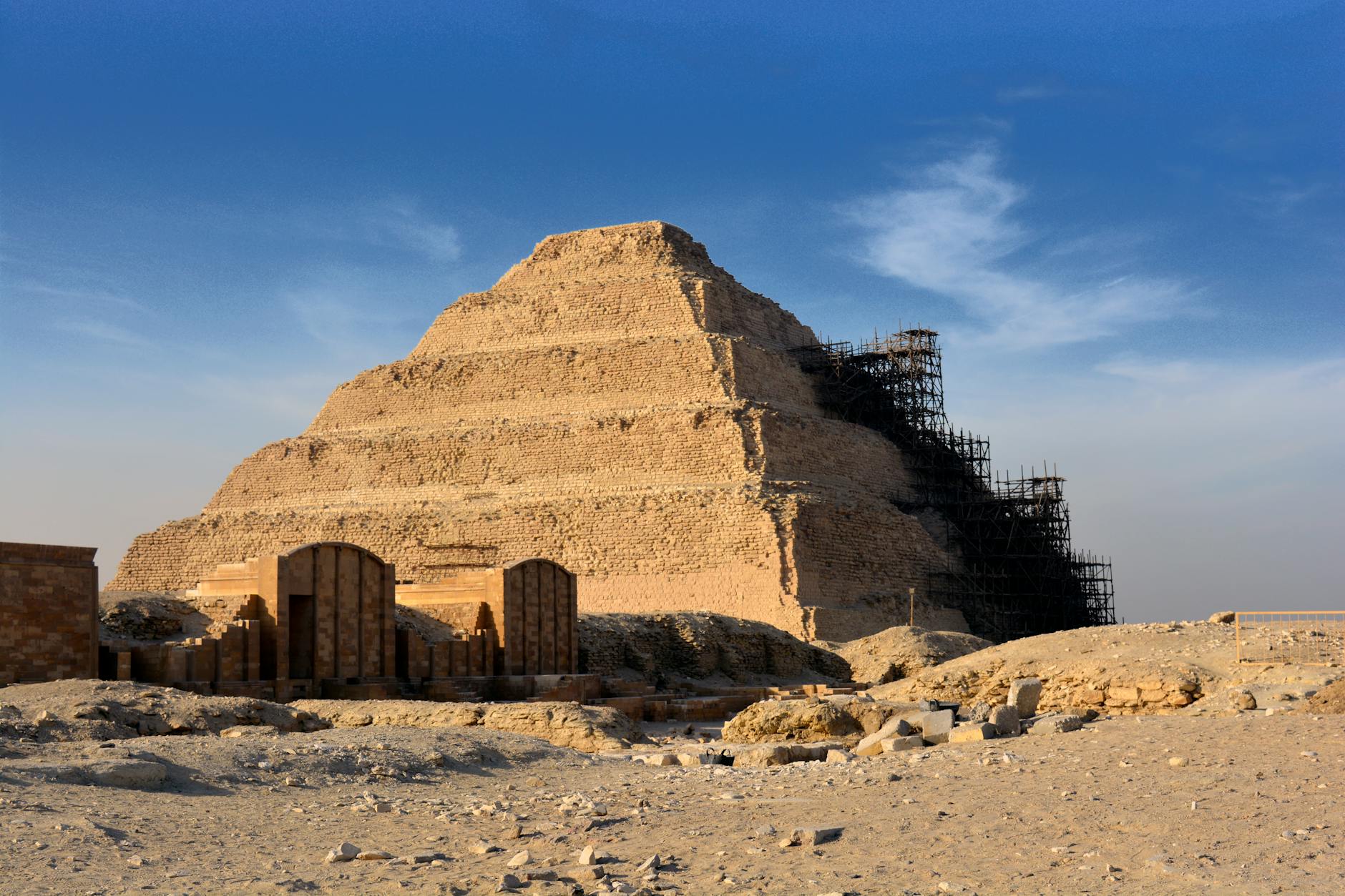
Cairo is one of the most strategically located cities in Egypt for exploring the country’s extraordinary diversity of landscapes and historical sites. While the capital itself offers weeks’ worth of attractions, some of the most rewarding experiences available to visitors are the day trips from cairo that take you beyond the city limits to ancient pyramids, Mediterranean coastlines, desert oases, and sacred monasteries. From the world’s oldest stone pyramid at Saqqara to the sparkling Red Sea beaches of Ain Sokhna, the destinations within a few hours of Cairo provide a remarkable cross-section of everything Egypt has to offer.
Planning day trips from cairo is easier than many travelers expect. Modern highways connect the capital to most major destinations, ride-hailing apps and private drivers are affordable, and organized tours handle all logistics for those who prefer a structured experience. Whether you have one extra day in your itinerary or a full week to dedicate to excursions, this comprehensive guide covers the best day trips from Cairo with detailed information on what to see, how to get there, how much to budget, and practical tips to make the most of each adventure.
Use this guide alongside our complete Cairo travel guide and transportation guide to plan a rich and varied Egyptian itinerary that extends well beyond the city center.
Saqqara, Memphis, and Dahshur — The Ancient Pyramid Circuit
The combined day trip to Saqqara, Memphis, and Dahshur is arguably the most rewarding excursion you can take from Cairo. Often overshadowed by the famous Giza Pyramids, these three sites together offer a deeper and more intimate understanding of ancient Egyptian civilization, with fewer crowds and a more atmospheric setting. This excursion can be completed in a half day or a full day depending on your pace, and it pairs perfectly with a visit to the Giza Plateau for travelers who want to see the full evolution of pyramid building.
Saqqara Necropolis
Saqqara is located approximately 30 kilometers south of central Cairo and served as the principal burial ground for the ancient capital of Memphis for over 3,000 years. The centerpiece is the Step Pyramid of Djoser, built around 2670 BCE by the legendary architect Imhotep. This revolutionary structure was the first large-scale stone building ever constructed in human history, rising to 62 meters in six distinctive stepped layers. Standing before it, you are looking at the prototype that would eventually evolve into the smooth-sided pyramids at Giza.
Beyond the Step Pyramid, Saqqara’s vast necropolis stretches for six kilometers along the edge of the Western Desert. The recently opened Tomb of Meresankh and the beautifully preserved mastaba tombs of Ti and Kagemni feature some of the finest and most detailed wall reliefs in all of Egypt, depicting scenes of daily life, agriculture, hunting, and religious ceremonies with remarkable artistry. The Serapeum, an underground network of tunnels where sacred Apis bulls were buried in massive granite sarcophagi, is one of the most atmospheric and mysterious sites in Egypt.
Entry to Saqqara costs approximately 200 EGP for foreign visitors, with additional fees for individual tombs and the Serapeum. Plan to spend at least two hours here, though archaeology enthusiasts could easily spend a full day.
Memphis Open-Air Museum
Memphis, located just a few kilometers from Saqqara, was the first capital of unified Egypt, founded around 3100 BCE by the legendary King Menes. For over a thousand years, it was the most important city in Egypt and one of the largest cities in the ancient world. Today, while most of the ancient city lies buried beneath modern settlements and Nile silt, the Memphis Open-Air Museum preserves some remarkable artifacts.
The star attraction is the colossal limestone statue of Ramesses II, a 10-meter fallen colossus that lies in a purpose-built indoor pavilion. Even lying on its back, the statue’s incredible detail and massive scale are deeply impressive. Outside in the garden, you will find the Alabaster Sphinx, a beautifully carved 80-ton sphinx dating to approximately 1700 BCE, along with numerous statues, sarcophagi, and architectural fragments from various periods of Egyptian history.
Memphis is a quick visit — 30 to 45 minutes is usually sufficient. Entry costs approximately 80 EGP. Most visitors combine Memphis with Saqqara and Dahshur in a single morning or full-day excursion.
Dahshur Pyramids
Dahshur lies approximately 40 kilometers south of Cairo and is home to two of the most architecturally significant pyramids in Egypt. The Bent Pyramid, built by Pharaoh Sneferu around 2600 BCE, is unique in all of Egypt for its dramatic change of angle partway up its sides, giving it the distinctive bent shape that suggests the builders changed their plans mid-construction. The lower portion rises at a steep 54 degrees before abruptly shifting to a gentler 43 degrees about halfway up.
Sneferu’s second pyramid at Dahshur, the Red Pyramid, is named for the reddish hue of its limestone blocks. It is the first true smooth-sided pyramid ever built and represents a direct precursor to the Great Pyramid at Giza. Visitors can enter the Red Pyramid through a narrow passage that descends deep into the structure, passing through three corbelled chambers. The experience of walking inside this 4,600-year-old pyramid is unforgettable, though the steep descent and return climb require reasonable fitness and a tolerance for confined spaces.
Dahshur is significantly less crowded than Giza, and on many days you may have the pyramids largely to yourself. Entry costs approximately 100 EGP. The combination of Dahshur and Saqqara is one of the best day trips from cairo for travelers who want an immersive pyramid experience without the tourist crowds of Giza.
How to Get There
The most practical way to visit all three sites is with a private driver or organized tour. A private car and driver for a half-day trip to Saqqara, Memphis, and Dahshur costs approximately 400 to 700 EGP (8 to 15 USD), which represents extraordinary value. Many hotels can arrange this, or you can use Uber or Careem for the initial ride to Saqqara and arrange onward transport from there. Organized group tours including an Egyptologist guide, transportation, entry fees, and lunch typically cost 40 to 80 USD per person.
Alexandria — Egypt’s Mediterranean Jewel
Alexandria, Egypt’s second-largest city and its principal Mediterranean port, offers a dramatically different atmosphere from Cairo. Founded by Alexander the Great in 331 BCE, the city was once home to the legendary Library of Alexandria and the Pharos Lighthouse, one of the Seven Wonders of the Ancient World. Today, Alexandria blends Greco-Roman antiquities, Belle Époque European architecture, a vibrant seafood culture, and a relaxed coastal atmosphere that provides a refreshing contrast to Cairo’s intensity.
What to See in Alexandria
The modern Bibliotheca Alexandrina, opened in 2002, is a stunning architectural masterpiece that pays homage to the ancient library. Its tilting disc-shaped design holds millions of books, several museums, and exhibition spaces. The Catacombs of Kom El Shoqafa, dating to the 2nd century CE, are a fascinating underground necropolis that uniquely blends Egyptian, Greek, and Roman artistic traditions in their carved reliefs and burial chambers.
The Citadel of Qaitbay, built in 1477 on the exact site of the ancient Pharos Lighthouse, guards the entrance to the Eastern Harbor and offers panoramic views of the Mediterranean. The Roman Amphitheater at Kom El Dikka is the only Roman amphitheater discovered in Egypt. Stroll along the Corniche, Alexandria’s beautiful waterfront promenade, and stop for fresh seafood at one of the restaurants overlooking the harbor. The Montazah Palace Gardens, with their manicured grounds overlooking a beautiful bay, provide a perfect finale to your Alexandria visit.
Getting to Alexandria
Alexandria is approximately 220 kilometers north of Cairo, and the journey takes 2.5 to 3 hours by car via the Desert Highway or the agricultural Delta Road. The most comfortable option is a private car and driver (approximately 1,500 to 2,500 EGP round trip) or an organized tour (typically 60 to 120 USD per person including guide, entry fees, and lunch). Trains from Cairo’s Ramses Station depart frequently and take approximately 2.5 hours in first class (100 to 180 EGP), making Alexandria accessible as an independent day trip, though having a car in Alexandria itself makes the day more efficient.
Start early — departing Cairo by 7:00 AM allows maximum time in Alexandria. A typical day trip covers the Bibliotheca Alexandrina, the Catacombs, Qaitbay Citadel, a seafood lunch, and the Corniche before returning to Cairo by early evening. For a more relaxed pace, consider an overnight stay.
Fayoum Oasis — Desert, Lakes, and Prehistoric Wonders
The Fayoum Oasis, located approximately 100 kilometers southwest of Cairo, is one of the most underrated day trips from cairo. This vast depression in the Western Desert is fed by a branch of the Nile and features a surprising landscape of lakes, farmland, desert dunes, and prehistoric sites. It feels remarkably remote despite being only about 90 minutes’ drive from the capital, making it an excellent escape from Cairo’s urban intensity.
Wadi Al-Hitan (Valley of the Whales)
The crown jewel of Fayoum is Wadi Al-Hitan, a UNESCO World Heritage Site that preserves the fossilized remains of prehistoric whales that lived in this region when it was covered by the ancient Tethys Sea approximately 40 million years ago. The open-air fossil museum displays complete whale skeletons in their original positions, along with fossils of sharks, crocodiles, and sea turtles. Walking among these massive prehistoric remains in a surreal desert landscape is one of the most unique experiences available near Cairo. The site’s visitor center provides excellent context on the geological history of the region.
Lake Qarun and Tunis Village
Lake Qarun is one of the oldest natural lakes in the world and a popular destination for birdwatching, particularly during the winter migration season when flamingos, herons, and dozens of other species can be spotted. The nearby village of Tunis has become an artistic community known for its pottery workshops, where visitors can try their hand at traditional Egyptian pottery-making techniques. Several charming eco-lodges and restaurants in the area offer locally sourced meals with views over the lake and surrounding countryside.
Getting to Fayoum
Fayoum town is about 90 minutes from Cairo by car. However, Wadi Al-Hitan is located deep in the desert, approximately 80 kilometers beyond Fayoum town, requiring a 4×4 vehicle for the final stretch. Organized tours are strongly recommended for visiting Wadi Al-Hitan, as the route is difficult to navigate independently. Day tours from Cairo to Fayoum and Wadi Al-Hitan typically cost 60 to 100 USD per person and include transportation, a guide, entry fees, and sometimes lunch. Budget a full day for this excursion.
Ain Sokhna — Red Sea Beach Escape
When the heat and hustle of Cairo become overwhelming, the Red Sea resort town of Ain Sokhna offers a perfect beach day escape. Located on the western shore of the Gulf of Suez, approximately 120 kilometers east of Cairo, Ain Sokhna (meaning ‘hot spring’ in Arabic) is the closest Red Sea beach to the capital. The drive takes under two hours via the modern Ain Sokhna highway, making it feasible as a day trip, though many visitors choose to stay overnight.
The beaches at Ain Sokhna feature clear turquoise water, sandy shores, and good snorkeling conditions along the coral reefs that fringe the coastline. Several beach resorts offer day-use packages that include beach access, pool use, lunch, and sometimes water sports for approximately 300 to 800 EGP per person. The natural hot sulfur springs that give the town its name are also worth visiting for their reputed therapeutic properties.
Ain Sokhna is best visited on weekdays to avoid the weekend crowds of Cairenes who flock to the coast on Fridays and Saturdays. The beach season runs roughly from April through November, with the warmest water temperatures in July and August. Getting there by private car or Uber is the most practical option, costing approximately 400 to 600 EGP each way.
Wadi Natrun — Ancient Coptic Monasteries
Wadi Natrun, situated in the Western Desert approximately 100 kilometers northwest of Cairo along the Desert Highway to Alexandria, is one of the most historically significant sites in Christian history. This shallow valley, rich in natron salt deposits that ancient Egyptians used in the mummification process, has been home to Christian monasteries since the 4th century CE and is considered one of the birthplaces of Christian monasticism.
Four active monasteries survive today, each enclosed within fortress-like walls that protected the monks from desert raiders throughout the centuries. The Monastery of St. Macarius the Great, founded around 360 CE, is the oldest and most significant, with beautiful frescoes and a functioning community of monks. The Monastery of St. Pishoy houses the remarkably preserved body of St. Pishoy himself. The Syrian Monastery (Deir al-Suryan) contains some of the finest early Christian frescoes in Egypt. The Monastery of Paromeos (Deir el-Baramus) claims to be the oldest of the four.
Visits to the monasteries are free, though modest dress is required (long sleeves, long pants or skirts, no shorts). Photography may be restricted in certain areas. The monks are welcoming and some speak English. Wadi Natrun can be visited as a standalone half-day trip or combined with a day trip to Alexandria. The drive from Cairo takes approximately 1.5 to 2 hours.
Desert Adventures and Safari Excursions
The deserts surrounding Cairo offer exhilarating adventure excursions that provide a stark contrast to the city’s ancient monuments and urban energy. Several operators run day trips into the Eastern and Western deserts, offering experiences that range from gentle sandboarding to adrenaline-pumping quad bike rides across the dunes.
Quad Biking and ATV Adventures
The desert around the Giza Pyramids is the most accessible location for quad bike and ATV adventures. Several operators offer guided rides that take you into the open desert beyond the pyramid complex, with panoramic views of the pyramids from a distance that you cannot get from the tourist areas. Sunset rides are particularly popular, as the pyramids silhouetted against a desert sunset create spectacular photographic opportunities. Quad bike tours typically last 1 to 2 hours and cost approximately 30 to 60 USD per person.
Sandboarding and Camel Treks
For those seeking unique desert experiences, sandboarding on the dunes near Fayoum or the desert areas around Giza is an increasingly popular activity. The principle is the same as snowboarding, but the medium is warm desert sand. Camel treks into the desert, ranging from short one-hour rides to full-day excursions, offer a more traditional way to experience the landscape. Multi-day desert camping trips into the White Desert (Farafra) or Black Desert are also available, though these require at least two days.
Stargazing Excursions
Egypt’s desert skies are among the clearest in the world, and several tour operators offer evening stargazing excursions to locations beyond Cairo’s light pollution. These typically include transportation to a desert location, a traditional Bedouin dinner, and guided stargazing with telescopes. On clear nights, the Milky Way is spectacularly visible, and the silence and vastness of the desert at night create a profoundly peaceful experience.
Planning Your Day Trips from Cairo
Best Time for Day Trips
The best months for day trips from cairo are October through April, when temperatures are comfortable for outdoor sightseeing. During the summer months (May through September), start excursions as early as possible to avoid the peak heat, particularly for desert destinations like Saqqara, Dahshur, and Fayoum. Beach trips to Ain Sokhna are best from May through October when water temperatures are warmest.
Organized Tours vs. Independent Travel
Both options have their merits. Organized tours provide convenience, expert guides, and all-inclusive pricing that eliminates logistics stress. They are particularly recommended for first-time visitors, those with limited time, and for destinations that are difficult to reach independently like Wadi Al-Hitan. Independent travel with a private driver offers more flexibility in pacing and itinerary, often at lower cost, and is ideal for experienced travelers comfortable with some uncertainty.
When booking organized tours, choose operators with strong Tripadvisor or Google reviews, confirm exactly what is included in the price (entry fees, meals, tips for guards), and clarify the maximum group size. For private drivers, agree on the full itinerary and total price before departing, and confirm that the driver will wait at each site for as long as you need.
Day Trip Budget Guide
Budget travelers can experience excellent day trips from cairo by using public transportation and visiting sites independently. A day at Saqqara and Memphis using Uber and public entry fees costs approximately 500 to 800 EGP (10 to 16 USD) per person. A train trip to Alexandria runs about 300 to 500 EGP including entry fees and meals. At the other end, premium private tours with Egyptologist guides, luxury vehicles, and gourmet lunches can cost 150 to 300 USD per person.
For mid-range travelers, budget approximately 50 to 100 USD per person per day trip, which covers private transportation, entry fees, a guide (for some excursions), and a decent lunch. This represents outstanding value compared to similar experiences in most other countries with major historical attractions.
Essential Packing for Day Trips
Regardless of your destination, certain items are essential for any day trip from Cairo. Bring plenty of water (at least 2 liters per person for desert excursions), sunscreen with high SPF, a wide-brimmed hat or scarf, comfortable walking shoes with closed toes for archaeological sites, and a light jacket or sweater for air-conditioned vehicles and unexpectedly cool desert evenings. A small daypack keeps your hands free for climbing pyramids and navigating uneven terrain. For monasteries and religious sites, bring modest clothing that covers shoulders and knees.
Quick Reference: Day Trips at a Glance
Saqqara, Memphis, and Dahshur are the closest and most accessible ancient sites, requiring just a half day and offering exceptional pyramid experiences with fewer crowds than Giza. Alexandria provides a full-day Mediterranean escape with Greco-Roman history and fresh seafood, approximately 2.5 hours each way. Fayoum and Wadi Al-Hitan deliver unique desert and prehistoric experiences about 90 minutes to 3 hours from Cairo. Ain Sokhna offers the closest beach escape at under 2 hours. Wadi Natrun’s monasteries combine spiritual heritage with desert beauty, also about 1.5 to 2 hours away. Desert safari adventures are available year-round, with the Giza desert being the most accessible option.
El Alamein — World War II History on the Mediterranean
For history enthusiasts interested in more recent events, the World War II battlefield and memorials at El Alamein make a fascinating day trip from Cairo. Located approximately 250 kilometers northwest of Cairo along the Mediterranean coast, El Alamein was the site of two pivotal battles in 1942 that marked a turning point in the North African campaign. The town can be visited as a long day trip or combined with an overnight stay in Alexandria, which lies roughly halfway along the route.
The El Alamein War Museum provides an excellent overview of the battles through displays of weapons, uniforms, maps, and personal artifacts from both Allied and Axis forces. The Commonwealth War Cemetery is a beautifully maintained and deeply moving memorial containing 7,240 graves of soldiers from Britain, Australia, New Zealand, South Africa, India, and other Allied nations. The German and Italian memorials nearby offer their own somber perspectives on the conflict. Entry to the museum costs approximately 60 EGP, and the cemeteries are free to visit.
The drive from Cairo takes approximately 3 hours via the Desert Highway. Some tour operators combine El Alamein with Alexandria in a single long day trip, departing Cairo very early and returning late. For a more comfortable experience, consider an overnight stay in Alexandria with a morning excursion to El Alamein the following day.
The Suez Canal at Ismailia
The Suez Canal, one of the most important waterways in the world, can be observed up close on a day trip to the city of Ismailia, approximately 120 kilometers east of Cairo. This charming canal-side city was built as the headquarters for the Suez Canal Company during the canal’s construction in the 1860s, and it retains a pleasant colonial-era character with tree-lined avenues, French-influenced architecture, and a relaxed pace that contrasts sharply with Cairo.
The highlight for most visitors is watching enormous container ships and tankers navigate the canal from the waterfront promenade. The Ismailia Museum houses a small but interesting collection of pharaonic and Greco-Roman artifacts discovered during the canal’s excavation. Lake Timsah (Crocodile Lake), which the canal passes through, offers beaches and water sports. The journey from Cairo takes approximately 1.5 to 2 hours by car, making Ismailia a comfortable half-day or full-day excursion.
Suggested Day Trip Itineraries by Duration
If You Have One Extra Day
Spend it at Saqqara, Memphis, and Dahshur. This is the single most rewarding day trip from cairo for the time invested. You will see the oldest pyramid in the world, enter a 4,600-year-old pyramid at Dahshur, and explore beautifully decorated ancient tombs, all with a fraction of the crowds at Giza. Depart your hotel by 8:00 AM, start at Dahshur (farthest south), work your way north through Memphis to Saqqara, and return to Cairo by early afternoon with time for a late lunch and an evening at Khan El Khalili.
If You Have Two Extra Days
Add a day trip to Alexandria to your Saqqara-Memphis-Dahshur excursion. The contrast between Cairo’s desert setting and Alexandria’s Mediterranean atmosphere is striking, and the historical sites are fascinating. Alternatively, replace the Alexandria trip with a Fayoum and Wadi Al-Hitan excursion if prehistoric fossils and desert landscapes appeal more than Greco-Roman history.
If You Have Three or More Extra Days
With three days, you can build a comprehensive excursion program around Cairo. Day one: Saqqara, Memphis, and Dahshur pyramid circuit. Day two: Alexandria with its libraries, catacombs, and seafood. Day three: choose between Fayoum Oasis and Wadi Al-Hitan for desert and prehistoric wonders, Ain Sokhna for a beach day, or Wadi Natrun for monastic heritage. Four or more days allow you to add desert safari adventures, the Suez Canal at Ismailia, or an overnight trip to El Alamein along the Mediterranean coast.
Booking Tips and Recommended Operators
When booking day trips from cairo through tour operators, follow these practical guidelines to ensure a positive experience. Book through platforms with verified reviews such as Tripadvisor, GetYourGuide, or Viator, where you can read detailed feedback from previous customers. Confirm all inclusions in writing before paying, specifically entry fees, meals, guide services, and the type of vehicle. Ask about the maximum group size, as smaller groups (under 10 people) generally provide a much better experience than large bus tours.
For budget travelers, independent day trips using a combination of Uber, public transportation, and self-guided exploration can reduce costs by 50 to 70 percent compared to organized tours. The trade-off is less convenience and no expert commentary, but many of the sites have excellent signage and information boards that provide good context. Audio guides and apps are available for major sites like Saqqara and the Alexandria museums.
Regardless of how you choose to organize your excursions, the day trips from cairo available to visitors represent some of the most diverse and rewarding travel experiences in the entire Mediterranean region. From the oldest stone structure ever built by human hands to a beach day on the Red Sea, from fossil whales in the desert to ancient monasteries still inhabited by monks, the destinations surrounding Cairo offer an extraordinary range of experiences that will deepen your understanding and appreciation of this remarkable country.
Each of these day trips from cairo reveals a different facet of Egypt’s extraordinary diversity, from the dawn of civilization at Saqqara to the living Christian traditions at Wadi Natrun, from prehistoric whale fossils in the desert to the sparkling waters of the Red Sea. Building several of these excursions into your Cairo itinerary transforms a city break into a comprehensive Egyptian adventure that will provide memories for a lifetime.
Leave a Reply