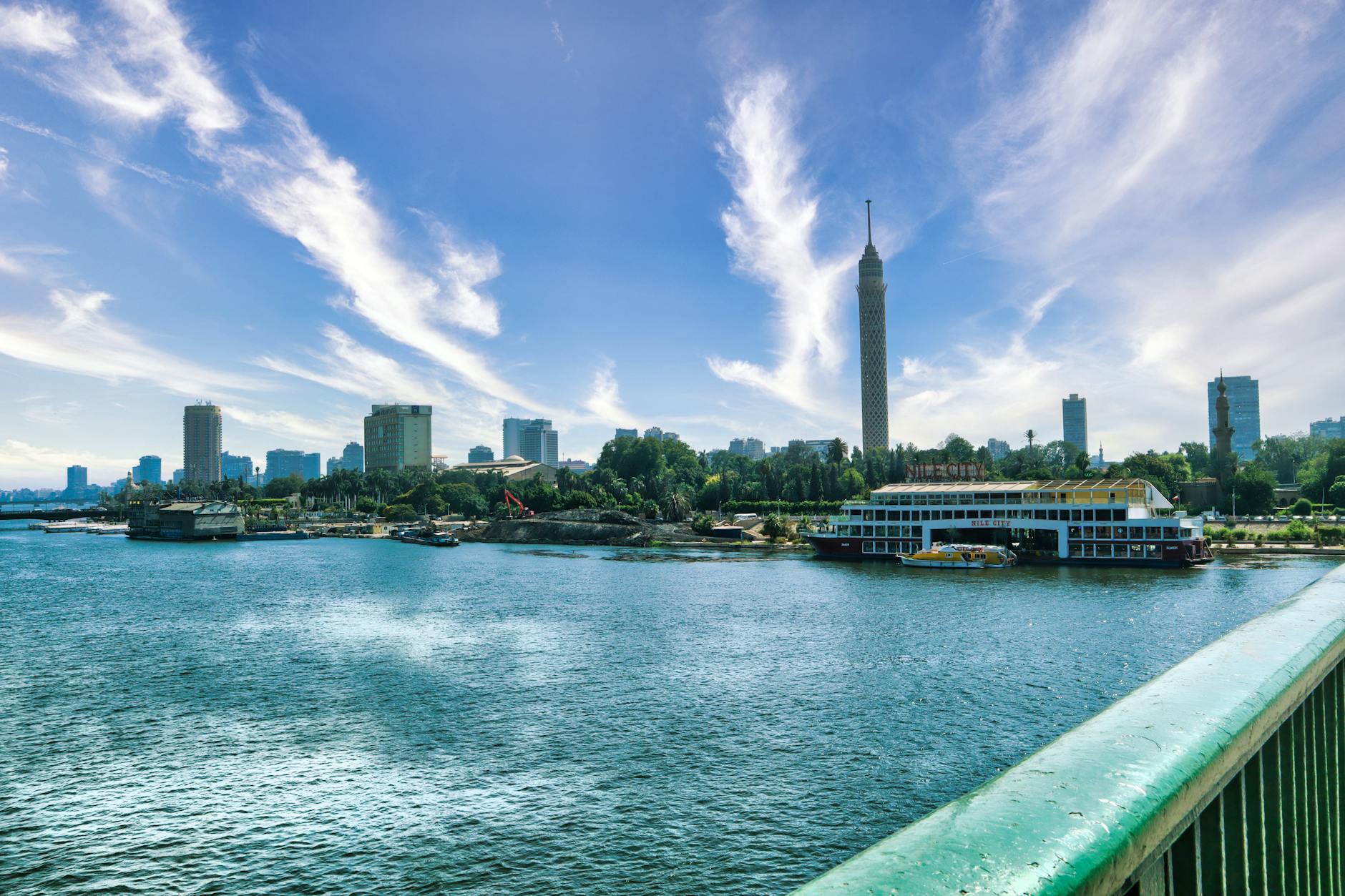
The Nile River is not merely a geographical feature of Cairo but the very soul of the city, a living artery that has sustained Egyptian civilisation for over five thousand years. Today, the cairo nile river experiences available to visitors range from serene sunset felucca sails to lavish dinner cruises with live entertainment, from leisurely walks along the Corniche to luxury dahabiya voyages that recreate the golden age of Nile travel. No visit to Cairo is complete without spending meaningful time on or beside the world’s longest river.
This comprehensive guide to cairo nile river experiences covers every way you can enjoy the Nile during your Cairo visit. Whether you are seeking a romantic sunset sail, an evening of entertainment on the water, a budget-friendly felucca ride, or simply the best spots to admire the river from shore, you will find detailed information on pricing, booking, timing, and what to expect. Use this guide alongside our complete Cairo travel guide and our culture and etiquette guide to plan an unforgettable Nile experience.
The Nile River: History and Significance to Cairo
The Nile has shaped Cairo’s identity since the city’s founding over a thousand years ago. Ancient Egyptians worshipped the river as a deity, and the annual flood cycle that deposited rich silt across the valley made Egypt the breadbasket of the ancient world. The pharaohs built their monuments along its banks, and the river served as the principal highway for trade, communication, and royal processions for millennia.
Modern Cairo straddles the Nile with a dramatic skyline that reflects the city’s evolution from medieval Islamic capital to contemporary megacity. The river flows northward through the heart of the metropolis, splitting around two major islands — Gezira and Roda — before continuing toward the Mediterranean Delta. Gezira Island is home to the Cairo Tower, the Opera House, and the upscale Zamalek neighbourhood, while Roda Island houses the ancient Nilometer, a stone structure dating to 861 AD that was used to measure the river’s flood levels and determine tax assessments for the coming agricultural year.
The Nile’s significance extends beyond history into daily Cairo life. Millions of Cairenes live, work, and socialise along its banks. The Corniche El Nile, the riverside boulevard that traces the eastern bank, is one of the city’s most important thoroughfares and gathering places. At sunset, families stroll along the waterfront, couples sit on benches watching the light change over the water, and vendors sell roasted corn and sweet potatoes to passersby. Understanding this deep relationship between Cairo and its river enriches every Nile experience you have during your visit.
Felucca Sailing: The Classic Cairo Nile River Experience
Of all the cairo nile river experiences available, a felucca ride is the most iconic and timeless. These traditional wooden sailboats with their distinctive lateen sails have plied the Nile for centuries, and stepping aboard one connects you to a mode of river travel that predates the pyramids themselves. A felucca sail is an essential Cairo experience that every visitor should prioritise.
What Is a Felucca?
A felucca is a traditional Egyptian sailing vessel characterised by its wide, flat hull and single tall mast carrying a triangular lateen sail. These boats are constructed from wood and rely entirely on wind power, making them one of the most environmentally friendly ways to experience the Nile. The deck is typically furnished with colourful cushions arranged around the perimeter, creating a comfortable lounge-like atmosphere where passengers can recline and enjoy the views. Most feluccas accommodate between six and ten passengers, making them ideal for small groups, couples, or families.
Where to Board a Felucca in Cairo
The most popular felucca departure points in Cairo are clustered along the Corniche near the Four Seasons Nile Plaza hotel in Garden City, around the Semiramis Intercontinental area in downtown, and near the Meridien hotel on Roda Island. The dock near the foot of the Qasr El Nil bridge is particularly convenient for downtown visitors. You will see feluccas moored along these stretches with their captains calling out to passersby. While it is perfectly acceptable to negotiate directly with a captain on the riverbank, you can also book through your hotel concierge or through online platforms like GetYourGuide and Viator for a more structured experience with guaranteed pricing and sometimes included meals.
Pricing and Duration
A standard felucca ride in Cairo typically lasts one to two hours and costs between 200 and 500 EGP for the entire boat, depending on the duration, time of day, and your negotiating skills. Sunset rides command premium prices, and rightly so, as watching the sun dip below Cairo’s skyline from the water is one of the city’s most magical moments. If booking through a tour company, expect to pay 15 to 40 USD per person, which usually includes hotel pickup and sometimes drinks or a light meal. For the best value, gather a small group and negotiate directly with a captain, splitting the cost of a private boat. Always agree on the price and duration before boarding, and clarify whether drinks or snacks are included.
Best Time for a Felucca Ride
The golden hour before sunset is universally considered the best time for a felucca sail in Cairo. The harsh midday light softens into warm amber tones that paint the city’s minarets and modern towers in a breathtaking palette. As the sun sets, the call to prayer echoes across the water from dozens of mosques simultaneously, creating an unforgettable sensory experience. Late afternoon sails starting around 4 to 5 PM in winter or 5 to 6 PM in summer capture this magic perfectly. Morning sails offer cooler temperatures and calmer waters but lack the dramatic lighting. Midday rides during summer should be avoided due to the intense heat and minimal shade on most feluccas.
What to Bring on a Felucca
Pack light but prepare smartly for your felucca experience. Bring sunscreen and sunglasses for afternoon sails, a light jacket or shawl for cooler evening breezes on the water, a camera or phone with a fully charged battery, and bottled water. Many visitors bring their own snacks, fruit, or even a picnic spread to enjoy aboard. Some felucca captains offer tea, soft drinks, or simple snacks for a small additional charge. Avoid bringing large bags or expensive items that could get splashed, and wear shoes that are easy to slip off as you will likely board barefoot.
Nile Dinner Cruises: Entertainment on the Water
Nile dinner cruises represent one of the most popular cairo nile river experiences, combining an evening meal with live entertainment and panoramic views of Cairo’s illuminated skyline. These floating restaurants offer a distinctly different experience from felucca sailing, with air-conditioned dining rooms, buffet spreads, and professional performance shows.
Types of Dinner Cruises
Cairo’s Nile dinner cruise market ranges from budget-friendly options to ultra-premium experiences. Standard dinner cruises operate on large, multi-deck vessels that accommodate 100 to 300 guests, offering buffet dining with a mix of Egyptian and international cuisine, live music, belly dancing performances, and Tanoura (whirling dervish) shows. These cruises typically depart between 7 and 8 PM and last approximately two to three hours, sailing a circuit between central Cairo’s bridges. Premium dinner cruises on smaller, more elegant vessels offer sit-down service, higher quality cuisine, and a more intimate atmosphere with fewer passengers. Some luxury hotels, including the Four Seasons and Kempinski, operate their own Nile cruise boats with menus prepared by their award-winning chefs.
Popular Dinner Cruise Operators
The Nile Maxim is one of Cairo’s longest-running and most recognised dinner cruise operations, offering reliable service and entertaining shows from a large vessel that departs near the Marriott Hotel on Zamalek. The Pharaohs cruise line operates several boats of varying sizes and price points, making them accessible for different budgets. The Blue Nile Boat and Le Pacha 1901 are permanently moored floating restaurants that offer the ambiance of a Nile dining experience without the motion, ideal for those who prefer a stationary setting. For a truly special occasion, the Nile City Boat offers an upscale experience with panoramic glass walls and gourmet cuisine.
What to Expect on a Dinner Cruise
A typical dinner cruise evening begins with boarding and a welcome drink as the boat departs the dock. As the vessel glides along the Nile, you are served a buffet or set-menu dinner that usually includes traditional Egyptian mezze (hummus, baba ghanoush, tahini, and salads), grilled meats and seafood, rice and pasta dishes, and a dessert spread featuring Egyptian sweets like kunafa and baklava. Entertainment begins during or after the main course, with live oriental music setting the stage for a belly dancer’s performance, followed by a mesmerising Tanoura show where a performer spins continuously in a colourful layered skirt, creating kaleidoscopic patterns under stage lights. Some cruises also feature an oud player, a traditional Egyptian band, or a DJ for later dancing.
Dinner Cruise Pricing
Standard Nile dinner cruises range from 30 to 60 USD per person, including the buffet meal, entertainment, and the cruise itself. Drinks are typically extra, with soft drinks costing 50 to 100 EGP and alcoholic beverages ranging from 100 to 300 EGP depending on the vessel. Premium and luxury cruises can run from 80 to 150 USD per person. Most dinner cruises can be booked through your hotel, online platforms, or directly with operators. Booking in advance is recommended during peak tourist season from October to April, as popular boats can fill up. Many operators offer hotel pickup and drop-off for an additional fee of approximately 10 to 15 USD per person.
Dahabiya Sailing: Luxury Nile Experiences
For travellers seeking the most exclusive and authentic cairo nile river experiences, dahabiya sailing represents the pinnacle of Nile travel. The word ‘dahabiya’ derives from the Arabic word for gold, referencing the gilded state barges that once carried Egyptian rulers along the river. Today’s dahabiyas are lovingly restored or purpose-built sailing vessels that recreate the elegance of 19th-century Nile travel, when European aristocrats and adventurers embarked on months-long voyages to discover Egypt’s ancient treasures.
What Makes Dahabiya Cruises Special
Unlike large motorised cruise ships that race between ports on fixed schedules, dahabiyas sail under wind power using traditional lateen sails, stopping at smaller temples and villages that larger vessels cannot access. With typically just six to ten cabins accommodating 12 to 20 guests maximum, the atmosphere is intimate and exclusive. Meals are prepared fresh by on-board chefs using local ingredients, and the pace of travel is deliberately slow, allowing passengers to absorb the landscape and experience the river as travellers did centuries ago. The absence of engine noise creates a profoundly peaceful environment where the only sounds are wind in the sails, water against the hull, and birdsong from the riverbanks.
Leading Dahabiya Operators
Nour El Nil is widely considered the gold standard for dahabiya experiences in Egypt. Founded by a passionate advocate for sustainable Nile tourism, Nour El Nil operates a small fleet of beautifully appointed dahabiyas that sail between Esna and Aswan. Their vessels feature handcrafted wooden interiors, organic cotton linens, and locally sourced cuisine, with expert Egyptologist guides accompanying each sailing. Other respected operators include the Melouk and Malekat by Oberoi Hotels, launching in late 2026 with just seven suites each, promising one of the most personalised luxury Nile experiences available. The Sonesta Amirat Dahabiya and the Lazuli dahabiya also offer excellent options for intimate Nile sailing.
Dahabiya Pricing and Booking
Dahabiya cruises are premium experiences with pricing to match. Expect to pay between 300 and 800 USD per person per night, depending on the operator, cabin category, and season. Most dahabiya itineraries run three to five nights and cover the stretch between Esna or Luxor and Aswan, rather than sailing from Cairo itself. However, they integrate perfectly into a Cairo-based Egypt itinerary: fly from Cairo to Luxor, enjoy the dahabiya voyage to Aswan, then fly back to Cairo. Booking well in advance is essential, particularly for peak season from October to March, as the limited cabin numbers mean popular vessels sell out months ahead. The investment is justified by an experience that many travellers describe as the highlight of their entire Egypt visit.
The Corniche El Nile: Cairo’s Riverside Promenade
Not all cairo nile river experiences require getting on a boat. The Corniche El Nile, the broad boulevard that follows the eastern bank of the Nile through central Cairo, offers some of the city’s best opportunities to enjoy the river at a leisurely pace. This iconic promenade stretches several kilometres from Old Cairo in the south through Garden City, downtown, and north toward the upscale districts of Zamalek and Dokki.
Walking the Corniche
A Corniche walk is one of Cairo’s great free pleasures. The section between the Qasr El Nil bridge and the Four Seasons hotel in Garden City is particularly scenic, offering unobstructed views across the water to Gezira Island and the Cairo Tower. In the late afternoon and evening, this stretch fills with families, couples, and groups of friends enjoying the cooler riverside air. Street vendors sell everything from roasted sweet potatoes and corn to freshly squeezed sugar cane juice, creating a lively atmosphere that captures Cairo’s irrepressible energy. The pedestrian pathways are generally well maintained, and benches positioned at intervals provide resting spots with prime river views.
Nile-View Dining and Cafes
Some of Cairo’s finest restaurants and cafes line the Nile’s banks, offering dining experiences that combine excellent cuisine with mesmerising river views. The Four Seasons Nile Plaza houses several acclaimed restaurants including Bella, serving Italian cuisine with floor-to-ceiling Nile views. The First Nile Boat, a permanently moored vessel operated by the Four Seasons First Residence in Giza, features five distinct restaurants ranging from Asian to Italian to Egyptian, each offering a unique waterfront dining experience. For a more casual atmosphere, the numerous floating cafes and restaurants along the Corniche serve traditional Egyptian cuisine, shisha, and tea at more accessible prices, typically 200 to 500 EGP per person for a full meal with drinks.
Zamalek Island: The Heart of Nile Living
Zamalek, the upscale residential and cultural district occupying the northern half of Gezira Island, is surrounded by the Nile on all sides and offers a unique perspective on river life. The island’s tree-lined streets, art galleries, boutique shops, and cosmopolitan cafes make it one of Cairo’s most pleasant neighbourhoods to explore on foot. The southern tip of the island near the Cairo Marriott Hotel is a prime spot for felucca departures and offers beautiful views in both directions along the river. The Cairo Tower, located on Gezira Island, provides the best aerial panorama of the Nile’s path through Cairo, with viewing decks offering 360-degree views that are particularly spectacular at sunset when the river turns golden.
Exploring Cairo’s Nile Islands
Cairo’s Nile islands offer distinct experiences that combine river access with cultural attractions and green spaces, providing welcome respites from the intensity of the mainland city.
Gezira Island
The larger of Cairo’s two main Nile islands, Gezira is home to several major cultural institutions. The Cairo Opera House complex includes performance venues, art galleries, and the Museum of Modern Egyptian Art, all set within pleasant gardens. The Gezira Sporting Club, a colonial-era institution, occupies a large portion of the island with its green grounds visible from passing boats. The 187-metre Cairo Tower, built in the 1960s and designed to resemble a pharaonic lotus plant, dominates the island’s skyline and remains one of Cairo’s most visited landmarks. The revolving restaurant at the top offers a unique dining experience with continuously changing Nile views, though the food is secondary to the panorama.
Roda Island
Roda Island, south of Gezira, holds one of Cairo’s most historically significant Nile-related sites: the Nilometer. This ancient measuring device, housed in a conical-roofed stone structure at the island’s southern tip, was used from the 9th century onwards to measure the Nile’s flood levels. The readings determined whether the coming agricultural season would bring abundance or famine, and consequently what tax rates would be imposed. The Nilometer is open to visitors for a nominal fee and provides fascinating insight into the Nile’s central role in Egyptian governance and daily life. Nearby, the Manial Palace Museum showcases a beautiful early 20th-century royal residence with stunning gardens that extend to the water’s edge.
Sunrise and Sunset on the Nile: Cairo’s Golden Hours
The play of light on the Nile at dawn and dusk produces some of Cairo’s most photogenic moments and constitutes some of the most memorable cairo nile river experiences for visitors.
Best Sunset Viewing Spots
The universally acknowledged best way to experience a Nile sunset in Cairo is from the water aboard a felucca. However, several shore-based locations offer equally stunning perspectives. The terrace of the Cairo Tower provides an elevated panorama of the sun setting beyond the Pyramids of Giza, with the Nile reflecting the changing colours below. The Qasr El Nil bridge, one of Cairo’s most iconic bridges guarded by its famous bronze lion statues, offers a unique vantage point where you stand directly over the water as the sky transforms. The rooftop bars and restaurants along the Nile in Zamalek and Garden City, particularly those at the Kempinski Nile Hotel and the Grand Nile Tower, provide comfortable settings to watch the sunset with a drink in hand. For a more local experience, join the Cairenes who gather along the Corniche each evening, sitting on the low walls and benches to watch the day end over the river.
Sunrise on the Nile
While sunset gets most of the attention, sunrise over the Nile offers a quieter, equally beautiful experience. The early morning light brings a soft pink and lavender palette to the river’s surface, and the relative quiet of pre-rush-hour Cairo makes this a peaceful time for a riverside walk or jog. Al-Azhar Park, though not directly on the Nile, offers elevated eastward views that catch the morning light beautifully. For photographers, the 6th October Bridge and the adjacent Corniche provide excellent positions to capture the sun rising over the Mokattam Hills with the Nile in the foreground.
Photographing the Nile: Tips for Stunning Images
The Nile offers endless photographic opportunities, from sweeping panoramas to intimate details of river life. Understanding the best techniques and locations helps you capture images that do justice to this extraordinary waterway.
Golden hour, the period roughly 30 minutes before and after sunset, transforms the Nile into a photographer’s dream. The warm light picks out details in the feluccas’ sails, paints the city’s skyline in rich amber and rose tones, and creates shimmering reflections on the water’s surface. Position yourself facing west from the eastern bank for sunset shots, or use the bridges for compositions that include the river stretching into the distance with boats in the foreground. For night photography, the illuminated bridges and their reflections create dramatic long-exposure opportunities. A tripod or stable surface is essential for these shots. During blue hour, the thirty minutes after sunset, the sky takes on a deep cobalt that contrasts beautifully with the warm artificial lights of the city and dinner cruise boats.
From a felucca, the gentle rocking of the boat requires faster shutter speeds or image stabilisation. Capture your captain adjusting the sail against the sky, the wake trailing behind the boat, and the changing perspective of Cairo’s skyline as you drift. Smartphone cameras with night mode perform surprisingly well for Nile photography, and wide-angle lenses help capture the river’s grandeur in the context of the surrounding cityscape.
Seasonal Guide to Nile Experiences in Cairo
The time of year significantly affects which cairo nile river experiences are most enjoyable and how you should plan your time on the water.
Winter: October to March
The cooler months are peak season for Nile activities in Cairo. Temperatures range from 15 to 25 degrees Celsius, making outdoor activities on the water comfortable throughout the day. Felucca rides are pleasant at any time, and dinner cruises benefit from the cooler evening air that makes open-deck dining particularly enjoyable. This is also peak tourist season, so booking in advance for dinner cruises and dahabiya voyages is strongly recommended. Felucca prices may be slightly higher due to demand, but the perfect weather makes this the ideal time for extended sails of two hours or more. The shorter daylight hours mean sunset comes earlier, around 5 to 5:30 PM, so plan accordingly.
Spring: March to May
Spring offers a sweet spot of warming weather and slightly thinner crowds than peak winter season. March and April are excellent months for Nile activities, with comfortable temperatures and beautiful light. However, be aware of the ‘Khamsin’ wind that can blow hot, sandy air from the desert, particularly in April and early May. These windstorms can reduce visibility and make felucca sailing uncomfortable, though they rarely last more than a day or two. When the weather cooperates, spring afternoons on the Nile are sublime, with long golden hours perfect for photography and relaxation.
Summer: June to September
Summer heat in Cairo regularly exceeds 35 degrees Celsius and can reach 40 or more. This dramatically affects Nile experiences. Daytime felucca rides should be limited to early morning or late evening, as the intense midday sun combined with the lack of shade on most feluccas can be dangerously hot. Sunset sails remain wonderful, as the temperature drops to more manageable levels after 5 PM, and the later sunset times from 6:30 to 7 PM give you more flexibility. Air-conditioned dinner cruises become especially appealing in summer, offering Nile enjoyment without the discomfort of the outdoor heat. The Corniche comes alive after dark during summer, as Cairenes shift to a nocturnal lifestyle to escape the heat, making late evening riverside walks a highlight of summer visits.
Ramadan
During Ramadan, which shifts approximately 11 days earlier each year, the Nile takes on a special atmosphere. After iftar, the breaking of the fast at sunset, Cairo’s riverside comes alive with families and friends celebrating. Many restaurants and cafes along the Corniche set up special Ramadan tents with festive decorations and traditional drinks. Dinner cruises operate during Ramadan but may adjust their schedules to accommodate iftar timing. The post-iftar hours, from roughly 7 to 11 PM depending on the time of year, are among the most vibrant times to experience the Nile, with a festive energy that is unique to this holy month.
Practical Tips for Nile River Activities
Safety on the Water
The Nile in Cairo is generally calm and safe for boating activities. Feluccas have plied these waters for centuries, and captains are experienced at navigating the river’s currents and the wakes of larger vessels. However, life jackets are not always provided on feluccas, so if you are a non-swimmer or travelling with children, request them before departure or bring your own inflatable safety devices. Dinner cruise vessels meet modern safety standards with emergency equipment on board. Avoid swimming in the Nile within Cairo, as the water quality in the urban stretch does not meet safe swimming standards, regardless of what you may see locals doing.
What to Wear
For felucca rides, dress comfortably in layers. Even on warm days, the breeze on the water can be cool, especially as the sun goes down. A light jacket, cardigan, or scarf is recommended for sunset sails. Wear shoes you can easily remove, as you will step aboard barefoot. For dinner cruises, smart casual attire is appropriate on standard vessels, while luxury cruises may expect more formal dress. Avoid high heels on boats of any kind, as the deck surfaces can be uneven and slippery.
Booking and Negotiating
For feluccas, the most budget-friendly approach is to walk to any popular departure point and negotiate directly with a captain. Start by offering roughly half the initial asking price and work toward a fair middle ground. Confirm the duration, route, and whether any refreshments are included before agreeing. For dinner cruises, online booking through platforms like GetYourGuide, Viator, or the cruise operator’s own website often provides better prices than booking through hotel concierges, who may add a commission. Many operators offer combination packages that include hotel pickup, the cruise, and entertainment at a bundled price that represents better value than purchasing each element separately.
Avoiding Common Pitfalls
Be cautious of felucca captains who agree to a price but then attempt to extend the trip beyond the agreed time, expecting additional payment. Set a firm end time and stick to it. On dinner cruises, the advertised ‘open bar’ on some budget cruises may be limited to soft drinks, with alcoholic beverages charged separately at premium prices. Read the fine print before booking. Photography from the Nile is generally unrestricted, but avoid photographing military installations, bridges’ structural details, and security personnel along the banks, as this can attract unwanted official attention.
Nile Experiences for Every Budget
Budget: Under 15 USD
The most affordable way to enjoy the Nile is simply to walk along the Corniche, which costs nothing and offers wonderful river views, street food, and people-watching. A short felucca ride of one hour can be negotiated for as little as 200 to 300 EGP for the entire boat when split among a group. The Cairo metro crosses the Nile twice, and riding across the bridge offers a brief but free river perspective. Visiting the Nilometer on Roda Island costs a nominal entry fee of around 60 EGP and provides both Nile access and historical insight. Al-Azhar Park, though not directly on the river, offers panoramic views that include the Nile for an entry fee of 50 EGP.
Mid-Range: 15 to 60 USD
A two-hour sunset felucca ride with drinks and a light meal, booked through a tour operator with hotel pickup, typically falls in the 20 to 35 USD range per person and represents excellent value for a memorable experience. Standard dinner cruises with buffet dining and entertainment occupy the 30 to 60 USD range and provide a festive evening on the water. Dining at one of the mid-range Nile-view restaurants along the Corniche or on a moored floating restaurant offers a lovely river experience for 300 to 600 EGP per person including drinks.
Luxury: 60 USD and Above
Premium dinner cruises on smaller, more elegant vessels with gourmet set menus start around 80 USD per person. The revolving restaurant atop the Cairo Tower offers a unique elevated Nile dining experience at approximately 60 to 100 USD per person. For the ultimate luxury, dahabiya cruises on the Upper Nile from Luxor to Aswan range from 300 to 800 USD per person per night, offering multi-day sailing experiences that many consider the highlight of an Egypt visit. High-end hotels like the Four Seasons Nile Plaza, the Kempinski Nile Hotel, and the St. Regis Cairo offer Nile-view suites where you can enjoy the river from the privacy of your room, with rates starting around 300 to 500 USD per night.
Making the Most of Your Cairo Nile River Experience
The Nile is Cairo’s constant companion, visible from countless vantage points and accessible in countless ways. Whether you choose to glide silently beneath a felucca’s sail as the sunset paints the sky, dine and dance on a glittering cruise boat under the stars, or simply sit on the Corniche with a glass of fresh mango juice watching the world drift by, the river offers moments of beauty and tranquillity that balance the exhilarating intensity of Cairo’s streets.
The best approach is to experience the Nile in multiple ways during your visit. A sunset felucca ride one evening, a Corniche walk the next morning, a dinner cruise on another night, and perhaps a visit to the Nilometer or a meal at a riverside restaurant create a rich tapestry of Nile memories that capture different moods and perspectives of this extraordinary river. Cairo has many wonders, from the Pyramids to the Grand Egyptian Museum to the medieval streets of Islamic Cairo, but the Nile connects them all, just as it has connected Egypt’s story for five thousand years.
Leave a Reply